


Machine à cisailler Hydraulic Oil Overheating is a common issue I encounter when operating hydraulic shearing machines, and maintaining proper oil temperature is essential for stable performance and long service life. Excessive hydraulic oil temperature can reduce cutting accuracy, damage critical hydraulic components, and increase unexpected downtime. If you are looking for effective ways to control hydraulic oil temperature and prevent system failures, you are in the right place. In this article, I’ll explain the main causes of hydraulic oil overheating and share practical maintenance methods to keep your shearing machine running efficiently.
Compréhension Machine à cisailler Hydraulic Oil Overheating
Why Hydraulic Oil Temperature Matters
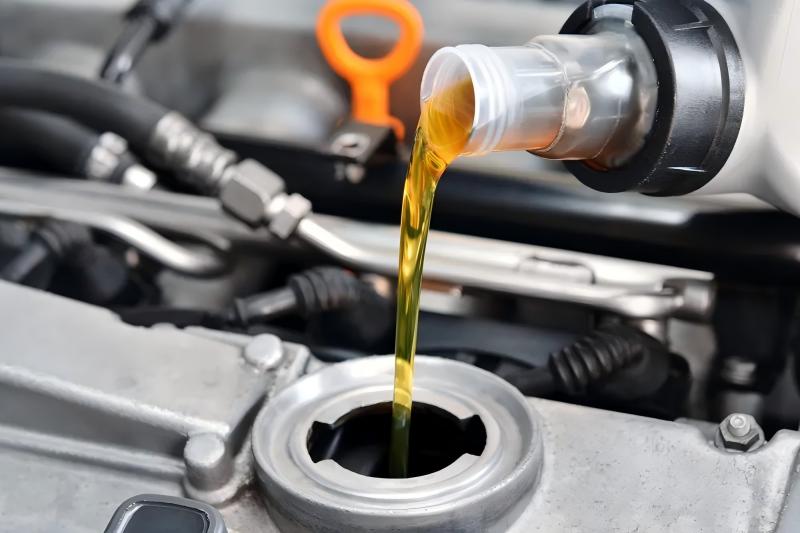
The hydraulic system is the power source of most industrial shearing machines. Hydraulic oil transfers pressure from the pump to cylinders, allowing the machine to generate the force required for precise cutting.
When oil temperature becomes too high, its viscosity changes, reducing lubrication performance and increasing internal wear. Long-term overheating can affect pumps, valves, seals, and other critical hydraulic components.
Common Symptoms of Hydraulic Oil Overheating
Before serious damage occurs, operators may notice several warning signs, including:
- Slow machine response during cutting cycles
- Increased hydraulic system noise
- Reduced cutting force
- Oil discoloration or abnormal smell
- Frequent temperature alarms
Identifying these signs early helps prevent more serious problems caused by Shearing Machine Hydraulic Oil Overheating.
Main Causes of Shearing Machine Hydraulic Oil Overheating
Insufficient Hydraulic Oil Level
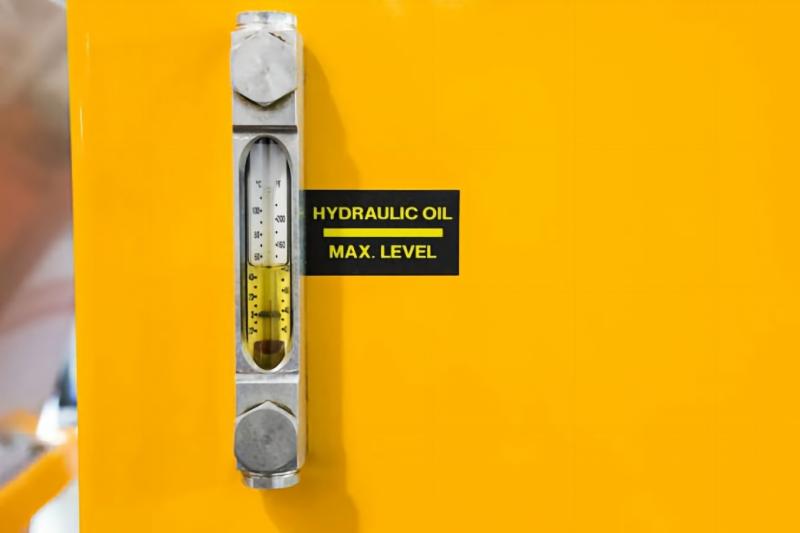
Low oil levels reduce the system’s ability to transfer heat effectively. When the oil volume is insufficient, the hydraulic pump may also draw air into the system, causing cavitation and unstable operation.
I recommend checking the hydraulic oil level regularly and maintaining it according to the manufacturer’s specifications.
Dirty or Blocked Hydraulic Filters

Hydraulic filters remove contaminants from the oil. When filters become clogged, oil flow resistance increases, forcing the hydraulic system to work harder and generate additional heat.
Regular filter inspection and replacement are essential steps for preventing excessive temperature rise.
Poor Cooling System Performance
Hydraulic systems rely on oil coolers or heat exchangers to remove heat generated during operation. Dust, dirt, or blocked cooling passages reduce heat dissipation efficiency.
Cleaning the cooling system regularly ensures that heat can be released effectively.
Incorrect Hydraulic Oil Selection
Using hydraulic oil with unsuitable viscosity can cause overheating problems. Oil that is too thick increases resistance, while oil that is too thin cannot provide sufficient lubrication.
Always select hydraulic oil according to the machine manufacturer’s recommendations and operating conditions.
Continuous Heavy-Duty Operation
Long periods of high-load cutting can naturally increase hydraulic temperature. Without sufficient cooling intervals, heat accumulation may exceed normal operating limits.
For continuous production environments, monitoring oil temperature is especially important.
How to Prevent Shearing Machine Hydraulic Oil Overheating
Step 1: Monitor Hydraulic Oil Temperature Regularly
I recommend installing or checking temperature monitoring devices to track oil conditions during operation.
Maintaining hydraulic oil within the recommended temperature range helps ensure stable valve response, proper lubrication, and reliable machine performance.
Step 2: Maintain Clean Hydraulic Oil
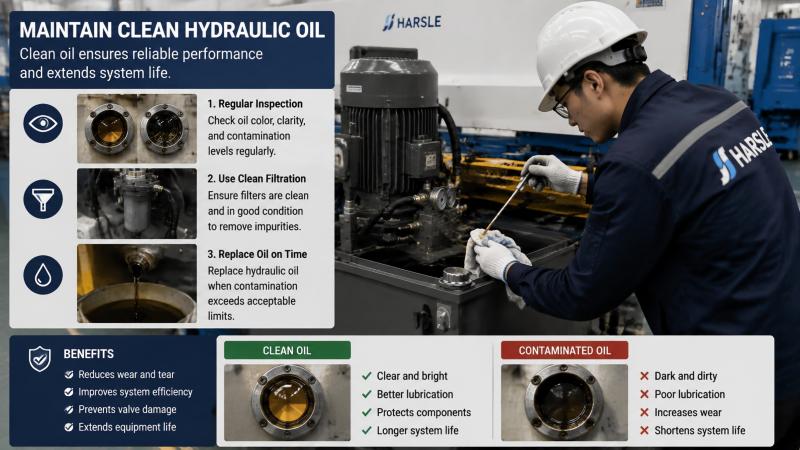
Clean oil is essential for hydraulic system reliability. Contaminated oil increases friction, damages precision valves, and accelerates component wear.
Perform regular oil inspections and replace hydraulic oil when contamination levels exceed acceptable limits.
Step 3: Clean and Maintain Oil Coolers
The cooling system should be inspected regularly to remove dust and debris. A clean oil cooler improves heat exchange efficiency and reduces the risk of overheating.
For machines operating in dusty workshops, more frequent cleaning may be required.
Step 4: Check Hydraulic Components for Abnormal Conditions
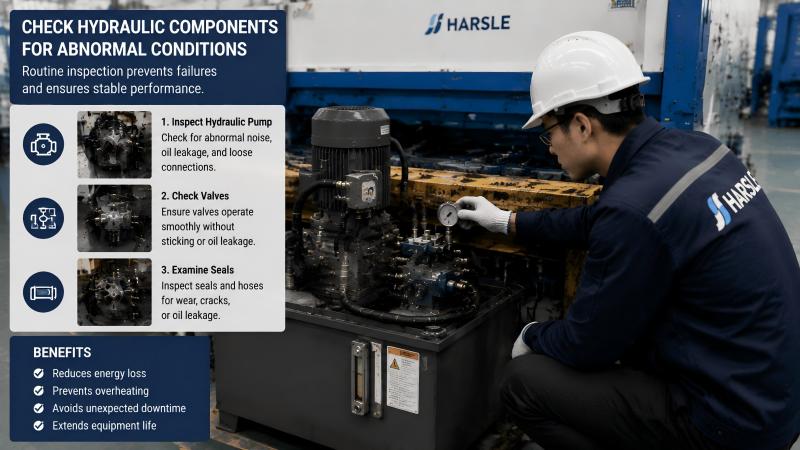
Worn pumps, leaking seals, or malfunctioning valves can increase energy loss and generate excessive heat.
Routine inspection of hydraulic components allows operators to detect problems before they lead to major failures.
Step 5: Avoid Overloading the Shearing Machine
Operating beyond the machine’s rated capacity increases hydraulic pressure and heat generation.
I always recommend selecting the correct machine capacity for the material thickness and cutting requirements to avoid unnecessary stress on the hydraulic system.
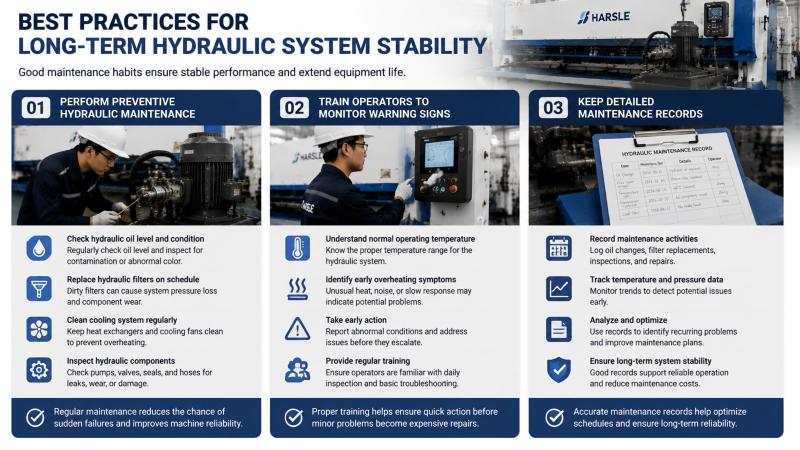
Best Practices for Long-Term Hydraulic System Stability
Perform Preventive Hydraulic Maintenance
A preventive maintenance schedule should include oil checks, filter replacement, cooling system cleaning, and hydraulic component inspection.
Regular maintenance reduces the chance of sudden failures and improves overall machine reliability.
Train Operators to Monitor Warning Signs
Operators should understand basic hydraulic system conditions and know how to identify early overheating symptoms.
Proper training helps ensure quick action before minor problems become expensive repairs.
Conservez des registres de maintenance détaillés
Recording oil changes, filter replacements, temperature readings, and repairs helps identify recurring issues and optimize maintenance schedules.
FAQ
What is the normal hydraulic oil temperature for a shearing machine?
Most hydraulic shearing machines operate effectively when oil temperature remains within the manufacturer’s recommended range, commonly around 35–60°C depending on system design and working conditions.
Can dirty hydraulic oil cause overheating?
Yes. Contaminated oil increases friction, reduces lubrication efficiency, and can cause valves and pumps to generate additional heat.
How often should hydraulic oil be replaced on a shearing machine?
Replacement intervals depend on operating hours, working environment, and oil condition. Regular oil testing provides the most accurate replacement schedule.
What happens if hydraulic oil overheating is ignored?
Continuous overheating can damage pumps, seals, valves, and other hydraulic components, resulting in reduced performance and costly downtime.
Conclusion
Prévenir Shearing Machine Hydraulic Oil Overheating requires proper monitoring, regular maintenance, and correct operating practices. By maintaining clean hydraulic oil, checking cooling systems, inspecting components, and avoiding excessive loading, you can improve machine reliability and extend hydraulic system life.
A well-maintained hydraulic system ensures stable cutting performance and reduces unexpected production interruptions. For more technical guidance or support on shearing machine maintenance, feel free to contact our team.


