


Machine à cisailler Cutting Quality can gradually decline during long-term metal fabrication due to blade wear, mechanical stress, hydraulic system issues, and improper operating conditions. Even a high-performance shearing machine may eventually produce burrs, uneven edges, dimensional errors, or rough cutting surfaces after extended operation. If you want to understand why cutting performance decreases over time and how to restore stable cutting results, you are in the right place. In this article, I’ll explain the main causes behind declining cutting quality and provide practical maintenance methods to help you improve accuracy, reduce defects, and extend machine service life.
Comprendre pourquoi Machine à cisailler Cutting Quality Changes Over Time
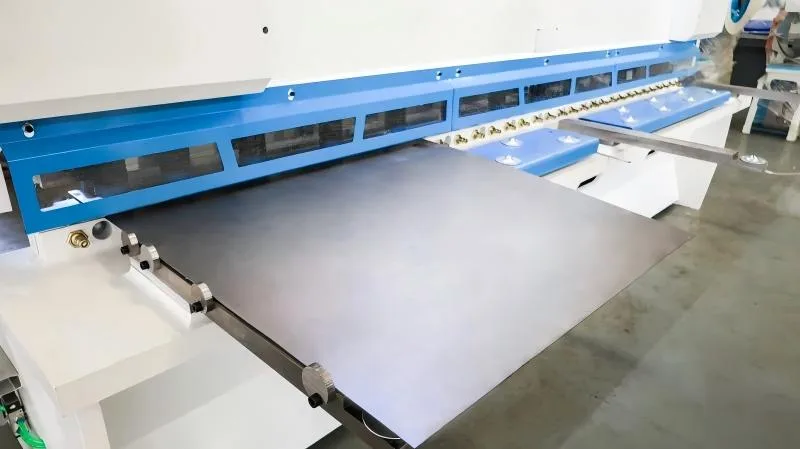
The Impact of Continuous Machine Operation
A shearing machine operates under repeated mechanical stress during daily production. Every cutting cycle creates pressure on blades, hydraulic components, guides, and machine structures. Over time, these components experience wear that directly affects cutting performance.
When key parts gradually lose their original precision, the machine may no longer maintain the same cutting conditions as when it was new. This is why many manufacturers notice changes in Shearing Machine Cutting Quality after months or years of operation.
How Component Wear Affects Cutting Performance
Cutting quality depends on the cooperation of multiple components. The blade condition, blade clearance, hydraulic stability, and machine alignment all influence the final cutting result.
A small deviation in one component can create larger quality problems, including excessive burrs, angled cuts, material deformation, and inconsistent dimensions.
Main Causes of Reduced Shearing Machine Cutting Quality
Blade Wear and Damage
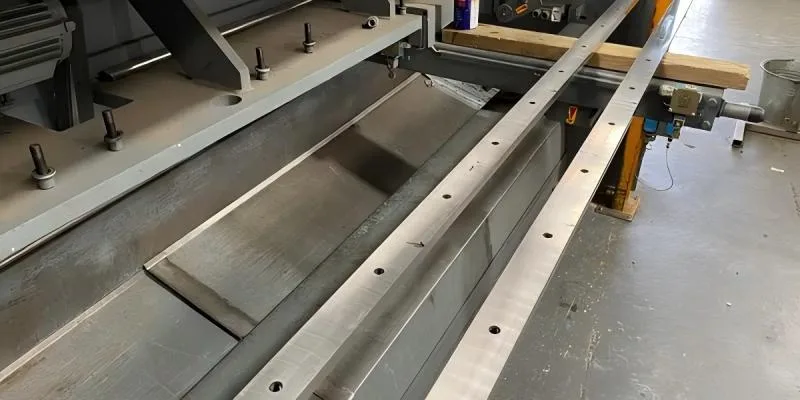
How Dull Blades Reduce Shearing Machine Cutting Quality
The cutting blade is one of the most important factors affecting cutting accuracy. During continuous operation, blade edges become worn, rounded, or damaged due to friction and repeated impact.
A worn blade requires more cutting force and cannot separate the material cleanly. This often results in rough edges, larger burrs, and reduced cutting precision.
Incorrect Blade Maintenance and Replacement
Many cutting quality problems occur because blade maintenance is delayed. Continuing to use heavily worn blades increases stress on the entire machine system.
I recommend regularly checking blade sharpness, surface condition, and cutting performance. Replacing or sharpening blades at the correct time helps maintain stable cutting results.
Improper Blade Clearance Adjustment
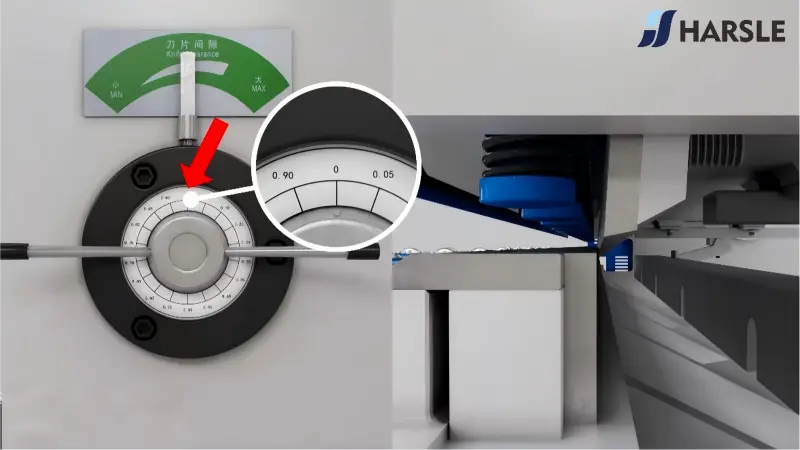
Why Blade Gap Affects Cutting Quality
Blade clearance is the distance between the upper and lower blades during cutting. This setting must match the material type and thickness.
If the clearance is too large, the material may experience excessive deformation and produce large burrs. If the clearance is too small, it can increase blade wear and damage the cutting edges.
How to Adjust Blade Clearance Correctly
Operators should adjust blade clearance according to material thickness and manufacturer recommendations. Regular inspection ensures that the cutting system maintains optimal conditions.
Proper blade clearance adjustment is one of the simplest ways to improve Shearing Machine Cutting Quality.
Hydraulic System Performance Problems
How Hydraulic Pressure Instability Affects Cutting
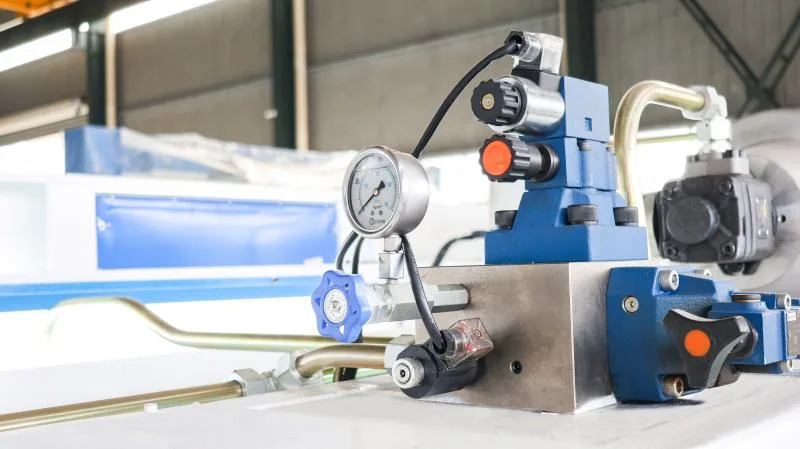
Hydraulic shearing machines rely on stable hydraulic pressure to provide consistent cutting force. Problems such as oil contamination, pump wear, or valve malfunction can cause unstable blade movement.
When hydraulic pressure fluctuates, the machine may produce inconsistent cuts and reduced production efficiency.
Maintaining Hydraulic System Reliability
Regular hydraulic oil inspection, filter replacement, and pressure monitoring help prevent performance issues. A clean and stable hydraulic system supports accurate blade movement and improves long-term cutting quality.
Machine Alignment and Mechanical Wear
Effects of Loose or Misaligned Components
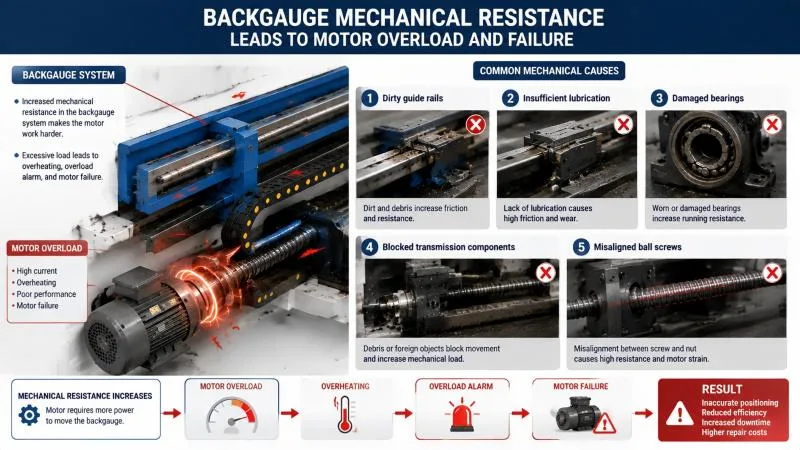
Mechanical components such as guide rails, fasteners, and frames can gradually lose alignment due to vibration and continuous operation.
Misalignment affects the movement accuracy of the cutting system and may cause uneven cutting angles or inconsistent results.
Importance of Regular Machine Inspection
I recommend performing routine inspections of critical mechanical components. Tightening loose connections and correcting alignment problems early can prevent larger accuracy issues.
Material and Operating Factors
Changes in Material Properties
Different materials have different hardness, thickness, and mechanical properties. Processing materials outside the recommended range can reduce cutting quality.
Operators should confirm material specifications and adjust machine parameters accordingly.
Incorrect Operating Parameters
Incorrect settings, improper feeding methods, or excessive cutting speed can also affect the final result.
Training operators to understand machine settings and material requirements helps maintain consistent production quality.
How to Improve Shearing Machine Cutting Quality
Step 1: Inspect and Maintain Cutting Blades
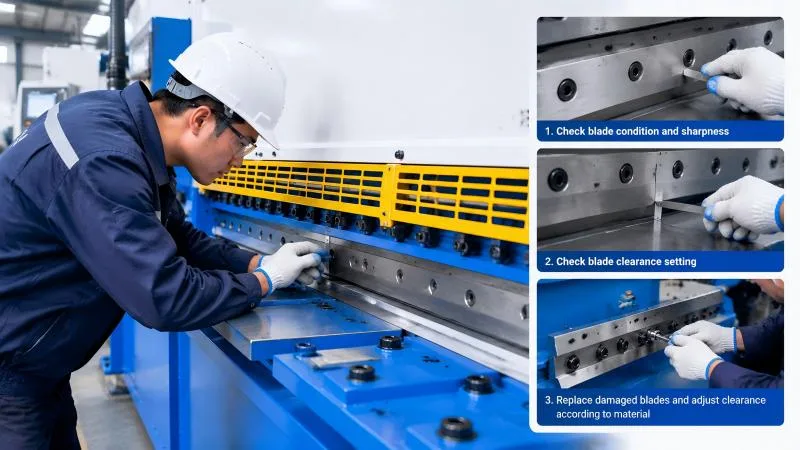
Start by checking blade condition, sharpness, and clearance settings. Replace damaged blades and adjust clearance according to the material being processed.
Step 2: Check Hydraulic System Condition
Inspect hydraulic oil quality, pressure stability, and filter performance. Address contamination or leakage problems immediately to maintain reliable operation.
Step 3: Verify Machine Alignment
Check mechanical components, guides, and fastening points to ensure the machine structure remains stable and accurate.
Step 4: Monitor Cutting Results Regularly
Record cutting quality changes during production. Monitoring burr size, edge condition, and dimensional accuracy helps identify problems early.
FAQ
What are the main reasons for poor Shearing Machine Cutting Quality?
Common causes include worn blades, incorrect blade clearance, hydraulic system problems, mechanical misalignment, and improper operating parameters.
How often should shearing machine blades be replaced?
Blade replacement depends on material type, cutting frequency, and operating conditions. Regular inspection is the best way to determine the correct replacement time.
Can hydraulic oil contamination affect cutting quality?
Yes. Contaminated hydraulic oil can cause unstable pressure and inconsistent blade movement, which directly affects cutting accuracy.
Conclusion
The decline of Shearing Machine Cutting Quality is usually caused by gradual wear, improper adjustment, insufficient maintenance, or unstable operating conditions. By regularly inspecting blades, maintaining hydraulic systems, checking machine alignment, and optimizing operating procedures, manufacturers can restore cutting accuracy and reduce production defects.
A proactive maintenance strategy helps ensure that your shearing machine continues to deliver reliable performance throughout its service life. For more technical guidance on improving machine accuracy and maintenance, feel free to contact our team for professional support.


