


Machine à cisailler Déformation du cadre is a common mechanical issue that can significantly affect cutting precision, blade alignment, and overall machine performance when operating heavy-duty metal cutting equipment. Maintaining structural stability is essential for achieving accurate and consistent cutting results. If you want to understand why frame deformation happens and how to prevent it, you’re in the right place. In this article, I’ll explain the main causes of shearing machine frame deformation, its impact on production quality, and practical maintenance methods to help extend machine service life and maintain reliable cutting performance.
Compréhension Machine à cisailler Déformation du cadre
What Is Shearing Machine Frame Deformation?
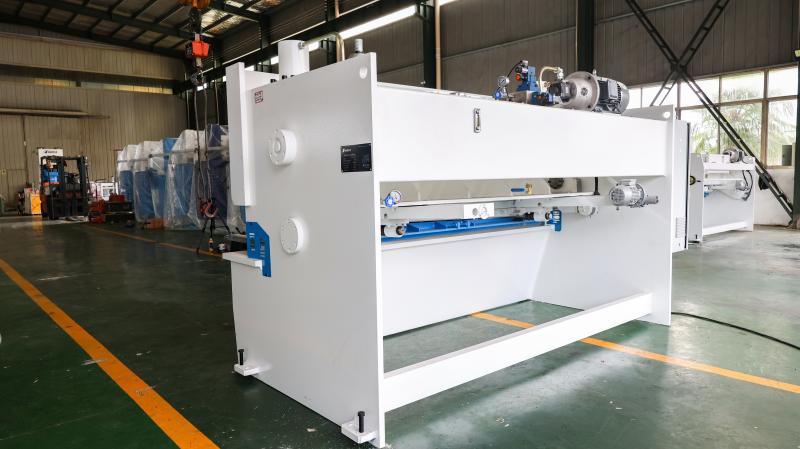
The machine frame is the main structural foundation that supports the cutting system, hydraulic components, and working table. During operation, the frame must withstand large cutting forces while maintaining precise alignment between the upper and lower blades.
Shearing Machine Frame Deformation occurs when the machine structure experiences permanent or temporary distortion caused by excessive stress, improper installation, uneven loading, or long-term mechanical fatigue. Even small deformation can influence blade clearance, cutting angle, and finished product quality.
Why Frame Stability Is Important for Shearing Accuracy
A stable frame ensures that cutting forces are evenly distributed throughout the machine structure. When deformation occurs, the blade gap may become inconsistent, causing issues such as uneven cutting edges, material deformation, increased blade wear, and reduced production efficiency.
For modern hydraulic shearing machines, maintaining frame rigidity is especially important because these machines are designed for high-force cutting operations with strict accuracy requirements.
Main Causes of Shearing Machine Frame Deformation
Excessive Cutting Load and Overcapacity Operation
Operating Beyond Rated Cutting Capacity
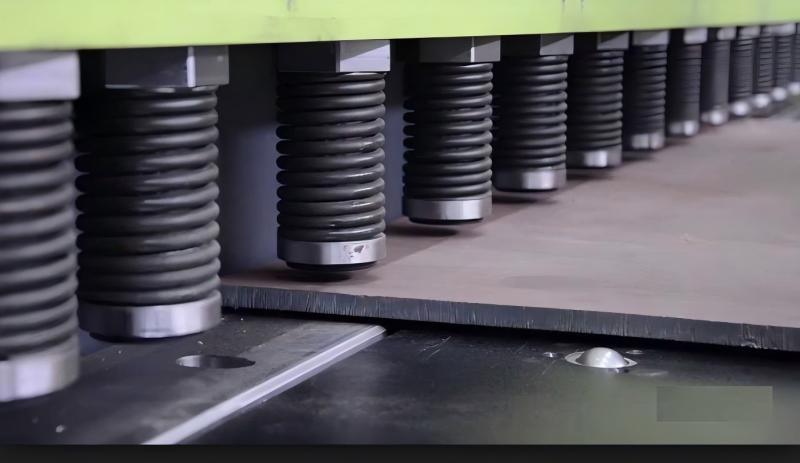
One of the most common causes of frame deformation is repeatedly cutting materials that exceed the machine’s rated thickness or strength capacity.
When the cutting force exceeds the designed structural limit, excessive stress is transferred to the frame, side plates, and supporting components. Over time, this repeated stress can cause permanent deformation.
I always recommend selecting the correct machine capacity based on material type, thickness, and cutting length instead of continuously operating near maximum limits.
Uneven Material Loading During Cutting
Improper material positioning can create uneven force distribution. When one side of the blade receives more load than the other, the frame experiences unbalanced stress.
This uneven loading can gradually affect machine geometry and reduce cutting accuracy.
Improper Machine Installation and Foundation Problems
Uneven Installation Surface
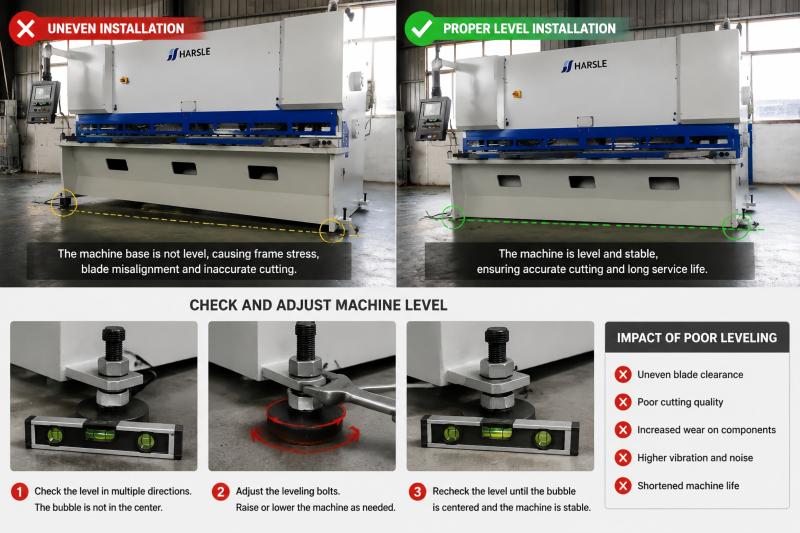
A shearing machine requires a stable and level foundation. If the installation surface is uneven, the frame may experience additional stress even before production begins.
An unstable foundation can cause twisting forces, affecting blade alignment and increasing the possibility of structural deformation.
Incorrect Leveling and Adjustment
During installation, proper leveling is critical. Incorrect leveling may place unnecessary stress on the frame and supporting structures.
I recommend checking machine level regularly, especially after relocation or major maintenance work.
Long-Term Mechanical Stress and Fatigue
Continuous High-Intensity Operation
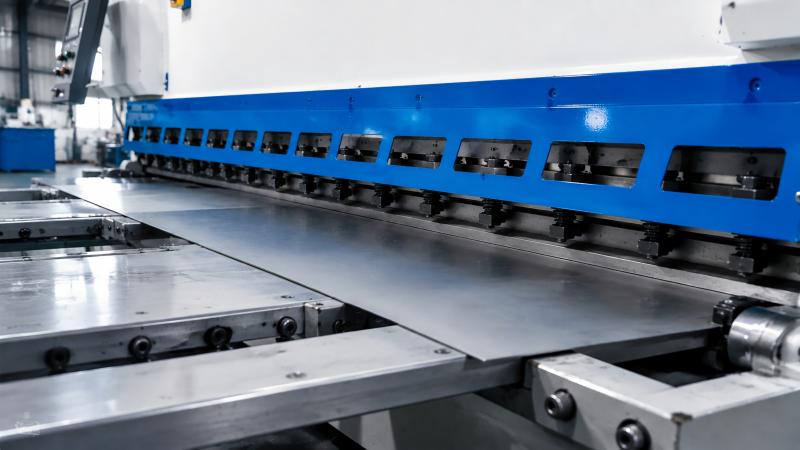
Industrial shearing machines often operate for many hours every day. Repeated loading and unloading cycles create fatigue stress inside the frame structure.
Although each individual cutting cycle may not cause visible damage, thousands of cycles can gradually weaken structural rigidity.
Aging Structural Components
Over time, welded joints, support plates, and connecting components may experience material fatigue. Without regular inspection, small cracks or stress concentration areas can develop into serious structural problems.
Hydraulic System Issues Affecting Frame Stress
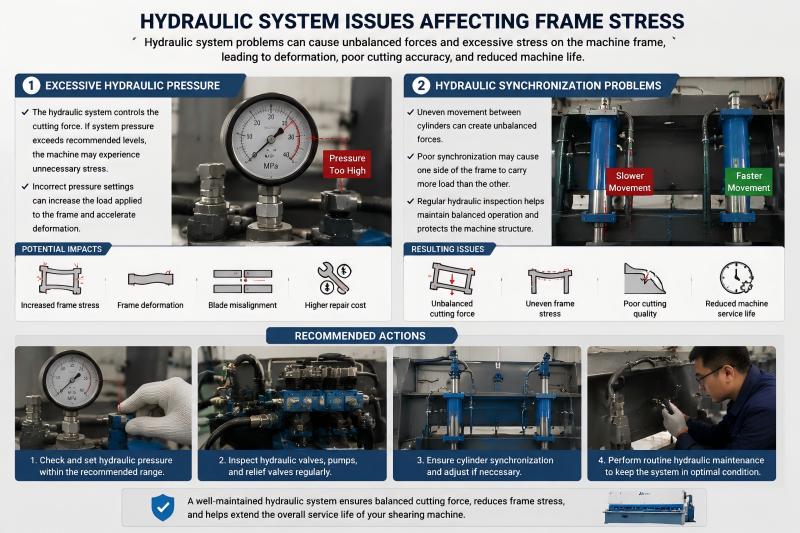
Excessive Hydraulic Pressure
The hydraulic system controls the cutting force of many modern shearing machines. If system pressure exceeds recommended levels, the machine may experience unnecessary stress.
Incorrect pressure settings can increase the load applied to the frame and accelerate deformation.
Hydraulic Synchronization Problems
For hydraulic shearing machines, uneven movement between cylinders can create unbalanced forces. Poor synchronization may cause one side of the frame to carry more load than the other.
Regular hydraulic inspection helps maintain balanced operation and protects the machine structure.
How to Prevent Shearing Machine Frame Deformation
Follow Correct Operating Procedures
Avoid Overloading the Machine
Operators should always follow the recommended cutting specifications. Avoiding excessive thickness and unsuitable materials is one of the most effective ways to prevent frame damage.
Maintain Proper Material Positioning
Before cutting, ensure that the sheet is correctly positioned and evenly supported. Proper loading reduces unnecessary stress on the machine structure.
Perform Regular Structural Inspections
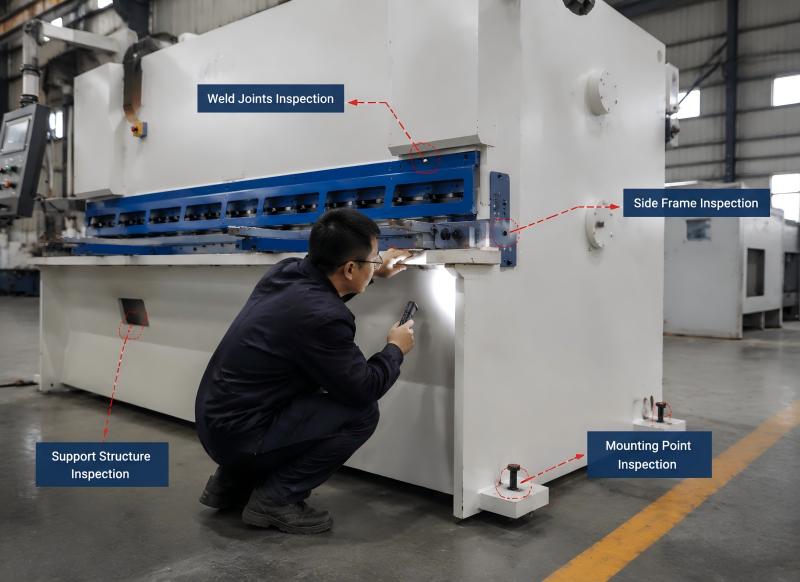
Check Welded Areas and Frame Components
Routine inspections should include checking welded joints, side frames, support structures, and mounting points for cracks or abnormal deformation.
Early detection allows maintenance teams to repair problems before they affect production.
Monitor Blade Alignment and Clearance
Changes in blade clearance may indicate structural problems. Regular measurement helps identify early signs of Shearing Machine Frame Deformation.
Maintain Proper Machine Installation
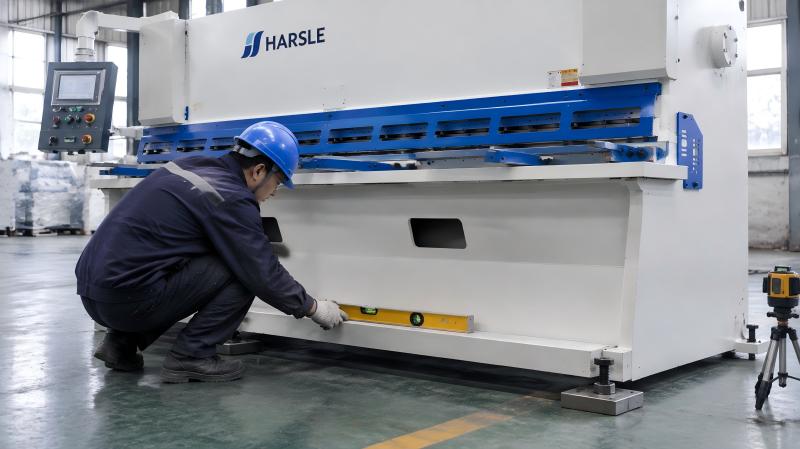
Check Foundation Stability
The machine foundation should remain stable throughout its service life. Any movement or uneven settlement should be corrected immediately.
Re-Level the Machine When Necessary
Periodic leveling checks help maintain structural balance and prevent unnecessary stress accumulation.
Use Preventive Maintenance Strategies
Monitor Machine Performance Data
Tracking cutting accuracy, vibration levels, hydraulic pressure, and component wear helps identify potential structural problems.
Schedule Professional Inspections
Professional maintenance inspections can detect hidden issues that may not be visible during daily operation.
FAQ
What are the signs of Shearing Machine Frame Deformation?
Common signs include inconsistent cutting accuracy, uneven blade clearance, abnormal vibration, material cutting defects, and difficulty maintaining machine alignment.
Can frame deformation be repaired on a shearing machine?
Minor deformation may be corrected through professional adjustment, but severe structural damage may require component replacement or major repair.
How can I prevent shearing machine frame deformation?
Proper operation, regular inspections, correct installation, and preventive maintenance are the most effective methods to reduce deformation risks.
Does excessive cutting thickness cause frame deformation?
Yes. Regularly exceeding the machine’s rated capacity increases structural stress and may accelerate frame deformation.
Conclusion
Understanding the causes of Shearing Machine Frame Deformation helps manufacturers maintain cutting accuracy and extend equipment lifespan. Excessive loads, poor installation, long-term fatigue, and hydraulic problems are common factors that affect frame stability.
By following correct operating procedures, performing regular inspections, and implementing preventive maintenance strategies, you can reduce deformation risks and keep your shearing machine operating reliably.
For more technical guidance, maintenance support, or machine optimization solutions, feel free to contact our team for professional assistance.


