


Shearing Machine Blade Maintenance is one of the most important factors when operators look to improve cutting performance and reduce replacement costs. Proper maintenance is essential because when blades wear out too quickly, the machine loses cutting accuracy, edges become rough, and downtime increases. In this guide, I’ll walk you through practical maintenance methods that help extend blade life, improve cutting quality, and keep your shearing machine running efficiently for a longer period.
Understanding Shearing Machine Blade Wear and Its Causes
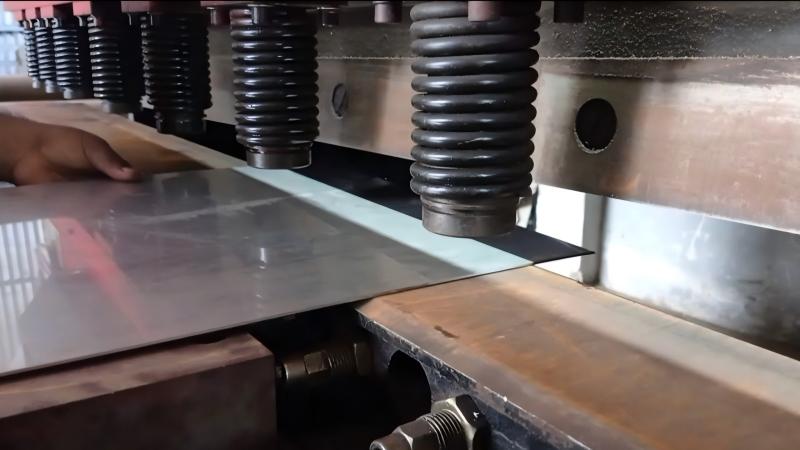
Before you can extend blade life, it’s important to understand why blades wear out in the first place. In most workshops I’ve worked with, blade damage doesn’t happen suddenly—it builds up over time due to operating conditions, material selection, and maintenance habits.
Material Hardness and Cutting Load
Different materials place different levels of stress on the blade. High-strength steel or stainless steel generates more friction and pressure, which accelerates edge wear. If the blade is not properly matched with the material thickness and hardness, the wear rate increases significantly.
Improper Clearance Paramètres
Blade clearance plays a critical role in cutting quality. If the gap between upper and lower blades is too wide or too tight, it creates uneven stress on the cutting edge. This leads to faster dulling and sometimes even chipping of the blade surface.
Lack of Routine Maintenance
One of the most common issues I see is skipping routine Shearing Machine Blade Maintenance. Dust, metal chips, and oil residue build up over time, increasing friction and reducing cutting efficiency.
How to Perform Proper Shearing Machine Blade Maintenance
A structured maintenance routine is the most effective way to extend blade life. Below are the steps I personally recommend for daily and long-term maintenance.
Step 1: Daily Cleaning After Operation
After each working shift, the blade area should be cleaned thoroughly. Metal scraps and dust left on the blade surface can cause micro-damage when the machine is restarted. I always recommend using a soft brush and non-corrosive cleaning solution to remove residues without scratching the blade.
Step 2: Checking Blade Sharpness Regularly
A dull blade does not just reduce cutting quality—it increases machine load. You should inspect the cutting edge regularly for signs of rounding, chipping, or uneven wear. If you notice burrs on the cut material, it’s usually a sign that sharpening is needed.
Step 3: Proper Blade Alignment Adjustment
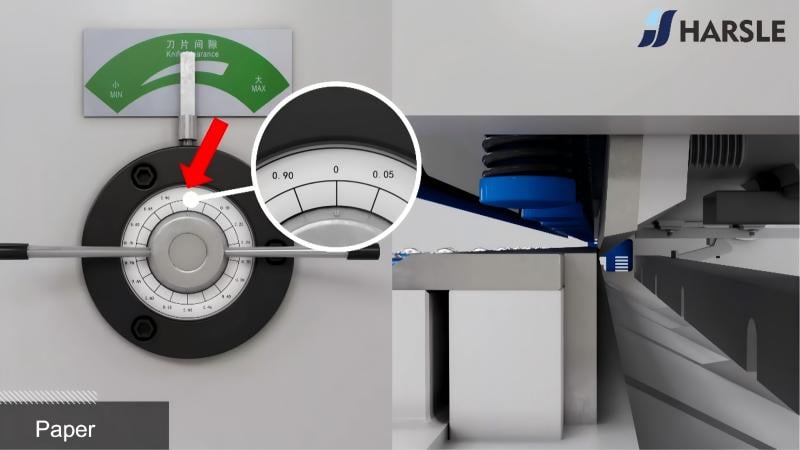
Alignment is often overlooked, but it directly affects blade life. Misalignment causes uneven pressure distribution, leading to one side wearing out faster than the other. During Shearing Machine Blade Maintenance, always verify that both upper and lower blades are parallel and correctly seated.
Step 4: Lubrication of Moving Components
While blades themselves should remain clean and dry, surrounding mechanical parts require proper lubrication. Guide rails, holders, and adjustment screws should be lubricated regularly to ensure smooth motion and reduce vibration during cutting.
Step 5: Scheduled Blade Sharpening and Replacement
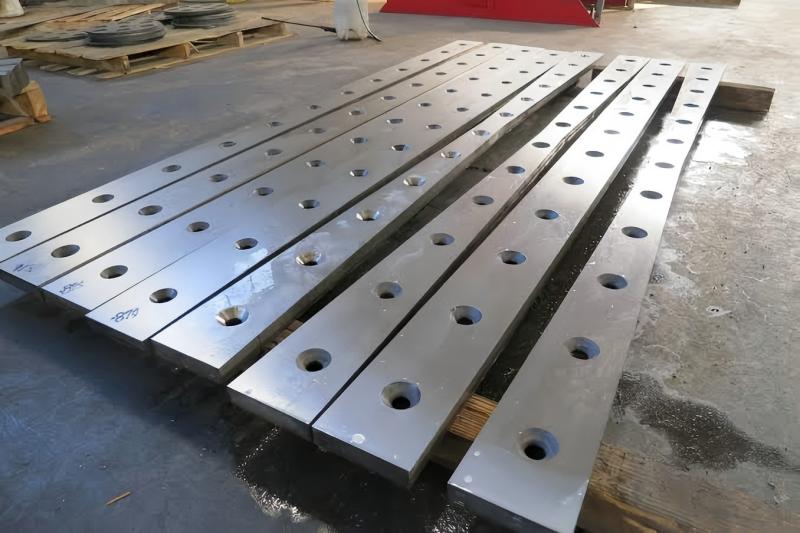
Even with perfect maintenance, blades will eventually dull. Instead of waiting for severe wear, I suggest scheduling sharpening based on usage hours and material type. Over-sharpening should also be avoided, as it reduces blade thickness and overall lifespan.
Best Practices to Extend Blade Life
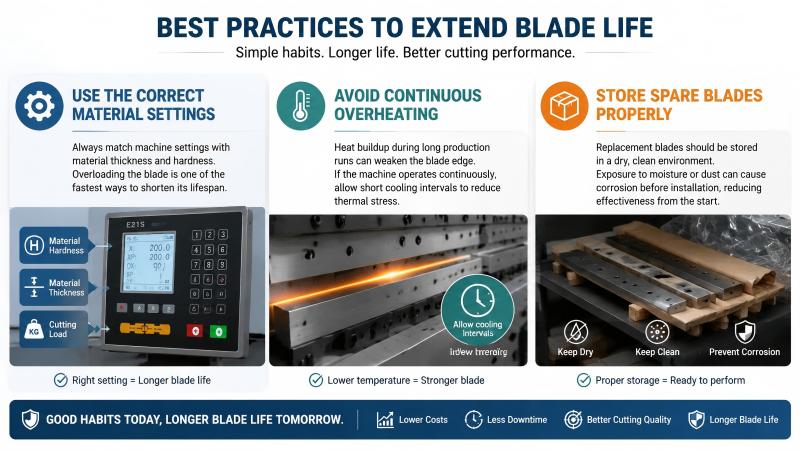
Beyond routine maintenance, there are several operational habits that significantly impact blade durability.
Use the Correct Material Settings
Always match machine settings with material thickness and hardness. Overloading the blade is one of the fastest ways to shorten its lifespan.
Avoid Continuous Overheating
Heat buildup during long production runs can weaken the blade edge. If the machine operates continuously, allow short cooling intervals to reduce thermal stress.
Store Spare Blades Properly
Replacement blades should be stored in a dry, clean environment. Exposure to moisture or dust can cause corrosion before installation, reducing effectiveness from the start.
Common Mistakes in Shearing Machine Blade Maintenance
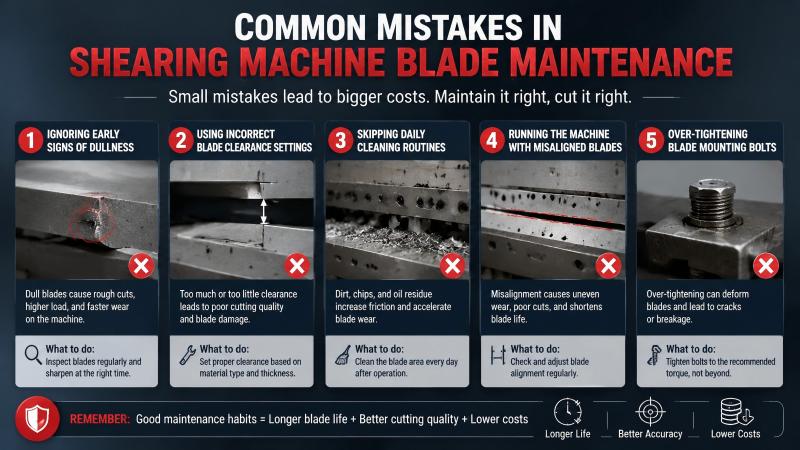
Many operators unintentionally shorten blade life due to simple mistakes:
- Ignoring early signs of dullness
- Using incorrect blade clearance settings
- Skipping daily cleaning routines
- Running the machine with misaligned blades
- Over-tightening blade mounting bolts
Avoiding these mistakes can significantly improve cutting stability and reduce long-term maintenance costs.
FAQ
How often should I perform Shearing Machine Blade Maintenance?
I recommend basic maintenance after every shift and a full inspection at least once a week. Heavy-duty production environments may require more frequent checks.
What is the best way to know if the blade needs sharpening?
If you notice burrs, uneven cuts, or increased cutting force, it’s a clear sign that the blade needs sharpening.
Can blade clearance affect blade life?
Yes, incorrect clearance is one of the main causes of premature wear. Proper adjustment is essential for stable performance and longer blade life.
Conclusion
Approprié Shearing Machine Blade Maintenance is not just about keeping the blade sharp—it’s about protecting the entire cutting system. By following correct cleaning routines, maintaining proper alignment, and avoiding operational mistakes, you can significantly extend blade life and improve cutting precision.
If you need more technical support or want guidance on choosing the right blades for your shearing machine, feel free to contact our HARSLE engineering team. We’re always here to help you improve productivity and reduce maintenance costs.


