


Pressa idraulica Cylinder Movement Problems can seriously affect production efficiency, pressing accuracy, and machine stability. When a hydraulic press cylinder moves slowly, unevenly, stops suddenly, or fails to complete its stroke, the issue is usually related to hydraulic oil conditions, pressure loss, valve problems, cylinder wear, or control system faults. In this guide, I will explain the common causes of cylinder movement problems and provide practical troubleshooting methods to help operators restore smooth and reliable hydraulic press operation.
Quali sono le cause? Pressa idraulica Cylinder Movement Problems?
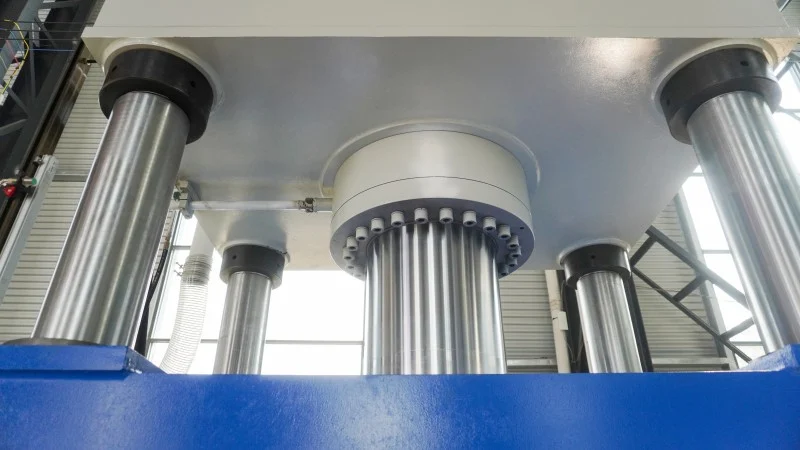
The hydraulic cylinder is one of the most important components of a hydraulic press. It converts hydraulic energy into mechanical movement and directly affects pressing performance. When the cylinder does not move correctly, the entire machine may experience reduced productivity or unstable operation.
Understanding the possible causes helps operators quickly locate the problem and avoid unnecessary downtime.
Insufficient Hydraulic Pressure or Oil Supply
Insufficient hydraulic pressure is one of the most common reasons for cylinder movement issues. When the hydraulic pump cannot provide enough flow or pressure, the cylinder may move slowly or fail to reach the required position.
Possible causes include low hydraulic oil levels, worn hydraulic pumps, clogged filters, or incorrect pressure settings. I recommend checking the hydraulic oil level first and verifying whether the system pressure meets the manufacturer’s specifications.
Air Entering the Hydraulic System
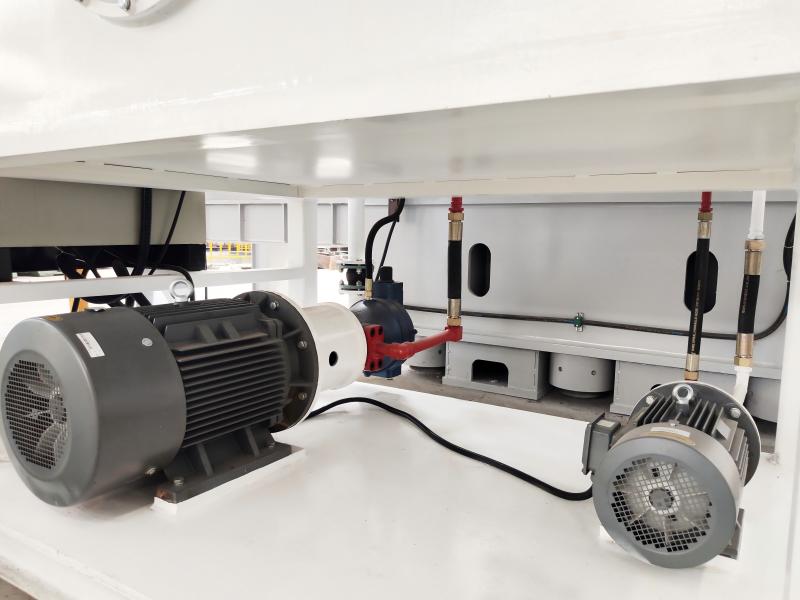
Air trapped inside the hydraulic circuit can cause unstable cylinder movement, vibration, or a jerking motion during operation. This happens because air is compressible, while hydraulic oil should provide stable pressure transmission.
If air enters the system, operators should check for loose pipe connections, damaged seals, or low oil levels. Properly bleeding the hydraulic system can help remove trapped air and restore smooth cylinder movement.
Hydraulic Valve Malfunctions
Hydraulic valves control oil flow direction, pressure regulation, and cylinder movement speed. If a valve becomes contaminated, damaged, or stuck, the hydraulic cylinder may move slowly, stop unexpectedly, or operate unevenly.
Regular valve inspection and cleaning are important parts of hydraulic press maintenance. If a valve cannot operate correctly after cleaning, replacement may be required to restore normal system performance.
How to Troubleshoot Hydraulic Press Cylinder Movement Problems Step by Step
Fase 1: Verificare il livello e la qualità dell'olio idraulico.
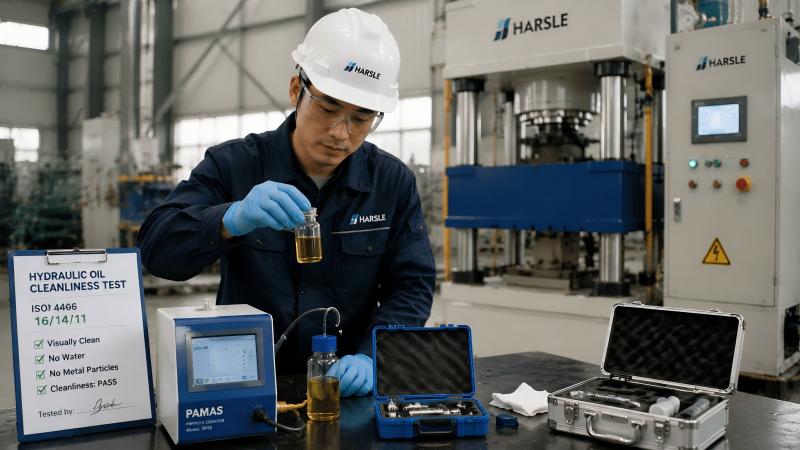
The first step in troubleshooting cylinder movement problems is inspecting the hydraulic oil condition. Low or contaminated oil can reduce hydraulic system efficiency and cause unstable cylinder operation.
I recommend checking the oil level regularly and inspecting the oil for contamination, foam, or unusual color changes. If the oil quality is poor, replace the hydraulic oil and clean or replace the filter according to maintenance requirements.
Clean hydraulic oil helps protect pumps, valves, and cylinders while improving the overall reliability of the hydraulic press.
Fase 2: ispezionare le prestazioni della pompa idraulica
The hydraulic pump provides the power required for cylinder movement. A worn or damaged pump may produce insufficient flow, causing slow movement or loss of pressing force.
During inspection, check for abnormal noise, overheating, pressure fluctuations, or reduced output. Measuring system pressure and flow rate can help determine whether the hydraulic pump is operating correctly.
If the pump shows signs of serious wear, professional repair or replacement may be necessary.
Step 3: Check Cylinder Seals and Internal Components
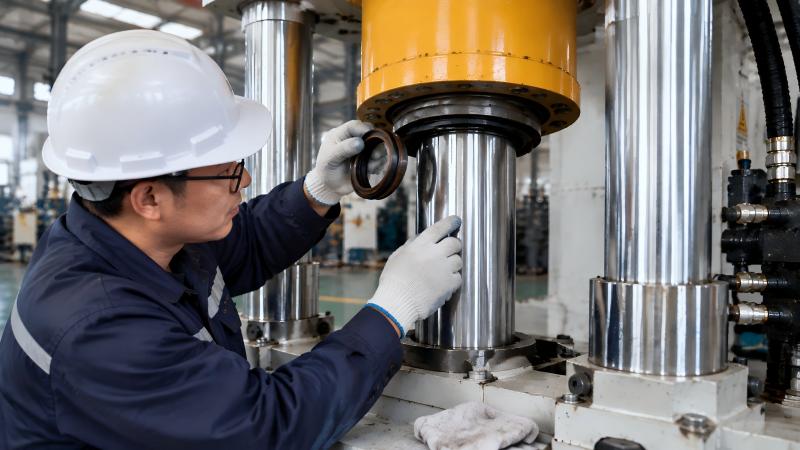
Damaged cylinder seals can cause internal oil leakage, reducing the force and stability of cylinder movement. Common signs include slow cylinder operation, oil leakage around the piston rod, or difficulty maintaining pressure.
Inspect the cylinder seals, piston rod surface, and sealing areas carefully. Replace damaged seals and check for scratches or deformation on the rod surface that could affect new seals.
Proper cylinder maintenance is essential for maintaining accurate and consistent hydraulic press performance.
Step 4: Inspect Hydraulic Valves and Control Components
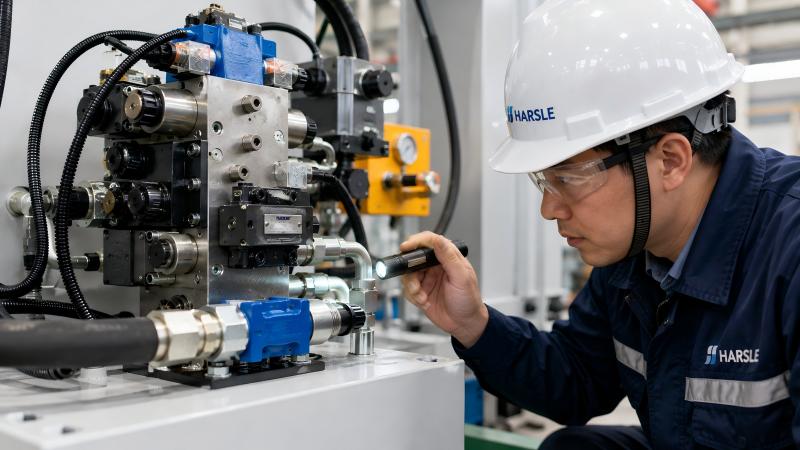
If the hydraulic cylinder still does not move smoothly after checking oil and pressure conditions, inspect the valves and control components.
Check whether directional valves, pressure valves, and flow control valves are operating correctly. Dirt or metal particles inside the hydraulic system may block valve movement and affect cylinder response.
Cleaning the hydraulic circuit and maintaining proper filtration can help prevent repeated valve-related failures.
How to Prevent Hydraulic Press Cylinder Movement Problems?
Perform Regular Hydraulic System Maintenance
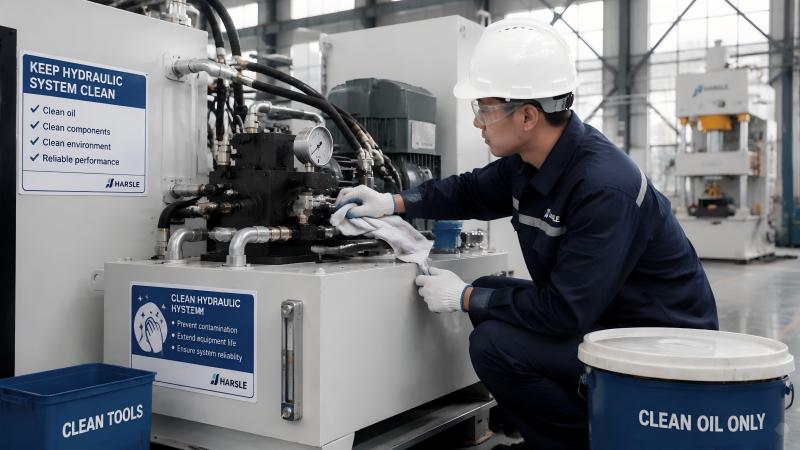
Preventive maintenance is the best way to reduce unexpected cylinder movement issues. I suggest creating a regular maintenance plan that includes checking hydraulic oil, filters, valves, seals, and pressure levels.
Routine inspections allow operators to identify small problems before they develop into major failures.
Maintain Proper Lubrication and Clean Working Conditions
A clean operating environment helps protect hydraulic components from contamination. Dust, metal particles, and external debris can enter the hydraulic system and accelerate component wear.
Keeping the machine clean and maintaining proper lubrication can extend the service life of hydraulic cylinders and related components.
Monitor Cylinder Performance During Operation
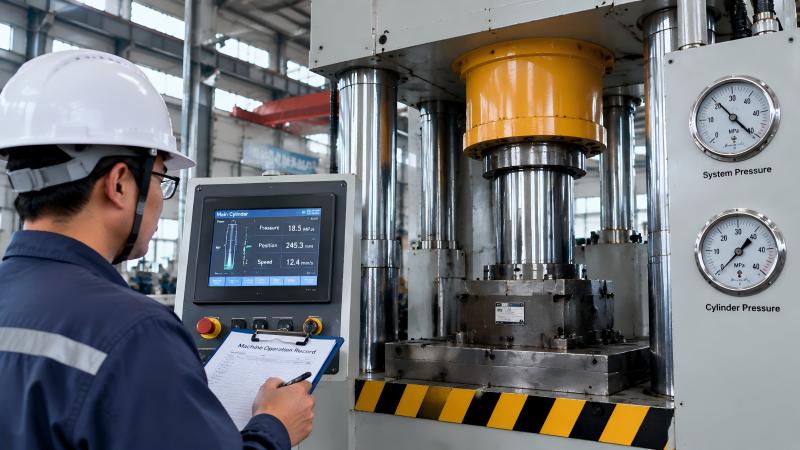
Operators should pay attention to changes in cylinder movement, including unusual noise, vibration, slower cycle times, or inconsistent pressing results.
Recording machine performance and maintenance history helps identify repeated problems and improves troubleshooting efficiency.
Common Hydraulic Press Cylinder Movement Problems and Solutions
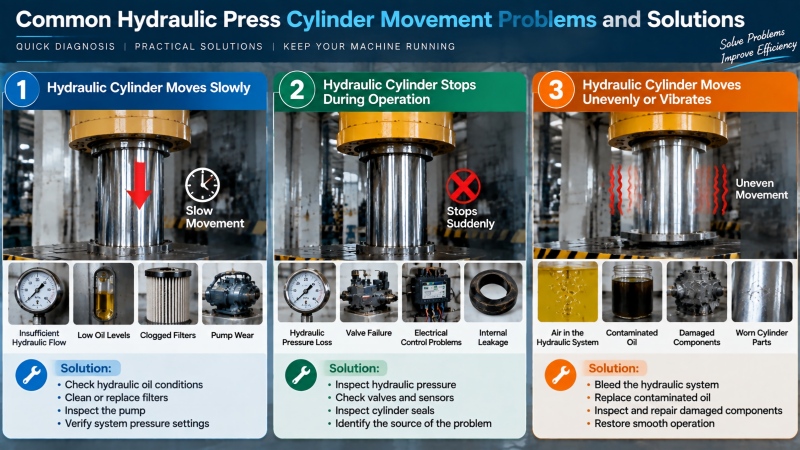
Hydraulic Cylinder Moves Slowly
Slow cylinder movement is often caused by insufficient hydraulic flow, low oil levels, clogged filters, or pump wear.
The solution is to check hydraulic oil conditions, clean or replace filters, inspect the pump, and verify system pressure settings.
Hydraulic Cylinder Stops During Operation
A cylinder that stops suddenly may be caused by hydraulic pressure loss, valve failure, electrical control problems, or internal leakage.
Operators should inspect hydraulic pressure, valves, sensors, and cylinder seals to identify the source of the problem.
Hydraulic Cylinder Moves Unevenly or Vibrates
Uneven movement is commonly related to air in the hydraulic system, contaminated oil, or damaged hydraulic components.
Bleeding the system, replacing contaminated oil, and inspecting internal components can help restore smooth operation.
Domande frequenti
What are the main causes of hydraulic press cylinder movement problems?
Common causes include insufficient hydraulic pressure, low oil levels, air in the hydraulic system, valve failures, worn pumps, and damaged cylinder seals.
Why does my hydraulic press cylinder move slowly?
Slow movement may be caused by restricted oil flow, clogged filters, pump wear, or incorrect pressure settings. Checking the hydraulic system step by step can help identify the issue.
How can I make my hydraulic press cylinder move smoothly?
Maintaining clean hydraulic oil, removing trapped air, inspecting valves, and replacing worn components can improve cylinder movement stability.
Conclusione
Solving Hydraulic Press Cylinder Movement Problems requires a systematic approach, including checking hydraulic oil, inspecting pumps, evaluating valves, and maintaining cylinder components. Regular maintenance and early troubleshooting can prevent production interruptions, improve machine reliability, and extend hydraulic press service life.
At HARSLE, we provide professional hydraulic press solutions and technical support to help customers maintain stable and efficient production. For more troubleshooting guidance or maintenance information, contact our engineering team or explore additional hydraulic press documentation.


