


Pressa idraulica Oil Overheating is a common issue that can reduce machine efficiency, affect pressing accuracy, and shorten the service life of hydraulic components. If you are experiencing high oil temperature, slow machine operation, or unstable pressure, the hydraulic system may require inspection. In this article, I will explain the main causes of hydraulic press oil overheating, how to troubleshoot the problem, and what maintenance methods can help keep your hydraulic press operating reliably.
Quali sono le cause? Pressa idraulica Oil Overheating During Operation?
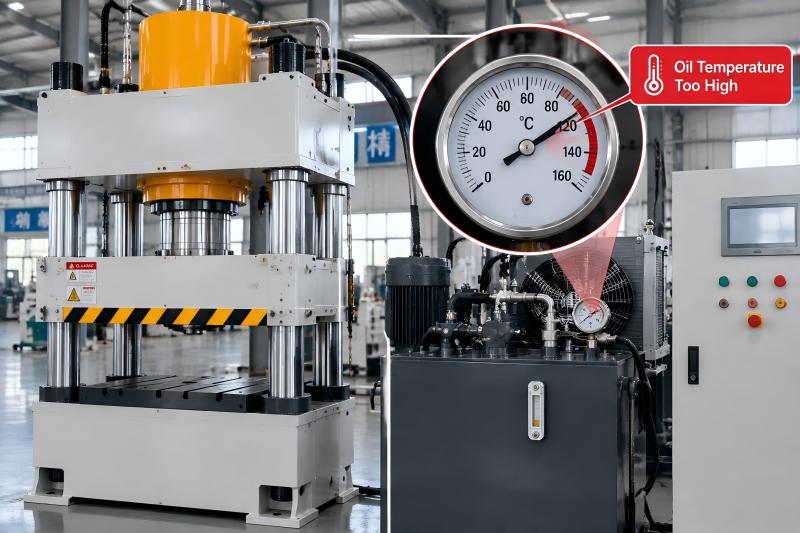
Hydraulic oil temperature naturally increases during machine operation because energy losses in the hydraulic system are converted into heat. However, when the temperature exceeds the recommended range, it usually indicates that the system is not working efficiently.
Understanding the causes of overheating helps operators take corrective actions before serious damage occurs. Common reasons include insufficient cooling, excessive hydraulic pressure, oil contamination, incorrect oil selection, and component wear.
How Does the Hydraulic Cooling System Affect Oil Temperature?
Check Hydraulic Oil Cooler Performance
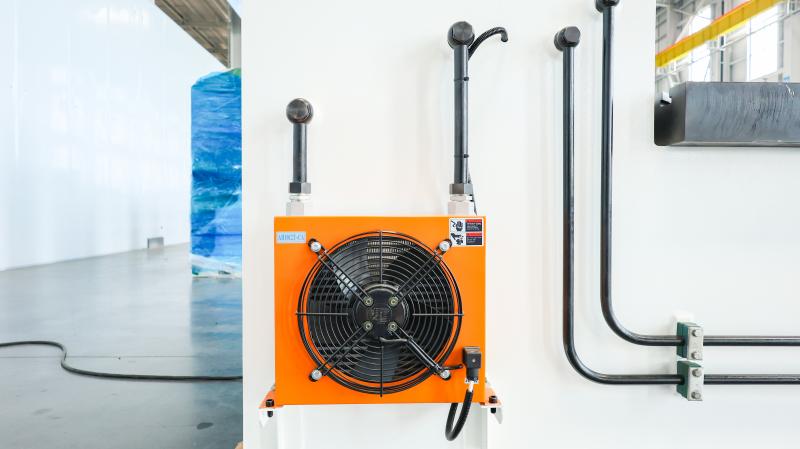
The hydraulic oil cooler plays an important role in controlling system temperature. If the cooler cannot remove enough heat, the oil temperature will continue to rise during long-term operation.
I recommend checking whether the cooler surface is blocked by dust, metal particles, or other debris. A dirty cooler reduces heat transfer efficiency and may cause Hydraulic Press Oil Overheating problems.
Operators should also inspect cooling fans, water flow systems, and temperature control devices to ensure they are working correctly.
Improve Ventilation Around the Hydraulic Press
The installation environment can directly affect hydraulic system cooling performance. A hydraulic press installed in a poorly ventilated area may experience higher oil temperatures because heat cannot escape effectively.
Maintaining enough space around the machine and keeping ventilation openings clean can improve airflow and reduce unnecessary heat accumulation.
Can Hydraulic Oil Problems Cause Overheating?
Check Hydraulic Oil Level and Oil Quality
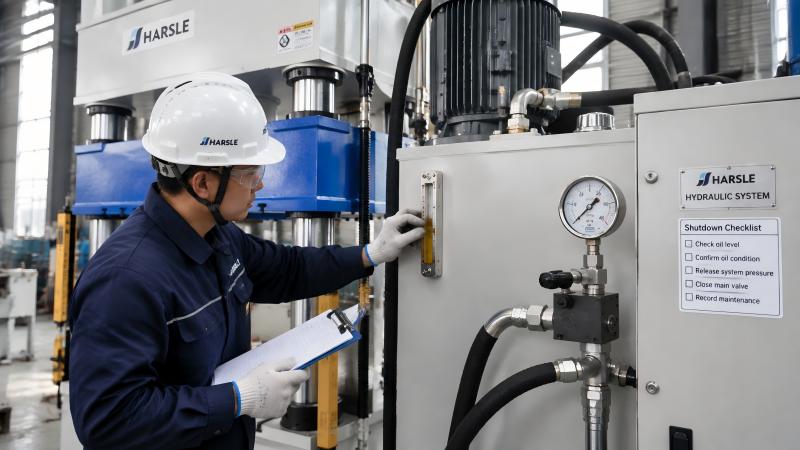
Incorrect oil level is one of the common causes of hydraulic press overheating. If the oil level is too low, the hydraulic pump may draw air into the system, increasing friction and generating additional heat.
I recommend checking the hydraulic oil level regularly and filling it according to the manufacturer’s specifications.
Oil quality is equally important. Contaminated or aged hydraulic oil loses its lubrication ability and increases wear between internal components. Regular oil inspection and replacement help maintain stable hydraulic performance.
Use the Correct Hydraulic Oil Type
Using unsuitable hydraulic oil can also lead to excessive temperature increases. Different hydraulic presses may require specific oil viscosity grades depending on working conditions and operating environments.
I always suggest using the recommended hydraulic oil type and avoiding mixing different oils, as this may affect system performance and accelerate component wear.
How Can Hydraulic System Pressure Problems Lead to Oil Overheating?
Inspect Excessive System Pressure
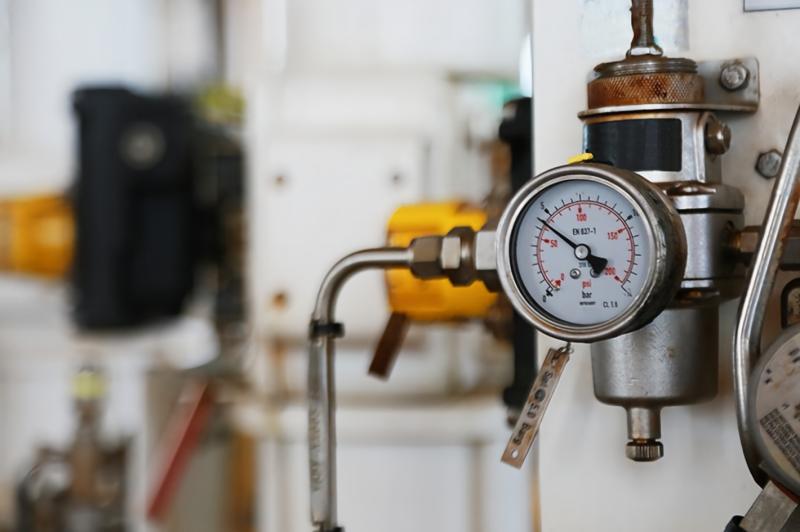
When the hydraulic system operates at higher pressure than required, the pump consumes more energy and generates additional heat.
Operators should check pressure settings and confirm that the relief valve and control valves are adjusted correctly. Incorrect pressure parameters can cause unnecessary energy loss and increase oil temperature.
Check Hydraulic Valve and Pump Conditions
Worn hydraulic pumps or malfunctioning valves may create internal leakage. When hydraulic oil passes through damaged components, energy is converted into heat, causing temperature increases.
If the machine shows symptoms such as slow movement, abnormal noise, or unstable pressure, I recommend inspecting the hydraulic pump, valves, and related components.
How to Prevent Hydraulic Press Oil Overheating Problems?
Perform Regular Hydraulic Press Maintenance
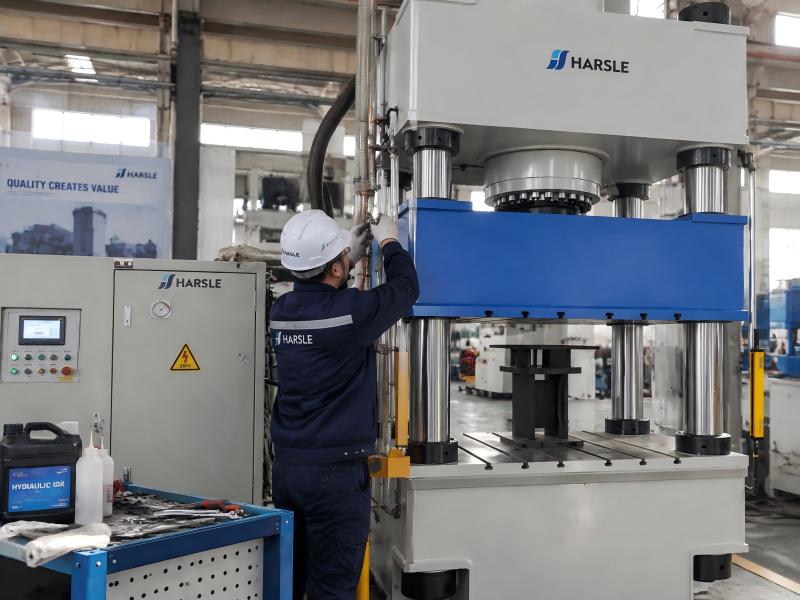
Preventive maintenance is one of the most effective ways to avoid overheating issues. A regular maintenance plan should include checking oil quality, cleaning filters, inspecting cooling systems, and monitoring hydraulic pressure.
I recommend recording maintenance activities and operating conditions because this information helps identify repeated temperature problems and improve troubleshooting efficiency.
Clean Hydraulic Filters Regularly
Blocked filters can restrict oil flow and increase pressure losses inside the hydraulic system. As a result, the hydraulic pump works harder and generates more heat.
Cleaning or replacing hydraulic filters according to the maintenance schedule ensures smooth oil circulation and reduces the risk of overheating.
Monitor Oil Temperature During Production
Continuous monitoring allows operators to detect abnormal temperature changes early. If oil temperature gradually increases during normal operation, it may indicate a developing problem.
Installing temperature monitoring equipment or checking the machine display regularly helps operators respond quickly before overheating causes major failures.
Domande frequenti
What is the normal operating temperature of hydraulic press oil?
The recommended operating temperature depends on the hydraulic system design and oil specifications. In general, operators should follow the manufacturer’s guidelines and avoid continuous operation at excessively high temperatures.
Why does my hydraulic press oil heat up quickly?
Fast oil temperature increases may be caused by poor cooling performance, incorrect oil level, excessive pressure settings, contaminated oil, or hydraulic component wear. Checking these areas can help identify the root cause.
Can dirty hydraulic oil cause Hydraulic Press Oil Overheating?
Yes. Contaminated oil increases friction, reduces lubrication performance, and may damage pumps and valves. Regular oil inspection and replacement can help prevent overheating.
Conclusione
Hydraulic oil overheating can affect machine reliability, production efficiency, and component life. By understanding the causes of Hydraulic Press Oil Overheating, operators can take effective actions such as improving cooling performance, maintaining proper oil conditions, checking pressure settings, and performing regular inspections.
At HARSLE, we provide professional hydraulic press solutions and technical support to help customers maintain stable machine performance. If you need further assistance with hydraulic press maintenance or troubleshooting, please contact our engineering team or explore more related documentation for additional guidance.


