


Pressa idraulica Repeated Failure can seriously affect production efficiency, increase maintenance costs, and shorten equipment service life. If your hydraulic press keeps experiencing the same problems after repairs, I recommend investigating the underlying causes rather than repeatedly replacing damaged components. Recurring failures often involve hydraulic contamination, unstable pressure, electrical faults, or improper maintenance. In this guide, I’ll explain the common causes of repeated hydraulic press failures, how to diagnose them step by step, and practical ways to prevent unexpected machine downtime.
Quali sono le cause? Pressa idraulica Repeated Failure?
Hydraulic Oil Contamination and Poor Maintenance
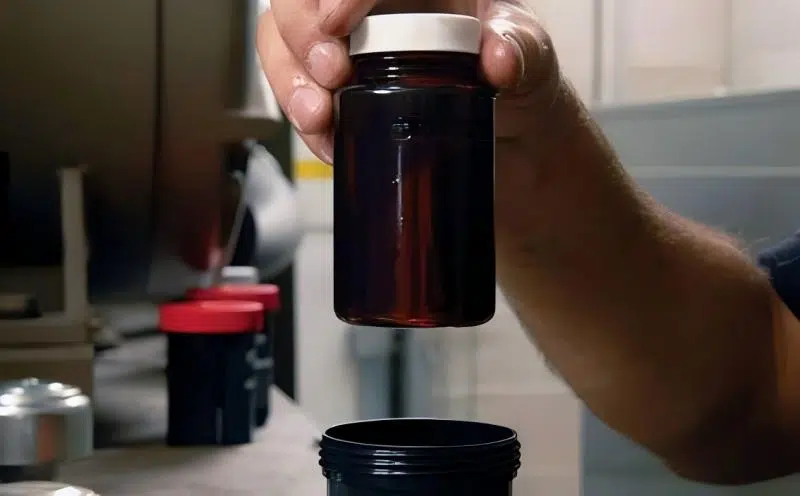
Contaminated hydraulic oil is a common cause of recurring hydraulic system problems.
Metal particles, moisture, and dirt can damage hydraulic pumps, valves, and cylinder seals. Even after replacing damaged components, contaminated oil may cause the same failure to occur again.
I recommend checking hydraulic oil cleanliness, filter condition, and maintenance records whenever similar hydraulic faults repeatedly appear.
Unstable Hydraulic Pressure and Internal Leakage
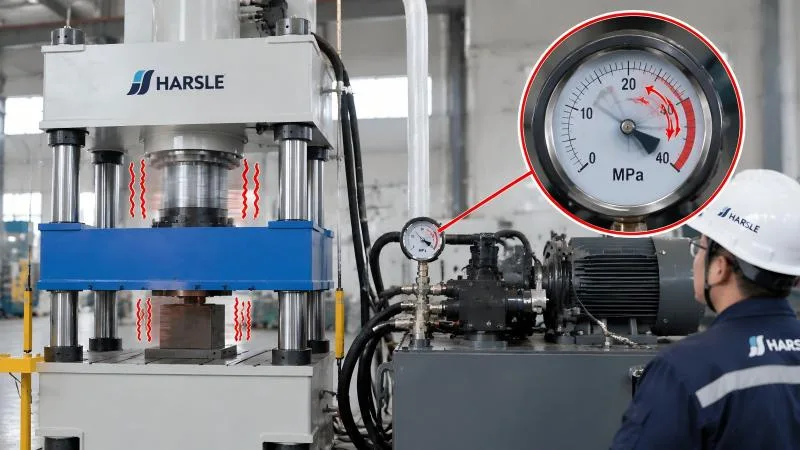
Pressure instability can cause inconsistent machine performance and repeated component failures.
Worn seals, defective relief valves, damaged pumps, and internal cylinder leakage may prevent the system from maintaining the required operating pressure.
Repeated pressure fluctuations can also accelerate component wear and reduce pressing accuracy.
Problemi del sistema elettrico e di controllo
Hydraulic presses rely on electrical components and control systems to coordinate machine movements.
Loose wiring, damaged sensors, faulty relays, and unstable power supplies may cause intermittent machine failures.
PLC alarms or incorrect control parameters can also trigger repeated interruptions, even when the hydraulic components appear normal.
Mechanical Wear and Improper Operation
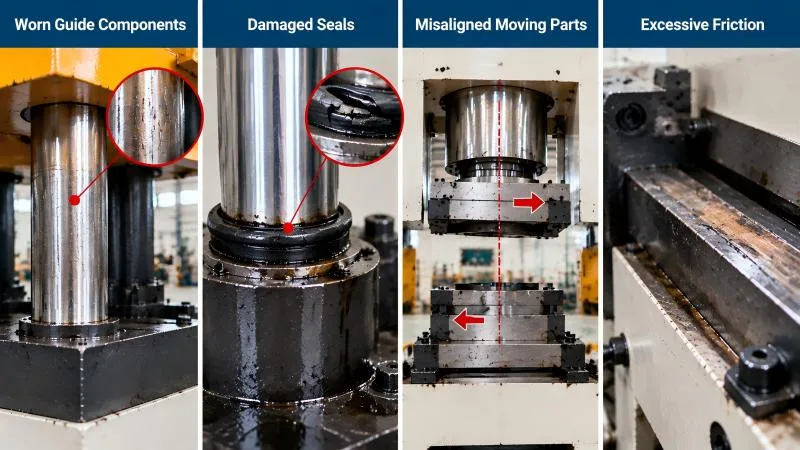
Worn guide rails, loose connections, poor alignment, and excessive loading can contribute to recurring mechanical problems.
Operating the hydraulic press beyond its rated capacity may accelerate wear and increase the risk of equipment damage.
How to Diagnose Hydraulic Press Repeated Failure Step by Step
Step 1: Review Previous Failure and Maintenance Records
I recommend starting with the machine’s maintenance history.
Check which components were previously repaired or replaced and determine whether the same symptoms have returned.
Record failure frequency, operating conditions, alarm messages, and affected machine functions.
Identifying patterns helps distinguish isolated component failures from underlying system problems.
Step 2: Inspect Hydraulic Oil and Filtration Systems
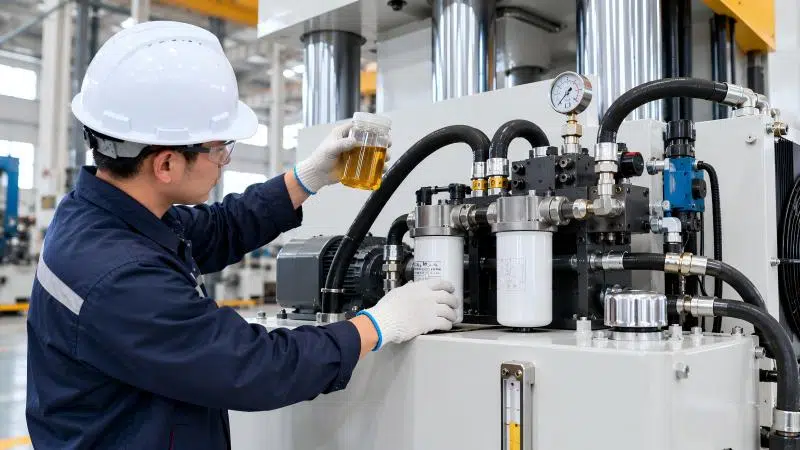
Check hydraulic oil condition, oil level, and filter performance.
Look for contamination, abnormal discoloration, moisture, or metal particles.
If contamination is suspected, arrange an oil analysis to determine cleanliness and identify possible sources of wear.
Simply replacing damaged components without addressing contamination may result in repeated failures.
Step 3: Check Hydraulic Pressure and Component Performance
Qualified technicians should measure hydraulic pressure under specified operating conditions.
Compare actual readings with the manufacturer’s recommended values.
Inspect pumps, pressure valves, cylinders, and seals for internal leakage or abnormal operation.
Before servicing hydraulic components, isolate the equipment, release stored pressure, and secure moving parts according to approved safety procedures.
Step 4: Diagnose Electrical and Control System Faults
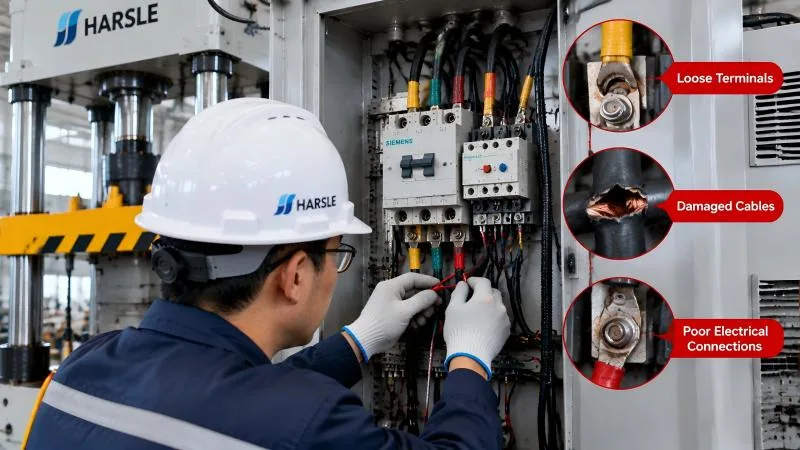
Inspect electrical connections, sensors, relays, and control system alarms.
Check whether the PLC receives correct input signals and whether the machine responds consistently to operating commands.
I recommend reviewing alarm histories before resetting faults or changing control parameters.
Never bypass safety interlocks or modify safety circuits during troubleshooting.
Step 5: Identify Root Causes and Verify Repairs
After collecting inspection results, determine why the original failure occurred.
For example, repeated pump damage may result from contaminated oil, suction restrictions, or incorrect operating conditions.
Correct the underlying problem before replacing affected components.
Finally, perform controlled functional tests and confirm that the machine operates within specified limits before resuming production.
How to Prevent Repeated Hydraulic Press Failures?
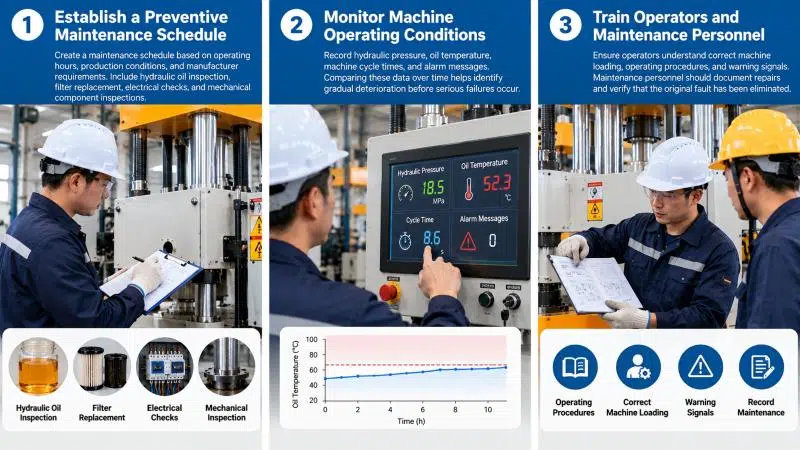
Stabilire un programma di manutenzione preventiva
I recommend creating a maintenance schedule based on machine operating hours, production conditions, and manufacturer requirements.
Include hydraulic oil inspection, filter replacement, electrical checks, and mechanical component inspections.
Monitor Machine Operating Conditions
Record hydraulic pressure, oil temperature, machine cycle times, and recurring alarm messages.
Comparing these measurements over time helps identify gradual deterioration before serious failures occur.
Train Operators and Maintenance Personnel
Ensure operators understand correct machine loading, operating procedures, and warning signals.
Maintenance personnel should document repairs and verify that the original fault has been eliminated.
Domande frequenti
What Are the Main Causes of Hydraulic Press Repeated Failure?
Common causes include contaminated hydraulic oil, unstable pressure, internal leakage, electrical faults, mechanical wear, and unresolved maintenance problems.
Why Does My Hydraulic Press Keep Failing After Repairs?
Repeated failures often occur when damaged components are replaced without identifying the underlying cause, such as contamination, excessive loading, or incorrect system settings.
How Can I Reduce Hydraulic Press Breakdown Frequency?
I recommend regular inspections, oil condition monitoring, proper operating procedures, and systematic root cause analysis after significant failures.
Conclusione
Diagnosing Hydraulic Press Repeated Failure requires more than replacing damaged components. By reviewing maintenance records, inspecting hydraulic and electrical systems, identifying root causes, and verifying repairs, manufacturers can reduce recurring breakdowns and improve production reliability.
Regular preventive maintenance and accurate fault records are essential for extending hydraulic press service life and minimizing unexpected downtime.


