


Hydraulic Power Unit Maintenance is essential for keeping press machines operating efficiently, safely, and consistently during industrial production. The hydraulic power unit provides the pressure and flow required for machine movement, and any issue with pumps, valves, filters, or hydraulic oil can directly affect pressing performance. If you want to reduce unexpected downtime, prevent hydraulic failures, and extend the service life of your press machine, you are in the right place. In this article, I’ll explain practical maintenance methods, inspection procedures, and preventive measures to help you keep your hydraulic power unit working reliably.
Perché Idraulico Power Unit Maintenance Is Important
Il ruolo di Idraulico Power Units in Press Machines
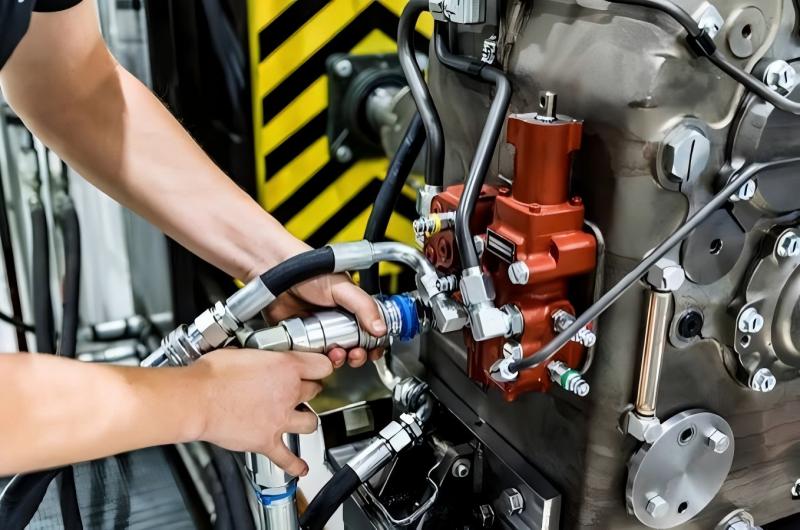
A hydraulic power unit is the core energy source of many industrial press machines. It consists of important components such as hydraulic pumps, motors, oil tanks, valves, filters, pressure gauges, and cooling systems.
During operation, the power unit converts mechanical energy into hydraulic pressure, allowing the press machine to generate controlled and stable force. If the hydraulic power unit is not properly maintained, problems such as pressure instability, slow movement, overheating, and unexpected shutdowns may occur.
Regolare Hydraulic Power Unit Maintenance helps maintain system efficiency, protect critical components, and ensure reliable machine performance.
Common Problems Caused by Poor Maintenance
Without proper maintenance, hydraulic power units may experience several common failures:
- Contaminazione dell'olio idraulico
- Reduced system pressure
- Pump wear and abnormal noise
- Valve sticking or slow response
- Oil leakage from seals and connections
- Excessive operating temperature
Identifying these problems early allows operators to take corrective actions before they lead to costly repairs or production interruptions.
How to Perform Hydraulic Power Unit Maintenance Step by Step
Step 1: Check Hydraulic Oil Condition and Level
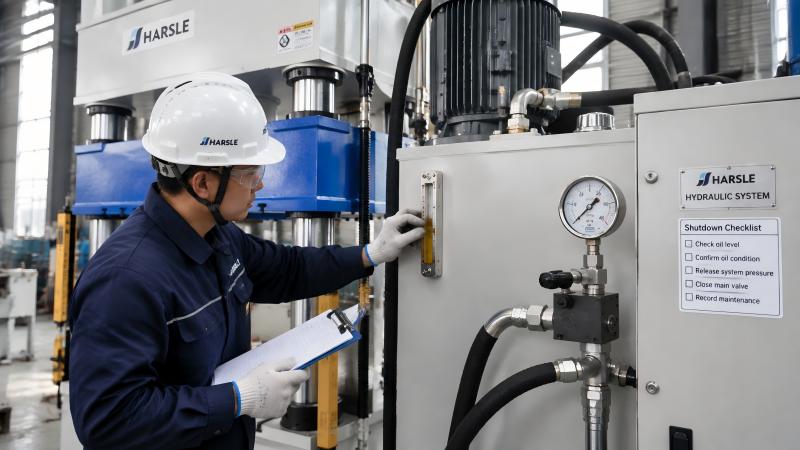
Hydraulic oil is one of the most important factors affecting hydraulic system performance. I always recommend checking oil condition regularly because contaminated or degraded oil can damage pumps, valves, and seals.
During inspection, check:
- Hydraulic oil level in the tank
- Oil color and clarity
- Signs of water contamination
- Metal particles or dirt inside the oil
If the oil appears dark, cloudy, or contains visible contaminants, it may need filtration or replacement. Maintaining proper oil cleanliness is one of the most effective ways to improve hydraulic power unit reliability.
Step 2: Inspect and Replace Hydraulic Filters
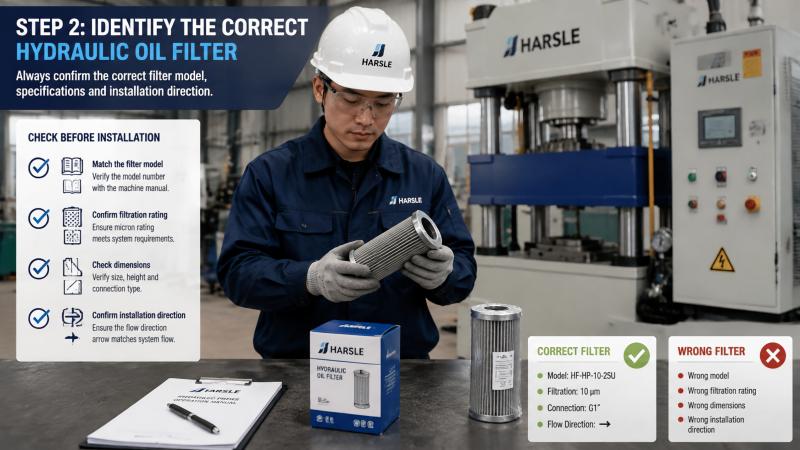
Hydraulic filters protect the system by removing contaminants from the oil. However, clogged filters can restrict oil flow and increase pressure losses.
I recommend checking filter indicators regularly and replacing filter elements according to machine operating hours and working conditions.
A clean filtration system helps protect hydraulic pumps, valves, and cylinders from premature wear. During Hydraulic Power Unit Maintenance, filter inspection should always be included in the routine checklist.
Step 3: Inspect Hydraulic Pumps and Motors
The hydraulic pump is responsible for generating system pressure, making it one of the most critical components in the power unit.
Durante l'ispezione verifico:
- Abnormal operating noise
- Excessive vibration
- Reduced pressure output
- Oil leakage around the pump shaft
- Unusual temperature increases
If the pump produces abnormal sounds or cannot maintain stable pressure, it may indicate internal wear or insufficient lubrication.
Early inspection can prevent major pump failures and reduce repair costs.
Step 4: Check Hydraulic Valves and Pressure Control Components
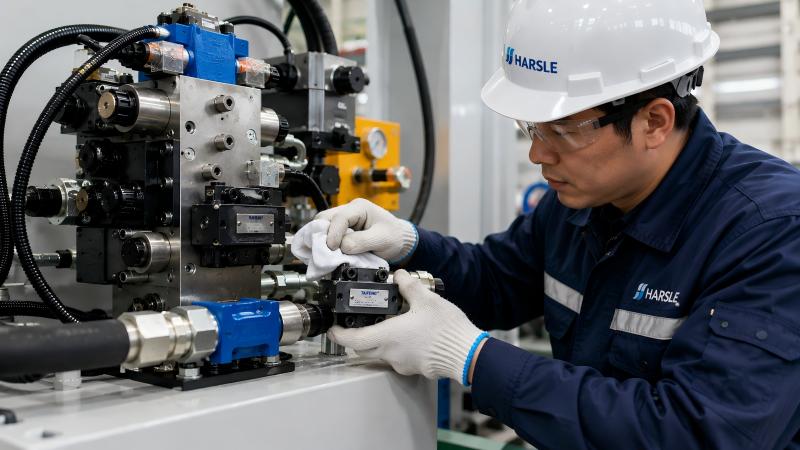
Hydraulic valves control oil direction, pressure, and flow. Contamination, wear, or improper adjustment can affect machine operation.
I recommend checking:
- Pressure relief valves
- Directional control valves
- Flow control valves
- Solenoid valves
Make sure valves respond correctly and do not show signs of leakage or sticking. Proper valve maintenance ensures smooth press movement and stable hydraulic performance.
Step 5: Inspect Hydraulic Hoses, Fittings, and Seals
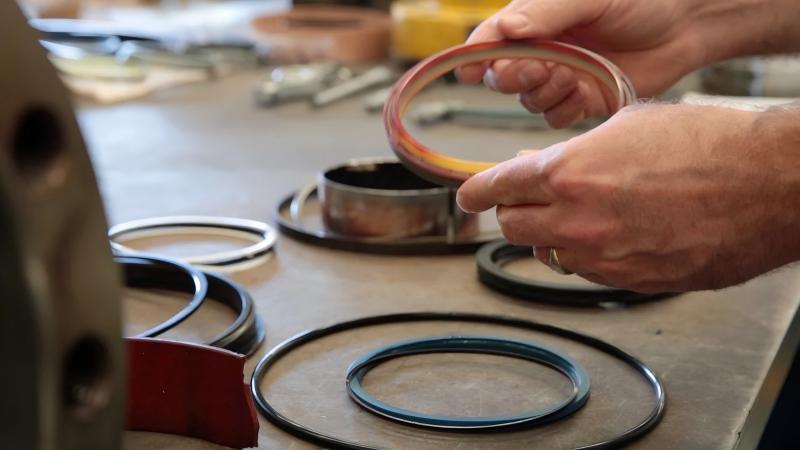
Hydraulic leaks are common issues in press machine systems. Small leaks may gradually reduce system efficiency and create safety risks.
During maintenance, carefully inspect:
- Hydraulic hoses for cracks or damage
- Fittings for looseness
- Seals for aging or deformation
- Connection points for oil leakage
Replacing damaged components immediately helps prevent oil loss and unexpected system failures.
Step 6: Monitor Hydraulic Temperature and Cooling Performance
Excessive hydraulic oil temperature can accelerate oil oxidation and reduce component lifespan. A properly working cooling system is necessary for maintaining stable operating conditions.
I recommend monitoring oil temperature during production and checking:
- Ventole di raffreddamento
- Heat exchangers
- Ventilation conditions
- Oil circulation performance
If the hydraulic system frequently overheats, investigate the root cause instead of only adding cooling measures.
Step 7: Keep the Hydraulic Power Unit Clean
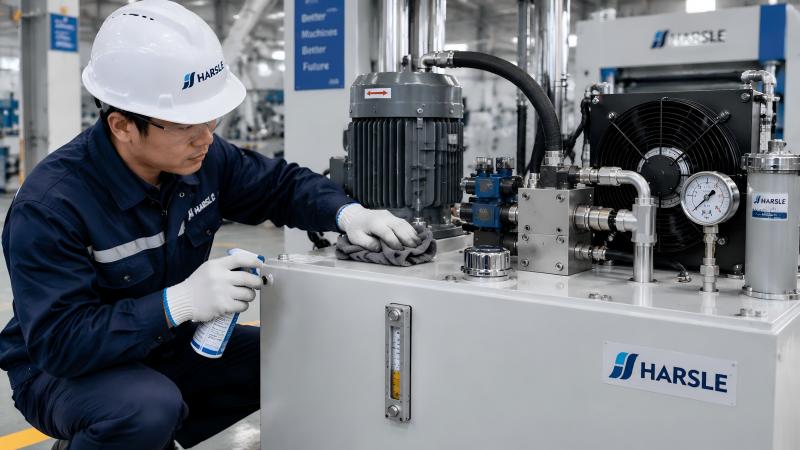
A clean working environment plays an important role in long-term hydraulic reliability. Dust, metal particles, and moisture can enter the hydraulic system and cause contamination.
I recommend regularly cleaning:
- Hydraulic tank surfaces
- External valves and fittings
- Motor and pump areas
- Surrounding working spaces
Good housekeeping reduces contamination risks and improves the overall effectiveness of hydraulic maintenance.
Best Practices for Long-Term Hydraulic Power Unit Performance
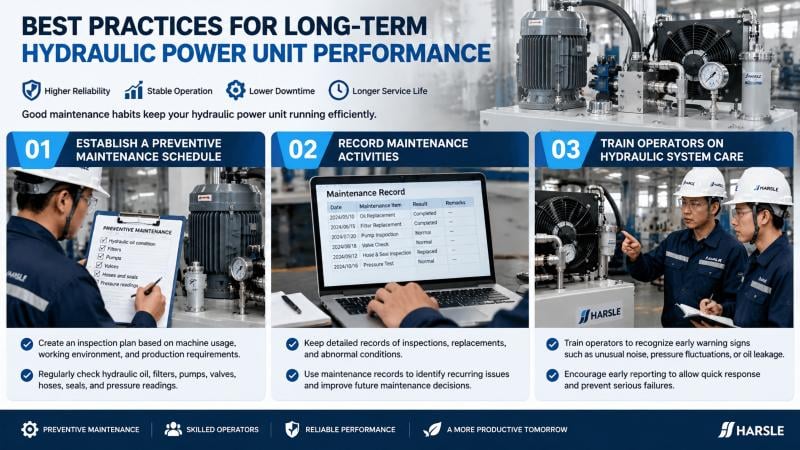
Stabilire un programma di manutenzione preventiva
A preventive maintenance plan helps avoid unexpected equipment failures. I suggest creating inspection intervals based on machine usage, working environment, and production requirements.
Regular checks should include hydraulic oil condition, filters, pumps, valves, hoses, seals, and pressure readings.
Record Maintenance Activities
Keeping detailed maintenance records helps identify repeated problems and improve future maintenance decisions.
Records should include:
- Oil replacement dates
- Filter replacement history
- Inspection results
- Component replacements
- Abnormal operating conditions
These records provide valuable information for evaluating hydraulic system performance.
Train Operators on Hydraulic System Care
Operators are often the first people to notice abnormal machine behavior. Proper training helps them identify early warning signs such as unusual noise, pressure fluctuations, or oil leakage.
A trained operator can report problems quickly, allowing maintenance teams to respond before serious failures occur.
Domande frequenti
How often should I perform Hydraulic Power Unit Maintenance?
Maintenance frequency depends on machine workload, operating environment, and manufacturer recommendations. Regular inspections should be performed as part of daily, weekly, and scheduled maintenance routines.
What are the signs of hydraulic power unit failure?
Common signs include unstable pressure, abnormal noise, slow machine movement, overheating, oil leakage, and reduced pressing force.
Why does hydraulic oil become contaminated?
Hydraulic oil contamination can result from dust, moisture, worn components, improper filling methods, or poor filtration performance.
Conclusione
Corretto Hydraulic Power Unit Maintenance is essential for ensuring stable press machine performance, reducing downtime, and extending hydraulic component life. By regularly checking hydraulic oil, filters, pumps, valves, hoses, seals, and cooling systems, operators can prevent many common hydraulic failures.
A well-maintained hydraulic power unit improves machine reliability and supports efficient long-term production. For more technical support or professional advice on hydraulic press maintenance, feel free to contact our team for assistance.


