


Pressa idraulica Guide System Maintenance is essential for ensuring smooth machine movement, maintaining pressing accuracy, and extending the service life of critical mechanical components. The guide system supports stable movement between the moving parts of a hydraulic press, and poor maintenance can lead to excessive friction, uneven movement, vibration, and reduced pressing precision. If you want to improve hydraulic press performance and prevent guide system failures, you are in the right place. In this article, I’ll explain how to inspect, lubricate, adjust, and maintain hydraulic press guide systems effectively to achieve long-term reliability and stable production.
Perché Pressa idraulica Guide System Maintenance Is Important
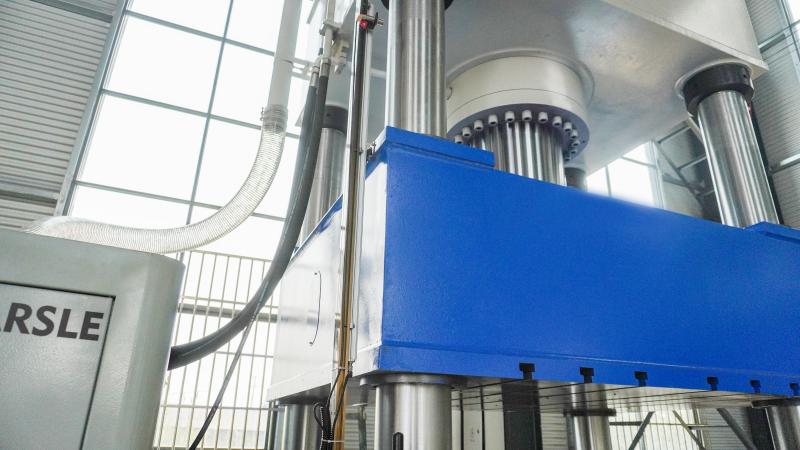
The Role of Guide Systems in Hydraulic Press Operation
The guide system is a key mechanical component that ensures accurate movement of the press slide or working parts. It helps maintain alignment between moving and fixed structures during pressing operations, especially when the machine works under high loads.
A properly maintained guide system reduces friction, improves motion stability, and prevents uneven force distribution. Without regular Hydraulic Press Guide System Maintenance, wear can gradually increase, causing inaccurate positioning, abnormal noise, and premature damage to other mechanical components.
Common Problems Caused by Poor Guide System Maintenance
When guide systems are neglected, several problems may appear during machine operation. Excessive wear between guide surfaces can create clearance, reducing movement accuracy and causing vibration.
Common warning signs include:
- Abnormal noise during press movement
- Increased friction or resistance
- Uneven slide movement
- Reduced pressing accuracy
- Guide surface scratches or wear marks
- Increased mechanical vibration
Identifying these issues early helps operators prevent more serious damage and avoid unexpected downtime.
How to Perform Hydraulic Press Guide System Maintenance Step by Step
Step 1: Inspect Guide Components Regularly
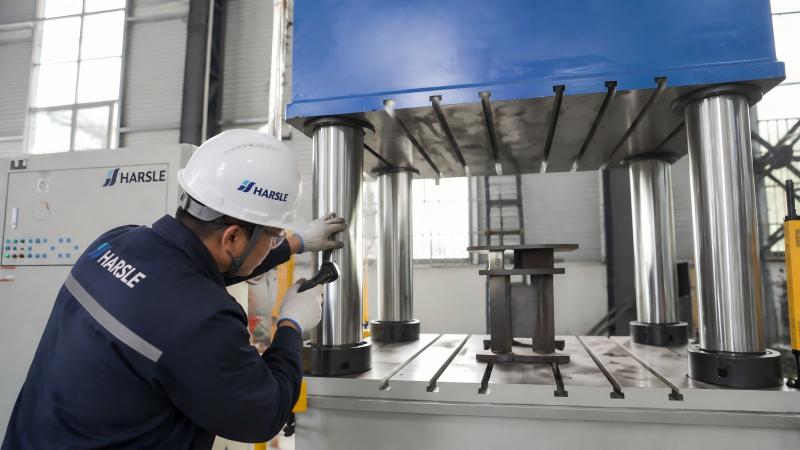
The first step in maintaining a hydraulic press guide system is performing regular inspections. I recommend checking guide rails, guide plates, sliding surfaces, and adjustment components according to machine operating conditions.
During inspection, look for signs of wear, scratches, deformation, looseness, or abnormal contact patterns. Uneven wear may indicate incorrect alignment, insufficient lubrication, or excessive operating loads.
Regular inspection allows maintenance teams to identify small problems before they affect machine accuracy and production efficiency.
Step 2: Clean Guide Surfaces and Remove Contaminants
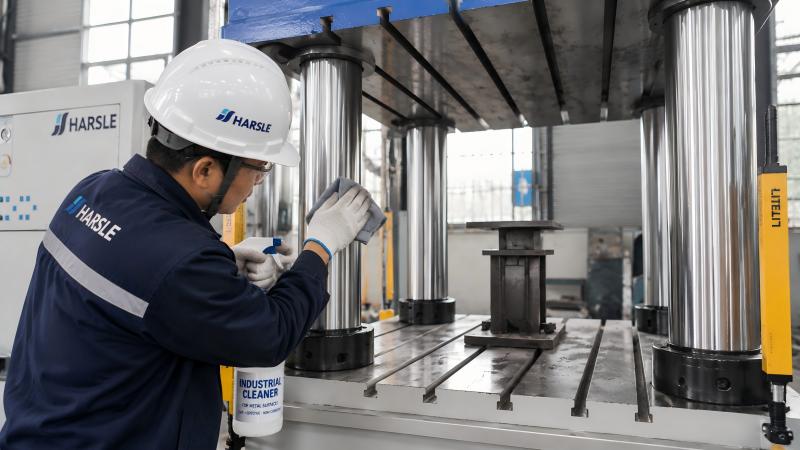
Keeping guide surfaces clean is an important part of Hydraulic Press Guide System Maintenance. Dust, metal particles, and oil contamination can accumulate between moving surfaces and increase friction.
I recommend cleaning guide rails and sliding areas regularly using suitable cleaning materials. Avoid allowing foreign particles to remain on precision surfaces because they can accelerate wear and damage protective coatings.
A clean guide system provides smoother movement and helps maintain stable machine operation.
Step 3: Apply Proper Lubrication to Guide Components
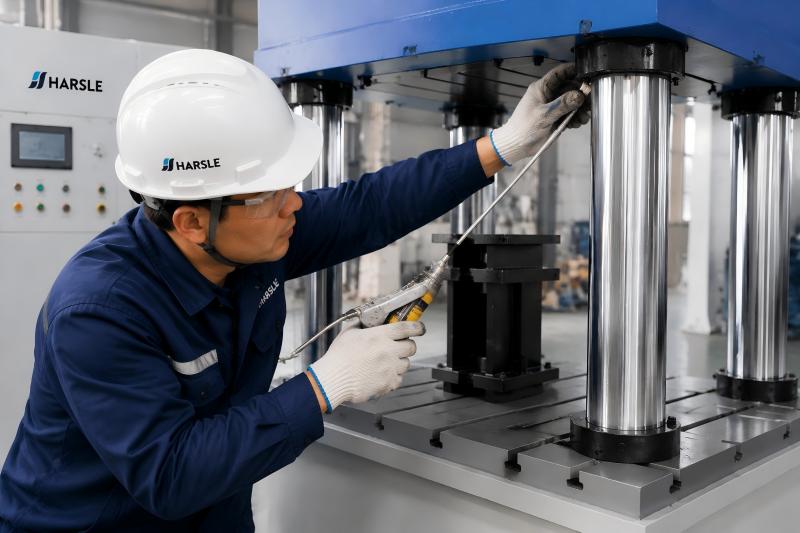
Lubrication reduces friction and protects guide surfaces from excessive wear. However, using the wrong lubricant or applying an incorrect amount can reduce maintenance effectiveness.
I always recommend using lubricants specified by the machine manufacturer. Apply lubrication evenly to guide surfaces and avoid excessive oil accumulation, which can attract dust and contaminants.
Proper lubrication helps maintain smooth movement, reduce heat generation, and extend guide component life.
Step 4: Check Guide Clearance and Alignment
Guide clearance directly affects hydraulic press accuracy. Excessive clearance can cause movement instability, while insufficient clearance may create excessive friction and overheating.
During maintenance, I check whether guide components maintain proper alignment and clearance according to manufacturer specifications.
If abnormal movement or uneven wear is detected, adjustment may be required. Correct alignment ensures that the press slide moves smoothly and maintains accurate positioning during operation.
Step 5: Inspect Wear Parts and Replace Damaged Components
Guide systems include wear components that gradually degrade during long-term operation. These parts may include guide plates, liners, bushings, or sliding elements.
I recommend replacing worn components before they affect the entire machine structure. Continuing to operate with damaged guide parts can increase mechanical stress and lead to more expensive repairs.
Using original or compatible replacement parts helps maintain proper performance and reliability.
Step 6: Monitor Guide System Performance During Operation
After maintenance, observe the hydraulic press during normal operation. Check whether the slide movement is smooth and whether abnormal sounds or vibration remain.
I pay attention to movement consistency, pressing accuracy, and response during different operating speeds and loads.
Performance monitoring helps confirm that maintenance work has been completed correctly and that the guide system is functioning properly.
Best Practices for Long-Term Hydraulic Press Guide System Reliability
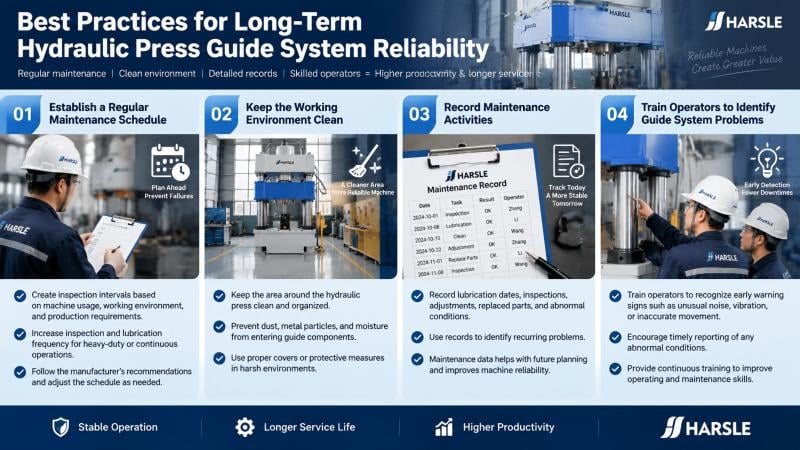
Establish a Regular Maintenance Schedule
A preventive maintenance schedule helps avoid unexpected guide system failures. I recommend creating inspection intervals based on machine usage, working environment, and production requirements.
Machines operating under heavy loads or continuous production conditions may require more frequent inspections and lubrication.
Keep the Working Environment Clean
A clean working environment reduces contamination risks and protects guide components from dust, metal particles, and moisture.
Operators should keep the area around the hydraulic press clean and prevent foreign materials from entering precision mechanical areas.
Record Maintenance Activities
Maintaining detailed records helps track guide system conditions and identify recurring problems. Records should include lubrication dates, inspections, adjustments, replaced parts, and abnormal conditions.
These records provide valuable information for planning future maintenance and improving machine reliability.
Train Operators to Identify Guide System Problems
Operators are often the first to notice changes in machine performance. Proper training helps them recognize early warning signs such as unusual noise, vibration, or inaccurate movement.
Early reporting allows maintenance teams to solve problems before they become major failures.
Domande frequenti
How often should I perform Hydraulic Press Guide System Maintenance?
Maintenance frequency depends on machine workload, operating environment, and manufacturer recommendations. Regular inspections and lubrication should be included in routine hydraulic press maintenance plans.
What causes hydraulic press guide systems to wear quickly?
Common causes include insufficient lubrication, contamination, excessive loading, poor alignment, and delayed replacement of worn components.
How can I improve hydraulic press movement accuracy?
Maintaining proper guide clearance, ensuring correct lubrication, and checking alignment regularly can help improve movement accuracy and stability.
Conclusione
Efficace Hydraulic Press Guide System Maintenance helps ensure smooth movement, accurate pressing performance, and long-term machine reliability. By regularly inspecting guide components, cleaning surfaces, applying proper lubrication, checking alignment, and replacing worn parts when necessary, operators can reduce downtime and improve production efficiency.
A well-maintained guide system protects the hydraulic press structure and supports stable operation under demanding working conditions. For more technical guidance about hydraulic press maintenance, troubleshooting, and component care, contact our team for professional support.


