


Slow Response in Prensa hidráulica Systems can reduce production efficiency, affect pressing accuracy, and increase machine downtime. If your hydraulic press responds slowly to control commands, moves inconsistently, or takes longer than usual to complete a pressing cycle, I recommend checking the hydraulic oil, pump performance, control valves, and electrical system. In this guide, I’ll explain the common causes of slow hydraulic response, provide practical troubleshooting steps, and share maintenance tips to help restore stable machine performance.
What Causes Slow Response in Prensa hidráulica Systems?
Insufficient Hydraulic Pressure or Pump Performance
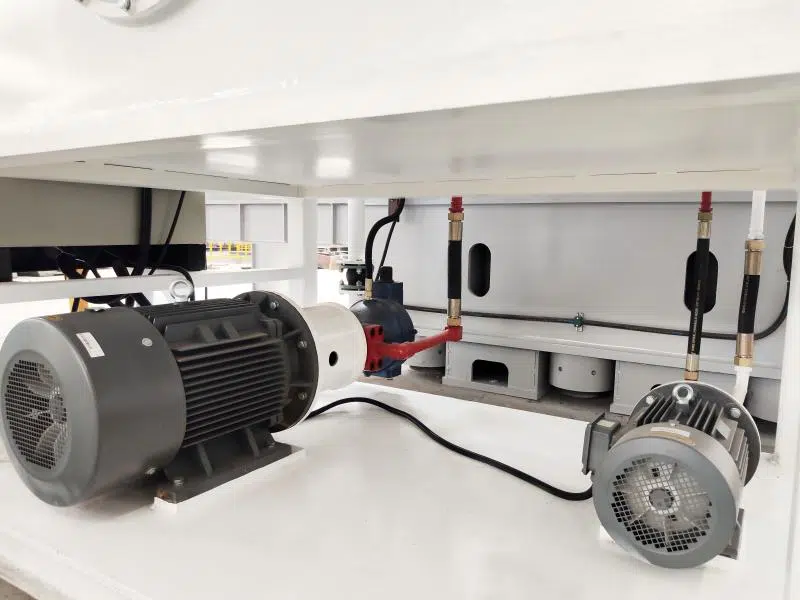
Insufficient hydraulic pressure or flow is a common cause of slow hydraulic press movement.
Worn hydraulic pumps, internal leakage, or incorrect pressure settings can reduce the hydraulic power available to move the cylinder.
When the pump cannot deliver the required oil flow, the hydraulic press may respond slowly or struggle to maintain normal operating speed.
Hydraulic Oil Contamination or Incorrect Viscosity
Hydraulic oil condition directly affects system responsiveness.
Contaminated oil can restrict valve movement and accelerate component wear. Oil with excessive viscosity, particularly during cold startup, may increase flow resistance and slow cylinder movement.
I recommend checking oil cleanliness, viscosity, and operating temperature before investigating more complicated faults.
Hydraulic Valve Blockage or Malfunction
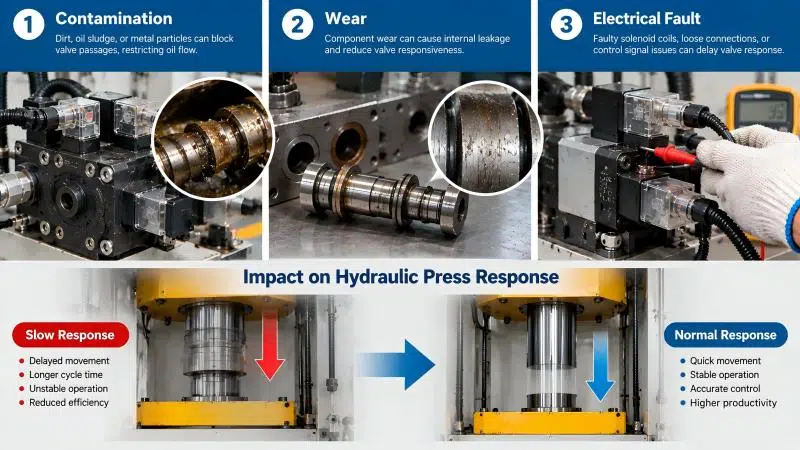
Directional control valves, proportional valves, and flow control valves regulate hydraulic oil movement.
When these components become contaminated, worn, or electrically defective, they may respond slowly to control signals.
A sticking valve spool can delay cylinder movement or cause inconsistent pressing speeds.
Electrical Control System Problems
Modern hydraulic presses often use PLC controllers, sensors, and solenoid valves to manage machine movements.
Loose electrical connections, unstable control voltage, incorrect controller parameters, or faulty solenoid coils can delay command execution.
These problems may cause noticeable hesitation between pressing the control button and the cylinder starting to move.
How to Troubleshoot Slow Hydraulic Press Response
Step 1: Check Hydraulic Oil Level and Condition
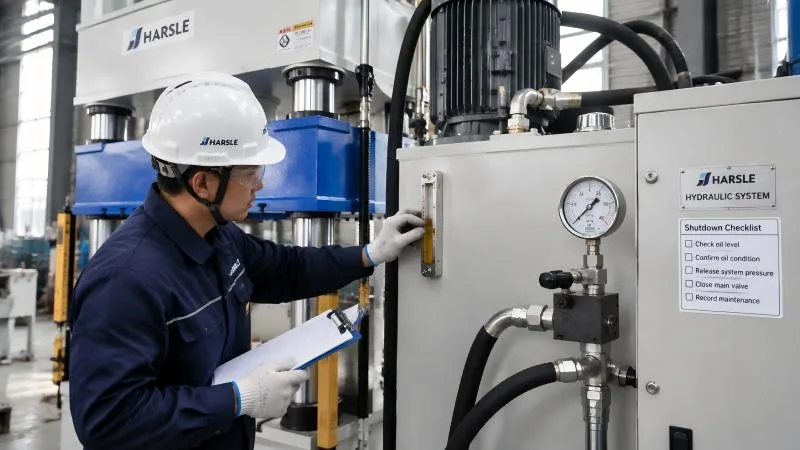
I recommend starting with the hydraulic oil tank.
Check whether the oil level meets the manufacturer’s requirements and inspect the oil for contamination, foaming, or discoloration.
Verify that the hydraulic oil viscosity matches the machine specifications.
If necessary, replace contaminated oil and clogged filters using approved maintenance procedures.
Step 2: Inspect Hydraulic Pump Pressure and Flow
Check hydraulic pressure readings during normal operating conditions.
Compare the measured pressure and flow with the manufacturer’s specifications.
Low flow may indicate pump wear, suction restrictions, or internal leakage, even when pressure appears normal.
Qualified technicians should inspect the pump and associated hydraulic components before making adjustments.
Step 3: Examine Hydraulic Control Valves
Inspect directional valves, proportional valves, and flow control components for abnormal operation.
Check whether the valves respond correctly to electrical commands.
Contamination or internal wear may prevent the valve spool from moving smoothly.
Before removing any hydraulic component, isolate the machine, release stored pressure, and secure the press ram against unexpected movement.
Step 4: Check Electrical Signals and Controller Settings
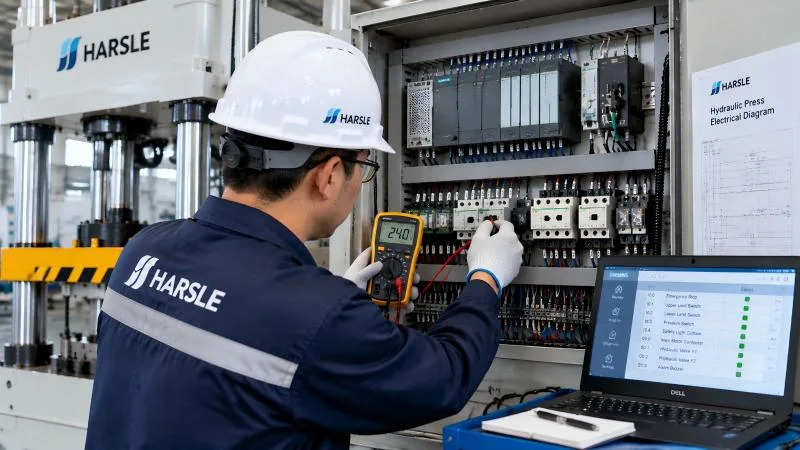
Inspect electrical connections, control relays, solenoid coils, and PLC diagnostic information.
Determine whether the controller receives operator commands and sends the correct output signals.
I recommend comparing current speed, acceleration, and response settings with the manufacturer’s approved parameters.
Avoid changing multiple settings simultaneously because this can make troubleshooting more difficult.
Step 5: Inspect Hydraulic Cylinders and Mechanical Components
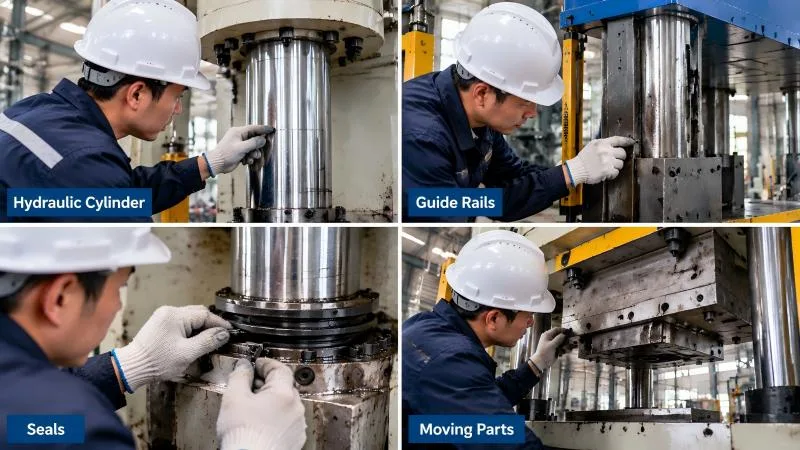
Check hydraulic cylinders for internal leakage, damaged seals, or abnormal friction.
Inspect guide rails and moving components for excessive wear or misalignment.
Mechanical resistance can slow ram movement even when hydraulic pressure is sufficient.
Repair damaged components before returning the machine to production.
Step 6: Test Hydraulic Press Response Time
After completing repairs, perform controlled functional tests according to the manufacturer’s instructions.
Measure the delay between the control command and cylinder movement.
Compare the response time and operating speed with the machine’s normal performance records.
Repeat the test to confirm consistent operation.
How to Prevent Slow Response in Hydraulic Press Systems?
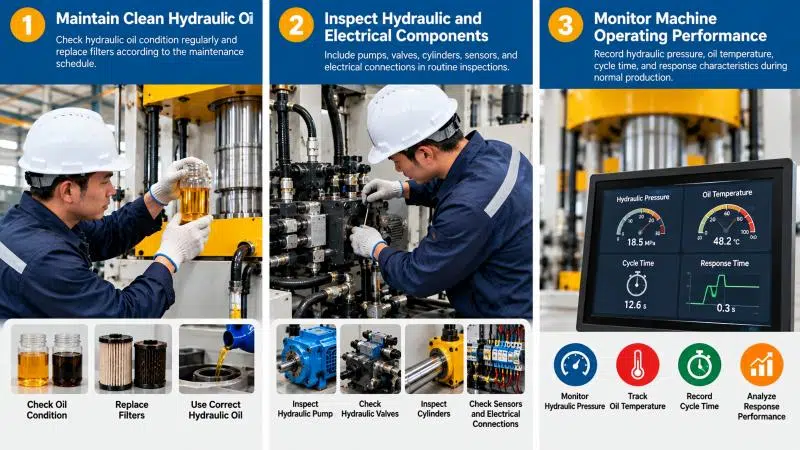
Mantenha o óleo hidráulico limpo.
I recommend regularly checking hydraulic oil condition and replacing filters according to the maintenance schedule.
Clean oil helps maintain reliable valve operation and protects hydraulic components from premature wear.
Inspect Hydraulic and Electrical Components
Include pumps, valves, cylinders, sensors, and electrical connections in routine maintenance inspections.
Identifying small problems early can prevent unexpected response delays and costly repairs.
Monitor Machine Operating Performance
Record hydraulic pressure, oil temperature, cycle time, and response characteristics during normal production.
Comparing these measurements over time helps identify gradual performance deterioration.
Perguntas frequentes
What Causes Slow Response in Hydraulic Press Systems?
Common causes include insufficient hydraulic flow, contaminated oil, sticking control valves, internal leakage, and electrical control faults.
Why Does My Hydraulic Press Move Slowly?
Slow movement may result from reduced pump flow, excessive oil viscosity, restricted hydraulic passages, or mechanical friction.
Can Dirty Hydraulic Oil Cause Slow Hydraulic Response?
Yes. Contaminated oil can restrict valve movement, increase internal friction, and reduce hydraulic system efficiency.
Conclusão
Fixing Slow Response in Hydraulic Press Systems requires systematic inspection of hydraulic oil, pump performance, control valves, electrical signals, and mechanical components. Regular maintenance and performance monitoring can help restore reliable operation, reduce downtime, and improve production efficiency.


