


Hydraulic Press Pressure Fluctuation is a common issue that can affect pressing accuracy, production stability, and machine performance. When hydraulic pressure is unstable, operators may notice inconsistent pressing force, slow machine movement, or poor processing results. In this article, I will explain the main causes of hydraulic press pressure fluctuation, how to identify the problems, and what maintenance methods can help restore stable hydraulic performance.
What Are the Main Causes of Hydraulic Press Pressure Fluctuation?
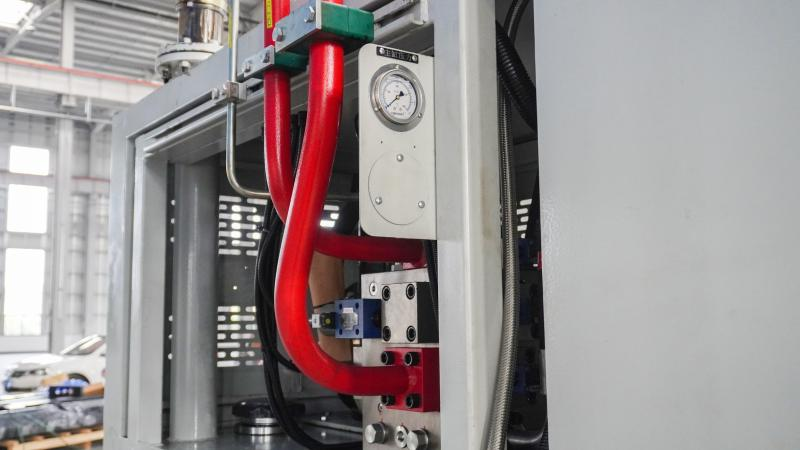
Hydraulic pressure stability depends on the cooperation of the hydraulic pump, valves, oil system, cylinders, and control components. Any abnormal condition in these parts may lead to pressure changes during operation.
Understanding the root causes of pressure fluctuation helps operators reduce downtime and maintain consistent production quality. Below are the most common reasons that cause unstable pressure in hydraulic presses.
How Does Hydraulic Oil Condition Cause Hydraulic Press Pressure Fluctuation?
Contaminated Hydraulic Oil and Poor Oil Quality
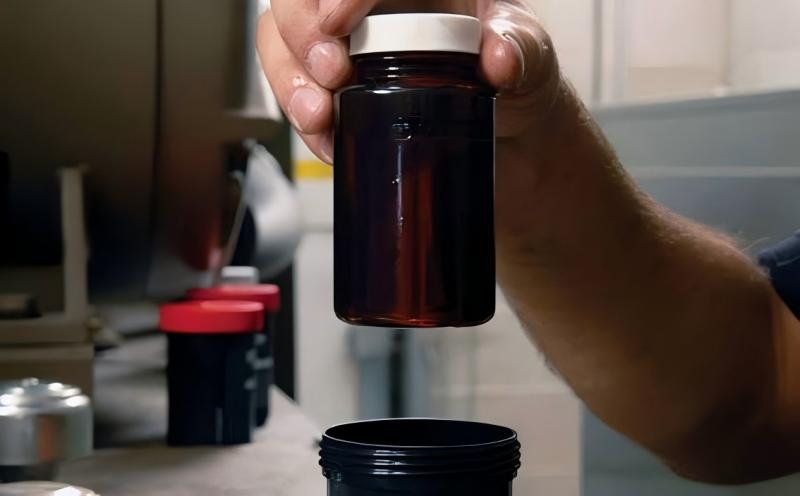
Hydraulic oil plays an important role in transferring power and protecting internal components. When the oil becomes contaminated with dust, metal particles, moisture, or other impurities, it can affect the performance of pumps and valves.
Dirty oil may cause hydraulic valves to stick or respond slowly, resulting in unstable pressure output. Regular hydraulic oil inspection and replacement are necessary to maintain a clean hydraulic system.
I recommend checking the oil color, viscosity, and contamination level during routine maintenance. Replacing filters and using the correct hydraulic oil according to manufacturer requirements can significantly reduce pressure-related problems.
Low Hydraulic Oil Level or Air Entering the System
Insufficient hydraulic oil can cause the pump to draw air into the system. Air bubbles inside hydraulic lines reduce pressure stability and may create vibration, abnormal noise, or inconsistent cylinder movement.
If you notice sudden pressure drops or irregular machine operation, checking the hydraulic oil level should be one of the first troubleshooting steps.
How Can Hydraulic Components Lead to Pressure Instability?
Hydraulic Pump Wear and Performance Problems
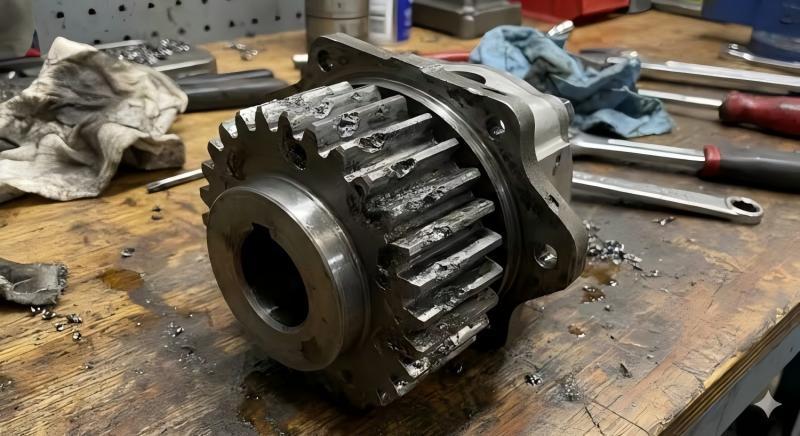
The hydraulic pump is responsible for generating and maintaining system pressure. Over time, internal wear may reduce pump efficiency and cause unstable pressure output.
Common signs of hydraulic pump problems include slow operation, unusual noise, overheating, and difficulty maintaining the required pressure. Regular inspection of pump performance helps detect problems before they cause major failures.
For a hydraulic press with frequent pressure fluctuations, I suggest checking pump flow, pressure response, and possible internal leakage.
Faulty Hydraulic Valves and Pressure Control Issues
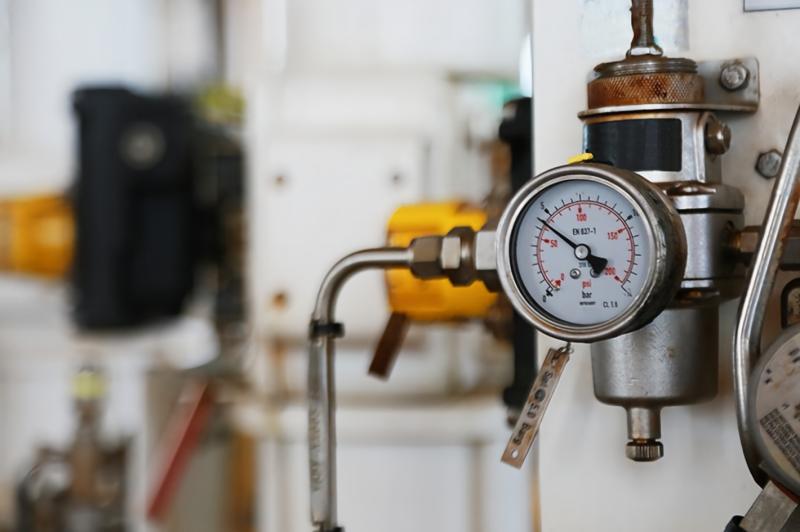
Hydraulic valves control oil flow and system pressure. If valves are damaged, blocked, or incorrectly adjusted, the hydraulic press may experience pressure fluctuations during operation.
Relief valves, proportional valves, and control valves should be inspected regularly. Cleaning valve components and ensuring proper adjustment can improve pressure stability.
In some cases, pressure fluctuation may occur because the valve response is too slow or the valve cannot maintain a consistent pressure setting.
How Do Hydraulic Cylinder Problems Affect Press Pressure?
Internal Leakage and Cylinder Wear
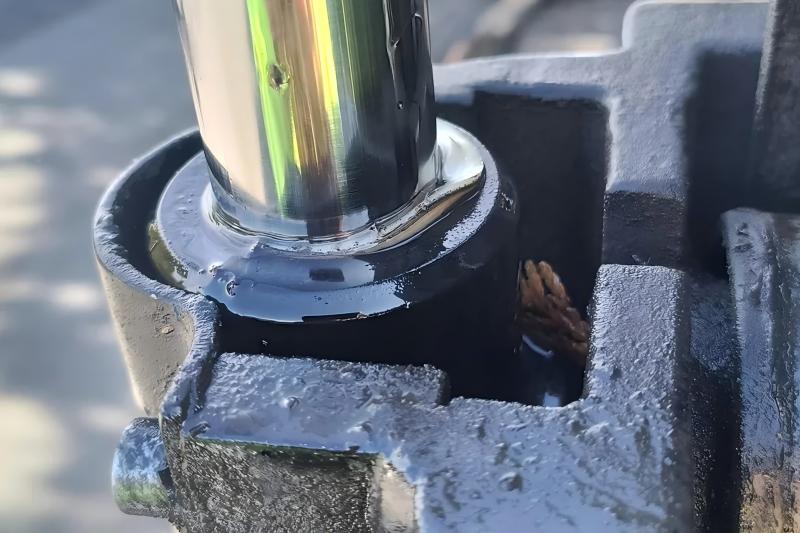
Hydraulic cylinders convert hydraulic energy into mechanical force. When cylinder seals become worn or damaged, internal leakage may occur, causing pressure loss and unstable movement.
Operators may observe symptoms such as uneven cylinder movement, reduced pressing force, or difficulty maintaining pressure during pressing operations.
Inspecting cylinder seals, checking for oil leakage, and replacing damaged components in time are effective ways to prevent pressure fluctuation.
Uneven Load Distribution During Operation
An uneven workpiece or improper loading condition can also affect hydraulic press pressure stability. When the load is not distributed evenly, the hydraulic system may experience inconsistent pressure requirements.
Before operation, I recommend checking workpiece positioning and ensuring that the pressing process follows proper operating procedures.
How to Troubleshoot Hydraulic Press Pressure Fluctuation Step by Step?
Step 1: Check Hydraulic Oil and Filters
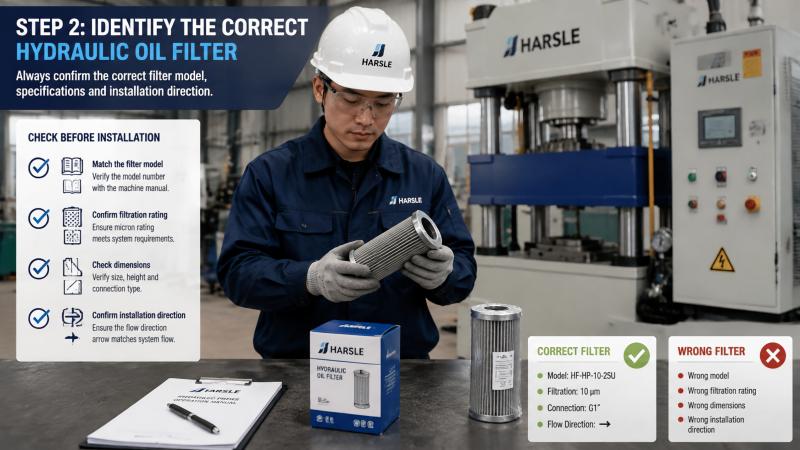
Start by inspecting the hydraulic oil level and quality. If the oil appears dirty or contains particles, replace the oil and clean or replace the hydraulic filters.
A clean hydraulic system provides better pressure control and reduces wear on internal components.
Step 2: Inspect Hydraulic Lines and Connections
Check all hoses, pipes, and fittings for leaks, damage, or loose connections. Even small leaks can reduce system pressure and cause unstable operation.
Tightening loose connections and replacing damaged hydraulic lines can help restore normal pressure performance.
Step 3: Test Hydraulic Pump and Valve Performance
If oil and connection checks do not solve the problem, inspect the hydraulic pump and valves. Measure system pressure using appropriate testing equipment and compare the results with recommended operating values.
Checking pump efficiency and valve response helps identify whether the pressure fluctuation comes from hydraulic power generation or pressure control components.
Step 4: Check Control System and Sensors
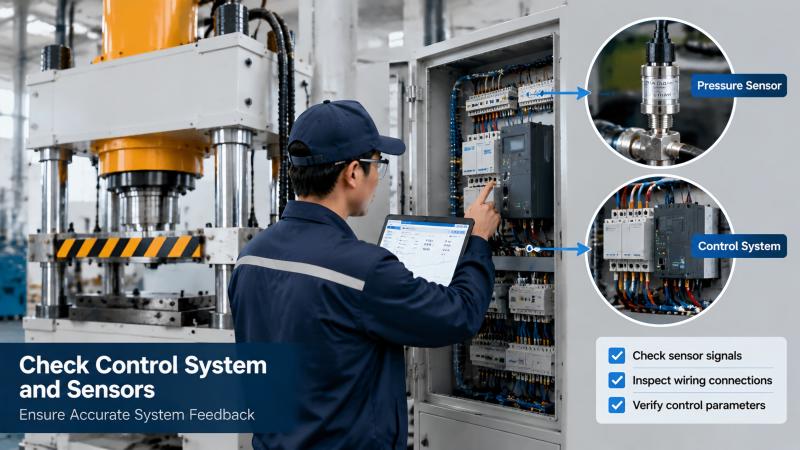
Modern hydraulic presses often use sensors and electronic controls to monitor pressure. Incorrect sensor signals or control system errors may cause abnormal pressure adjustments.
Inspect pressure sensors, wiring connections, and control parameters to ensure accurate system feedback.
FAQs
What are the most common causes of hydraulic press pressure fluctuation?
The most common causes include contaminated hydraulic oil, low oil level, air entering the system, hydraulic pump wear, valve problems, cylinder leakage, and sensor errors.
How can I fix hydraulic press pressure fluctuation caused by hydraulic oil problems?
I recommend checking oil quality, replacing contaminated oil, cleaning filters, and ensuring the hydraulic system contains the correct oil level. Proper oil maintenance can improve pressure stability.
Can a damaged hydraulic pump cause unstable pressure?
Yes. A worn hydraulic pump may not provide consistent flow and pressure, causing fluctuation during machine operation. Pump inspection and repair may be required.
Conclusion
Hydraulic Press Pressure Fluctuation can reduce production efficiency and affect processing quality if it is not addressed quickly. By checking hydraulic oil condition, inspecting pumps and valves, maintaining cylinders, and monitoring control systems, operators can identify and solve pressure instability problems effectively.
Regular preventive maintenance is the key to keeping hydraulic presses reliable and efficient. For more technical support, maintenance guidance, or hydraulic press solutions, feel free to contact HARSLE’s engineering team or explore our related documentation resources.
You have not enough Humanizer words left. Upgrade your Surfer plan.


