


Hydraulic Press Cycle Time Problems can reduce production efficiency, increase operating costs, and affect overall manufacturing performance. When a hydraulic press takes longer than normal to complete a cycle, I recommend checking the hydraulic system, control parameters, mechanical components, and operating conditions. In this guide, I’ll explain the common causes of slow cycle times and provide practical troubleshooting steps to help restore stable machine performance.
What Causes Hydraulic Press Cycle Time Problems?
Low Hydraulic System Pressure or Flow
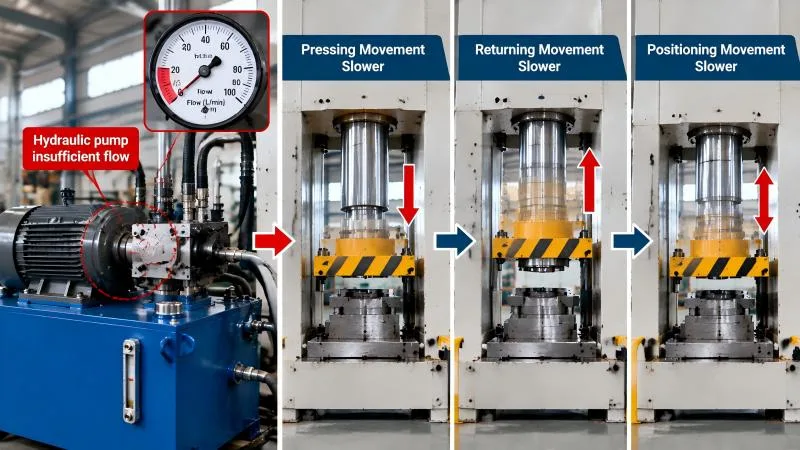
Insufficient hydraulic pressure or flow is one of the most common reasons for extended cycle times.
When the hydraulic pump cannot provide enough flow, the cylinder movement speed may decrease, causing slower pressing, returning, or positioning operations.
I recommend checking hydraulic oil levels, pump performance, pressure settings, and valve conditions to identify possible hydraulic system issues.
Hydraulic Oil Problems and Contamination
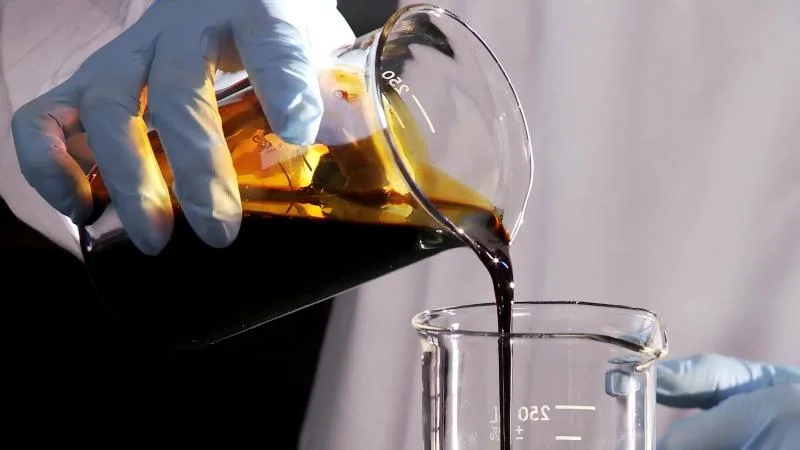
The condition of hydraulic oil directly affects machine response speed.
Aged, contaminated, or incorrect hydraulic oil can increase internal resistance, reduce valve performance, and slow down cylinder movement.
Blocked filters may also restrict oil flow and reduce the efficiency of the hydraulic system.
Incorrect Control System Parameters
Improper settings in the control system can affect hydraulic press cycle time.
Parameters such as approach speed, pressing speed, return speed, dwell time, and acceleration settings may be incorrectly configured.
After controller replacement or maintenance, incorrect parameter settings can result in longer cycle times.
Mechanical Resistance or Component Wear
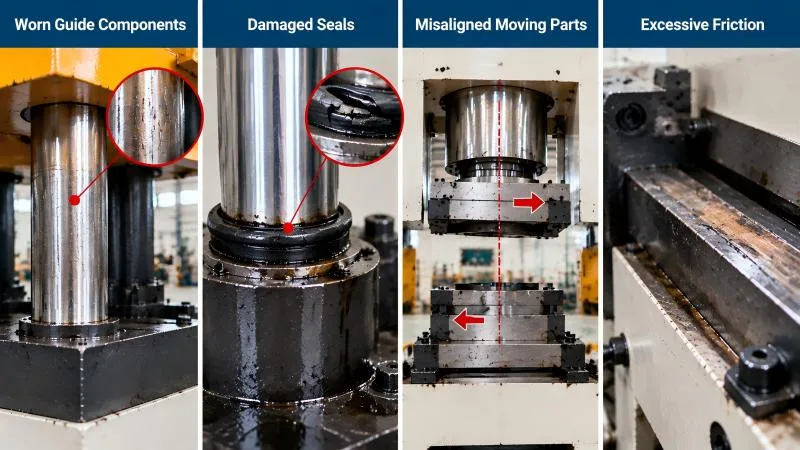
Mechanical problems can also increase cycle duration.
Worn guide components, damaged seals, misaligned moving parts, or excessive friction may prevent smooth movement of the hydraulic press.
These issues force the system to work harder and may slow down the entire operating process.
How to Troubleshoot Hydraulic Press Cycle Time Problems?
Step 1: Check Hydraulic Oil Level and System Condition
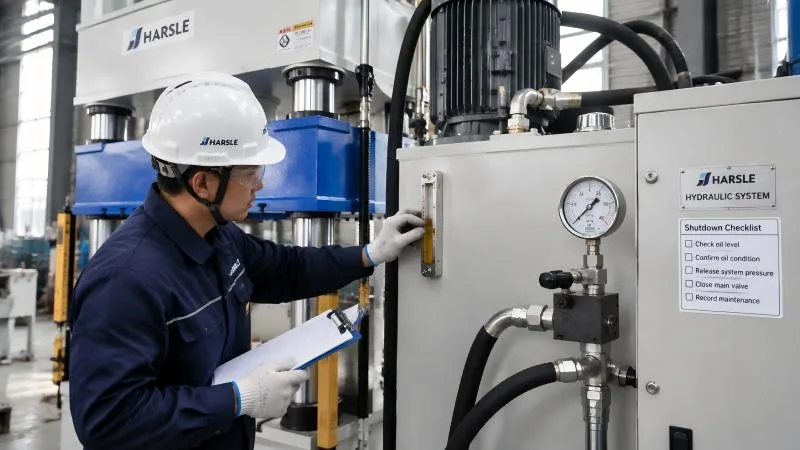
I recommend starting with a complete hydraulic system inspection.
Check whether the oil level meets the manufacturer’s requirements and inspect the oil condition for contamination, discoloration, or abnormal particles.
Replace hydraulic filters according to maintenance schedules and ensure that oil viscosity matches the machine specifications.
Clean hydraulic oil helps valves and pumps operate efficiently and improves cycle consistency.
Step 2: Measure Hydraulic Pressure and Flow Performance
Use proper testing equipment to verify hydraulic pressure during different operating stages.
Compare actual pressure and flow values with the machine specifications.
If pressure drops during pressing or movement speed is inconsistent, inspect the hydraulic pump, relief valve, directional valves, and internal leakage conditions.
A worn hydraulic pump may need repair or replacement to restore normal cycle speed.
Step 3: Verify Hydraulic Press Control Parameters
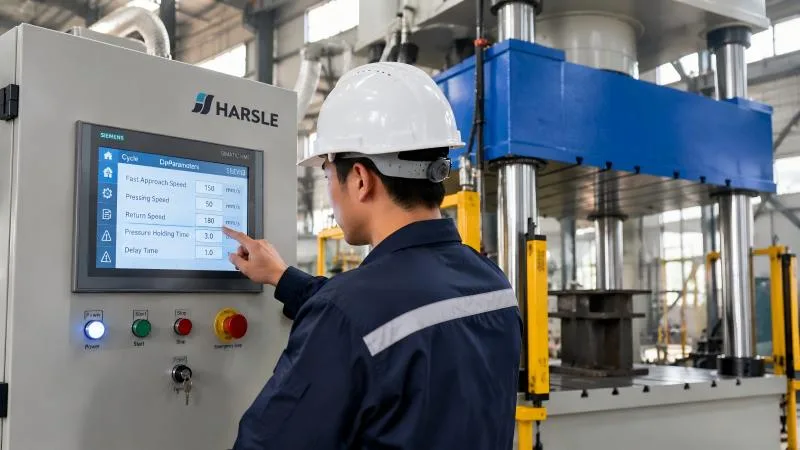
Check the controller settings related to cycle operation.
Review approach speed, working speed, return speed, holding time, and delay settings.
I recommend recording the original parameters before making adjustments.
Incorrect parameter changes can create additional problems, so adjustments should be performed carefully according to manufacturer guidelines.
Step 4: Inspect Cylinders and Mechanical Components
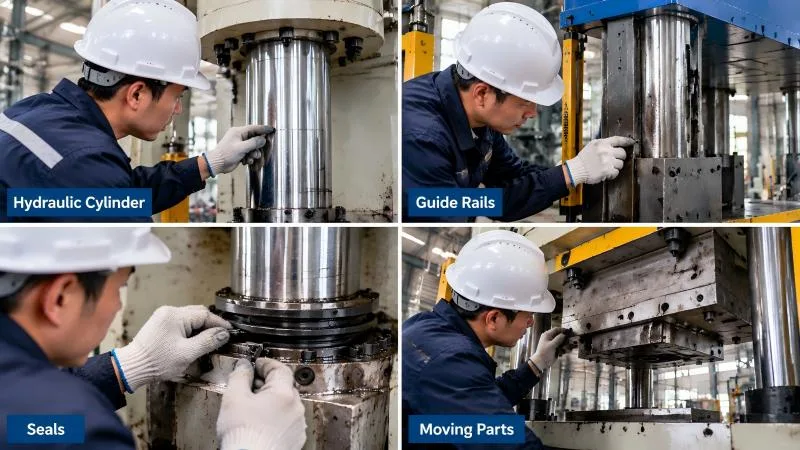
Examine hydraulic cylinders, guide rails, seals, and moving components for signs of wear or damage.
Internal cylinder leakage may reduce movement speed and increase cycle time.
Check for abnormal noise, vibration, uneven movement, or resistance during operation.
Repair or replace damaged components before continuing high-volume production.
Step 5: Perform Cycle Time Testing After Repairs
After completing troubleshooting, test the hydraulic press under normal operating conditions.
Record the time required for each operation stage, including forward movement, pressing, holding, and return movement.
Compare the results with previous production records or manufacturer specifications.
Consistent cycle time measurements help confirm whether the problem has been successfully resolved.
How to Prevent Hydraulic Press Cycle Time Problems?
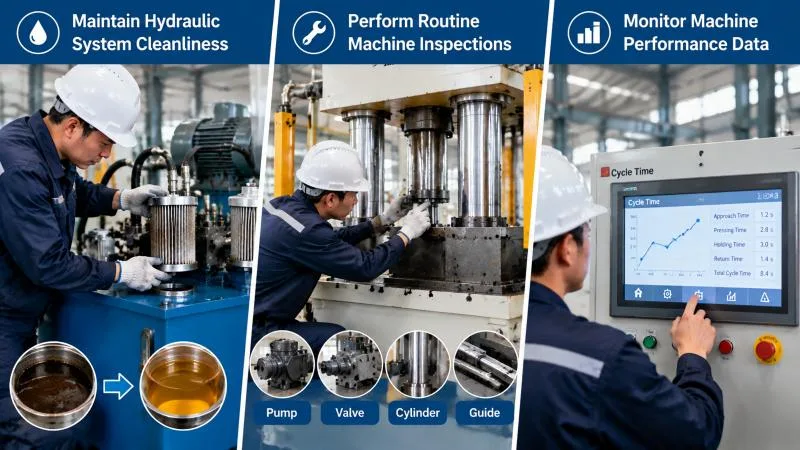
Maintain Hydraulic System Cleanliness
Regular hydraulic oil inspection and filter replacement help prevent flow restrictions and valve failures.
I recommend maintaining clean hydraulic conditions to ensure stable machine response.
Perform Routine Machine Inspections
Include pumps, valves, cylinders, sensors, and mechanical guides in scheduled maintenance.
Early detection of wear can prevent unexpected cycle delays and production interruptions.
Monitor Machine Performance Data
Recording cycle times during regular production helps identify gradual performance changes.
If cycle time increases over time, maintenance teams can investigate the cause before it affects productivity.
FAQs
What Are the Main Causes of Hydraulic Press Cycle Time Problems?
Common causes include low hydraulic pressure, insufficient oil flow, contaminated hydraulic oil, incorrect control parameters, and mechanical component wear.
How Can I Improve Hydraulic Press Cycle Time?
You can improve cycle time by maintaining proper hydraulic pressure, optimizing control settings, replacing blocked filters, and repairing worn components.
Can Hydraulic Oil Affect Press Cycle Speed?
Yes. Contaminated or incorrect hydraulic oil can reduce valve response, increase friction, and slow down hydraulic cylinder movement.
Conclusion
Fixing Hydraulic Press Cycle Time Problems requires a systematic inspection of the hydraulic system, control settings, and mechanical components. By maintaining clean hydraulic oil, checking system performance, and monitoring cycle time changes, manufacturers can improve production efficiency and reduce downtime.
Regular maintenance and correct operating procedures are essential for keeping hydraulic presses working reliably.
If you need professional support for hydraulic press troubleshooting or performance optimization, contact the HARSLE technical team for assistance.


