


Lors de l'utilisation d'un presse plieuse, controlling the return speed of the ram is crucial for both safety and performance. The return speed affects how quickly the ram retracts after performing a bend. If the return speed is too fast, it can lead to hydraulic shock, damaging components and increasing wear. On the other hand, if the speed is too slow, it can cause production delays. This article will explore the importance of safely controlling the return speed of a press brake and the steps you can take to optimize this function for both efficiency and machine longevity.
Understanding the Importance of Return Speed Control
Why Is Return Speed Control Essential?
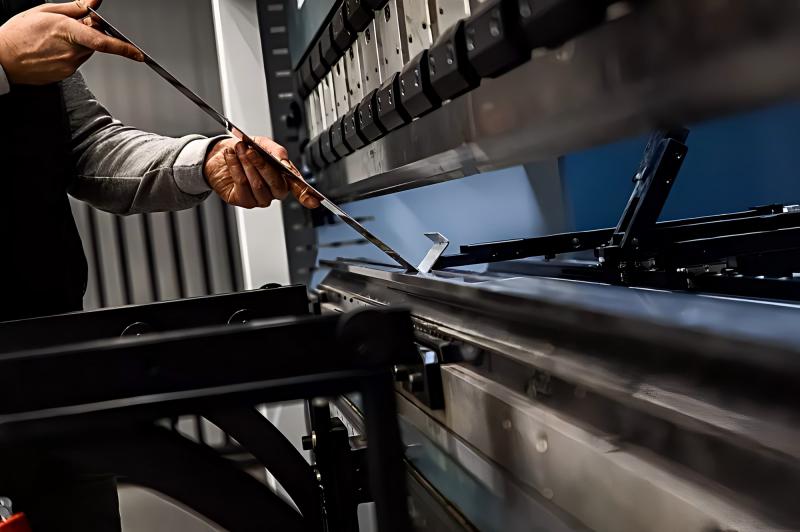
Controlling the return speed ensures that the presse plieuse operates smoothly and efficiently. Too high a return speed can lead to potential hydraulic issues, increased wear on seals, and even system failure. It also impacts the overall safety of the operation, as sudden movements can increase the risk of accidents.
Components that Influence Return Speed
Several factors contribute to the control of return speed, including hydraulic pressure, flow rate, and the system’s pressure release mechanisms. Ensuring that these components are properly calibrated is essential for controlling the ram’s return speed.
Hydraulic Pressure and Flow Control

Hydraulic systems regulate the speed of the ram by controlling the flow rate and pressure. Adjusting these parameters is key to fine-tuning the return speed. Proper maintenance of the hydraulic fluid levels and the system’s filters ensures optimal performance.
soupapes de décharge de pression
Pressure relief valves play a significant role in preventing damage caused by excessive speed. These valves ensure that hydraulic fluid can flow out safely when the ram moves back, avoiding sudden stops or jolts that could damage the machine or cause safety issues.
Steps to Safely Control Return Speed
Step 1: Adjust the Hydraulic Settings
The first step in controlling the return speed is to adjust the hydraulic settings of the press brake. This involves modifying the pressure and flow rate to achieve the desired speed. Many modern press brakes come with digital control systems that allow precise adjustments.
Step 2: Use Flow Control Valves
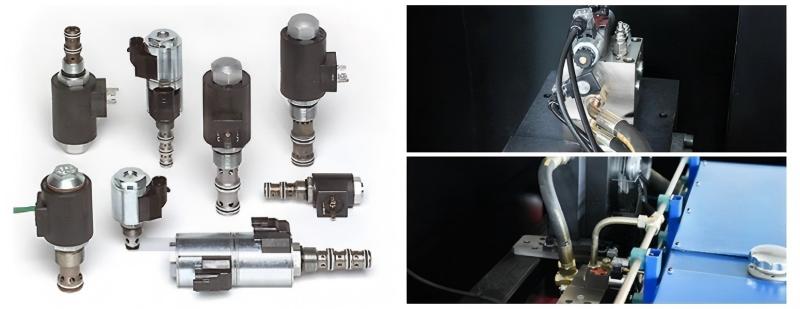
Install flow control valves to regulate the rate of flow and ensure smooth retraction. By adjusting these valves, you can slow down or speed up the return stroke as needed, preventing rapid movement that could damage the hydraulic system.
Step 3: Implement Safety Features
Incorporate safety features such as soft-start and soft-stop mechanisms that gradually adjust the ram’s movement at the beginning and end of the return stroke. These features help in maintaining a controlled and safe return speed, avoiding shock loading.
Étape 4 : Effectuer un entretien régulier
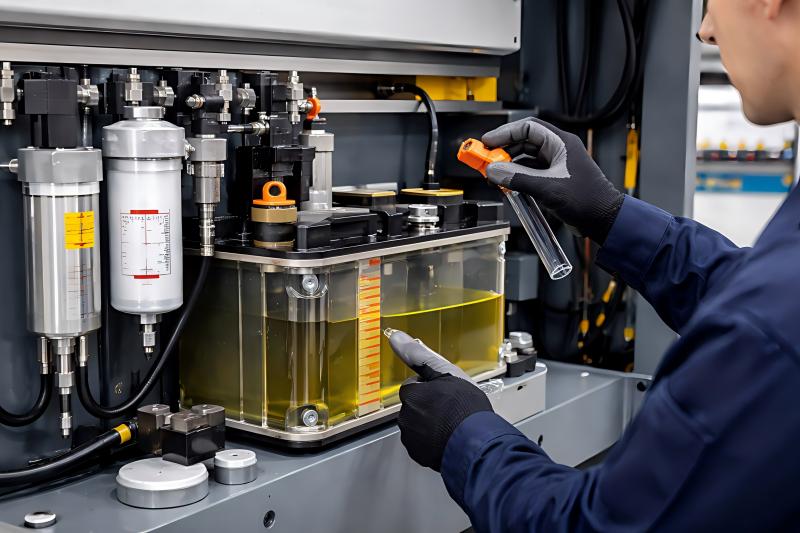
Regular inspection and maintenance of the hydraulic components are essential. Check the hydraulic fluid level and the condition of seals, filters, and valves. Dirty or degraded fluid can lead to erratic movements and unreliable control over the return speed.
FAQ
How do I know if my return speed is too fast or too slow?
If the ram retracts too quickly, you may notice hydraulic shock, excessive noise, or system vibration. If it’s too slow, production times will increase, and efficiency will decrease. Both issues can be rectified by adjusting the hydraulic settings or flow control valves.
Can I adjust the return speed during operation?
Yes, with the right equipment, such as a CNC-controlled press brake, you can adjust the return speed during operation. This allows you to fine-tune settings for different types of materials and bending tasks.
How often should I adjust the return speed?
You should adjust the return speed settings based on the material being bent and the complexity of the bend. Also, regular checks should be made during routine maintenance to ensure the system remains optimized.
Conclusion
Controlling the return speed of your press brake is vital for both machine longevity and operational safety. By adjusting hydraulic settings, using flow control valves, and implementing soft-start/stop features, you can optimize the return speed for each specific task. Regular maintenance and system checks ensure that these features continue to function correctly, reducing wear and tear while enhancing production efficiency. For any further assistance, don’t hesitate to contact our team for expert guidance and support.


