


When it comes to achieving consistent bending accuracy and ensuring operator safety, Pressure Sensors for Safe flexion play a critical role in press brake systems. If you’re wondering how to verify whether your pressure sensors are working correctly, you’re in the right place. In this guide, I’ll walk you through practical steps to test, calibrate, and maintain pressure sensors so your press brake delivers precise force control and reliable performance.
Why Pressure Sensors for Safe Bending Matter in Presses plieuses
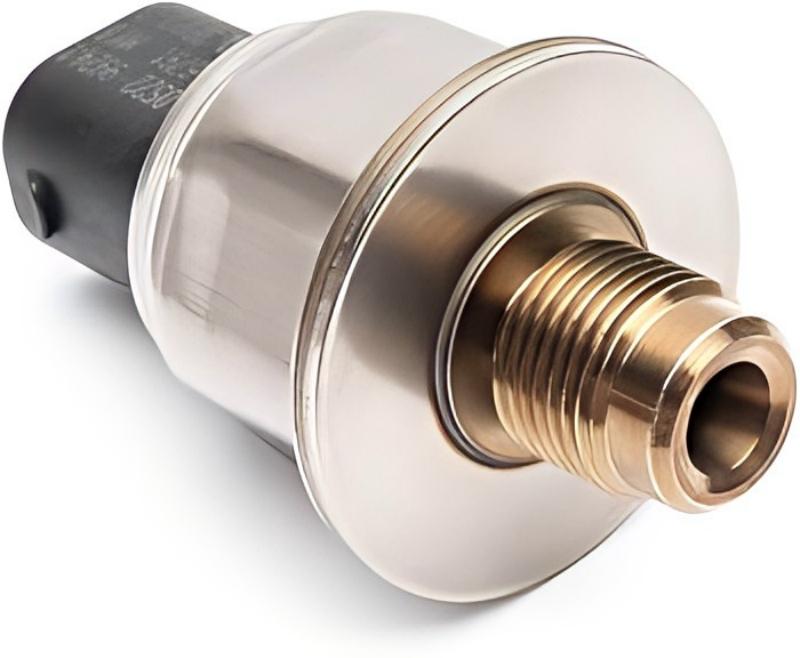
Pressure sensors are responsible for monitoring hydraulic force in real time. In modern CNC press brakes, they directly influence bending accuracy, tonnage control, and safety protection.
If these sensors are not properly verified:
- The machine may apply incorrect tonnage
- Bending angles can become inconsistent
- Safety risks may increase due to uncontrolled pressure
That’s why verifying Pressure Sensors for Safe Bending is essential for both production quality and machine reliability.
How to Verify Pressure Sensors for Safe Bending Step by Step
Step 1: Preparing the Machine for Inspection

Before starting, I always ensure the press brake is in a safe and stable condition.
- Turn off the machine and release hydraulic pressure
- Clean the sensor area to remove oil or dust
- Check wiring connections for looseness or damage
A clean and stable setup helps avoid false readings during verification.
Step 2: Visual Inspection of Pressure Sensors

Next, I perform a basic visual check of the pressure sensors.
- Look for oil leakage around the sensor housing
- Inspect connectors and cables for wear
- Ensure the sensor is firmly mounted
Even minor physical damage can affect the accuracy of Pressure Sensors for Safe Bending.
Step 3: Compare Sensor Readings with a Reference Gauge
This is one of the most important steps.
- Connect a calibrated external pressure gauge to the hydraulic system
- Run the machine at a controlled pressure level
- Compare the sensor reading on the CNC screen with the external gauge
If there is a deviation beyond acceptable tolerance, the sensor may require calibration or replacement.
Step 4: Perform Pressure Sensor Calibration
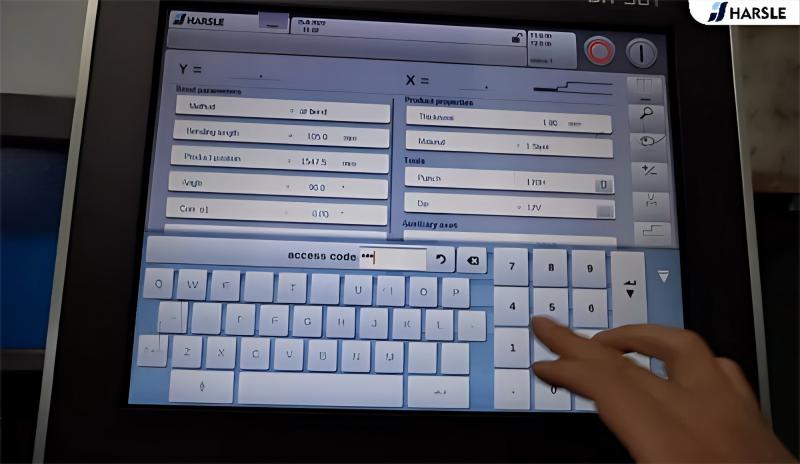
If discrepancies are found, calibration is necessary.
- Access the CNC controller calibration menu (such as DELEM or ESA systems)
- Input reference pressure values based on the external gauge
- Adjust the sensor output to match actual pressure
Proper calibration ensures that Pressure Sensors for Safe Bending provide accurate feedback during operation.
Step 5: Test Under Real Bending Conditions
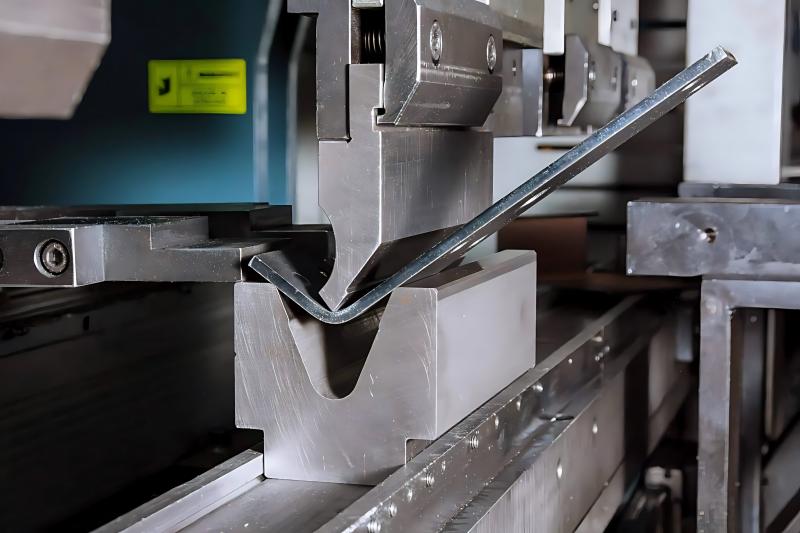
After calibration, I always verify performance under actual working conditions.
- Perform a test bend with known material parameters
- Monitor pressure values during the bending cycle
- Check if the bending angle and tonnage are consistent
This confirms that the pressure sensors are functioning correctly in real production scenarios.
Common Issues with Pressure Sensors in Press Brakes
Inaccurate Pressure Readings
This is usually caused by:
- Sensor aging
- interférences électriques
- Calibration drift
Solution: Recalibrate or replace the sensor.
Signal Instability
Fluctuating readings can result from:
- Loose wiring
- Damaged connectors
- Hydraulic pulsation
Solution: Secure connections and inspect hydraulic system stability.
Slow Response Time

Delayed sensor feedback may lead to poor bending control.
Solution:
- Check sensor quality and response specifications
- Ensure no blockage in hydraulic lines
Maintenance Tips for Pressure Sensors for Safe Bending
Inspection de routine

I recommend checking pressure sensors regularly:
- Inspect every 500 working hours
- Monitor for abnormal readings
- Keep sensor surfaces clean
Protéger contre la contamination
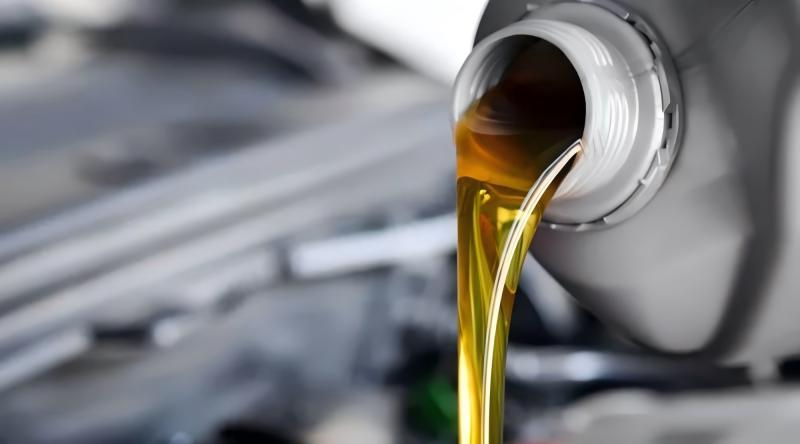
Hydraulic oil contamination can damage sensors.
- Use clean, high-quality hydraulic oil
- Replace filters on time
- Prevent moisture from entering the system
Ensure Proper Installation
Incorrect installation can lead to measurement errors.
- Install sensors at proper pressure points
- Avoid vibration-prone positions
- Use appropriate sealing methods
FAQ
How do I know if my Pressure Sensors for Safe Bending are faulty?
If you notice inconsistent bending angles, incorrect tonnage display, or unstable pressure readings, it’s likely the sensors need inspection or calibration.
How often should pressure sensors be calibrated?
I recommend calibration every 6–12 months, depending on machine usage and working conditions.
Can I replace a pressure sensor without recalibration?
No. After replacement, calibration is necessary to ensure accurate pressure feedback and safe operation.
What happens if pressure sensors are ignored?
Ignoring faulty sensors can lead to inaccurate bends, increased machine wear, and potential safety hazards.
Conclusion
Verifying Pressure Sensors for Safe Bending is a crucial step in maintaining press brake accuracy and operational safety. By performing regular inspections, comparing readings with reference gauges, and calibrating when needed, I can ensure stable performance and consistent bending results.
If you want to improve your press brake efficiency or need technical support, feel free to explore more resources or contact our HARSLE team for professional guidance.


