


Lors de l'utilisation d'un cisaille for long-term metal cutting production, one common issue I encounter is Shearing Machine Cutting Accuracy Loss. Over time, factors such as blade wear, mechanical looseness, hydraulic problems, and improper maintenance can gradually reduce cutting precision. If you are experiencing inaccurate cutting dimensions, uneven edges, or excessive material deformation, understanding the root causes is the first step toward solving the problem. In this article, I’ll explain why shearing machine accuracy decreases over time and share practical maintenance methods to help restore cutting performance and maintain consistent production quality.
Compréhension Machine à cisailler Cutting Accuracy Loss
What Is Shearing Machine Cutting Accuracy Loss?
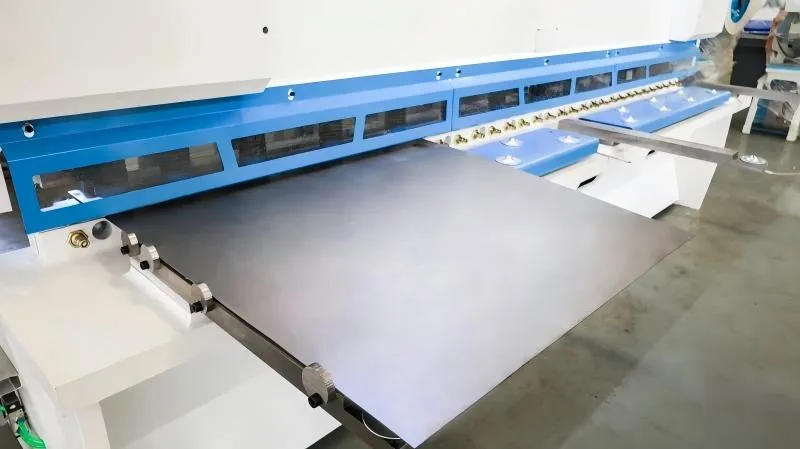
Shearing machine cutting accuracy loss refers to the gradual reduction in the machine’s ability to achieve the required cutting dimensions and edge quality. A properly maintained shearing machine should provide stable cutting performance, but continuous operation can affect critical components and reduce overall precision.
Accuracy problems may appear as inconsistent sheet lengths, angled cuts, excessive burrs, uneven cutting gaps, or material movement during operation. These issues not only affect product quality but can also increase material waste and production costs.
Why Cutting Accuracy Decreases Over Time
A shearing machine relies on precise coordination between blades, backgauges, hydraulic systems, and machine structures. When any of these components experience wear or misalignment, the cutting process becomes less accurate. Regular inspection and preventive maintenance are essential to prevent small issues from developing into major accuracy problems.
Main Causes of Shearing Machine Cutting Accuracy Loss
Blade Wear and Improper Blade Clearance
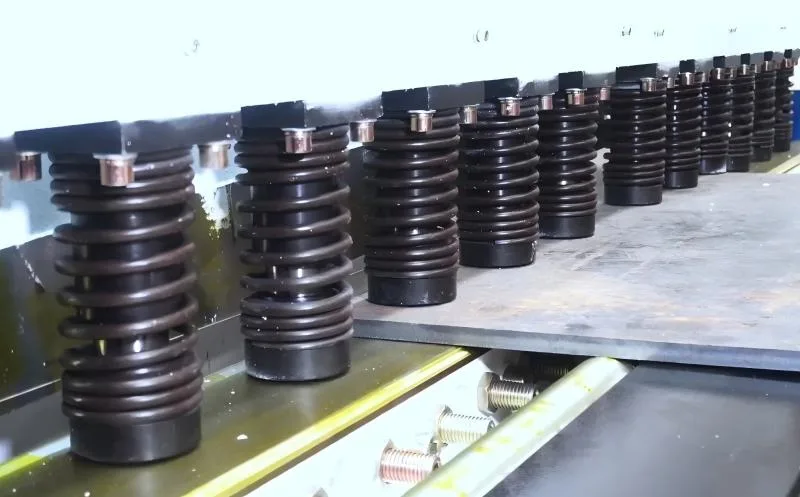
The cutting blade is one of the most important components affecting accuracy. During continuous operation, the blade edge gradually becomes dull due to friction and repeated cutting forces.
A worn blade requires more cutting force and may create uneven shearing conditions. In addition, incorrect blade clearance between the upper and lower blades can cause excessive burrs, material deformation, and inaccurate cutting dimensions.
I recommend regularly checking blade sharpness and adjusting the blade gap according to material thickness and type.
Erreurs de positionnement de la butée arrière
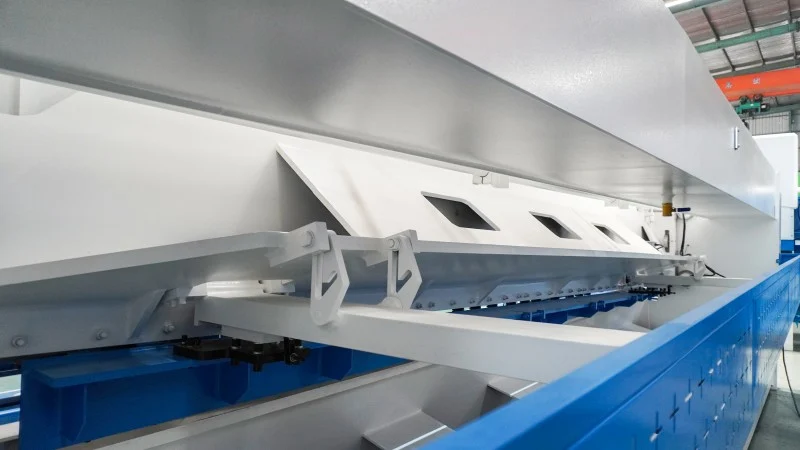
The backgauge system directly controls the cutting length of the workpiece. If the backgauge becomes misaligned or the positioning mechanism wears out, the machine may produce inconsistent cutting sizes.
Common causes include worn guide rails, loose screws, damaged sensors, or inaccurate calibration. Checking and recalibrating the backgauge system is an effective way to improve cutting repeatability.
Mechanical Component Wear
Long-term operation causes wear on mechanical components such as guide rails, bearings, screws, and connecting parts. Even small amounts of looseness can affect the stability of the cutting process.
When mechanical parts are not properly maintained, vibration and movement errors may occur, leading to Shearing Machine Cutting Accuracy Loss.
Hydraulic System Problems
For hydraulic shearing machines, stable pressure is essential for accurate cutting. Hydraulic oil contamination, leakage, or insufficient pressure can affect blade movement and cutting consistency.
A hydraulic system that does not operate smoothly may cause uneven blade travel, delayed response, or incomplete cutting actions. Regular hydraulic inspection helps maintain stable machine performance.
Déformation du châssis de la machine
Heavy-duty cutting operations generate significant stress on the machine frame. Over many years of operation, excessive loads or improper installation conditions may cause structural deformation.
Even minor frame distortion can affect blade alignment and reduce cutting accuracy, especially when processing long or thick metal sheets.
How to Restore Shearing Machine Cutting Accuracy
Step 1: Inspect and Adjust Blade Condition
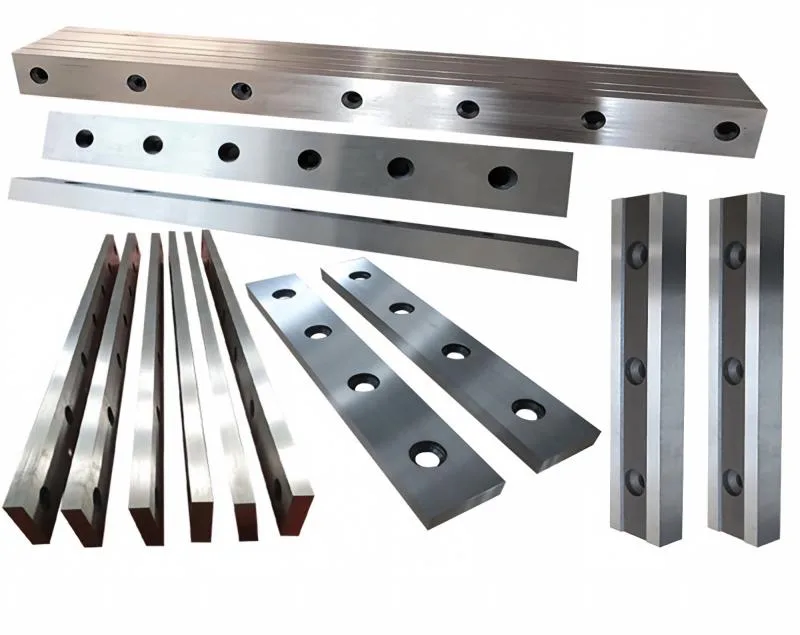
Start by checking blade sharpness, edge damage, and installation position. Replace severely worn blades and adjust blade clearance based on material specifications.
Proper blade maintenance improves cutting quality and reduces unnecessary stress on the machine.
Step 2: Calibrate the Backgauge System
Verify the actual positioning accuracy of the backgauge compared with the CNC or control system settings. If deviations occur, perform calibration and inspect related mechanical components.
A properly calibrated backgauge ensures consistent cutting length and improves production efficiency.
Step 3: Check Hydraulic and Electrical Systems
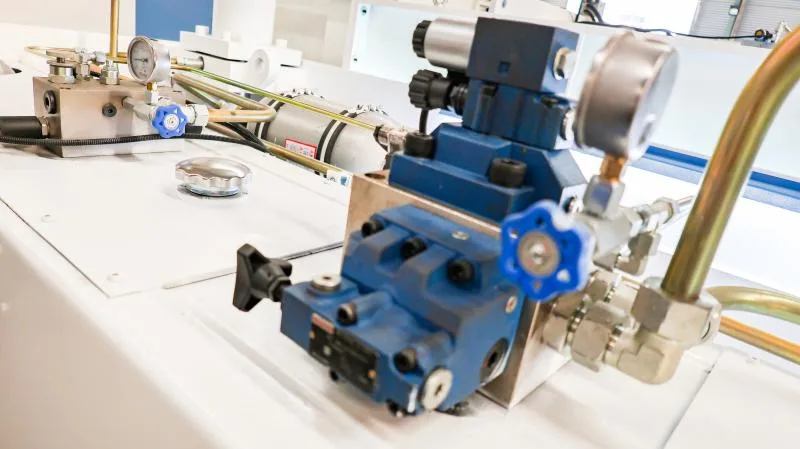
Inspect hydraulic pressure, oil quality, valves, and cylinders to ensure stable operation. At the same time, check electrical components such as sensors, cables, and control systems.
Stable hydraulic and electrical performance is essential for maintaining cutting precision.
Step 4: Perform Regular Preventive Maintenance
Preventive maintenance is the most effective way to avoid Shearing Machine Cutting Accuracy Loss. Create a maintenance schedule that includes blade inspection, lubrication, hydraulic checks, and accuracy testing.
Regular maintenance helps identify early problems before they affect production.
Common Mistakes That Reduce Shearing Accuracy
Ignoring Blade Maintenance
Operating with dull blades increases cutting force and reduces edge quality. Delayed blade replacement can also damage other machine components.
Skipping Accuracy Calibration
Many operators focus only on production output and overlook regular calibration. Without periodic checks, small positioning errors can gradually become serious accuracy problems.
Using Incorrect Cutting Parameters
Different materials require different blade clearance and cutting settings. Incorrect parameters can accelerate wear and reduce cutting quality.
Neglecting Machine Cleaning
Metal chips, dust, and oil contamination can affect moving parts and sensors. Keeping the machine clean improves reliability and accuracy.
FAQ
What causes Shearing Machine Cutting Accuracy Loss?
The main causes include blade wear, incorrect blade clearance, backgauge errors, hydraulic problems, mechanical wear, and insufficient maintenance.
How often should I check my shearing machine accuracy?
Regular accuracy checks are recommended based on production intensity. For high-volume operations, monthly inspections are a good practice.
Can replacing blades improve cutting accuracy?
Yes. Sharp and properly adjusted blades significantly improve cutting quality, reduce burrs, and maintain accurate dimensions.
Conclusion
Shearing Machine Cutting Accuracy Loss is usually caused by gradual wear, improper adjustment, or insufficient maintenance rather than a sudden failure. By regularly inspecting blades, calibrating the backgauge, maintaining hydraulic systems, and checking mechanical components, you can significantly improve cutting stability and extend machine lifespan.
If you need professional guidance on shearing machine maintenance or accuracy improvement, feel free to contact our team. We are ready to provide technical support and help you achieve reliable cutting performance.


