


Shearing Machine Blade Chipping is a common problem that can reduce cutting accuracy, increase maintenance costs, and shorten blade service life. When operating a shearing machine in daily production, I know that damaged blades can lead to poor cut quality, unexpected downtime, and increased material waste. If you want to understand why blade chipping happens and how to prevent it effectively, you’re in the right place. In this article, I’ll explain the main causes of blade damage and provide practical maintenance methods to help you protect your blades, improve cutting performance, and extend the overall lifespan of your shearing machine.
Compréhension Machine à cisailler Blade Chipping Problems
What Is Shearing Machine Blade Chipping?
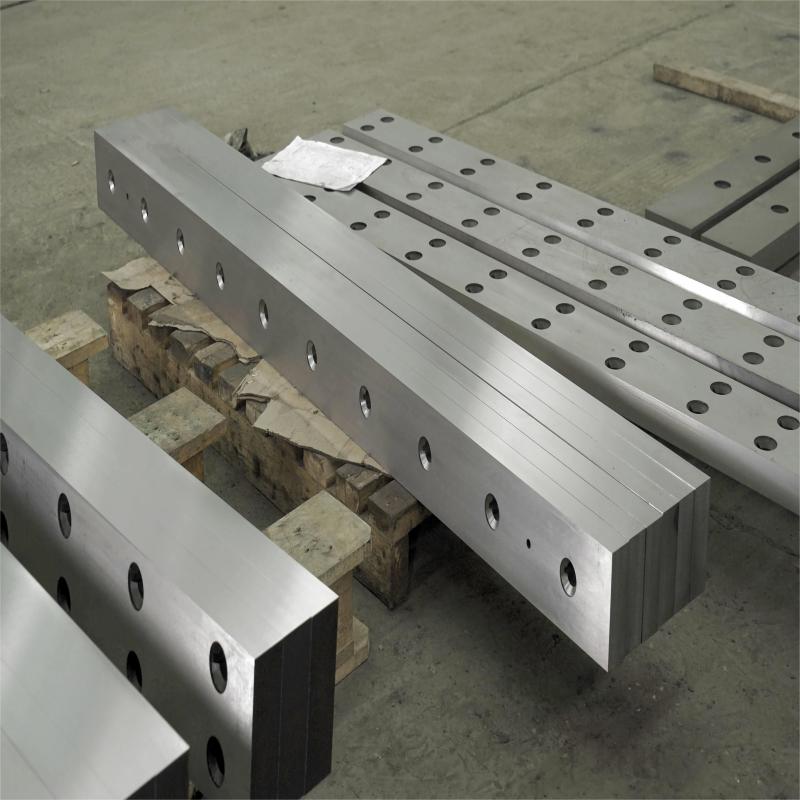
Blade chipping refers to the small cracks, broken edges, or missing pieces that appear on the cutting blade during operation. Unlike normal blade wear, chipping usually happens suddenly due to excessive stress, improper settings, or unsuitable operating conditions.
A chipped blade cannot maintain a consistent cutting edge, which may result in rough surfaces, uneven cuts, and increased cutting resistance. Over time, continuous operation with damaged blades can also place additional stress on the machine frame and drive system.
Why Preventing Blade Chipping Is Important
The cutting blade is one of the most important components of a shearing machine. Maintaining good blade condition directly affects production efficiency and product quality.
By preventing Shearing Machine Blade Chipping, operators can:
- Maintain stable cutting accuracy
- Reduce blade replacement frequency
- Lower machine maintenance costs
- Avoid unexpected production interruptions
- Extend the service life of mechanical components
Main Causes of Shearing Machine Blade Chipping
Incorrect Blade Clearance Ajustement
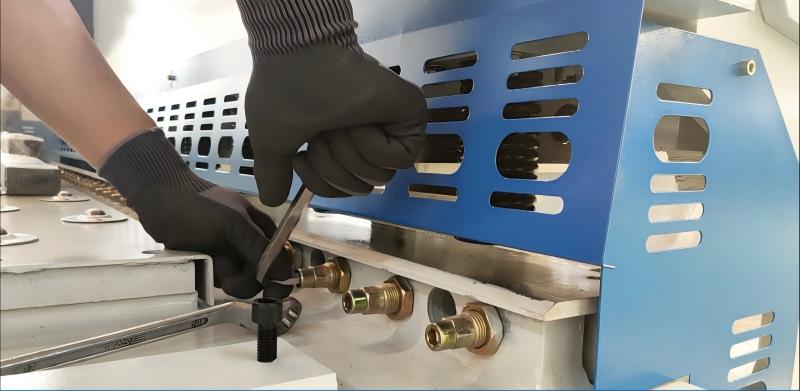
How Improper Blade Gap Causes Chipping
Blade clearance has a direct impact on cutting force distribution. If the gap between the upper and lower blades is too small, excessive pressure is generated during cutting, causing the blade edge to experience unnecessary stress.
On the other hand, excessive clearance can create impact forces and uneven cutting loads, which may also accelerate blade damage.
I recommend adjusting blade clearance according to material thickness, material type, and manufacturer specifications. Correct clearance helps reduce stress concentration and prevents premature blade failure.
Cutting Materials Beyond Machine Capacity
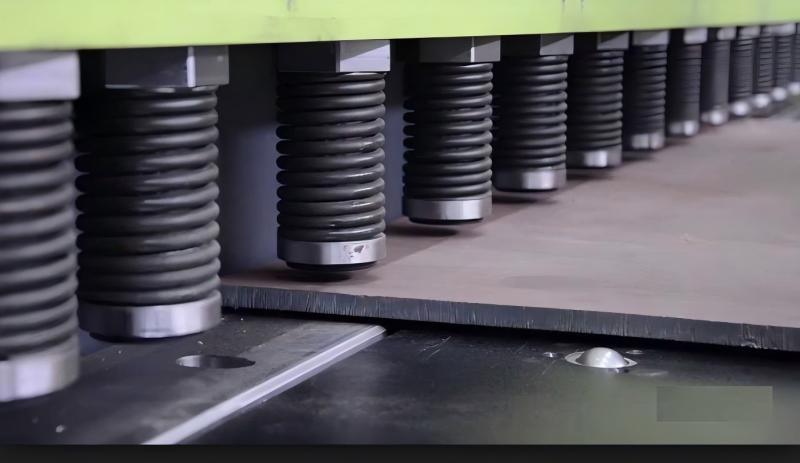
Effects of Hard or Thick Materials on Blade Life
Processing materials that exceed the recommended cutting capacity is one of the most common reasons for blade chipping. High-strength steel, hardened materials, or oversized plates require greater cutting force.
When the material resistance exceeds the blade’s designed capacity, the cutting edge may crack or break.
Before production, I always recommend checking material thickness, hardness, and machine specifications to ensure they match the shearing machine capability.
Poor Blade Maintenance and Inspection
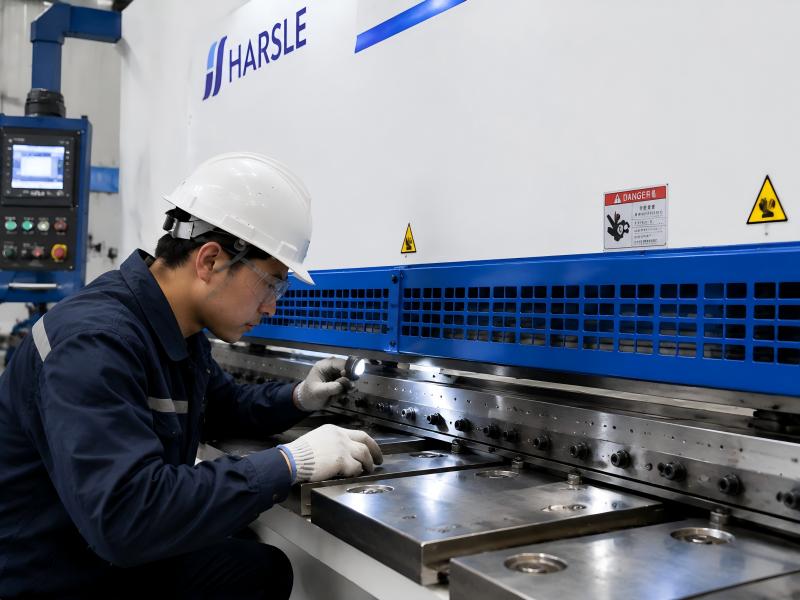
Importance of Regular Blade Checks
Small cracks or minor edge damage can quickly develop into serious chipping problems if they are ignored.
Regular inspections should include:
- Checking blade edges for cracks or damage
- Inspecting blade mounting stability
- Checking blade clearance settings
- Removing metal debris from the cutting area
Early detection allows operators to repair or replace blades before major damage occurs.
Improper Blade Installation
How Installation Errors Affect Blade Performance
Incorrect installation can cause uneven contact between the upper and lower blades. This creates concentrated stress in certain areas, increasing the possibility of blade chipping.
During blade replacement, ensure that:
- Blade surfaces are properly cleaned
- Mounting bolts are tightened evenly
- Blade positioning is accurately adjusted
- Alignment is verified before operation
Proper installation is essential for achieving stable cutting performance.
How to Prevent Shearing Machine Blade Chipping Effectively
Step 1: Select the Correct Blade Material
Different applications require different blade materials. Choosing blades with suitable hardness and wear resistance helps prevent edge damage during heavy-duty cutting operations.
For high-strength materials, selecting a blade designed for demanding applications can significantly reduce the risk of chipping.
Step 2: Maintain Proper Blade Clearance Settings
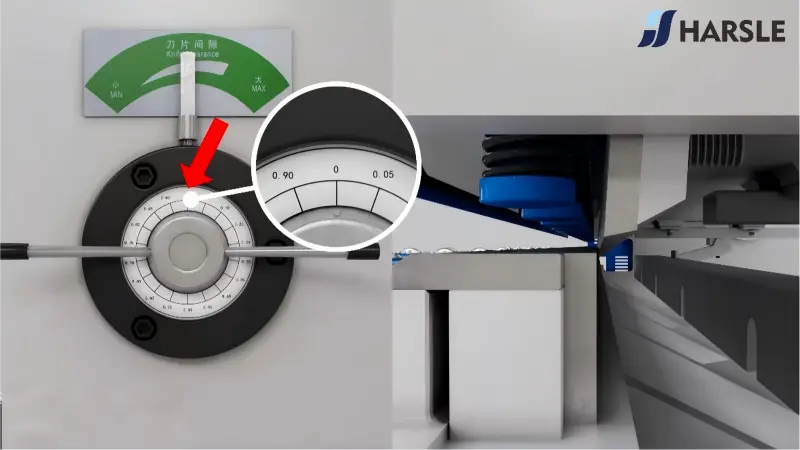
Correct clearance adjustment is one of the most effective ways to prevent blade damage.
I recommend creating standard clearance settings for commonly processed materials. This helps operators quickly select the correct parameters and maintain consistent cutting quality.
Step 3: Perform Regular Blade Inspection
Routine inspection should become part of daily machine maintenance. Operators should check blade conditions before starting production and monitor cutting performance during operation.
If abnormal noise, vibration, or poor cutting quality appears, the blade system should be inspected immediately.
Step 4: Keep the Cutting Area Clean
Metal scraps, dust, and oil contamination can affect blade positioning and cutting stability. Foreign materials trapped between components may create uneven loading and increase the risk of blade damage.
Keeping the working area clean improves adjustment accuracy and helps maintain reliable machine performance.
Step 5: Monitor Cutting Conditions During Operation
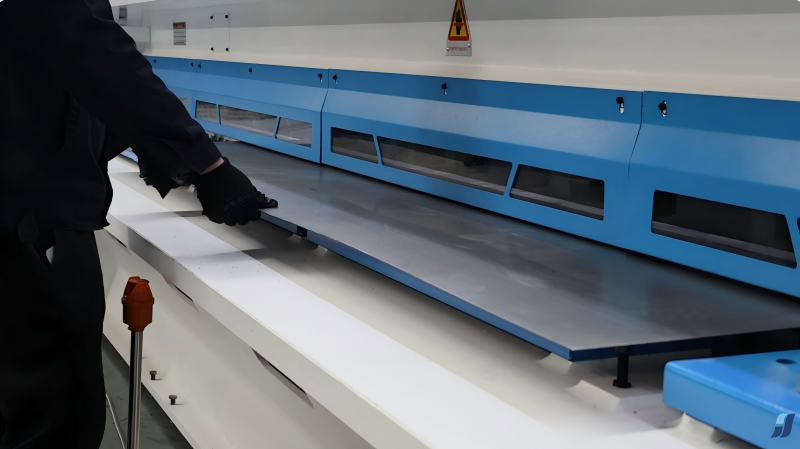
Operators should pay attention to unusual sounds, increased cutting resistance, and changes in cut quality.
Abnormal operating conditions often indicate early signs of blade problems. Addressing these issues quickly can prevent serious blade chipping and reduce downtime.
Best Practices for Extending Shearing Machine Blade Life
Follow Preventive Maintenance Plans
A preventive maintenance schedule helps identify potential blade problems before they become failures. Regular inspection, adjustment, and cleaning should be included in routine maintenance activities.
Use Proper Cutting Parameters
Avoid forcing the machine to cut materials beyond recommended limits. Correct operating parameters reduce unnecessary stress on blades and improve machine stability.
Keep Maintenance Records
Recording blade replacement dates, adjustment values, and inspection results helps identify repeated problems and optimize maintenance strategies.
FAQ
What are the common signs of Shearing Machine Blade Chipping?
Common signs include visible cracks on the blade edge, rough cutting surfaces, increased cutting noise, uneven cuts, and reduced cutting performance.
Can incorrect blade clearance cause Shearing Machine Blade Chipping?
Yes. Incorrect blade clearance can create excessive stress or uneven cutting forces, increasing the risk of blade edge damage.
How often should I inspect shearing machine blades?
Inspection frequency depends on production volume and material type. High-frequency cutting operations require more frequent checks.
Conclusion
Prévenir Shearing Machine Blade Chipping requires proper blade selection, correct clearance adjustment, regular inspection, and effective maintenance practices. By monitoring blade condition and operating the machine according to recommended parameters, operators can reduce downtime, improve cutting quality, and extend blade service life.
A well-maintained blade system is essential for achieving reliable and efficient shearing performance. For more technical guidance on shearing machine maintenance, blade adjustment, or equipment support, feel free to contact our team for professional assistance.


