


When working with fiber laser cutting systems, one of the most frequent quality challenges I encounter is the الألومنيوم القطع بالليزر مشكلة, especially when processing thin sheets. Aluminum is highly reflective, thermally conductive, and sensitive to heat input, which makes it more difficult to cut cleanly compared to carbon steel. If you’re struggling with rough edges, burrs, or inconsistent cuts, you’re in the right place. In this article, I’ll explain the main causes and practical solutions to improve cutting quality and achieve stable production results.
Understanding Aluminum القطع بالليزر Problem in Thin Sheets
Why Aluminum Is Difficult to Cut
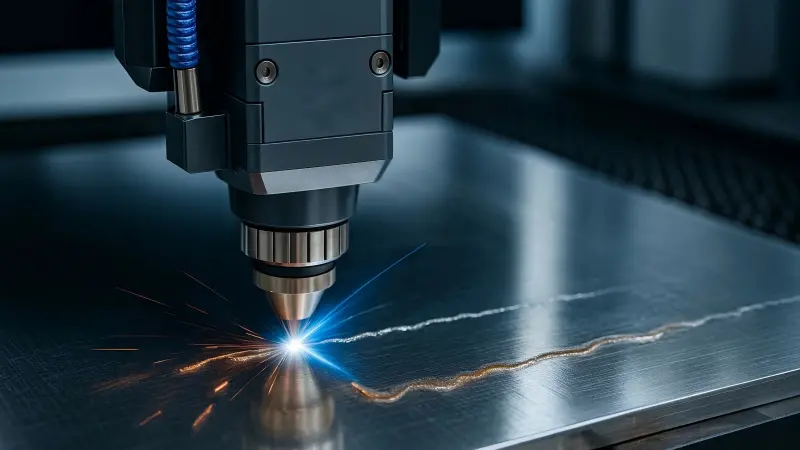
Aluminum reflects laser energy and dissipates heat quickly, which reduces energy absorption in the cutting zone. This leads to unstable melting behavior and contributes to the Aluminum Laser Cutting Problem in thin sheet processing.
Thin Sheet Sensitivity Issues
Thin aluminum sheets are more sensitive to parameter changes such as power, focus position, and cutting speed. Even small deviations can cause edge burning, deformation, or incomplete cutting.
Main Causes of Aluminum Laser Cutting Problem
Incorrect Laser Power Settings
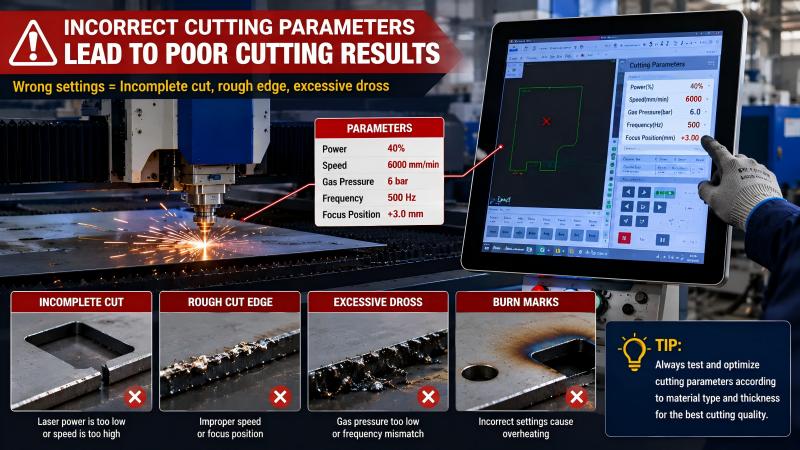
Too much power can cause overheating and melting deformation, while too little power leads to incomplete penetration and rough edges.
Improper Focus Position
Focus position plays a critical role in energy concentration. Incorrect focus leads to poor energy density distribution and unstable cutting results.
Inadequate Assist Gas Selection
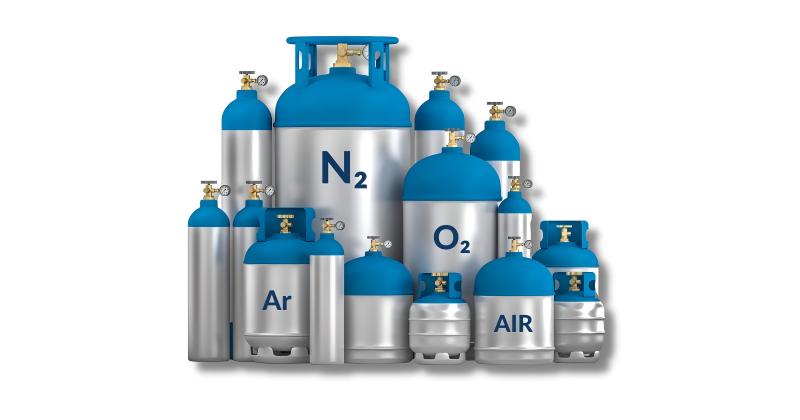
Nitrogen is commonly used for aluminum cutting. If gas purity or pressure is insufficient, oxidation and burr formation become more severe.
High Cutting Speed Instability
Excessive cutting speed prevents full material removal, while overly slow speed increases heat buildup, both contributing to the Aluminum Laser Cutting Problem.
How to Improve Aluminum Laser Cutting Quality
Optimize Cutting Parameters for Thin Sheets
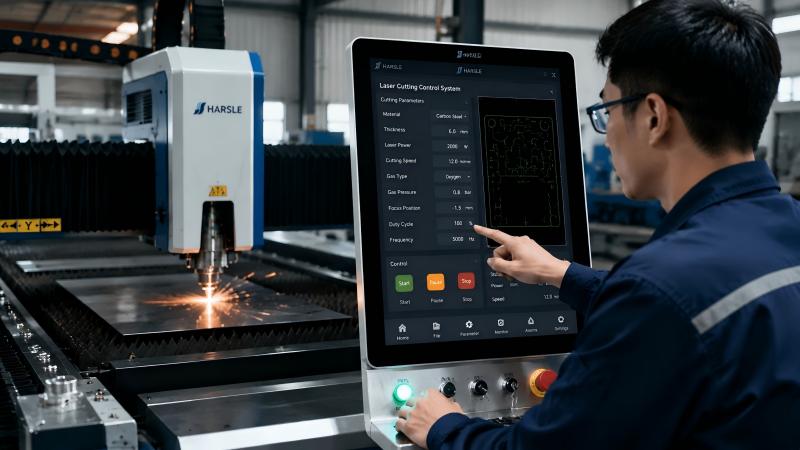
I always recommend starting with manufacturer-recommended parameters and then fine-tuning laser power, speed, and focus position based on material thickness.
Use High-Purity Nitrogen Assist Gas
Using high-purity nitrogen helps prevent oxidation and significantly improves edge smoothness when cutting aluminum.
Improve Beam Quality and Calibration
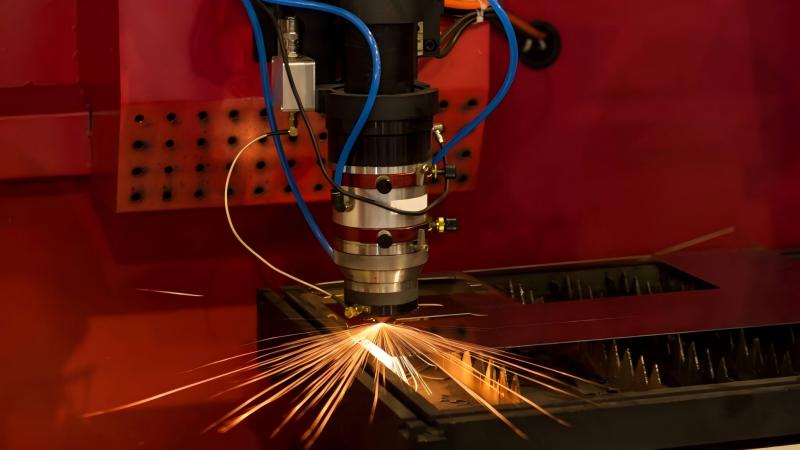
Regular optical system maintenance ensures stable beam output. Cleaning lenses and checking alignment can greatly reduce cutting defects.
Reduce Thermal Accumulation
For thin sheets, reducing heat input by adjusting pulse frequency or cutting strategy helps prevent warping and edge damage.
Stabilize Machine Environment
A stable machine foundation and vibration-free environment help maintain consistent cutting accuracy, especially in high-speed operations.
Best Practices for Stable Aluminum Cutting
Always Run Test Cuts First
Before mass production, I recommend performing test cuts to confirm optimal parameter settings for each batch of material.
Maintain Clean Optics and Nozzles
Dirty lenses or worn nozzles directly affect beam quality and gas flow, worsening cutting performance.
Monitor Material Variations
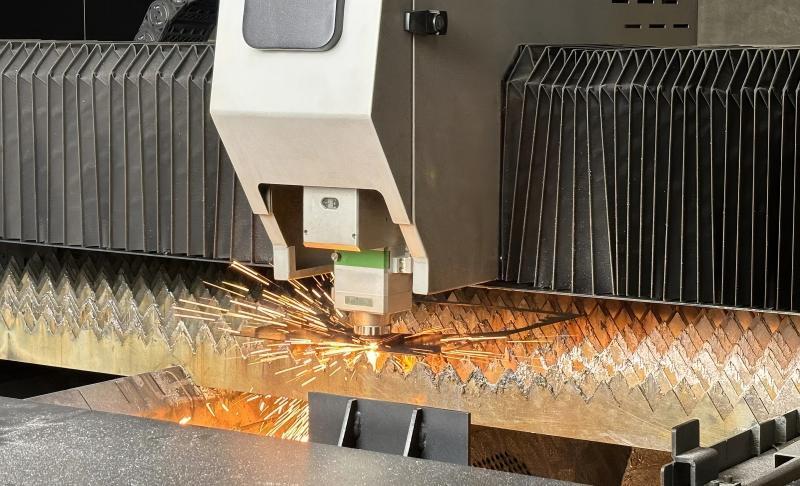
Different aluminum alloys behave differently under laser exposure, so adjustments are often necessary depending on material grade.
الأسئلة الشائعة
Why does aluminum produce more burrs than steel?
Aluminum’s thermal conductivity and low melting point cause unstable melt ejection, which leads to burr formation if parameters are not optimized.
Can the Aluminum Laser Cutting Problem be completely eliminated?
It cannot be fully eliminated, but it can be significantly reduced with correct parameters, gas control, and machine maintenance.
Is nitrogen always required for aluminum cutting?
Yes, nitrogen is generally preferred because it prevents oxidation and improves edge quality in thin sheet applications.
خاتمة
Improving the Aluminum Laser Cutting Problem in thin sheets requires a balanced approach involving parameter optimization, proper assist gas selection, optical system maintenance, and stable machine conditions. By applying these methods consistently, you can achieve cleaner edges, better precision, and more reliable production performance.
If you need further technical support or machine recommendations, feel free to contact our team. I’m always here to help you improve laser cutting efficiency and quality.


