


Laser Lens Contamination is a critical issue in القطع بالليزر operations, as even minor particles or residue on the optical lens can significantly reduce cutting performance. Laser cutting machines rely heavily on optical precision, and contamination can lead to poor beam focus, unstable cutting behavior, and increased maintenance costs. In this article, I’ll explain how lens contamination occurs in daily operation and share practical prevention methods. By following these guidelines, operators can keep the lens clean, extend its service life, and ensure stable, high-precision cutting results in continuous production environments.
Understanding the Causes of Laser Lens Contamination
Dust and Metal Particles in the Cutting Environment
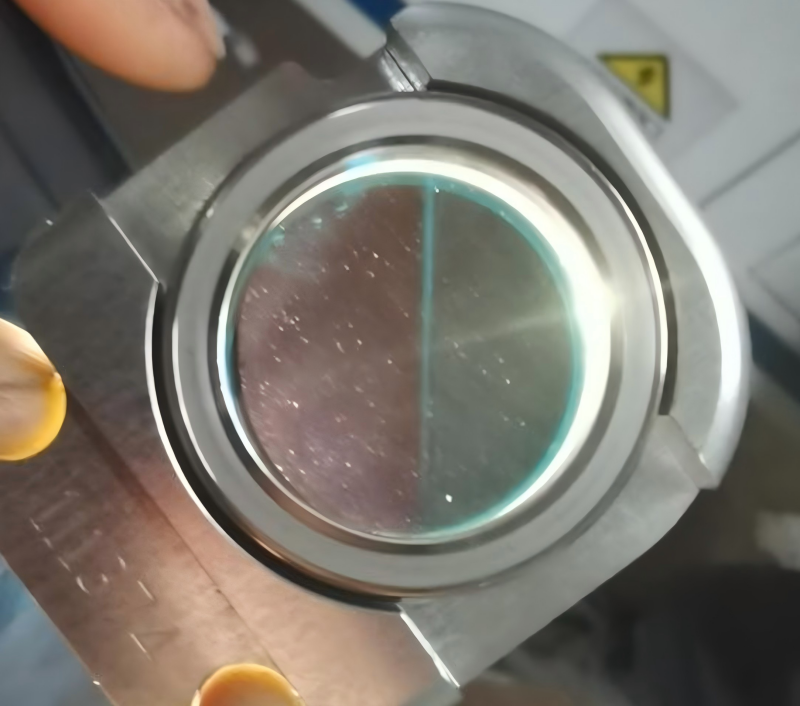
During laser cutting, fine dust, slag, and airborne metal particles are generated continuously. These particles can easily rise into the optical path and settle on the lens surface.
Improper Gas Flow or Nozzle Issues
If the assist gas pressure is too low or the nozzle is misaligned, molten material and debris are more likely to splash upward, directly contaminating the lens.
Moisture and Oil Vapor in the Air System
Compressed air containing oil mist or moisture can leave residue on the protective lens, gradually reducing optical clarity and causing burn marks.
Step-by-Step Laser Lens Contamination Prevention Methods
Step 1: Maintain Clean Cutting Environment

I always recommend keeping the machine area clean and dust-free. Regularly remove metal scraps around the cutting bed to prevent airborne contamination.
Step 2: Check Nozzle Alignment Daily
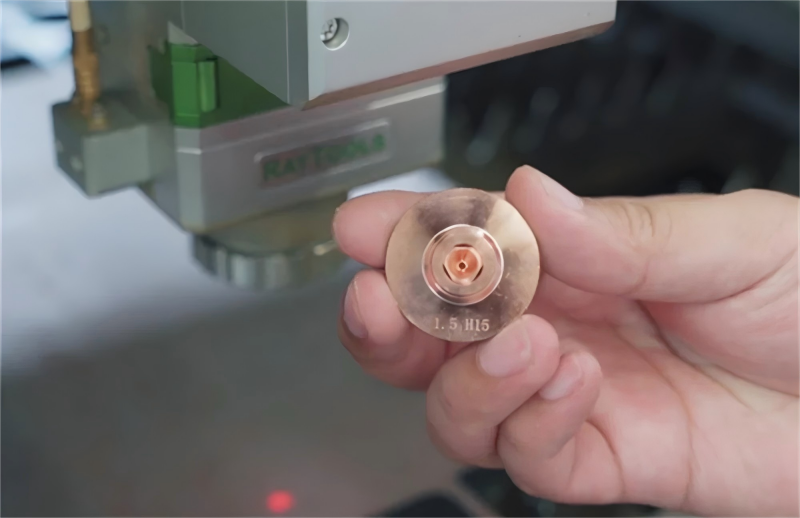
Proper nozzle alignment ensures stable gas flow direction. A misaligned nozzle increases the chance of debris bouncing upward toward the lens.
Step 3: Use Clean and Dry Assist Gas
Make sure the air compressor system includes proper filtration and drying units. Clean, dry gas significantly reduces oil and moisture contamination risk.
Step 4: Inspect Protective Lens Regularly
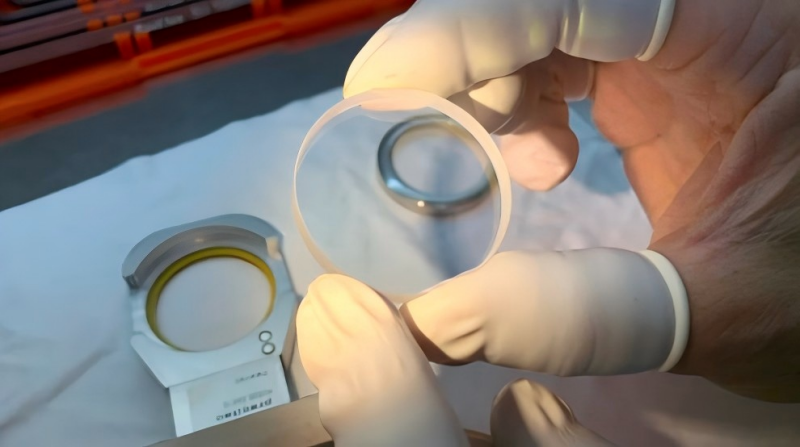
The protective lens is the first barrier against contamination. I check it daily and replace it immediately if I notice clouding, burn spots, or residue buildup.
Step 5: Optimize Cutting Parameters
Incorrect focus height, excessive power, or improper cutting speed can increase spatter. Adjusting parameters properly helps reduce upward debris splashing.
Step 6: Establish Routine Maintenance Schedule
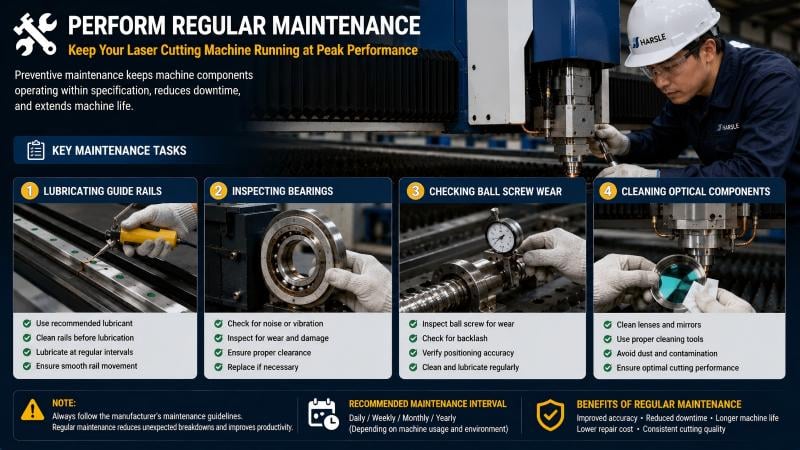
Regular preventive maintenance ensures long-term stability. Cleaning optical components and checking air system quality should be part of daily and weekly routines.
Best Practices for Long-Term Lens Protection
Keep Spare Protective Lenses Ready
In production environments, downtime is costly. I always recommend keeping spare protective lenses available for quick replacement.
Train Operators on Proper Handling
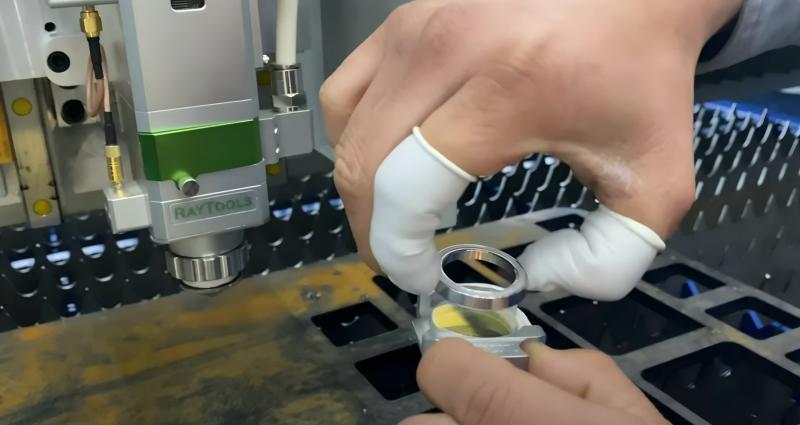
Operator behavior directly affects lens condition. Training should include correct cleaning methods, safe handling, and contamination prevention awareness.
Monitor Air Quality System
A stable filtration system is critical. Regularly replace filters in the air compressor and check for oil or moisture leakage.
الأسئلة الشائعة
How often should I clean the laser lens to prevent Laser Lens Contamination?
I recommend checking the protective lens daily and cleaning or replacing it depending on the level of contamination and production intensity.
What is the most common cause of laser lens damage?
The most common cause is contamination from dust, metal particles, and oil vapor in the cutting environment or air system.
Can contaminated lenses affect cutting accuracy?
Yes, even slight contamination can reduce beam focus, leading to poor edge quality, incomplete cutting, or inconsistent performance.
خاتمة
منع Laser Lens Contamination is essential for maintaining cutting precision and machine stability. By keeping the environment clean, ensuring proper gas flow, maintaining air quality, and inspecting optical components regularly, you can greatly reduce the risk of lens damage.
Consistent preventive maintenance not only improves cutting quality but also reduces downtime and operational costs. If you need further technical support or maintenance guidance, feel free to contact our team for professional assistance.


