


Laser Cutting Speed Problem is a common issue in metal fabrication workshops that can affect production efficiency, cut quality, and machine lifespan. If your قاطعة الليزر is operating slower than expected, you need to understand the root causes and implement corrective measures. In this article, I’ll guide you through the most frequent causes of reduced cutting speed and provide practical steps to troubleshoot and optimize your machine’s performance. By following these guidelines, operators and maintenance teams can restore proper cutting rates, maintain precision, and prevent downtime caused by slow operations, ensuring consistent high-quality output for various sheet metal materials.
Common Causes of Laser Cutting Speed Problems
Insufficient Laser Power
Laser power degradation over time is a frequent cause of slow cutting speeds. Components like the laser source, mirrors, and lenses may lose efficiency, reducing the energy reaching the material.
Improper Cutting Parameters
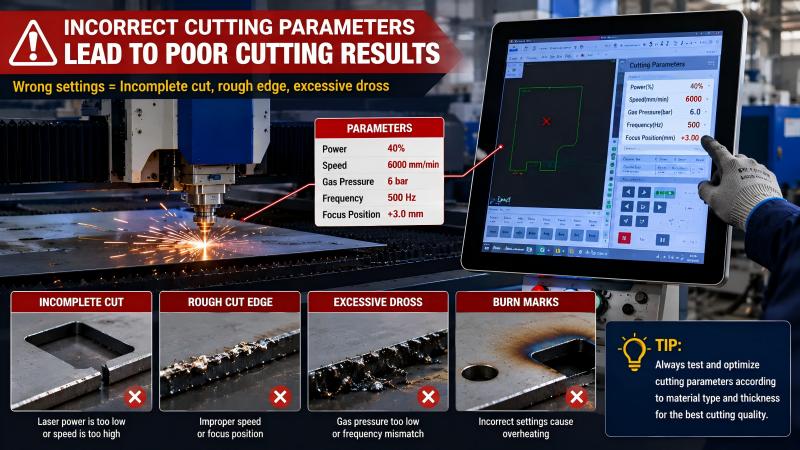
Incorrect settings such as feed rate, pulse frequency, focus position, or assist gas pressure can severely affect cutting speed. Even small deviations can increase cutting time.
Worn or Damaged Nozzle
A nozzle blocked by spatter or worn out can disrupt assist gas flow, causing incomplete cutting and slower operation. Regular inspection is crucial.
Contaminated or Misaligned Optics
Dirty or misaligned lenses reduce laser energy transmission, lowering cutting speed and affecting accuracy. Cleaning and realignment are essential maintenance tasks.
غاز مساعد مشاكل
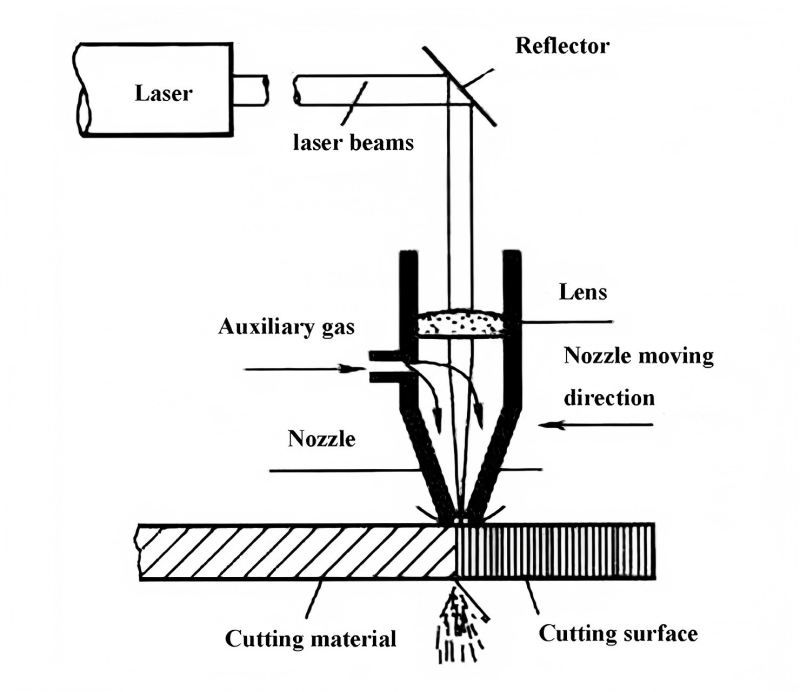
Low pressure or improper gas type can slow down material removal. Gas purity and flow must be checked to ensure efficient cutting.
Step-by-Step Troubleshooting Guide
Step 1: Verify Material Specifications

Confirm material type, thickness, and surface condition, as changes can require different power and speed settings.
Step 2: Inspect Laser Power Output
Check the laser source and measure output using diagnostics tools. Replace or service degraded components if necessary.
Step 3: Check and Adjust Cutting Parameters
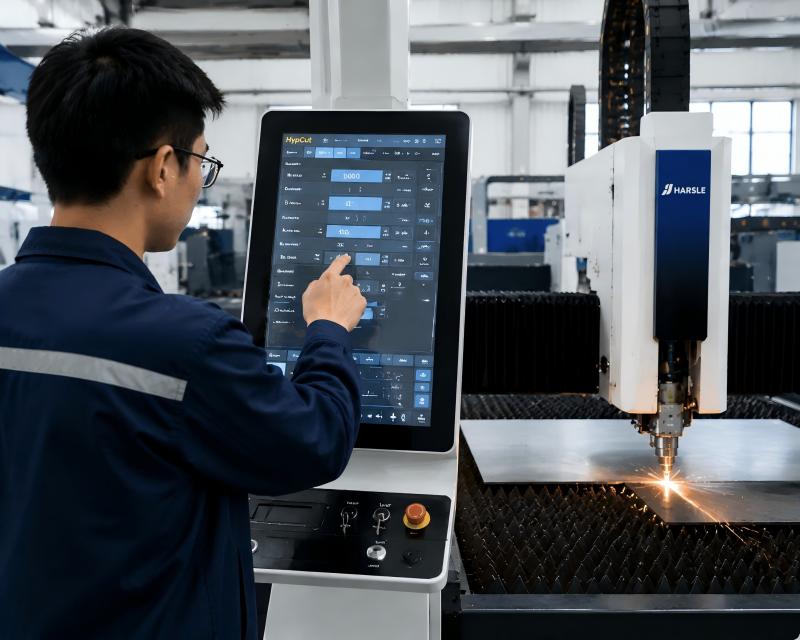
Optimize feed rate, pulse frequency, focus position, and gas pressure for the material. Document the optimal parameters for repeatability.
Step 4: Examine Nozzle Condition
Remove and inspect the nozzle for blockages or wear. Clean or replace as needed to maintain proper gas flow and cutting efficiency.
Step 5: Clean and Align Optical Components
Inspect protective and focusing lenses. Clean using approved methods and ensure alignment to maximize energy delivery.
Step 6: Verify Assist Gas Supply
Ensure correct gas type, purity, and pressure. Check regulators and flow to maintain efficient material removal.
Preventive Measures to Avoid Future Speed Problems
الصيانة والتفتيش الدوريان
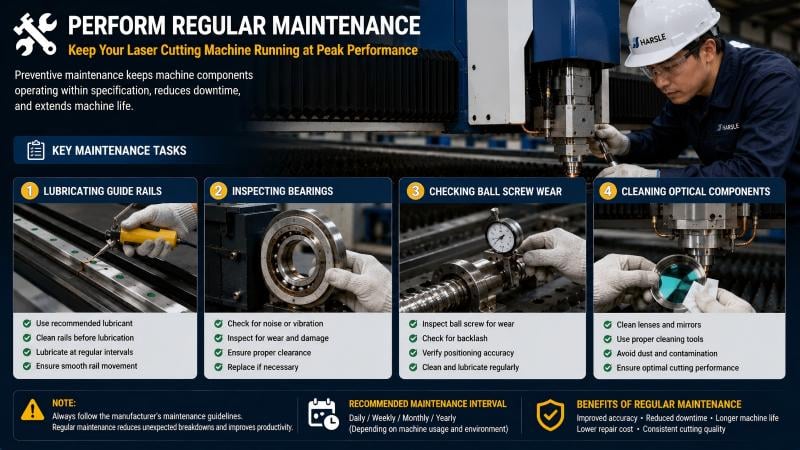
Establish daily, weekly, and monthly maintenance routines for optics, nozzles, and laser sources to prevent gradual performance loss.
أداء جهاز المراقبة
Use built-in diagnostics to detect early signs of laser degradation or misalignment that could affect cutting speed.
تدريب المشغل
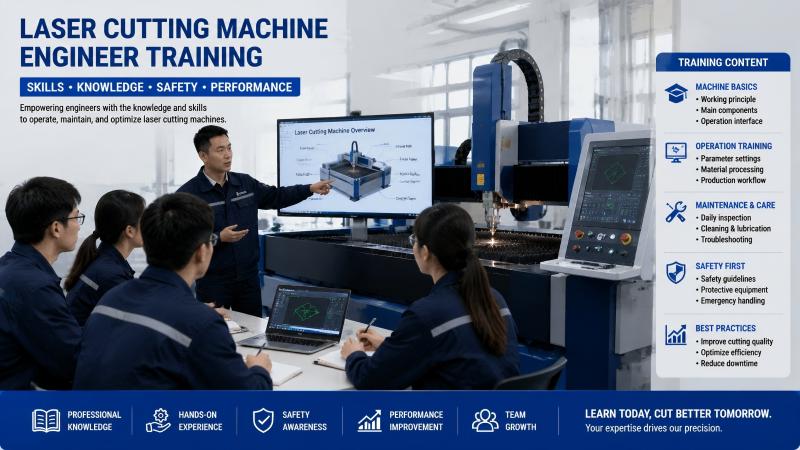
Train operators on proper parameter settings, maintenance practices, and material-specific adjustments to maintain optimal cutting speed.
التحكم البيئي
Maintain stable temperature and humidity to prevent optical distortion and condensation, which can reduce cutting efficiency.
الأسئلة الشائعة
Why is my laser cutting speed problem occurring despite full power?
Even at full power, slow cutting can result from blocked nozzles, misaligned optics, incorrect parameters, or low assist gas flow.
How often should I clean the laser lenses and nozzle?
Depending on usage and material type, inspect lenses daily and clean whenever contamination is visible. Nozzles should be checked and replaced regularly.
Can material thickness affect laser cutting speed?
Yes. Thicker materials require slower feed rates and higher power settings. Adjust parameters accordingly for consistent cutting speed.
خاتمة
Addressing a Laser Cutting Speed Problem requires systematic troubleshooting, regular maintenance, and proper parameter adjustments. By inspecting laser power, optimizing cutting parameters, cleaning and aligning optics, and maintaining assist gas flow, operators can restore proper cutting speeds and maintain precision. Consistent application of these practices ensures efficient production, reduces downtime, and prolongs the lifespan of your laser cutting machine. For additional guidance or technical support, contact the HARSLE team to optimize your laser cutting operations.


