


Laser Cutting Dimension Error is a common concern for manufacturers who rely on CNC آلات القطع بالليزر for precision production. If you’ve noticed that your finished parts do not match the intended dimensions, you’re probably wondering what causes these inaccuracies and how to correct them. In my experience, dimensional errors can result from machine calibration issues, mechanical wear, improper cutting parameters, thermal distortion, or programming mistakes. In this article, I’ll explain the most common causes of laser cutting dimension errors and provide practical solutions to help you improve cutting accuracy, reduce material waste, and maintain consistent production quality.
فهم القطع بالليزر Dimension Error
What Is a Laser Cutting Dimension Error?
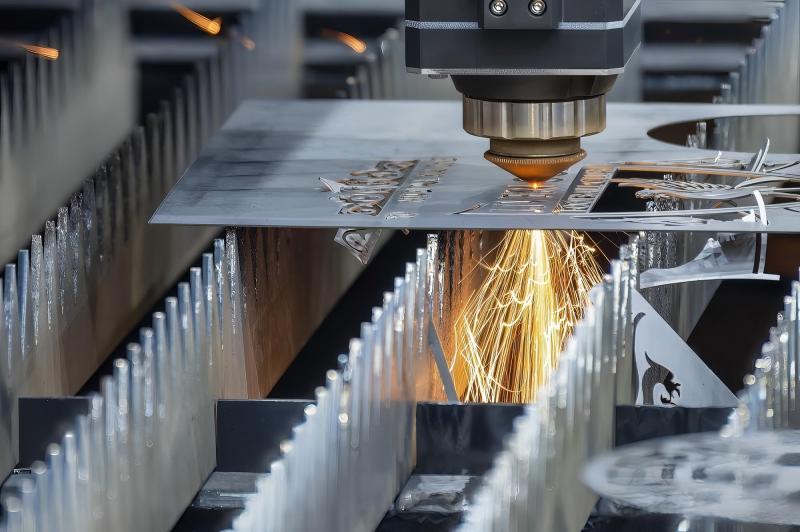
A Laser Cutting Dimension Error occurs when the actual size of a cut part differs from the dimensions specified in the CNC program. Even small deviations can create assembly problems, reduce product quality, and increase production costs.
Typical dimension errors include:
- Oversized parts
- Undersized parts
- Hole diameter deviations
- Positioning inaccuracies
- Uneven contour dimensions
Understanding the source of these errors is the first step toward correcting them.
Common Causes of Laser Cutting Dimension Error
Mechanical Wear in Drive Components
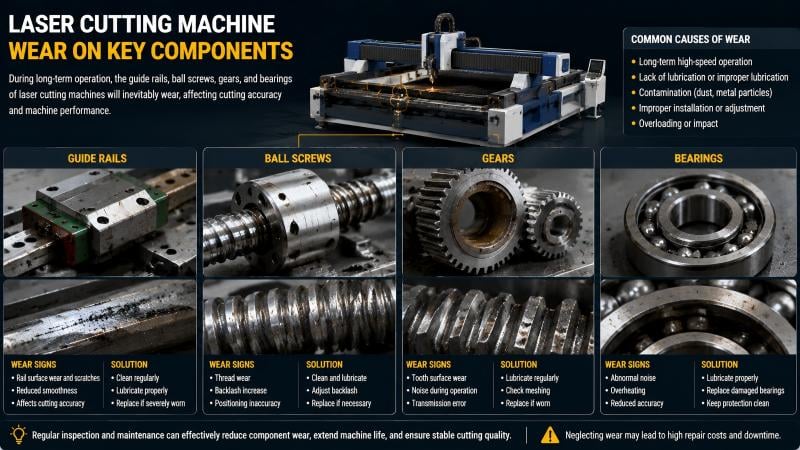
Over time, machine components such as guide rails, ball screws, gears, and bearings experience wear. This wear introduces backlash and positioning inaccuracies.
تشمل الأعراض الشائعة ما يلي:
- Repeated dimensional deviations
- Inconsistent cut sizes
- Poor repeatability
Regular inspection of motion components helps maintain positioning accuracy.
Improper Machine Calibration
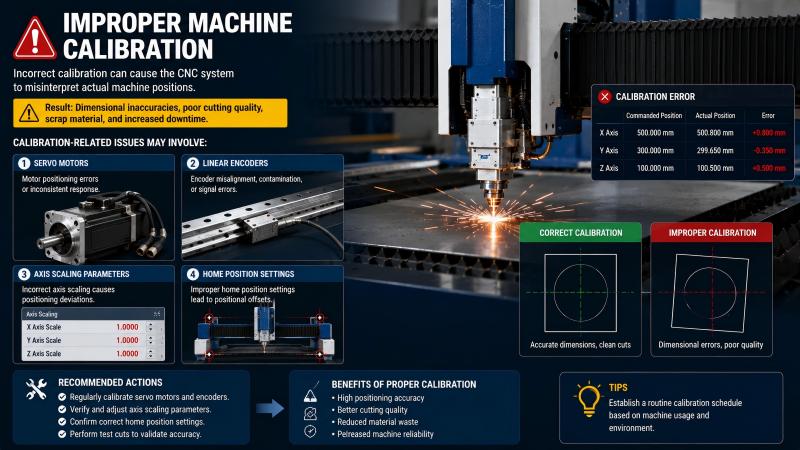
Incorrect calibration can cause the CNC system to misinterpret actual machine positions.
Calibration-related issues may involve:
- Servo motors
- Linear encoders
- Axis scaling parameters
- Home position settings
Even a minor calibration error can significantly affect finished part dimensions.
Incorrect Cutting Parameters
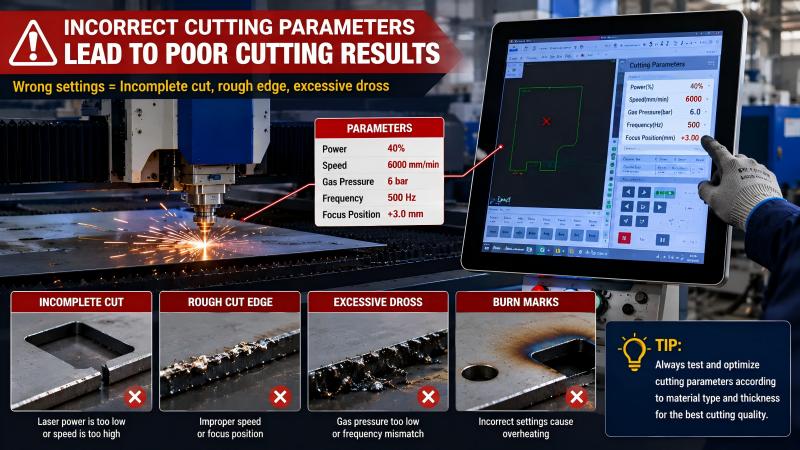
Laser power, cutting speed, focus position, and assist gas settings all influence kerf width and dimensional accuracy.
ومن الأمثلة على ذلك:
- Excessive laser power causing wider kerfs
- Improper focus creating irregular edges
- Incorrect speed leading to excessive material melting
Optimized parameters are essential for precise cutting.
Thermal Expansion and Material Distortion
Heat generated during laser cutting causes materials to expand temporarily.
Factors affecting thermal distortion include:
- سمك المادة
- نوع المادة
- Cutting sequence
- Part geometry
Large sheets and thin materials are particularly susceptible to dimensional changes caused by heat.
Poor Material Positioning
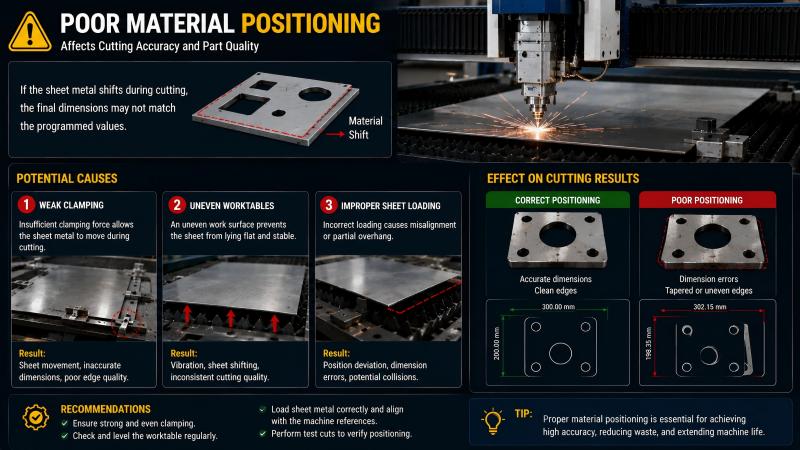
If the sheet metal shifts during cutting, the final dimensions may not match the programmed values.
Potential causes include:
- Weak clamping
- Uneven worktables
- Improper sheet loading
Stable material positioning is critical for precision manufacturing.
How to Diagnose Laser Cutting Dimension Error
Step 1: Verify Machine Calibration
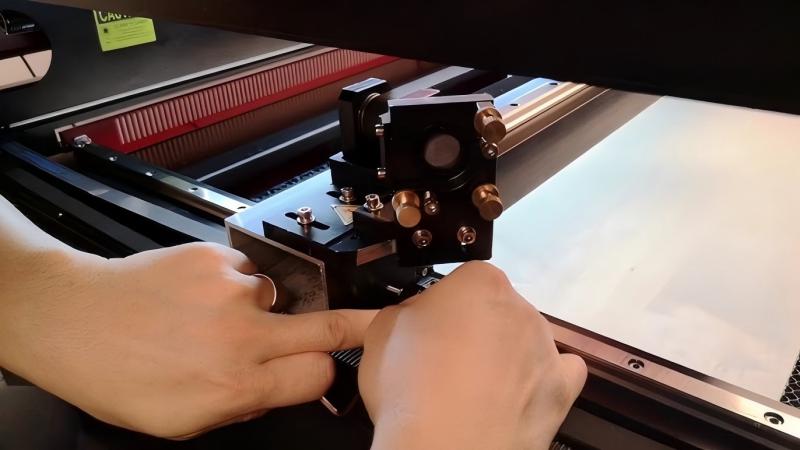
I usually begin by checking machine calibration.
Inspect:
- Axis travel accuracy
- Encoder feedback
- Servo positioning
- Reference points
Use precision measuring equipment to confirm that machine movement matches programmed commands.
Step 2: Check Mechanical Components
Inspect all motion-related components for wear.
Pay special attention to:
- قضبان توجيه خطية
- براغي كروية
- Bearings
- Rack and pinion systems
Excessive play or wear can directly affect dimensional accuracy.
Step 3: Evaluate Cutting Parameters
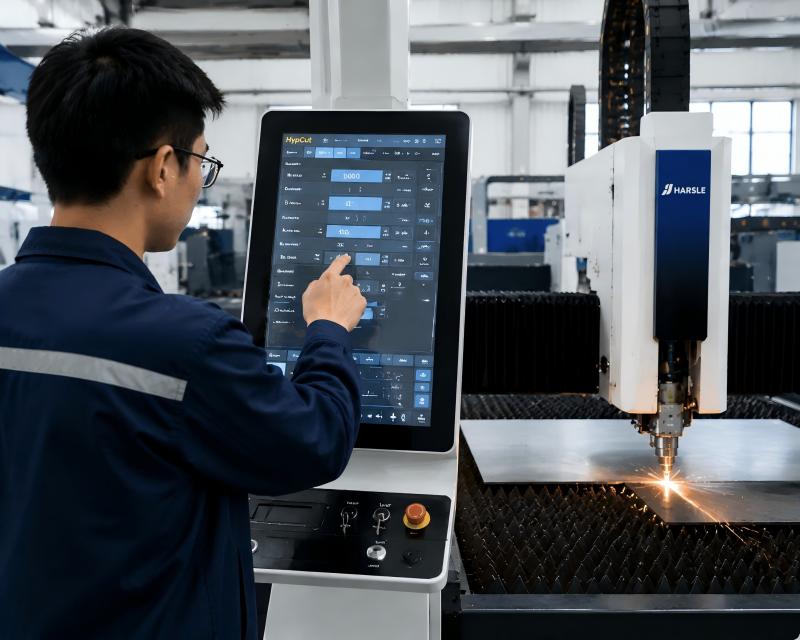
Compare the current cutting settings with recommended values.
Verify:
- Laser power
- سرعة القطع
- Focus position
- ضغط الغاز
Test cuts can help identify parameter-related issues quickly.
Step 4: Measure Kerf Width
Kerf width directly affects finished dimensions.
To evaluate kerf consistency:
- Perform a test cut.
- Measure the kerf at multiple locations.
- Compare results with programmed compensation values.
- Adjust CNC kerf compensation if necessary.
Consistent kerf width is essential for accurate part dimensions.
Step 5: Inspect Material Flatness
Warped or uneven sheets can cause focal position variations during cutting.
تحقق من:
- Material bowing
- Surface irregularities
- Improper support
Flat materials help maintain consistent cutting conditions.
Best Practices to Reduce Laser Cutting Dimension Error
قم بإجراء الصيانة الدورية
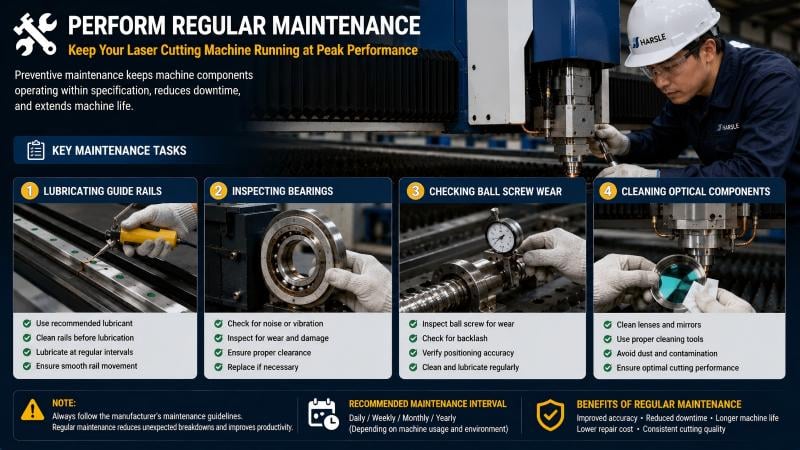
Preventive maintenance keeps machine components operating within specification.
Maintenance tasks should include:
- Lubricating guide rails
- Inspecting bearings
- Checking ball screw wear
- Cleaning optical components
A well-maintained machine delivers more consistent results.
Optimize CNC Programming
Programming errors can create unexpected dimension deviations.
Review:
- Lead-in and lead-out settings
- Kerf compensation values
- Cutting sequence
- Corner processing parameters
Accurate programming is just as important as machine condition.
Control Cutting Environment
Environmental conditions affect machine accuracy.
Monitor:
- درجة الحرارة المحيطة
- Humidity levels
- Floor stability
- Machine vibration
Stable operating conditions improve dimensional consistency.
Use Proper Material Handling Procedures
Proper loading and clamping reduce the risk of sheet movement.
Recommended practices include:
- Securing material evenly
- Using clean support surfaces
- Verifying sheet alignment before cutting
Good material handling helps maintain precision throughout production.
الأسئلة الشائعة
What is the most common cause of Laser Cutting Dimension Error?
The most common causes are machine calibration issues, worn motion components, incorrect cutting parameters, and improper kerf compensation settings.
Can worn guide rails affect dimensional accuracy?
Yes. Worn guide rails create positioning errors and reduce repeatability, leading to inconsistent part dimensions.
How often should I calibrate my CNC laser cutting machine?
Calibration frequency depends on machine usage, but I recommend checking calibration every few months and after major maintenance work.
Does material thickness influence dimensional accuracy?
Yes. Thicker materials often produce wider kerfs and greater thermal effects, requiring different cutting parameters and compensation settings.
خاتمة
أ Laser Cutting Dimension Error can result from mechanical wear, calibration problems, incorrect cutting parameters, thermal distortion, poor material positioning, or programming mistakes. By systematically inspecting machine components, verifying calibration, optimizing cutting parameters, and maintaining stable operating conditions, you can significantly improve dimensional accuracy.
Regular maintenance, proper kerf compensation, and consistent process control are essential for achieving high-precision laser cutting results. If you need additional assistance diagnosing dimensional accuracy issues or optimizing your CNC laser cutting machine, feel free to contact the HARSLE technical team for professional support and guidance.


