


When running a machine de découpe laser daily, maintaining performance and cut quality depends heavily on a proper Laser Cutter Cleaning Schedule. If you’re wondering how often and what exactly to clean, you’re in the right place. In this guide, I’ll walk you through a practical, easy-to-follow cleaning routine tailored for daily use. By following the right schedule, you can prevent contamination, maintain cutting precision, and extend the lifespan of your laser cutter while avoiding costly downtime.
Pourquoi un Laser Cutter Cleaning Schedule Matters
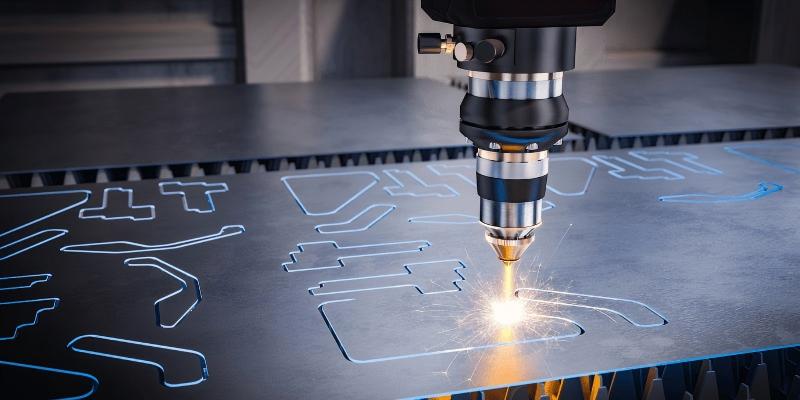
A well-structured Laser Cutter Cleaning Schedule is not just about keeping the machine looking clean—it directly impacts performance and reliability.
Preventing Dust and Residue Build-Up
During cutting, metal dust, slag, and fumes accumulate on key components. Without regular cleaning, these contaminants can reduce cutting efficiency and damage sensitive parts.
Maintaining Cutting Accuracy
Dirty lenses, nozzles, or guide rails can affect beam quality and positioning accuracy, leading to poor cutting results.
Extending Machine Lifespan
Routine cleaning reduces wear on mechanical and optical components, helping your machine operate longer with fewer breakdowns.
Best Laser Cutter Cleaning Schedule for Daily Use
To keep your machine in optimal condition, I recommend dividing the cleaning process into daily, weekly, and monthly tasks.
Step 1: Daily Cleaning Tasks for Laser Cutter Operation
At the end of each working shift, perform these essential cleaning steps:
- Clean the cutting bed: Remove slag, scrap, and debris to prevent interference with future cuts.
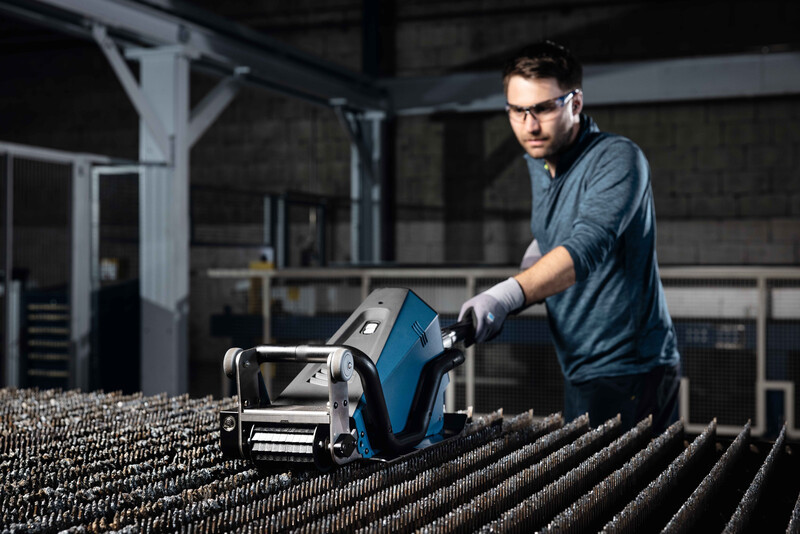
- Wipe down the machine surface: Keep external surfaces clean to avoid dust entering internal systems.
- Check and clean the nozzle: Ensure there is no blockage that could affect gas flow and cutting precision.
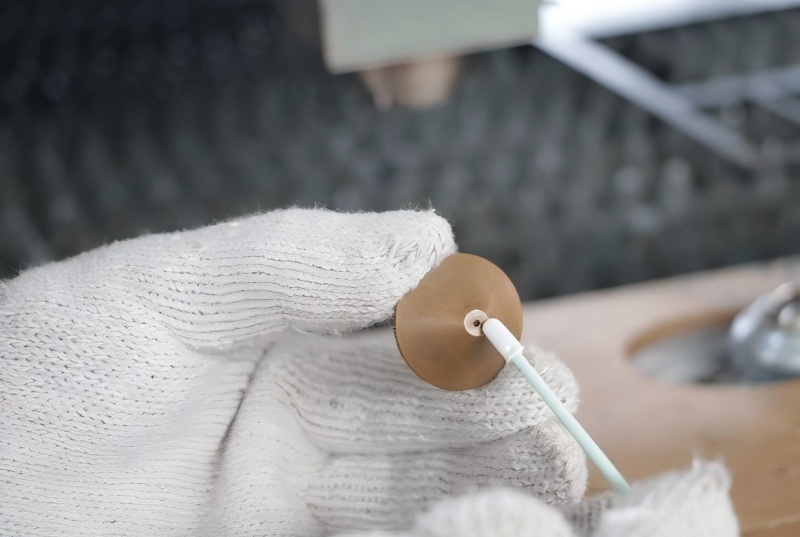
- Inspect protective lenses: Lightly clean if dust or smoke residue is visible.
These daily actions form the foundation of an effective Laser Cutter Cleaning Schedule.
Step 2: Weekly Maintenance Cleaning Routine
Once a week, perform deeper cleaning tasks:
- Clean guide rails and linear bearings: Remove dust and apply proper lubrication if needed.
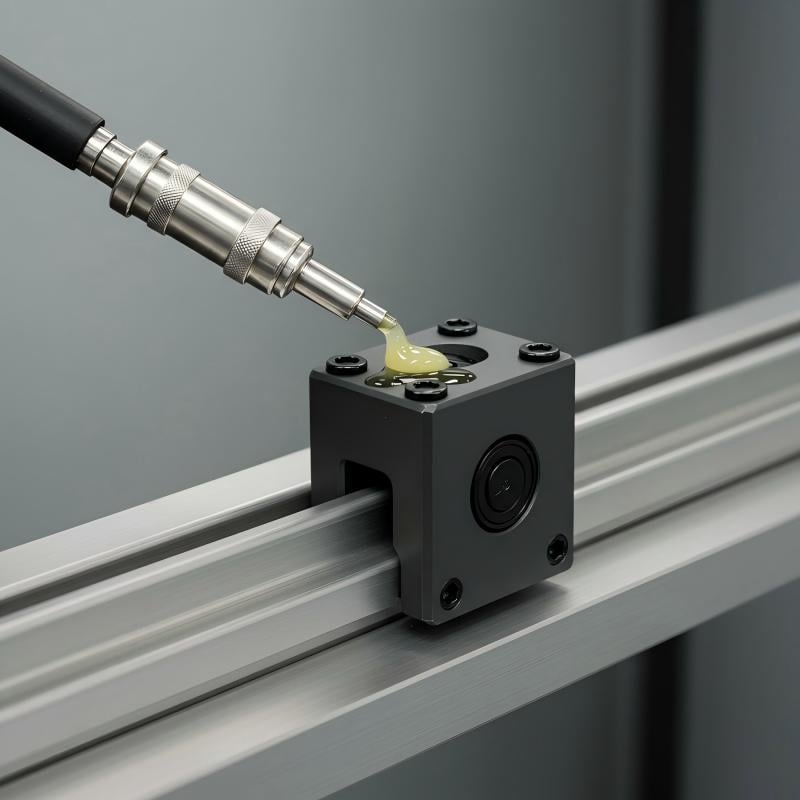
- Inspect and clean exhaust system filters: Ensure proper ventilation and fume extraction.
- Check cooling system: Clean filters and ensure water quality is maintained.
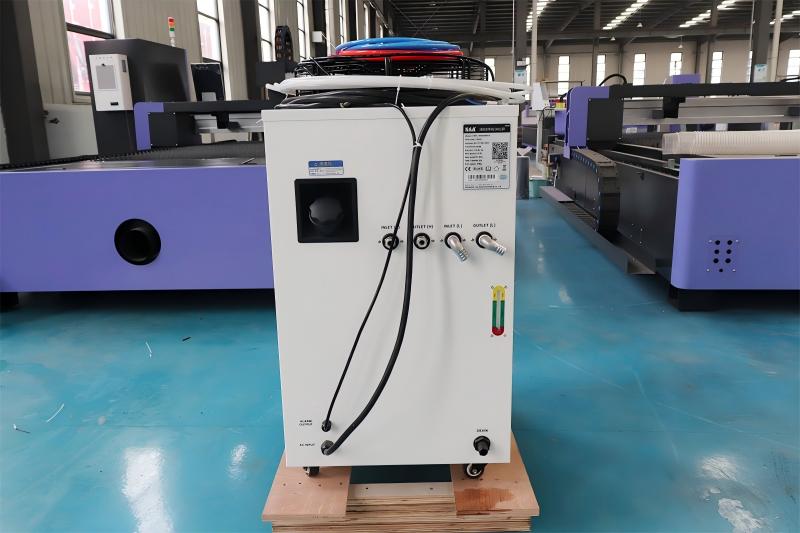
- Inspect cables and connectors: Remove dust and ensure all connections are secure.
Weekly cleaning helps maintain consistent performance and prevents gradual degradation.
Step 3: Monthly Deep Cleaning and Inspection
For long-term reliability, I recommend a more thorough monthly cleaning:
- Clean optical components carefully: Including mirrors and focusing lenses using approved materials.
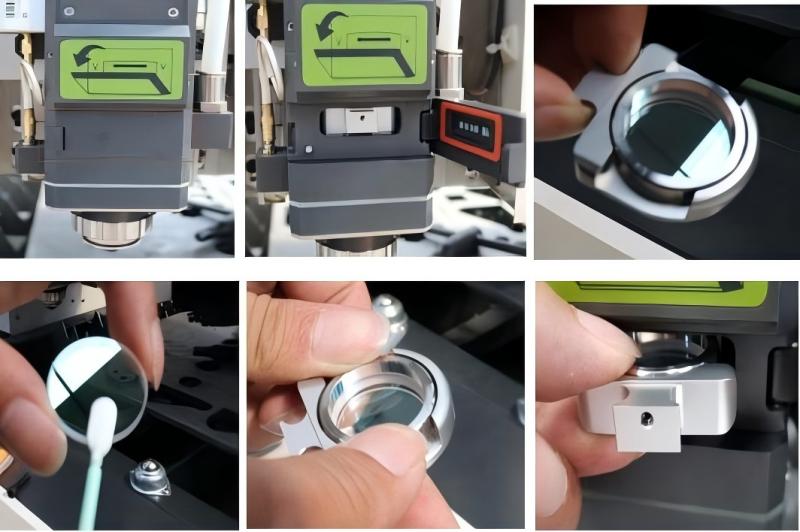
- Inspect laser head alignment: Ensure beam alignment remains accurate.
- Check lubrication systems: Refill or replace lubricants as needed.
- Inspect air assist system: Clean pipelines and ensure stable airflow.
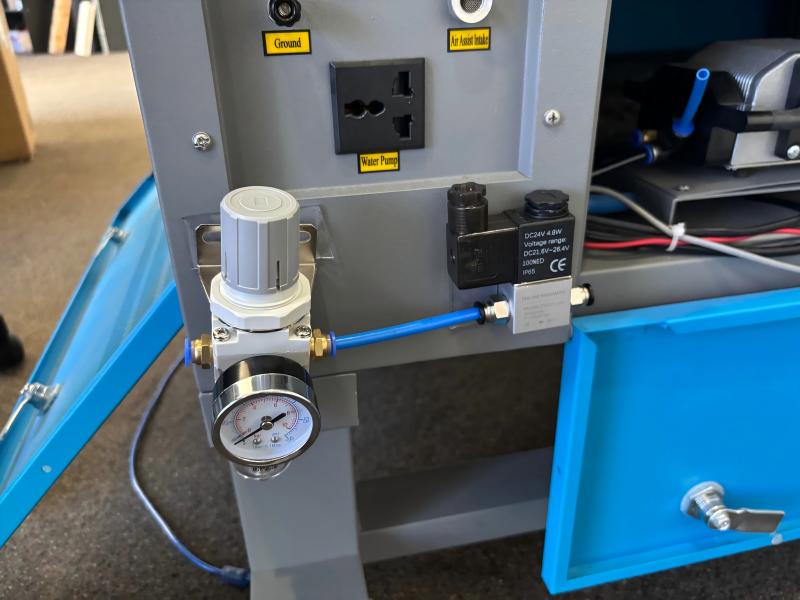
This step ensures your Laser Cutter Cleaning Schedule supports both performance and durability.
Common Mistakes in Laser Cutter Cleaning
Using Incorrect Cleaning Materials
Using rough cloths or improper solvents can damage sensitive optical components. Always use recommended cleaning tools.
Ignoring Hidden Areas
Operators often focus only on visible parts, neglecting internal components like rails and filters, which are equally important.
Inconsistent Cleaning Schedule
Skipping cleaning tasks leads to gradual performance loss and potential machine failure.
FAQ
How often should I follow a Laser Cutter Cleaning Schedule?
Daily cleaning is essential after each shift, while weekly and monthly maintenance should be scheduled regularly based on machine usage.
What parts require the most frequent cleaning?
The cutting bed, nozzle, and protective lenses require the most frequent attention due to constant exposure to debris and fumes.
Can poor cleaning affect cutting quality?
Yes, insufficient cleaning can lead to reduced beam quality, inaccurate cuts, and increased machine wear.
Conclusion
A proper Laser Cutter Cleaning Schedule is essential for maintaining efficiency, precision, and machine longevity. By combining daily cleaning tasks with weekly and monthly maintenance routines, you can significantly reduce downtime and ensure consistent cutting quality.
If you want to get the best performance from your laser cutting machine, start implementing this structured cleaning schedule today. For more professional advice or support, feel free to contact our team—we’re always ready to help you optimize your production.


