


Découpe laser Gas System performance is critical to achieving stable gas flow and high purity, which directly impact cutting quality and machine efficiency. When I work with laser cutting machines, I focus on maintaining these systems properly to ensure consistent results. If you’re looking for practical guidance on maintaining laser cutting gas systems, I’ll walk you through the key steps, common issues, and best practices. By managing your gas supply, filtration, and pressure systems effectively, you can improve cutting precision, reduce downtime, and extend the life of your equipment.
Compréhension Découpe laser Gas Systems and Their Role
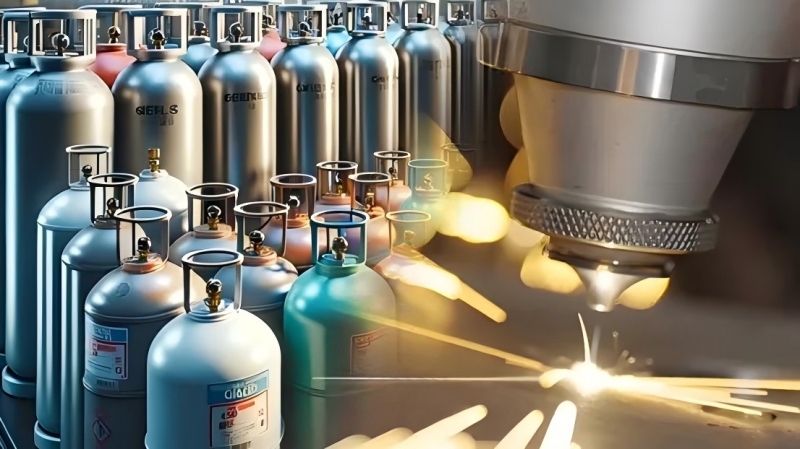
Laser cutting gas systems are responsible for delivering assist gases such as oxygen, nitrogen, or compressed air to the cutting head. These gases directly affect cutting speed, edge quality, and oxidation levels. Proper laser cutting gas systems maintenance ensures consistent pressure, clean gas delivery, and reliable performance.
In my experience, neglecting gas system care often leads to poor cut edges, unstable cutting, and increased operating costs. That’s why routine inspection and maintenance are not optional—they are essential.
How to Maintain Laser Cutting Gas Systems Step by Step
Step 1: Inspect Gas Supply and Pressure Stability
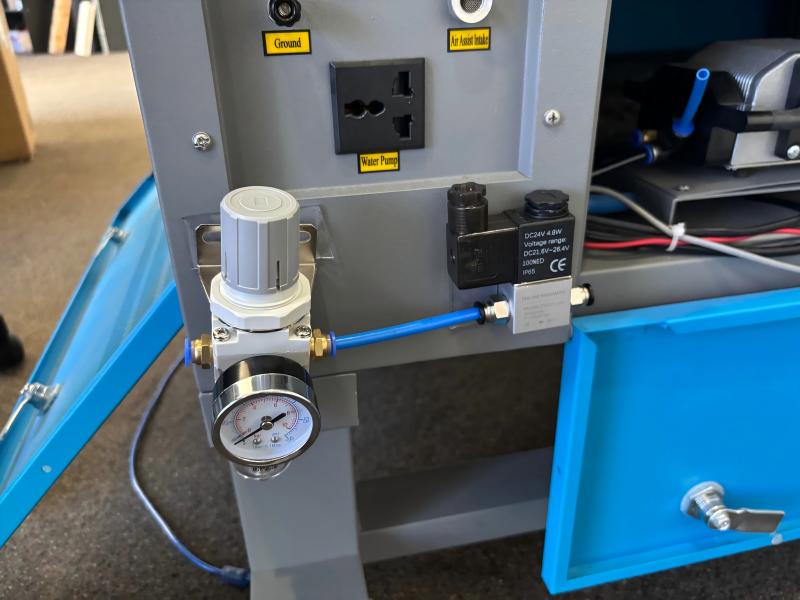
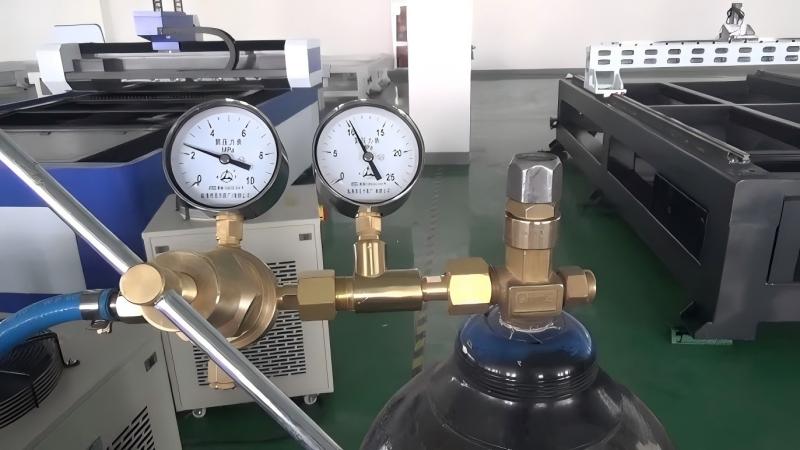
I always start by checking the gas source, whether it’s cylinders, tanks, or compressors. Ensure that the pressure regulators are functioning correctly and delivering stable output.
Unstable pressure can cause inconsistent cutting results, especially when working with stainless steel or aluminum. I recommend using a calibrated pressure gauge to verify that the gas pressure matches your machine’s specifications.
Step 2: Check Gas Purity and Filtration System
Gas purity plays a major role in cutting performance. For example, nitrogen used in laser cutting should have high purity (usually 99.99% or above). I regularly inspect filters and dryers in the gas line to ensure there is no moisture, oil, or dust contamination.
Replacing clogged filters and maintaining air dryers can prevent internal damage to laser cutting gas systems and ensure a clean cutting process.
Step 3: Inspect Gas Pipes and Connections
Leaks in gas pipelines are a common but often overlooked issue. I make it a habit to check all hose connections, valves, and fittings for leaks using a leak detection solution or pressure drop testing.
Even small leaks can reduce efficiency, increase gas consumption, and compromise cutting quality. Tightening or replacing worn-out connectors is a simple but effective maintenance action.
Step 4: Clean Nozzles and Gas Channels
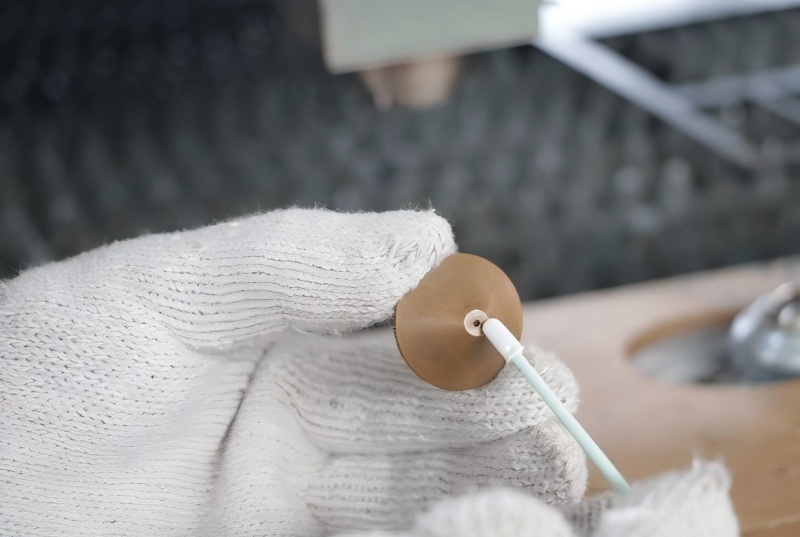
The nozzle is the final point where gas exits, so it must remain clean and unobstructed. I regularly clean the nozzle to remove slag, dust, or residue that may block gas flow.
A blocked nozzle can disrupt gas distribution, leading to rough edges or incomplete cuts. For best results, I recommend inspecting nozzles daily in high-production environments.
Step 5: Monitor Gas Flow Rate and Cutting Performance
I always correlate gas system performance with actual cutting results. If I notice burrs, discoloration, or unstable cutting lines, I immediately check the gas flow rate and system condition.
Using flow meters can help monitor gas consumption and detect abnormalities early. This proactive approach is key to effective laser cutting gas systems maintenance.
Common Laser Cutting Gas System Problems and Solutions
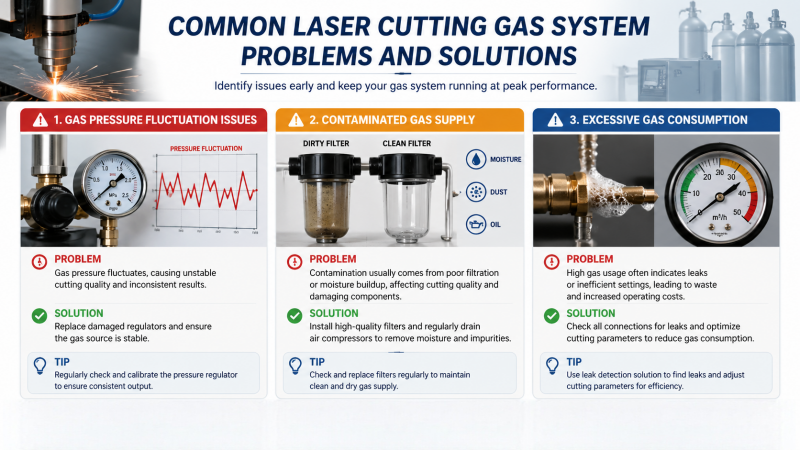
Gas Pressure Fluctuation Issues
If the gas pressure fluctuates, it is often due to faulty regulators or inconsistent supply. I recommend replacing damaged regulators and ensuring the gas source is stable.
Contaminated Gas Supply
Contamination usually comes from poor filtration or moisture buildup. Installing high-quality filters and regularly draining air compressors can solve this problem.
Excessive Gas Consumption
High gas usage often indicates leaks or inefficient settings. I suggest checking all connections and optimizing cutting parameters to reduce waste.
Preventive Maintenance Tips for Laser Cutting Gas Systems
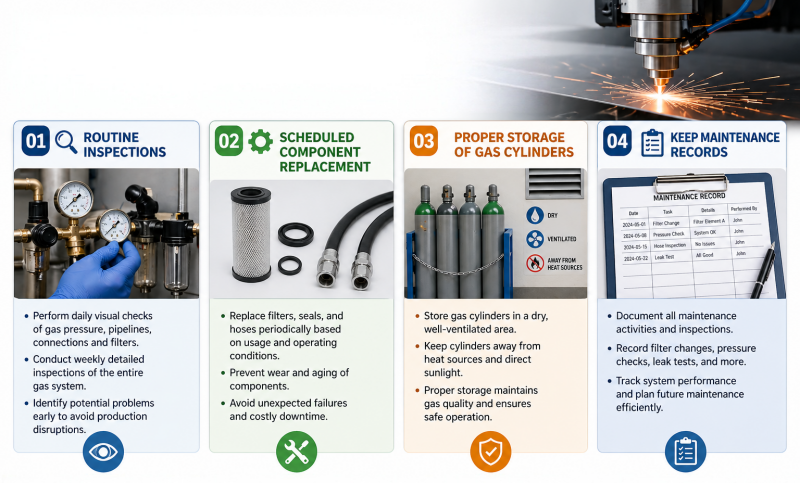
Inspections de routine
I perform daily visual checks and weekly detailed inspections of the entire gas system. This helps identify potential problems before they affect production.
Scheduled Component Replacement
Filters, seals, and hoses should be replaced periodically based on usage. Waiting until failure can lead to costly downtime.
Proper Storage of Gas Cylinders
Gas cylinders should be stored in a dry, ventilated area away from heat sources. Proper storage helps maintain gas quality and safety.
Keep Maintenance Records
I always document maintenance activities, including filter changes and pressure checks. This helps track system performance and plan future maintenance efficiently.
FAQ About Laser Cutting Gas Systems Maintenance
Q: How often should I perform laser cutting gas systems maintenance?
A: I recommend daily checks for basic components and a more thorough inspection every 1–2 weeks, depending on machine usage and production intensity.
Q: What gas purity is required for laser cutting gas systems?
A: For most applications, nitrogen should be at least 99.99% pure, while oxygen purity should meet industry standards to ensure optimal cutting results.
Q: How do I know if my laser cutting gas system has a leak?
A: You can detect leaks by monitoring pressure drops, increased gas consumption, or using leak detection solutions on joints and connections.
Q: Why is my cutting quality decreasing even with correct parameters?
A: In many cases, poor gas flow, contaminated gas, or clogged nozzles in the laser cutting gas systems are the root causes.
Conclusion
Maintaining laser cutting gas systems is essential for achieving consistent cutting quality and maximizing machine efficiency. By regularly inspecting gas pressure, ensuring purity, checking for leaks, and cleaning critical components, I can keep the system running smoothly and avoid costly interruptions. If you want to optimize your laser cutting performance or need professional support, feel free to contact the HARSLE team or explore more of our technical documentation for deeper insights.
Il ne vous reste plus assez de mots Humanizer. Passez à un forfait Surfer supérieur.


