


Ensuring high performance in découpe laser requires careful attention to Laser Beam Quality. A beam that is misaligned, inconsistent, or degraded can directly impact cutting precision, edge quality, and overall efficiency. In this article, I’ll walk you through the key steps for inspecting laser beam quality, helping you maintain optimal machine performance. Whether you are working with fiber, CO₂, or hybrid lasers, understanding how to monitor and evaluate beam characteristics is essential for reliable operation and consistent results in your sheet metal fabrication processes.
Understanding Laser Beam Quality
Key Parameters of Laser Beam Quality
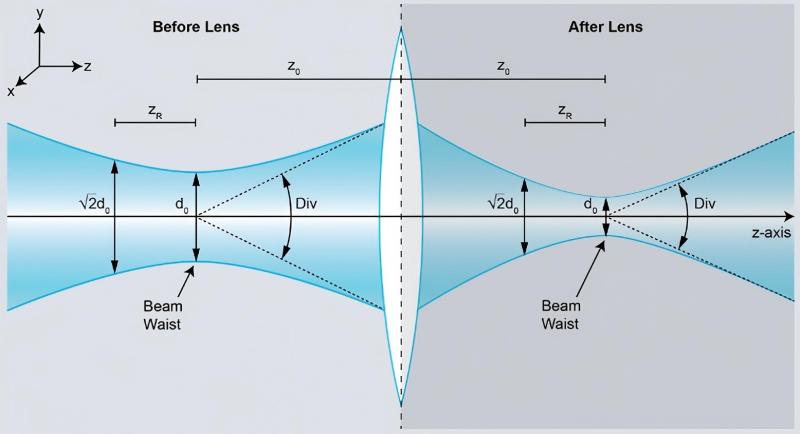
Laser beam quality is determined by factors such as beam diameter, divergence, mode structure, and focusability. These parameters influence cutting speed, kerf width, and heat-affected zones. Understanding these characteristics allows operators to make informed adjustments for specific materials and thicknesses.
Effects of Poor Beam Quality
A degraded or misaligned laser beam can lead to inconsistent cuts, rough edges, excessive dross, and lower repeatability. It can also increase material waste and wear on consumables, impacting overall production efficiency.
Step-by-Step Laser Beam Quality Inspection
Step 1: Safety Precautions
Before inspecting the laser beam, always wear appropriate laser safety glasses and ensure the machine is in a safe operating mode. Never look directly at the beam or reflective surfaces during testing.
Step 2: Visual Inspection
Check for any visible damage or dirt on lenses, mirrors, and protective windows. Contaminants can scatter the beam and reduce focus quality. Clean optics carefully using approved materials and methods.
Step 3: Beam Profiling
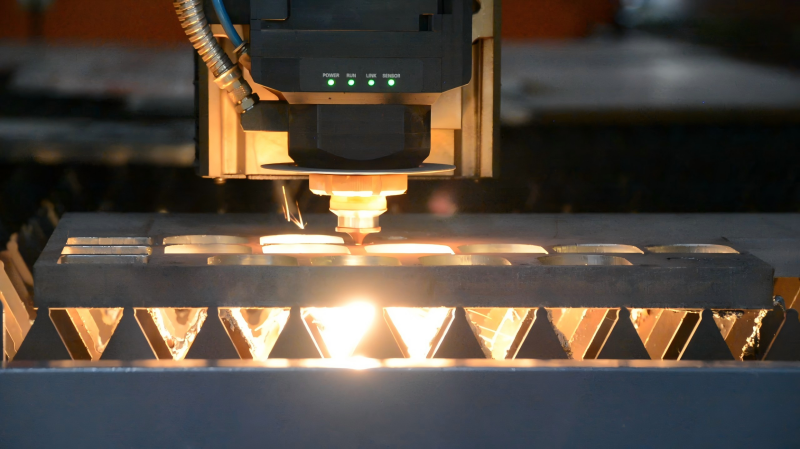
Use a laser beam profiler or camera system to capture the beam profile. Evaluate parameters such as beam shape, spot size, and intensity distribution. Compare the results against manufacturer specifications to detect deviations.
Step 4: Power Measurement
Measure the laser output power using a calibrated power meter. Inconsistent or reduced power may indicate optical misalignment, contamination, or laser source degradation. Maintaining consistent power is crucial for accurate and repeatable cutting.
Step 5: Focus and Alignment Checks
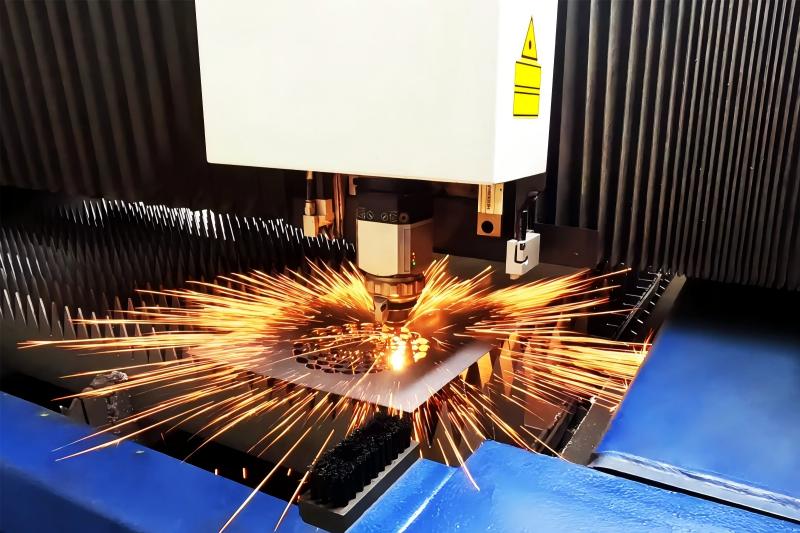
Verify the focus lens position and alignment along the optical path. Improper focus or misalignment can reduce cut quality and increase heat-affected zones. Adjust according to the machine’s specifications.
Routine Maintenance and Monitoring
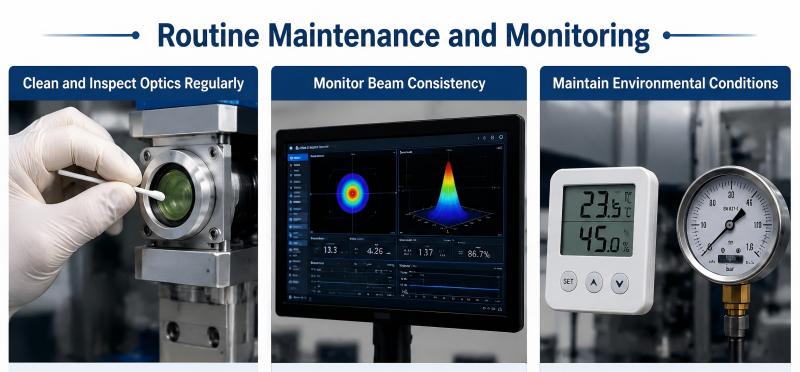
Clean and Inspect Optics Regularly
Establish a regular schedule to clean mirrors, lenses, and windows. Preventive maintenance keeps the laser path clear and avoids beam quality degradation.
Monitor Beam Consistency
Use integrated software or sensors to monitor beam stability over time. Detecting trends in beam deviation allows for timely corrective actions before production quality is affected.
Maintain Environmental Conditions
Temperature, humidity, and dust levels in the machine environment can affect beam stability. Ensure consistent environmental conditions to preserve optimal laser performance.
FAQ
How often should I inspect laser beam quality?
For high-precision operations, inspect the beam weekly or after any optical system adjustments. Critical production runs may require daily checks.
Can a dirty lens affect laser beam quality?
Yes, even minor contamination can scatter the beam and reduce cutting precision. Always clean optics using approved methods and materials.
What tools are needed for laser beam quality inspection?
Essential tools include laser safety glasses, a beam profiler or camera system, a calibrated power meter, and alignment tools for the optical path.
Conclusion
Regular inspection of Laser Beam Quality is essential for achieving precise, consistent, and efficient laser cutting results. By following the steps outlined—visual inspection, beam profiling, power measurement, and alignment checks—you can ensure your laser system operates at peak performance. Routine maintenance, careful monitoring, and proper environmental control further safeguard beam quality, improving product quality and extending the lifespan of your laser equipment. For further guidance or technical support, contact our team to optimize your laser cutting operations.


