


Laser Beam Misalignment in fiber machines de découpe laser can cause serious issues even with the smallest deviation in optical alignment. It often results in reduced cutting precision, inconsistent edge quality, and increased maintenance costs. When operators notice unstable cutting performance or unexpected power loss, the root cause is frequently related to beam alignment errors. In this article, I’ll guide you step by step on how to identify and correct these alignment issues so your fiber laser system can quickly return to stable and high-precision operation. Proper diagnosis and timely adjustment are essential to maintain long-term cutting efficiency and machine reliability.
Understanding Laser Beam Misalignment in Fiber Laser Systems
What Causes Laser Beam Misalignment?
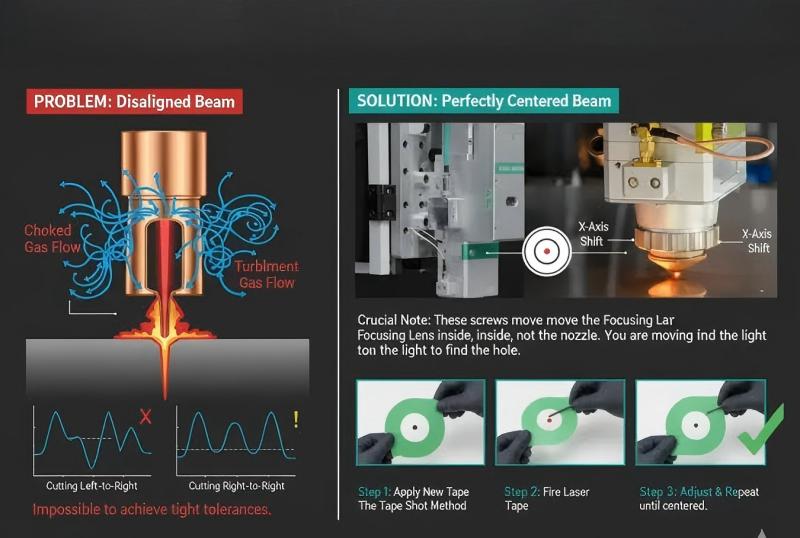
Laser beam misalignment usually occurs when the optical path is disturbed. This can be caused by vibration, improper installation, thermal expansion, or mechanical shock during machine operation or transport.
Why Beam Alignment Matters
In fiber laser systems, the beam must travel precisely through lenses, mirrors, and cutting heads. Even a slight deviation can result in:
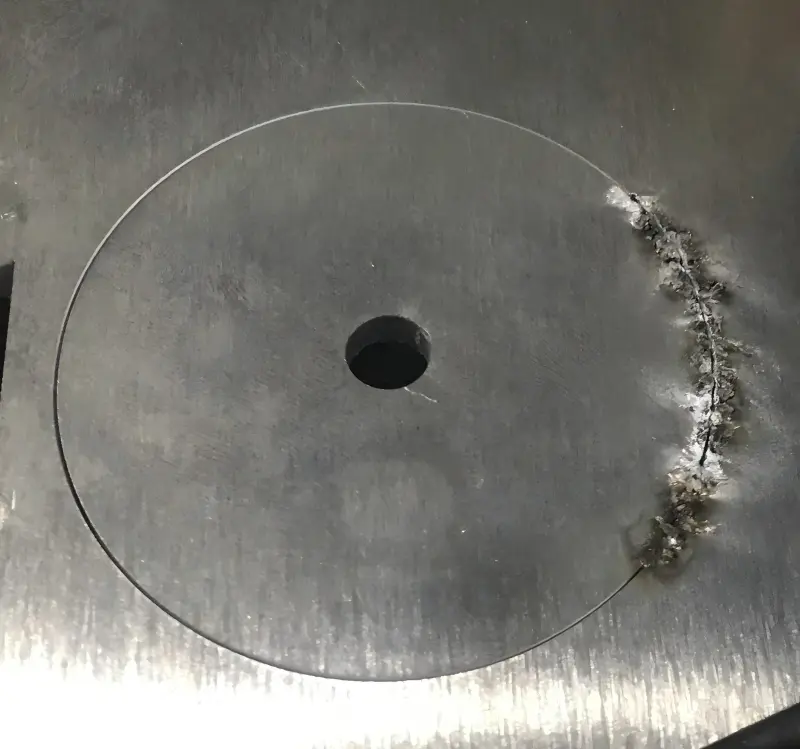
- Reduced cutting accuracy
- Uneven kerf width
- Burn marks or incomplete cuts
- Loss of cutting power at the nozzle
Step-by-Step Guide to Fix Laser Beam Misalignment
Step 1: Power Down and Ensure Safety
Before starting any adjustment, I always shut down the machine completely and disconnect power. Laser systems involve high energy, and safety must come first.
Step 2: Inspect Optical Components
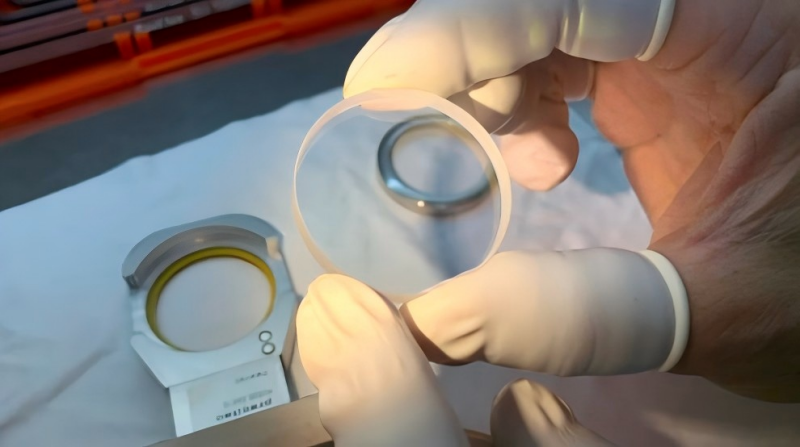
I begin by checking all optical components including protective lenses, collimating lenses, and focusing lenses. Dust, damage, or incorrect installation can directly affect beam path stability.
Step 3: Check Beam Path Alignment
Using alignment paper or a low-power test pulse, I verify whether the beam is centered through each optical stage. Any deviation indicates laser beam misalignment in the optical path.
Step 4: Adjust Reflector or Optical Module Position
If the system uses adjustable mirrors or modules, I carefully fine-tune their positions according to manufacturer guidelines. Small incremental adjustments are key to restoring proper alignment.
Step 5: Verify Cutting Head Alignment
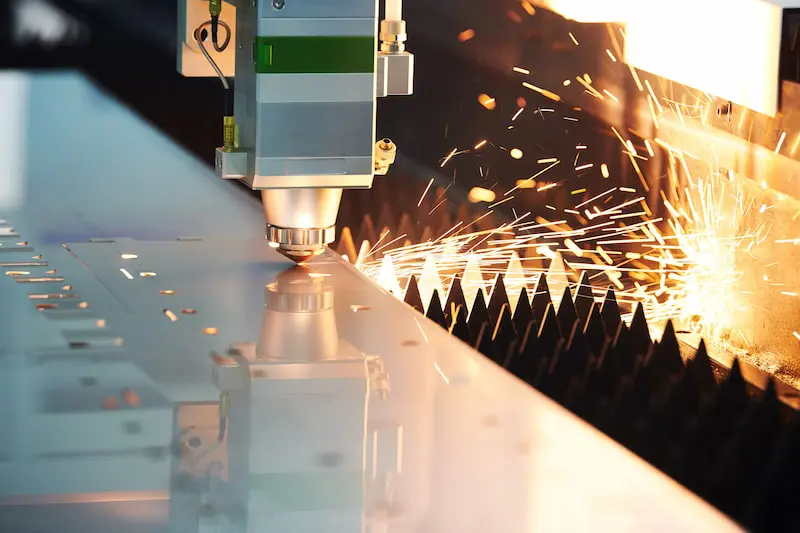
The cutting head must be perfectly vertical and centered. I ensure the nozzle is aligned with the beam output and that there is no tilt or mechanical offset, maintaining stable and accurate laser cutting performance.
Step 6: Run Test Cuts and Calibrate
After adjustments, I perform sample cutting tests on scrap material. I check edge quality, kerf consistency, and penetration depth to confirm that alignment has been restored.
Preventing Future Laser Beam Misalignment
Regular Maintenance Schedule
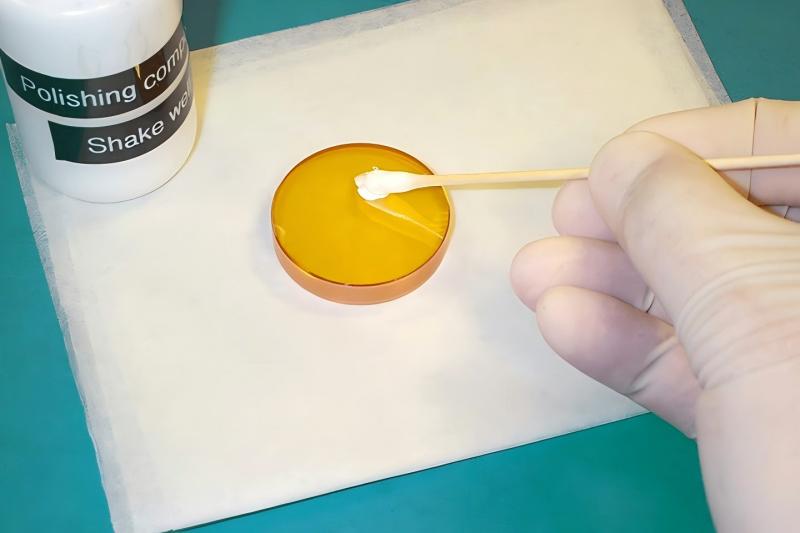
I recommend inspecting optical components weekly and cleaning lenses with proper lens wipes to prevent contamination-related deviation, ensuring stable beam alignment and consistent laser cutting performance over time.
Reduce Mechanical Vibration
Machine vibration is a major contributor to alignment drift. Using stable foundations and tightening structural components helps maintain long-term accuracy.
Proper Machine Handling
During relocation or installation, fiber laser machines should always be handled carefully to avoid shock-induced misalignment, ensuring optical components and beam paths remain stable and properly calibrated for accurate cutting performance.
FAQ
What are the early signs of laser beam misalignment?
The most common signs include inconsistent cutting depth, rough edges, and reduced cutting efficiency even when power settings are correct.
Can I fix laser beam misalignment without professional tools?
Minor adjustments can be done using standard alignment targets, but precise calibration should be performed using manufacturer-recommended tools.
How often should I check beam alignment?
I recommend checking alignment every 1–2 months or whenever you notice changes in cutting quality.
Conclusion
Fixation laser beam misalignment in fiber laser systems is essential for maintaining cutting precision, efficiency, and machine longevity. By following systematic inspection, careful adjustment, and regular maintenance, I can ensure stable performance and reduce unexpected downtime.
If you need further technical support or detailed guidance for your specific fiber laser model, feel free to contact our team. We’re always ready to help you keep your production running at its best.


