


When operating a fiber laser cutting machine, one issue I often encounter in daily maintenance is Découpeuse laser Guide Rails Noise. This type of noise is not just an annoyance—it is usually an early warning sign of mechanical wear, insufficient lubrication, or alignment problems. If you’re trying to understand why this happens and how to fix it, you’re in the right place. In this article, I’ll explain the main causes of guide rail noise and provide practical solutions to help you maintain smooth, stable, and quiet machine operation.
Compréhension Découpeuse laser Guide Rails Noise
What Is Guide Rail Noise?

Guide rail noise refers to abnormal sounds such as squeaking, grinding, or vibration that occur when the laser cutting head moves along the linear rails. These sounds indicate increased friction or mechanical instability in the motion system.
Why It Matters in Laser Cutting Machines
Quand Laser Cutter Guide Rails Noise appears, it often affects cutting precision, reduces motion smoothness, and can accelerate wear of key components such as linear guides and bearings.
Main Causes of Laser Cutter Guide Rails Noise
Insufficient Lubrication on Linear Rails
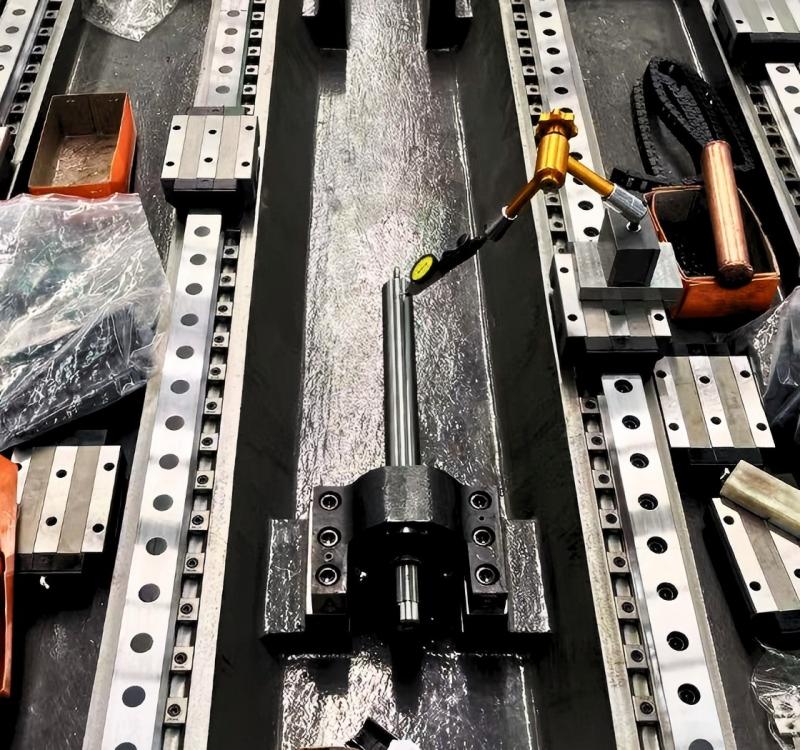
One of the most common causes is a lack of proper lubrication. Without enough grease or oil film, metal-to-metal contact increases friction and produces noise during movement.
Dust and Metal Debris Contamination
Laser cutting environments naturally generate dust and fine metal particles. If these contaminants accumulate on the rails, they interfere with smooth sliding motion and create abnormal sound.
Rail Misalignment or Installation Issues
Improper installation or long-term vibration can cause rail misalignment. This leads to uneven load distribution, resulting in noise and unstable motion.
Worn Bearings or Carriage Blocks
Over time, linear bearings and slider blocks wear out. When this happens, clearance increases, causing vibration and noise during high-speed movement.
Loose Fasteners or Structural Vibrations
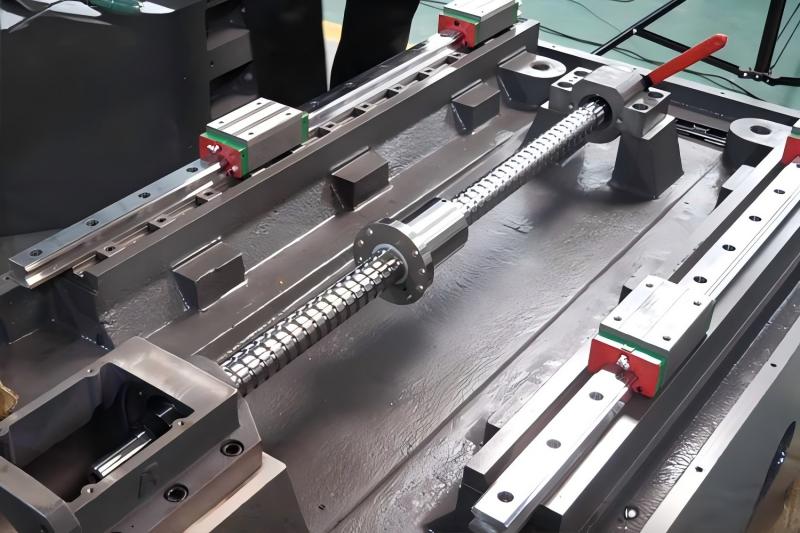
Loose screws or mounting bolts can amplify vibration in the rail system, making the noise more noticeable during rapid cutting operations.
How to Reduce Laser Cutter Guide Rails Noise Effectively
Regular Lubrication Maintenance
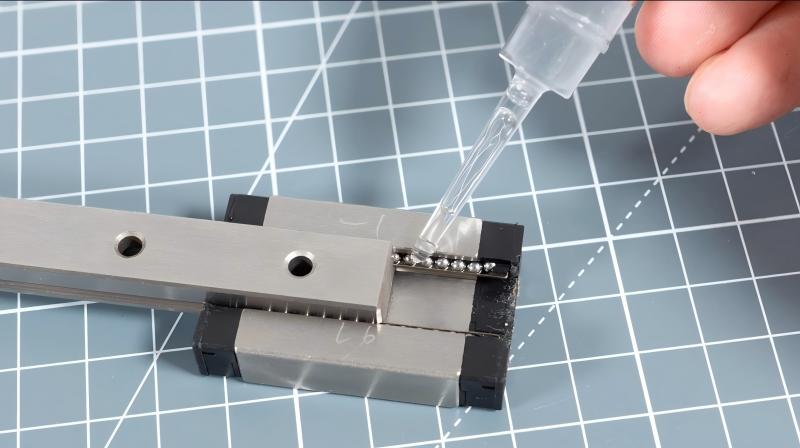
I always recommend applying the correct lubricant at scheduled intervals. Clean the rails before lubrication to prevent mixing contaminants with grease.
Clean the Rail System Frequently
Use industrial wipes or compressed air to remove dust and metal chips from the guide rail surface. A clean rail system significantly reduces friction noise.
Check and Adjust Rail Alignment
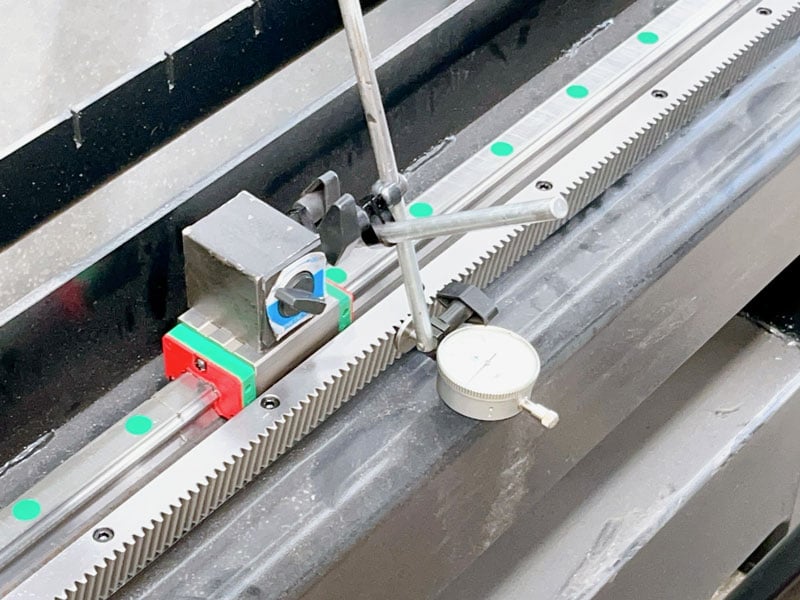
Regularly inspect rail straightness and parallelism. If misalignment is detected, recalibrate the system according to manufacturer specifications.
Replace Worn Components Promptly
If bearings or slider blocks show signs of wear, replace them immediately to avoid further damage and increased noise levels.
Tighten Mechanical Fasteners
Ensure all mounting bolts, rail screws, and structural connectors are properly tightened to reduce vibration-related noise.
Best Maintenance Practices for Long-Term Stability
Establish Routine Inspection Schedule
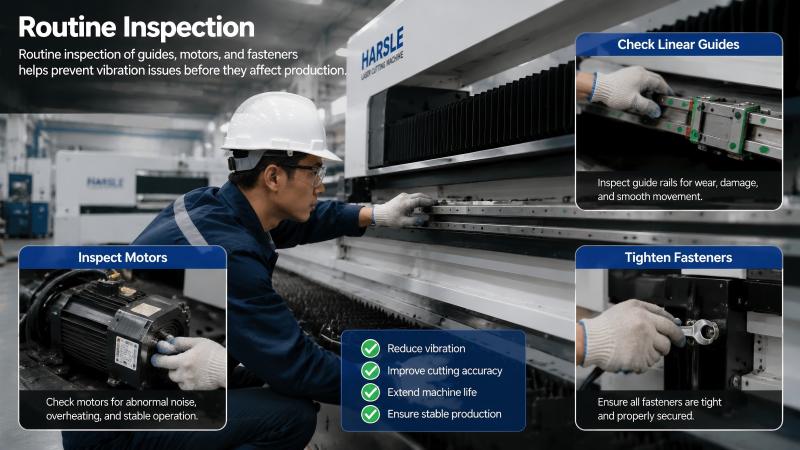
I recommend checking guide rails weekly for lubrication, cleanliness, and mechanical integrity to prevent issues before they escalate.
Monitor Machine Operating Conditions
Excessive speed, overload, or unstable installation conditions can increase rail stress. Keeping operation within recommended parameters helps reduce noise.
Use High-Quality Lubricants and Components
Investing in high-quality linear guides and lubricants improves long-term stability and significantly reduces Laser Cutter Guide Rails Noise.
FAQ
Is Laser Cutter Guide Rails Noise dangerous for the machine?
Yes, if ignored for a long time, it can lead to increased wear, reduced accuracy, and eventual rail or bearing failure.
Can I continue using the machine if noise appears?
It is not recommended. Noise usually indicates friction or misalignment that may worsen over time.
How often should I lubricate the guide rails?
It depends on usage, but generally every 1–2 weeks under normal operating conditions.
Conclusion
Adressage Laser Cutter Guide Rails Noise early is essential for maintaining precision, stability, and machine lifespan. By ensuring proper lubrication, cleaning, alignment, and component replacement, you can significantly reduce noise and improve overall performance.
If you need further technical guidance or maintenance support, feel free to contact our team. I’m always here to help you keep your laser cutting system running at its best.


