


Machine à cisailler maintenance records are essential for improving safety during industrial shearing operations because they provide valuable information about equipment condition, previous repairs, and potential risks before they become serious problems. When managing a shearing machine, safety depends not only on proper machine design but also on consistent maintenance tracking and inspection management. If you want to reduce unexpected failures, improve workplace safety, and build a reliable maintenance system, keeping accurate records is necessary. In this article, I’ll explain how maintenance records improve shearing machine safety and how operators can use them to support preventive maintenance and safer production.
Pourquoi Machine à cisailler Maintenance Records Are Important for Safety
Tracking Machine Condition and Potential Risks
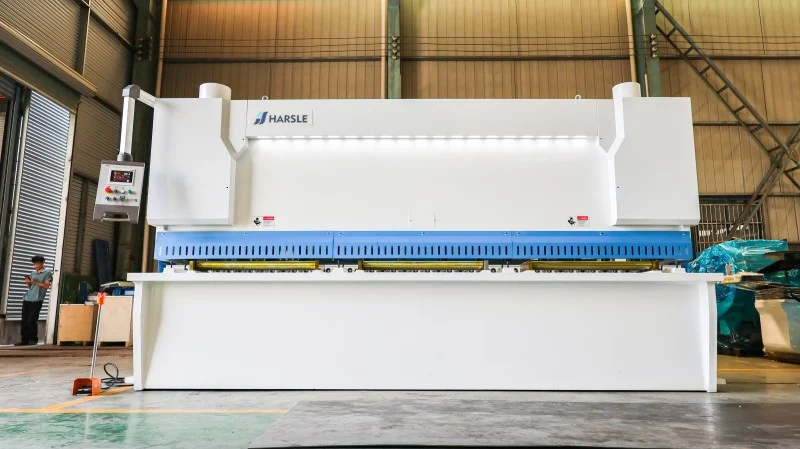
A shearing machine operates under high mechanical loads, and components such as blades, hydraulic systems, electrical parts, and safety devices experience continuous wear. Without proper tracking, small problems can develop into major failures.
By maintaining detailed shearing machine maintenance records, I can identify repeated issues, monitor component performance, and schedule inspections before equipment problems create safety hazards.
Preventing Unexpected Machine Failures
Unexpected machine failures are one of the biggest safety concerns in metal fabrication. A sudden hydraulic leak, electrical fault, or damaged safety guard can interrupt production and put operators at risk.
Maintenance records help operators understand when parts were last inspected, repaired, or replaced. This information allows maintenance teams to take action before failures occur.
How Shearing Machine Maintenance Records Improve Safety
Step 1: Record Regular Safety Inspections
Checking Safety Guards and Protection Devices
Safety inspections should always be included in maintenance records. Operators should document the condition of protective covers, light curtains, emergency stops, and interlock systems.
Recording inspection results helps ensure that safety devices are not ignored or forgotten. If a safety component shows repeated problems, maintenance teams can investigate the root cause and prevent future risks.
Monitoring Blade and Cutting System Condition
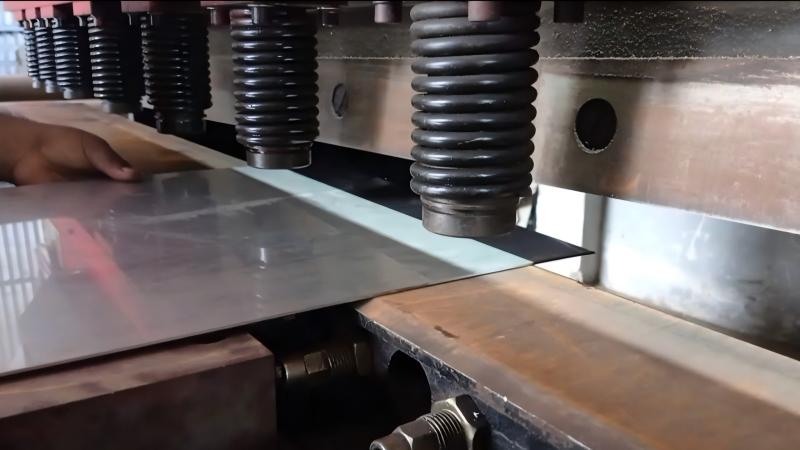
The cutting blade is one of the most important components of a shearing machine. A worn or damaged blade can increase cutting force, cause material movement, and create unsafe operating conditions.
By recording blade inspections, sharpening activities, and replacement dates, operators can maintain stable cutting performance and reduce the chance of unexpected blade failure.
Step 2: Document Maintenance Activities and Repairs
Creating a Complete Repair History
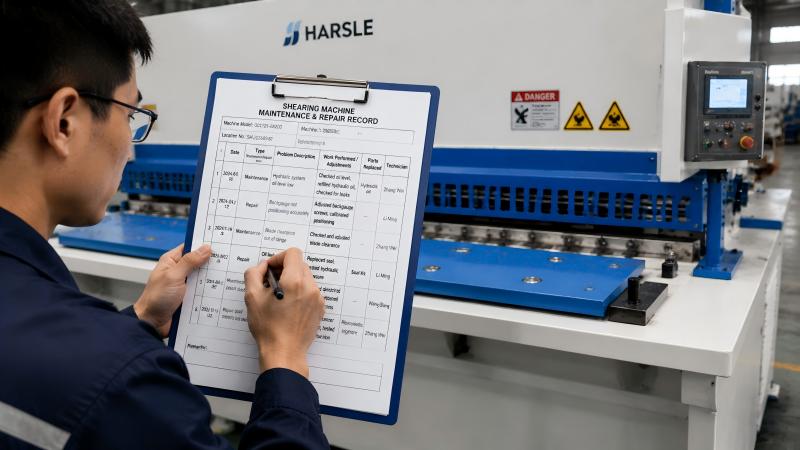
Every repair or adjustment should be recorded, including the problem description, replaced parts, maintenance date, and responsible technician.
A complete maintenance history helps engineers quickly understand machine behavior. When the same problem appears repeatedly, records provide valuable information for identifying underlying causes.
Improving Troubleshooting Efficiency
When a machine experiences an abnormal condition, technicians can review previous shearing machine maintenance records to find related issues.
For example, if a hydraulic pressure problem occurs frequently, previous records may show whether the hydraulic filter, seals, or valves have already required attention.
Step 3: Support Preventive Maintenance Planning
Scheduling Maintenance Based on Machine Usage
Preventive maintenance should not rely only on machine failure. Maintenance records allow teams to plan inspections based on operating hours, production volume, and component service life.
Regular maintenance planning reduces downtime and improves safety by ensuring important components are checked before reaching critical wear levels.
Reducing Human Error During Maintenance
Clear records provide technicians with detailed maintenance instructions and historical information. This reduces the possibility of missed inspections or incorrect maintenance procedures.
Step 4: Improve Operator Training and Safety Awareness
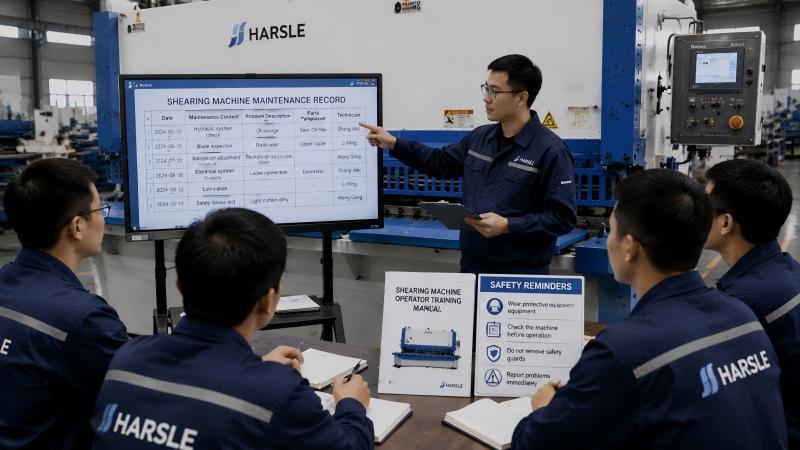
Helping Operators Understand Machine Conditions
Maintenance records are useful training tools for new operators. By reviewing previous maintenance activities, operators can better understand common problems and safety requirements.
This knowledge helps them recognize abnormal sounds, unusual movements, or warning signs during daily operation.
Encouraging Responsible Machine Operation
When operators know that machine conditions are regularly recorded and reviewed, they are more likely to follow proper operating procedures and report problems immediately.
Best Practices for Managing Shearing Machine Maintenance Records
Use a Standard Maintenance Checklist
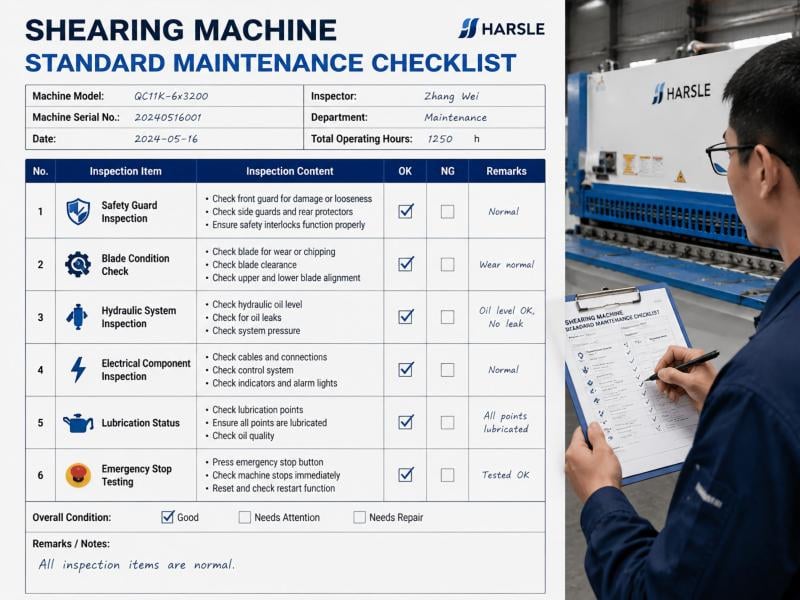
I recommend creating a standard checklist that includes:
- Safety guard inspection
- Blade condition check
- Hydraulic system inspection
- Electrical component inspection
- Lubrication status
- Emergency stop testing
- Repair and replacement history
A standardized format makes records easier to review and compare.
Update Records Immediately After Maintenance
Maintenance information should be recorded immediately after inspections or repairs. Delayed documentation may result in missing details and inaccurate maintenance history.
Store Records for Long-Term Reference
Keeping maintenance records for the entire machine lifespan helps identify long-term trends and supports future maintenance decisions.
Digital maintenance systems can make it easier to search, update, and analyze equipment information.
FAQ
Why are shearing machine maintenance records important for safety?
Shearing machine maintenance records help track equipment condition, identify potential risks, and ensure safety inspections and repairs are completed on time.
What information should be included in shearing machine maintenance records?
Records should include inspection dates, maintenance tasks, replaced parts, repair details, safety checks, and technician information.
How often should maintenance records be updated?
Maintenance records should be updated after every inspection, repair, adjustment, or component replacement.
Can maintenance records reduce machine downtime?
Yes. Accurate records help identify recurring problems and support preventive maintenance planning, reducing unexpected failures.
Conclusion
Properly managed shearing machine maintenance records play an important role in improving workplace safety and machine reliability. By tracking inspections, documenting repairs, planning preventive maintenance, and training operators, companies can reduce risks and maintain efficient production.
A complete maintenance record system is not only a documentation tool but also an essential safety management method. For more information about shearing machine maintenance, operation, and safety practices, feel free to contact our team for professional support.


