


مكبس هيدروليكي Tool Damage can reduce forming accuracy, increase production downtime, and create safety risks during operation. When press tools show cracks, deformation, abnormal wear, or inconsistent results, I recommend inspecting the tooling condition, machine settings, and operating environment before replacing components. In this guide, I’ll explain how to identify common tool damage problems, diagnose their causes, and apply practical maintenance methods to extend tool service life.
ما هي الأسباب مكبس هيدروليكي Tool Damage?
Excessive Press Force and Overloading
Using a hydraulic press beyond the rated capacity is one of the most common causes of tool damage.
When the applied force exceeds the tool design limit, the die, punch, or forming components may develop cracks, deformation, or permanent wear.
I recommend verifying the required pressing force before production and ensuring the selected tooling matches the material thickness, size, and forming requirements.
Incorrect Tool Alignment
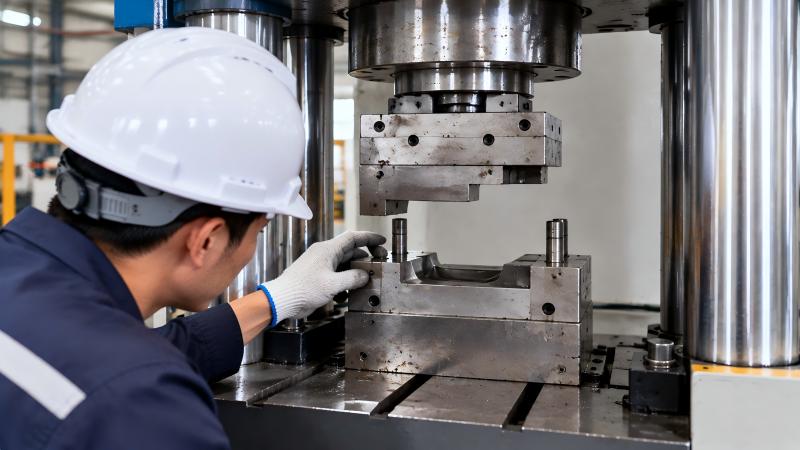
Poor alignment between the upper and lower tools can create uneven loading during pressing operations.
Misalignment may cause one side of the tool to wear faster, resulting in inaccurate forming dimensions and premature damage.
Check the tooling installation position, guide components, and machine alignment regularly to maintain uniform force distribution.
Improper Material Positioning
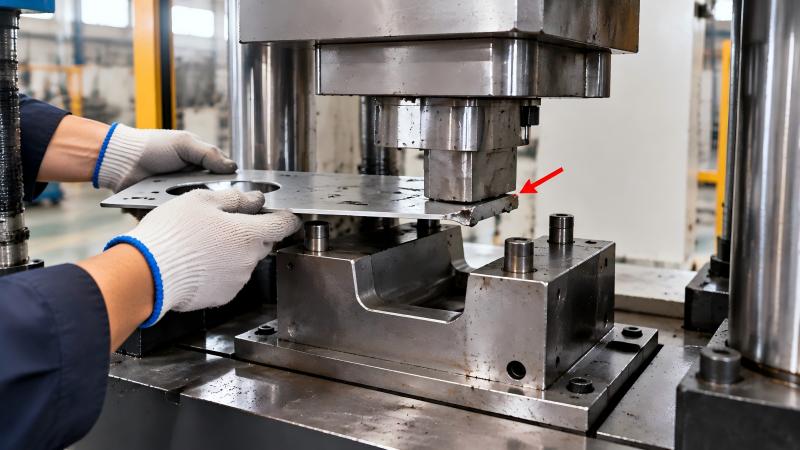
Incorrect workpiece positioning can generate unexpected stress on the tool surface.
If the material is not placed correctly, the hydraulic press may apply force to areas that are not designed for loading, leading to chipped edges, surface damage, or tool deformation.
Operators should confirm workpiece placement before every pressing cycle.
Insufficient Tool Maintenance
Lack of regular cleaning, lubrication, and inspection can accelerate tool deterioration.
Metal particles, dust, and corrosion can damage tool surfaces and affect forming quality.
Regular maintenance helps identify early signs of wear before they develop into serious Hydraulic Press Tool Damage.
How to Diagnose Hydraulic Press Tool Damage Step by Step
Step 1: Inspect Tool Surface Condition
I recommend starting with a detailed visual inspection of the punch, die, and forming surfaces.
Look for visible cracks, scratches, deformation, uneven wear marks, and damaged edges.
Small surface defects can gradually become larger failures under repeated pressing loads.
Use proper measuring tools to compare the actual tool dimensions with the original specifications.
Step 2: Check Tool Alignment and Installation
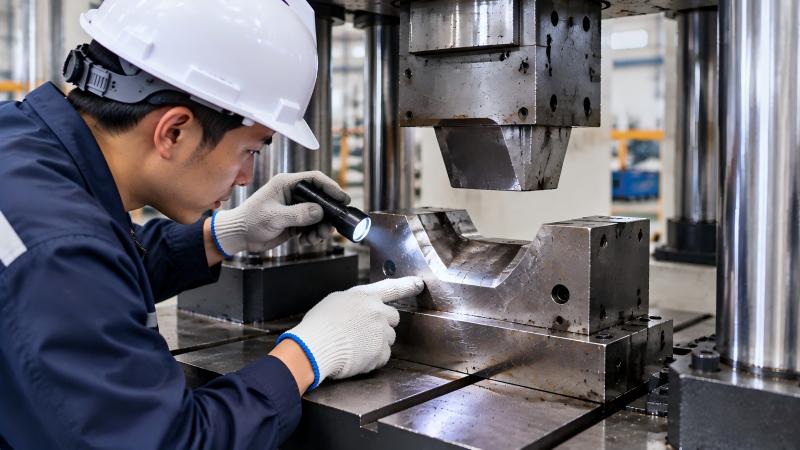
Verify that the upper and lower tools are installed correctly and securely.
Inspect mounting bolts, positioning components, guide pins, and clamping systems for looseness or abnormal movement.
If the tools are not aligned properly, adjust the installation position according to the manufacturer’s requirements before continuing production.
Step 3: Analyze Pressing Conditions and Machine Parameters
Incorrect machine settings can contribute to tool damage.
Check pressing force, stroke position, operating speed, and holding time to ensure they match the tooling requirements.
If excessive force or abnormal loading is detected, adjust the parameters before further operation.
Step 4: Measure Tool Wear and Dimensional Accuracy
For precision forming applications, I recommend regularly measuring critical tool dimensions.
Compare current measurements with the original design values to identify wear trends.
Excessive wear may cause inaccurate products, increased material stress, and higher risk of tool failure.
Step 5: Identify the Root Cause and Repair the Tool
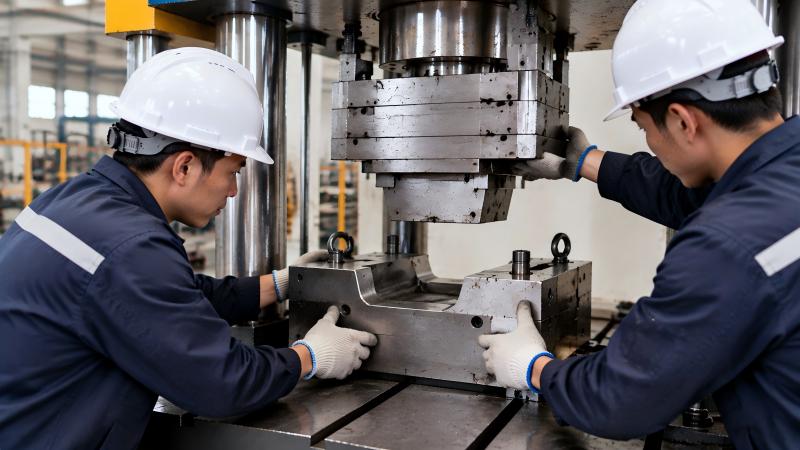
After confirming the damage type, determine whether the tool can be repaired or needs replacement.
Minor surface damage may be corrected through polishing, grinding, or surface treatment.
However, tools with serious cracks, deformation, or structural damage should be replaced to maintain safe operation.
How to Prevent Hydraulic Press Tool Damage?
Use Correct Tooling for Each Application
Selecting the correct tooling based on material type, thickness, and forming requirements helps prevent excessive stress.
Avoid using damaged or unsuitable tools for production.
Perform Regular Tool Inspections
Include tooling inspection in routine hydraulic press maintenance.
Check tool surfaces, alignment accuracy, mounting conditions, and wear patterns regularly.
Early detection can reduce unexpected downtime and repair costs.
Maintain Proper Operating Conditions
Train operators to follow correct pressing procedures and avoid overload conditions.
Keep the working area clean and ensure tools are stored properly when not in use.
الأسئلة الشائعة
What Are the Common Signs of Hydraulic Press Tool Damage?
Common signs include cracks, deformation, uneven wear, poor forming accuracy, unusual noise, and increased pressing resistance.
How Can I Check Hydraulic Press Tool Damage?
You can inspect tool surfaces, check alignment, measure tool dimensions, and review machine operating parameters to identify possible damage.
Can Damaged Hydraulic Press Tools Be Repaired?
Minor surface damage may be repaired through machining or surface treatment. Tools with severe cracks or structural deformation usually require replacement.
خاتمة
Diagnosing Hydraulic Press Tool Damage requires a systematic inspection of tool condition, alignment, machine parameters, and operating practices. Regular maintenance, correct tooling selection, and early detection of wear problems can improve production stability and extend tool life.
If you need professional assistance with hydraulic press tooling inspection or maintenance solutions, contact the HARSLE technical team for support.


