


مكبس هيدروليكي وقت الدورة is an important factor that directly affects production efficiency, machine performance, and operating costs. When a hydraulic press requires more time than expected to complete each working cycle, the issue may be related to hydraulic system performance, control parameters, component wear, or operating conditions. In this guide, I will explain the common causes of slow cycle time, provide step-by-step troubleshooting methods, and share practical maintenance solutions to help restore faster, more stable, and more efficient hydraulic press operation.
What Factors Affect مكبس هيدروليكي Cycle Time?
The cycle time of a hydraulic press refers to the total time required to complete one working sequence, including cylinder movement, pressing, holding, and return. A stable cycle time depends on the cooperation between the hydraulic system, electrical control system, and mechanical structure.
When cycle time becomes slower, the problem is usually caused by reduced hydraulic efficiency, incorrect parameters, component wear, or increased machine resistance.
Low Hydraulic Oil Flow Causes Slow Press Movement
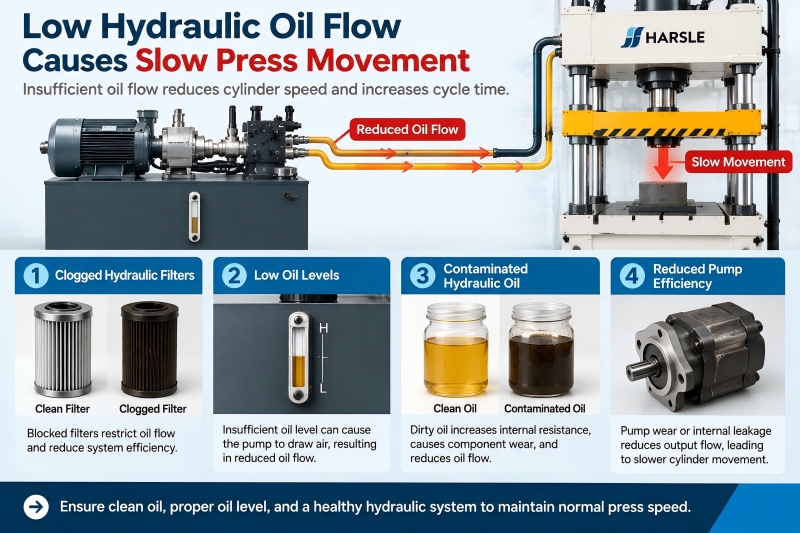
Hydraulic oil flow directly determines how quickly the cylinder can move. If the hydraulic system cannot provide sufficient flow, the ram movement speed will decrease and extend the overall cycle time.
Common causes include clogged hydraulic filters, low oil levels, contaminated hydraulic oil, or reduced pump efficiency. Restricted oil flow increases resistance inside the hydraulic circuit and prevents the machine from reaching normal operating speed.
I recommend checking hydraulic oil condition, filter cleanliness, and pump output pressure when the hydraulic press cycle becomes slower.
Hydraulic Pump Wear Reduces System Efficiency
The hydraulic pump is responsible for supplying oil flow and maintaining system pressure. Over time, internal wear can reduce pump efficiency and affect machine speed.
A worn pump may still generate pressure but fail to provide enough flow during operation. Typical signs include slow cylinder movement, unstable pressure, increased noise, and longer working cycles.
Inspecting pump performance and comparing actual operating conditions with manufacturer specifications can help determine whether repair or replacement is required.
Incorrect Pressure and Speed Settings
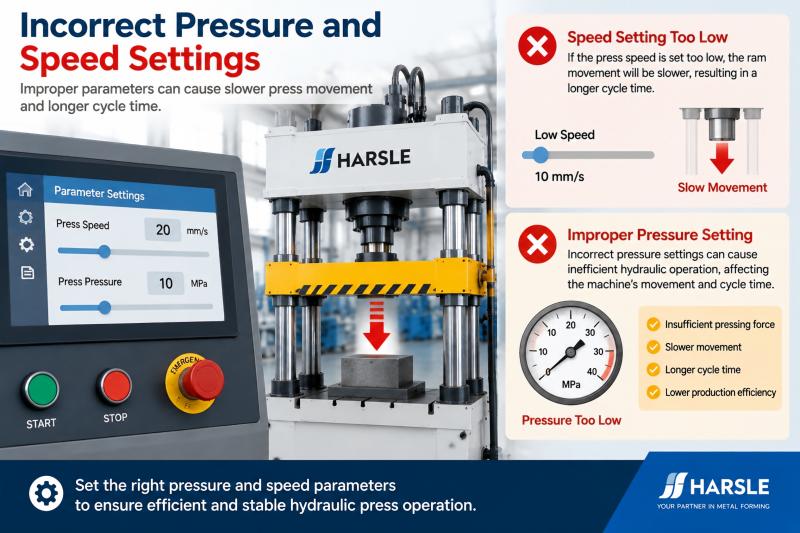
Hydraulic presses rely on proper pressure and speed settings to achieve efficient operation. Incorrect parameters may cause the machine to operate slower than necessary.
For example, excessively low speed settings can increase cycle time, while improper pressure adjustments may cause inefficient hydraulic operation.
I suggest reviewing the machine parameters, hydraulic pressure settings, and control system configuration before making adjustments. Any changes should follow the recommended values provided by the manufacturer.
How to Diagnose Slow Hydraulic Press Cycle Time Step by Step?
Step 1: Measure the Actual Hydraulic Press Cycle Time
The first step is to determine when and how the slowdown occurs. Record the complete cycle time during normal production and compare it with previous operating data.
Check whether the slow cycle appears during startup, continuous production, high-load operation, or specific working steps. This information helps identify whether the problem is related to machine conditions, hydraulic performance, or control settings.
Recording cycle time changes over a period also helps identify developing problems before they become serious failures.
Step 2: Inspect Hydraulic Oil and Filtration System
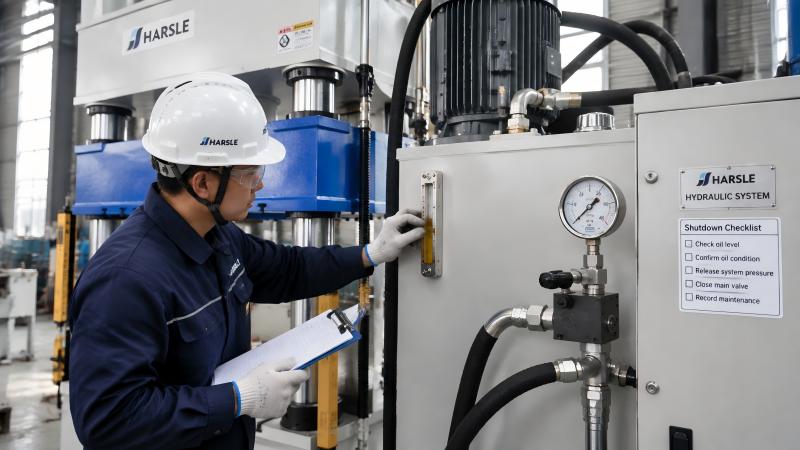
Hydraulic oil quality has a direct impact on machine speed and reliability. Contaminated oil can increase friction, damage hydraulic components, and reduce system efficiency.
Check the hydraulic oil level, oil color, contamination level, and filter condition. Replace clogged filters and maintain proper oil quality according to the machine maintenance requirements.
Clean hydraulic oil allows valves, pumps, and cylinders to operate smoothly, helping maintain consistent cycle performance.
Step 3: Check Hydraulic Valves and Flow Control Components
Hydraulic valves control oil direction, pressure, and flow speed. If valves become worn, contaminated, or stuck, they may restrict oil movement and slow down the machine.
Inspect directional valves, proportional valves, and flow control valves for abnormal operation. A valve that does not open completely can significantly reduce cylinder speed.
Cleaning, adjusting, or replacing faulty valves can improve hydraulic response and reduce unnecessary cycle delays.
Step 4: Verify Electrical Control System Parameters
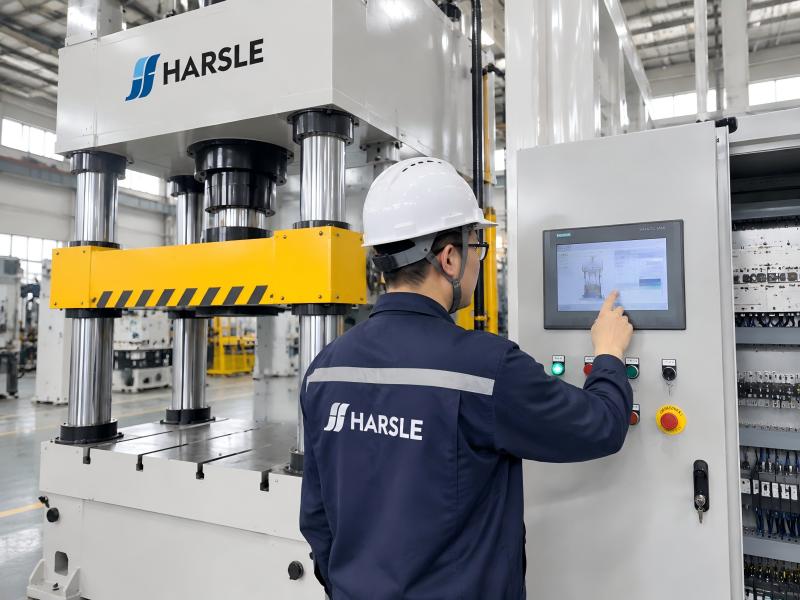
Modern hydraulic presses use PLC systems and sensors to control movement sequences. Electrical problems or incorrect parameters can also affect cycle time.
Check speed settings, timing parameters, sensor feedback, and PLC output signals. If the controller sends incorrect commands, the hydraulic system may not operate according to the designed sequence.
A complete check of the control system helps ensure that hydraulic and electrical systems work together correctly.
Step 5: Inspect Mechanical Resistance and Machine Condition
Mechanical issues can increase the load on the hydraulic system and slow down movement. Worn guide components, insufficient lubrication, alignment problems, or excessive friction may affect cycle performance.
Inspect moving parts, lubrication points, and structural components regularly. Reducing mechanical resistance helps the hydraulic system operate more efficiently.
How to Improve Hydraulic Press Cycle Time?
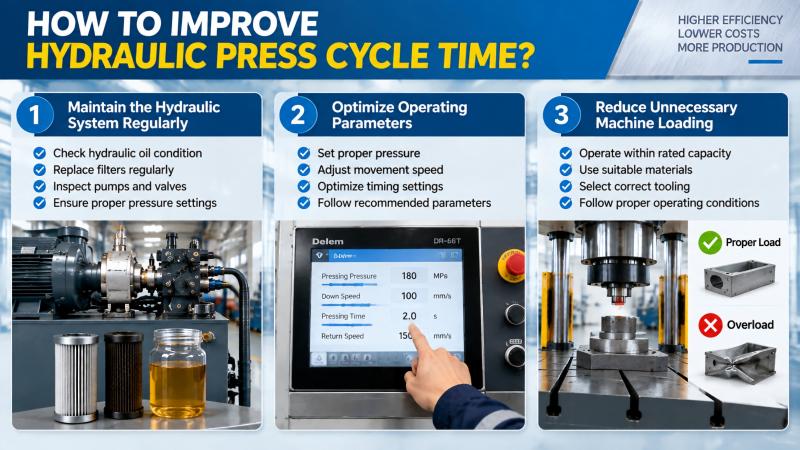
Maintain the Hydraulic System Regularly
Regular hydraulic maintenance is one of the most effective ways to maintain stable cycle performance. I recommend checking hydraulic oil, filters, pumps, valves, and pressure settings according to machine usage.
Preventive maintenance reduces component wear and helps avoid unexpected cycle time increases.
Optimize Operating Parameters
Proper parameter settings improve production efficiency without affecting machine reliability. Review pressure, speed, and timing settings based on actual production requirements.
Avoid changing parameters randomly, as incorrect adjustments may create new problems or reduce machine stability.
Reduce Unnecessary Machine Loading
Operating a hydraulic press beyond its recommended capacity increases system stress and may slow down the working cycle.
Selecting suitable materials, using correct tooling, and following recommended operating conditions can reduce unnecessary load and maintain stable performance.
Common Hydraulic Press Cycle Time Problems and Solutions
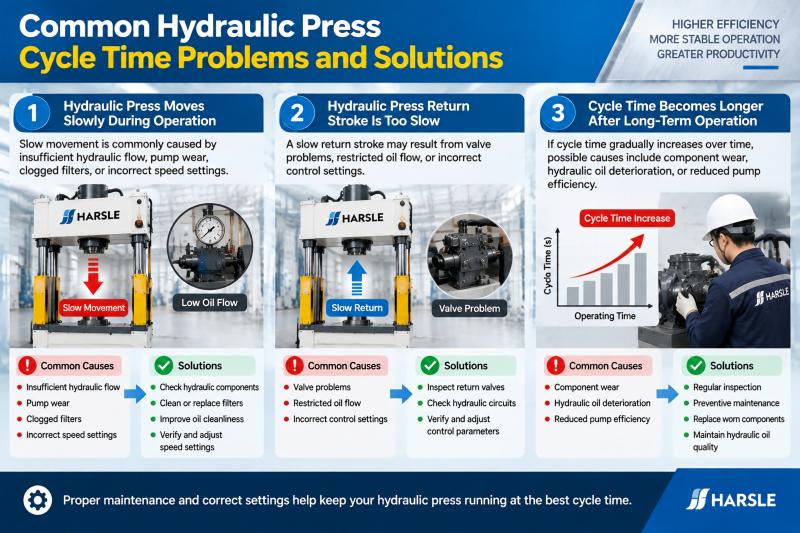
Hydraulic Press Moves Slowly During Operation
Slow movement is commonly caused by insufficient hydraulic flow, pump wear, clogged filters, or incorrect speed settings.
Check hydraulic components, improve oil cleanliness, and verify system parameters to restore normal operating speed.
Hydraulic Press Return Stroke Is Too Slow
A slow return stroke may result from valve problems, restricted oil flow, or incorrect control settings.
Inspect return valves, hydraulic circuits, and related parameters to locate the cause.
Cycle Time Becomes Longer After Long-Term Operation
If cycle time gradually increases over time, possible causes include component wear, hydraulic oil deterioration, or reduced pump efficiency.
Regular inspection and preventive maintenance can help detect these issues early and maintain machine productivity.
الأسئلة الشائعة
What is the main cause of slow hydraulic press cycle time?
The most common causes include insufficient hydraulic flow, pump wear, clogged filters, incorrect settings, valve problems, and mechanical resistance.
Can hydraulic oil quality affect hydraulic press cycle time?
Yes. Poor-quality or contaminated hydraulic oil can reduce system efficiency, increase component wear, and slow down cylinder movement.
How can I reduce hydraulic press cycle time?
Improving hydraulic system maintenance, checking machine parameters, repairing worn components, and ensuring proper operating conditions can help reduce cycle time.
خاتمة
Slow Hydraulic Press Cycle Time can result from hydraulic system issues, incorrect settings, electrical control problems, or mechanical resistance. By measuring actual cycle performance, checking hydraulic components, verifying control parameters, and performing regular maintenance, operators can improve machine efficiency and reduce downtime.
At HARSLE, we provide professional hydraulic press solutions and technical support to help customers maintain reliable production. For more troubleshooting guidance or detailed machine documentation, contact our engineering team or explore additional maintenance resources.


