


مكبس هيدروليكي Pump Noise is a common issue that can indicate problems inside the hydraulic system, such as air contamination, insufficient oil supply, pump wear, or improper operating conditions. When a hydraulic press pump produces unusual sounds, it may affect machine stability, reduce efficiency, and lead to more serious component failures if ignored. In this guide, I will explain the main causes of hydraulic pump noise, how to troubleshoot the problem step by step, and what maintenance methods can help keep your hydraulic press operating smoothly.
ما هي الأسباب مكبس هيدروليكي Pump Noise During Operation?
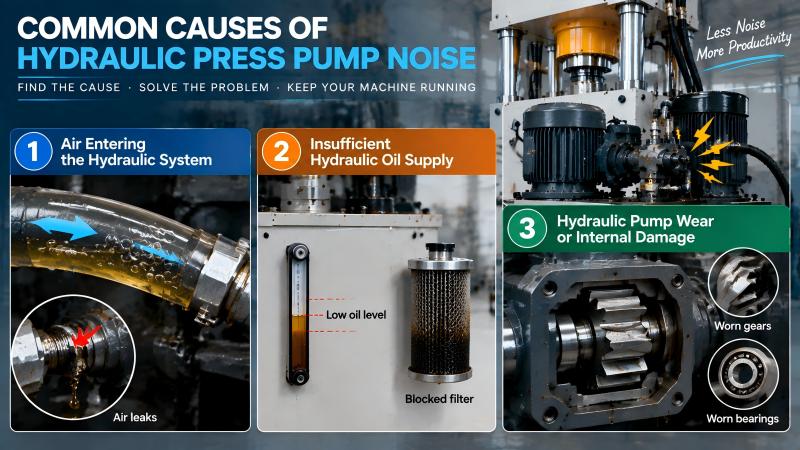
The hydraulic pump is responsible for supplying pressurized oil to the hydraulic system. During normal operation, the pump should run smoothly with minimal noise. However, abnormal sounds such as whining, knocking, or vibration usually indicate that the system requires inspection.
Understanding the cause of hydraulic pump noise helps operators quickly locate problems and prevent unnecessary downtime.
Air Entering the Hydraulic System
One of the most common reasons for hydraulic pump noise is air entering the hydraulic circuit. When air mixes with hydraulic oil, it can create cavitation-like symptoms, causing the pump to produce a loud whining sound or unstable operation.
Air may enter through loose suction pipes, damaged seals, low oil levels, or poor connections. I recommend checking all connections on the suction side and ensuring the hydraulic oil level remains within the recommended range.
Removing trapped air from the system and repairing leakage points can help restore smooth pump operation.
Insufficient Hydraulic Oil Supply
A hydraulic pump requires a stable oil supply to generate pressure effectively. When the oil level is too low or the suction filter becomes blocked, the pump may not receive enough oil, resulting in increased noise and reduced performance.
Operators should regularly check hydraulic oil levels and inspect filters for contamination. A blocked filter can restrict oil flow, causing the pump to work harder and increasing the risk of internal damage.
Hydraulic Pump Wear or Internal Damage
Long-term operation under high pressure can cause internal wear of hydraulic pump components. Damaged gears, vanes, bearings, or internal surfaces may create abnormal sounds during operation.
If the pump noise continues after checking oil conditions and connections, the pump itself may require further inspection. Replacing worn components or repairing the hydraulic pump can prevent additional system failures.
How to Troubleshoot Hydraulic Press Pump Noise Step by Step?
Step 1: Identify the Type and Location of the Noise
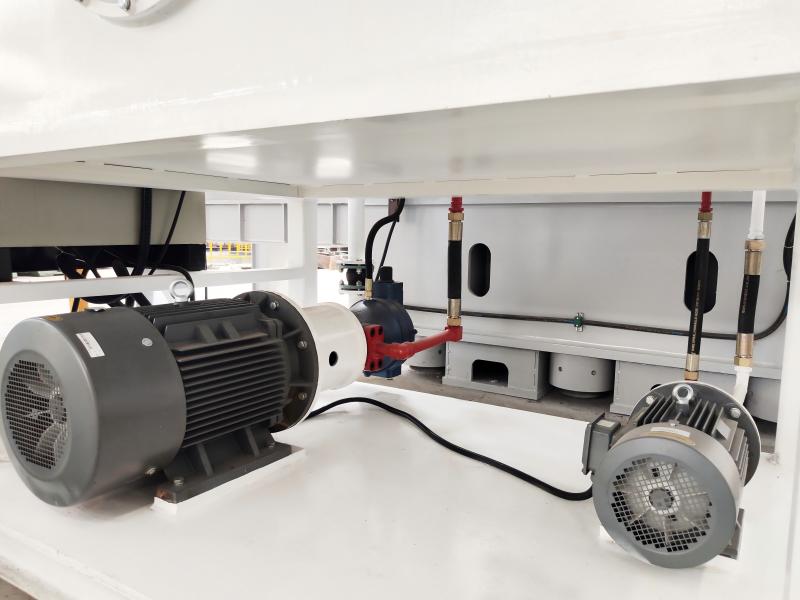
The first step in troubleshooting hydraulic pump noise is identifying the sound type and where it comes from. Different sounds often indicate different problems.
A high-pitched whining noise may suggest air contamination or cavitation. A knocking sound may indicate mechanical damage or loose internal parts. Continuous vibration may be related to pump alignment problems or component wear.
Carefully observing when the noise occurs, such as during startup, pressing, or continuous operation, helps narrow down the possible causes.
Step 2: Check Hydraulic Oil Level and Quality
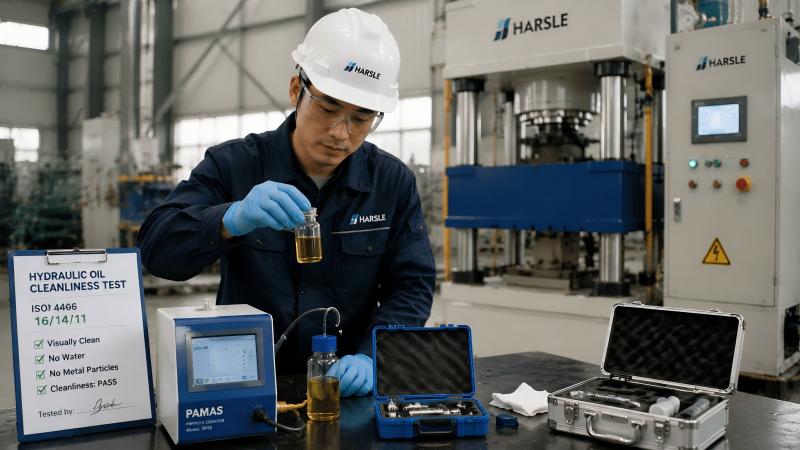
Hydraulic oil condition directly affects pump performance. I recommend checking the oil level, oil color, and contamination level before performing more complex inspections.
Dirty or degraded hydraulic oil can reduce lubrication efficiency and accelerate pump wear. If the oil contains particles, foam, or unusual discoloration, it may need filtration or replacement.
Maintaining clean hydraulic oil is one of the most effective ways to reduce hydraulic system noise and extend component life.
Step 3: Inspect Suction Lines, Filters, and Connections
After checking the oil condition, inspect the suction pipe, hydraulic filter, and connection points. Loose fittings or damaged hoses can allow air to enter the system and cause abnormal pump noise.
Make sure all connections are properly tightened and replace damaged hoses or seals if necessary. Cleaning or replacing clogged filters can also improve oil flow and reduce pump operating stress.
Step 4: Check Pump Installation and Mechanical Condition
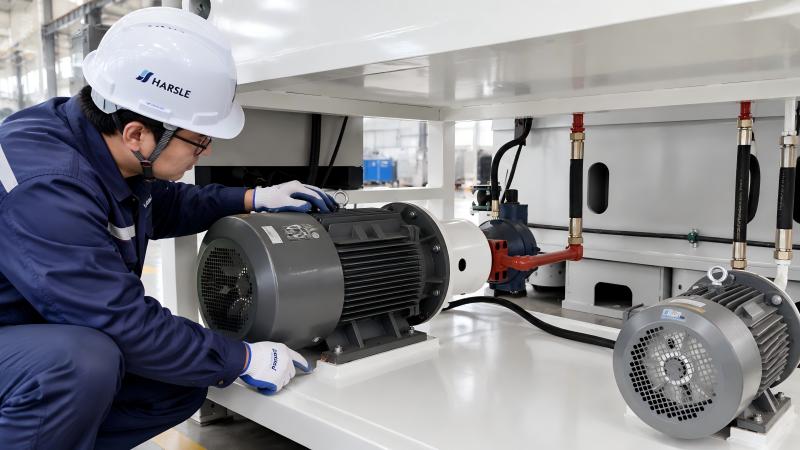
Incorrect pump installation can also create vibration and noise problems. Check whether the hydraulic pump is properly aligned with the motor and whether mounting bolts are secure.
If the pump has excessive vibration, unusual temperature rise, or persistent noise, internal inspection may be required. Worn bearings or damaged internal components should be repaired or replaced according to the manufacturer’s recommendations.
How Can Regular Maintenance Prevent Hydraulic Press Pump Noise?
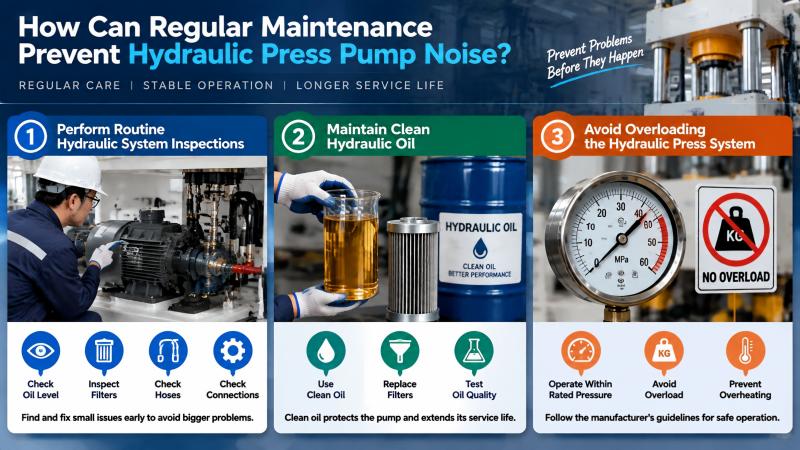
Perform Routine Hydraulic System Inspections
Regular inspection is the most effective way to prevent unexpected hydraulic pump problems. I suggest checking oil levels, filters, hoses, and connections according to a planned maintenance schedule.
Early detection of small issues can prevent major hydraulic failures and reduce repair costs.
الحفاظ على نظافة زيت الهيدروليك
Clean hydraulic oil protects the pump and other hydraulic components from excessive wear. Contaminated oil can damage internal surfaces and reduce pump efficiency.
Regular oil testing, proper filtration, and timely oil replacement help maintain stable hydraulic press performance.
Avoid Overloading the Hydraulic Press System
Operating a hydraulic press beyond its designed pressure capacity can increase stress on the pump and hydraulic components.
Following recommended operating conditions helps prevent excessive pressure, overheating, and premature pump failure.
Common Hydraulic Press Pump Noise Problems and Solutions
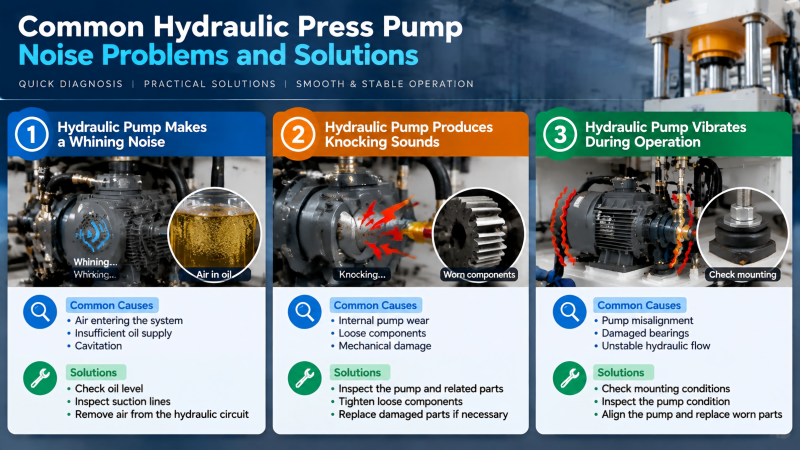
Hydraulic Pump Makes a Whining Noise
A whining sound is often related to air entering the system, insufficient oil supply, or cavitation. Check oil level, inspect suction lines, and remove air from the hydraulic circuit.
Hydraulic Pump Produces Knocking Sounds
Knocking noises may indicate internal pump wear, loose components, or mechanical damage. A detailed inspection of the pump and related components is required.
Hydraulic Pump Vibrates During Operation
Excessive vibration may result from pump misalignment, damaged bearings, or unstable hydraulic flow. Check mounting conditions and inspect the pump condition carefully.
الأسئلة الشائعة
What are the main causes of hydraulic press pump noise?
The main causes include air entering the hydraulic system, low oil level, clogged filters, contaminated oil, pump wear, and incorrect installation.
Can low hydraulic oil cause pump noise?
Yes. Low hydraulic oil can reduce oil supply to the pump, causing cavitation, increased friction, and abnormal operating noise.
How can I reduce hydraulic press pump noise?
Regular maintenance, clean hydraulic oil, proper oil levels, filter replacement, and timely inspection of pump components can help reduce noise.
خاتمة
Hydraulic pump noise should not be ignored because it may indicate developing problems within the hydraulic system. By checking oil conditions, inspecting connections, maintaining filters, and monitoring pump performance, operators can effectively solve Hydraulic Press Pump Noise issues and improve machine reliability.
At HARSLE, we provide professional hydraulic press solutions and technical support to help customers maintain efficient and stable production. For more troubleshooting guidance or maintenance information, contact our engineering team or explore additional hydraulic press documentation.


