


When working with reflective and high-conductivity materials, one of the most challenging issues I often encounter is Cobre Corte a laser Instability. Copper behaves very differently from carbon steel or stainless steel during laser processing, and even small parameter deviations can lead to inconsistent cutting results. If you’re struggling with unstable cuts, poor edge quality, or unexpected interruptions in production, you’re in the right place. In this article, I’ll explain the main causes of instability and how to control the process more effectively in real production environments.
Understanding Copper Corte a laser Instability
Why Copper Is Difficult to Cut
Copper has high reflectivity and excellent thermal conductivity, which makes it difficult for laser energy to be efficiently absorbed. This leads to unstable melt formation and inconsistent cutting behavior, especially in thicker sheets.
Energy Absorption Challenges
Because copper reflects a large portion of laser energy, the process often suffers from fluctuating energy input. This directly contributes to Copper Laser Cutting Instability, especially when parameters are not properly optimized.
Main Causes of Copper Laser Cutting Instability
High Reflectivity of Copper Material
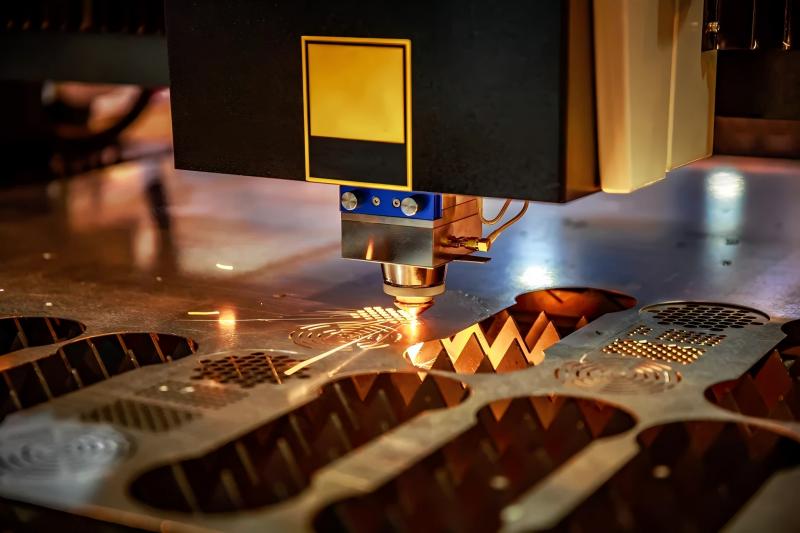
Copper reflects most of the laser beam, particularly at lower wavelengths, reducing effective energy transfer and causing irregular cutting conditions.
Improper Laser Power and Frequency Settings
If laser power is too low, cutting becomes incomplete. If too high, it may cause excessive melting and unstable keyhole behavior. Both situations lead to instability.
Inconsistent Assist Gas Control
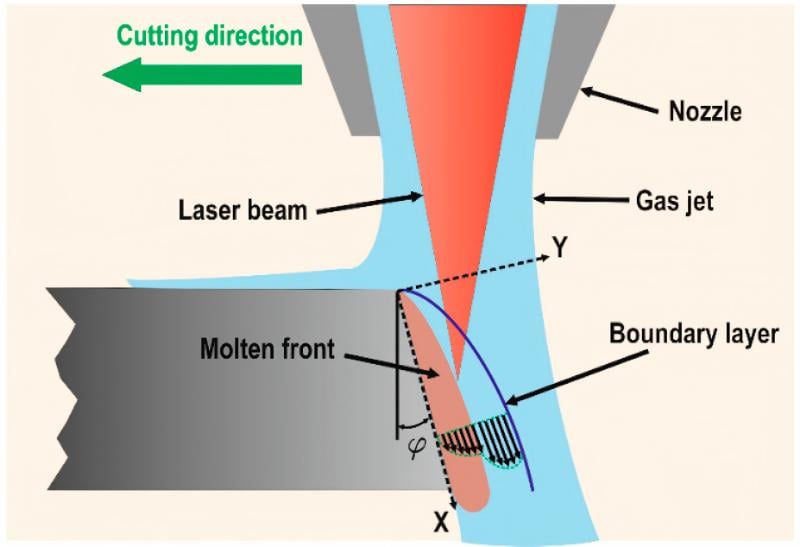
Assist gas plays a key role in ejecting molten material. Unstable pressure or incorrect gas type can result in poor melt removal and irregular cut edges.
Beam Quality and Focus Position Errors
Incorrect focal position or degraded beam quality reduces energy density at the cutting point, which significantly increases cutting instability.
Thermal Accumulation in Thick Copper Sheets
Due to copper’s high thermal conductivity, heat spreads quickly, making it difficult to maintain a stable melt pool in thick materials.
How to Reduce Copper Laser Cutting Instability
Optimize Laser Parameters Carefully
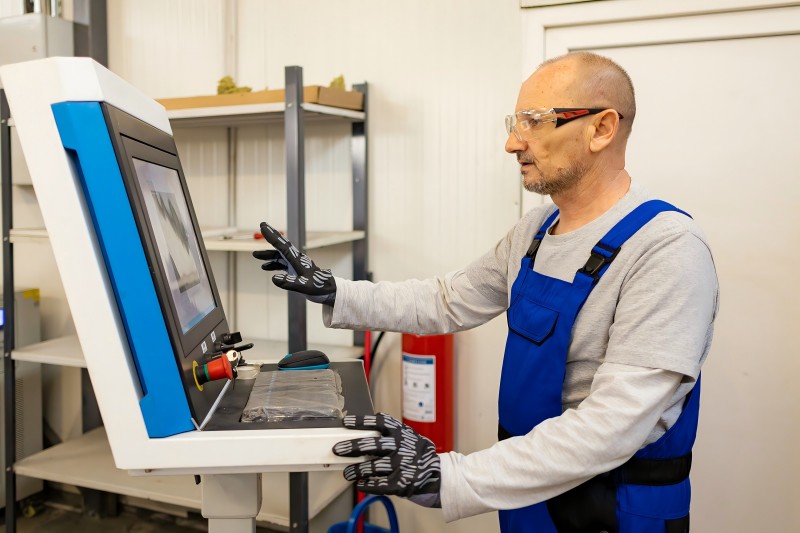
I always recommend fine-tuning power, pulse frequency, and cutting speed based on material thickness. Small adjustments can significantly improve stability.
Use Appropriate Wavelength and Laser Type
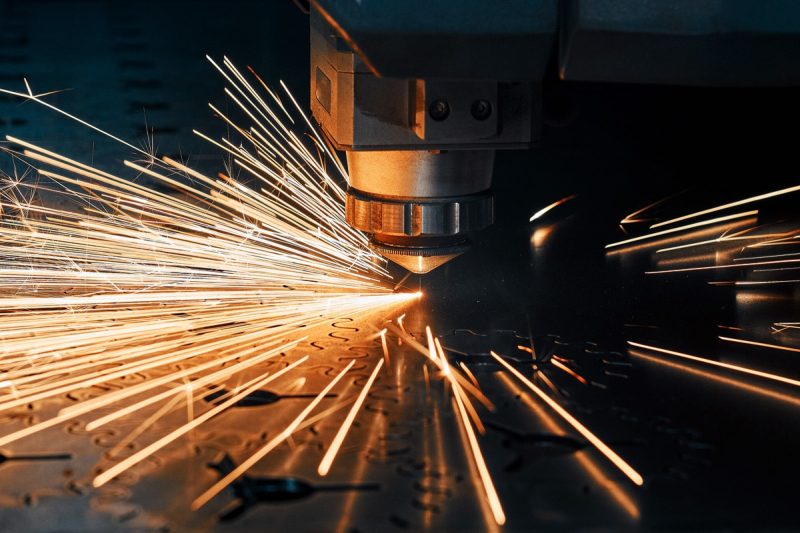
Fiber lasers with optimized parameters are generally more effective for copper processing due to better energy absorption compared to older laser types.
Stabilize Assist Gas System
Maintaining consistent gas pressure and using high-purity nitrogen can help improve melt ejection and reduce cutting fluctuations.
Maintain Proper Focus Position
Regular calibration of the cutting head ensures the laser beam remains accurately focused on the material surface for stable energy delivery.
Improve Machine Maintenance and Alignment
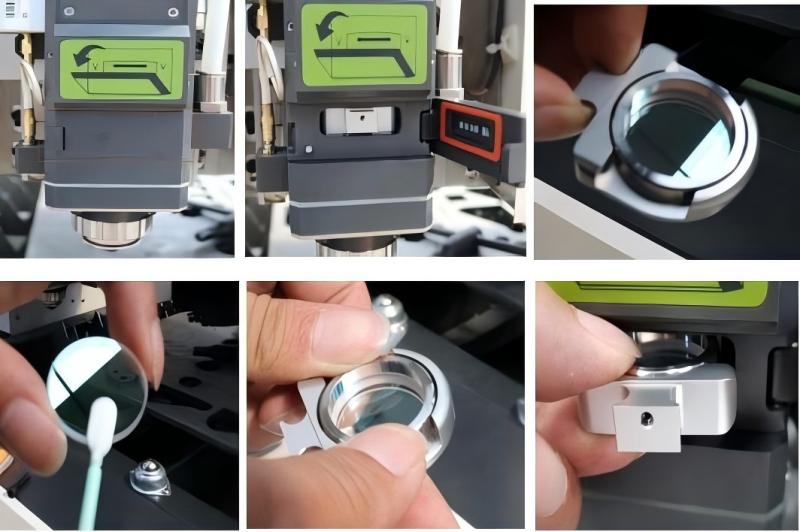
Clean optics, stable mechanical structure, and properly aligned cutting heads all contribute to reducing Copper Laser Cutting Instability.
Best Practices for Stable Copper Laser Cutting
Conduct Test Cuts Before Production
I always recommend performing sample cuts to verify parameter stability before starting full production runs.
Monitor Process in Real Time
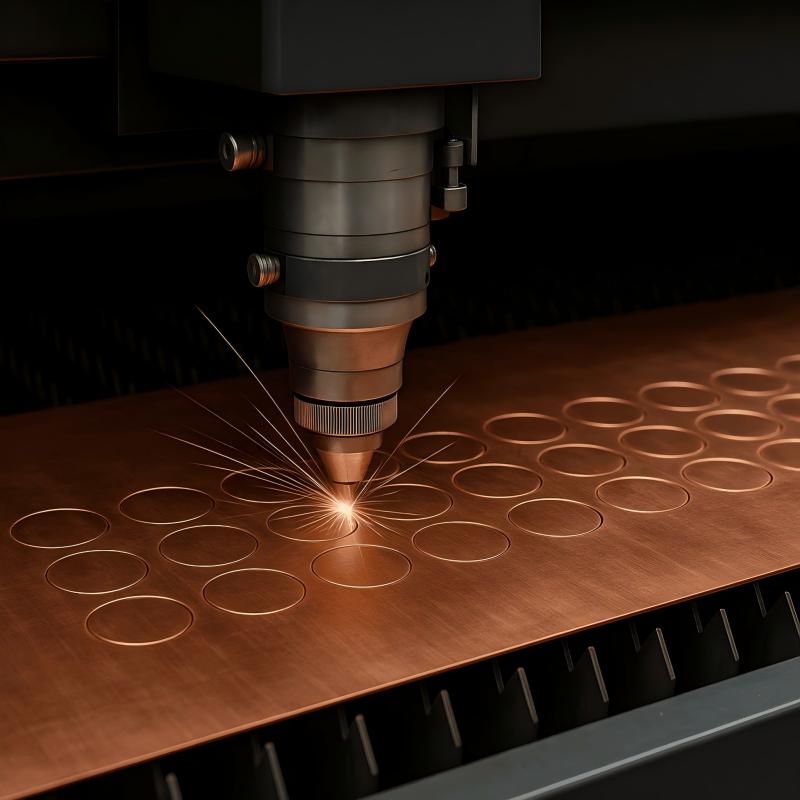
Modern CNC systems allow monitoring of cutting conditions, helping detect instability early and make adjustments quickly.
Use High-Quality Consumables
Nozzles, lenses, and protective windows must be kept in good condition to ensure consistent beam delivery.
Perguntas frequentes
Why is copper harder to cut than steel?
Copper reflects more laser energy and dissipates heat faster, making stable cutting more difficult.
Can Copper Laser Cutting Instability be completely eliminated?
Not completely, but it can be significantly reduced with proper parameter optimization and system maintenance.
Is nitrogen better than oxygen for copper cutting?
Yes, nitrogen is commonly used to achieve cleaner and more stable cuts in copper processing.
Does higher laser power always improve stability?
Not necessarily. Stability depends on a balance between power, speed, focus, and gas control.
Conclusão
Controlling Copper Laser Cutting Instability requires a combination of optimized parameters, stable assist gas control, proper focus calibration, and consistent machine maintenance. By understanding how copper interacts with laser energy, you can significantly improve cutting stability and achieve higher-quality results in production.
If you need further technical support or machine optimization guidance, feel free to contact our team.


