


If you’ve noticed your machine isn’t cutting as precisely as it used to, you’re definitely not alone. A corte a laser accuracy decline is a common issue that many operators face after months or years of continuous production. I often get asked why a laser cutting machine that once delivered perfect edges starts drifting in precision, and the answer usually isn’t just one single cause. In reality, it’s a combination of mechanical wear, optical issues, environmental factors, and maintenance habits. In this guide, I’ll walk you through the real reasons behind accuracy loss and how you can fix or prevent it in your daily operation.
How Mechanical Wear Causes corte a laser accuracy decline Over Time
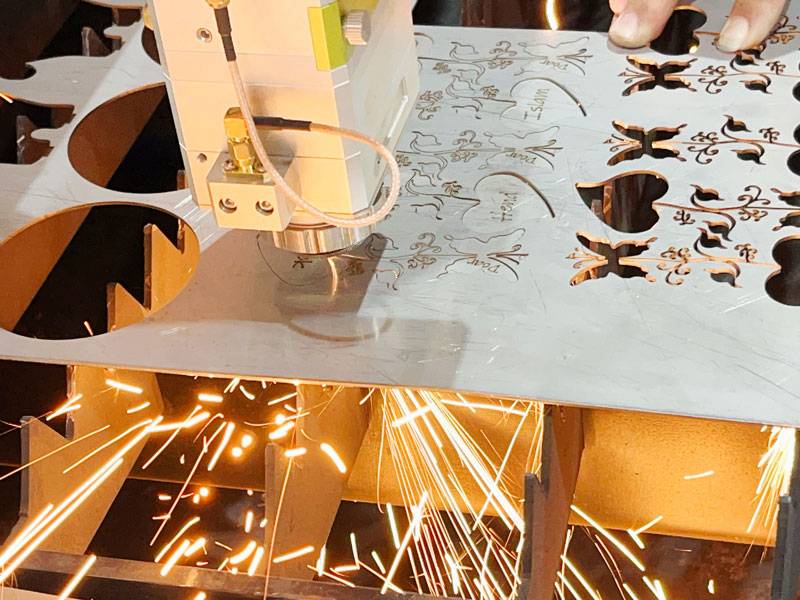
One of the most common reasons for laser cutting accuracy decline is mechanical degradation. Even high-end machines gradually lose precision when key components wear out.
Guide Rails and Linear Motion System Wear

Over time, the guide rails, linear bearings, and ball screws naturally experience friction and wear. When this happens, the laser head may not move as smoothly or precisely as before. Even a small deviation in motion can lead to noticeable cutting errors, especially in high-precision parts.
To prevent this, I always recommend regular lubrication and checking for backlash or uneven movement during routine maintenance.
Loose Mechanical Fasteners and Frame Fatigue
Another overlooked issue is vibration and structural loosening. After long-term operation, bolts and frame connections may loosen slightly due to constant machine vibration. This leads to instability in positioning accuracy.
Tightening structural components and performing periodic machine alignment checks can significantly slow down laser cutting accuracy decline.
Optical System Problems Behind laser cutting accuracy decline
The optical system is the heart of any laser cutting machine. When it drifts out of alignment, accuracy drops quickly.
Lens Contamination and Focusing Errors
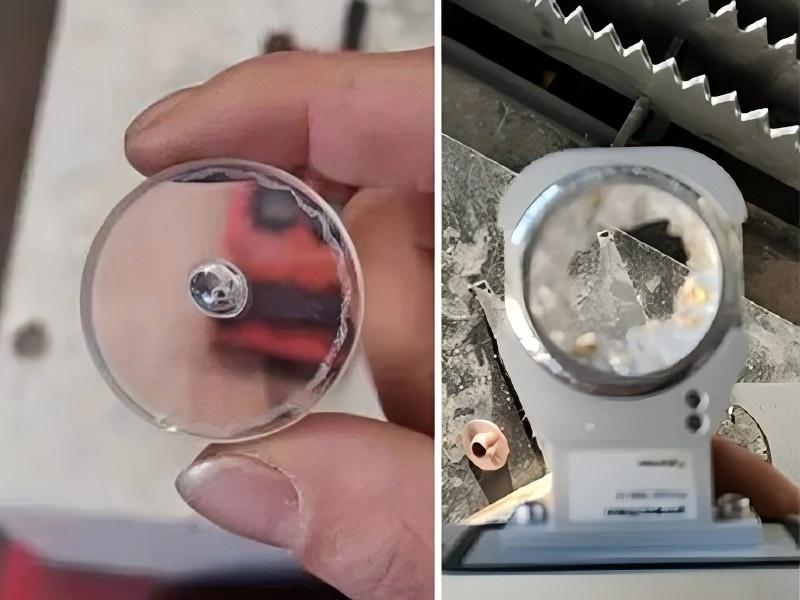
Dust, smoke residue, and metal particles can accumulate on protective lenses and focusing lenses. When the beam is partially blocked or distorted, cutting precision suffers.
I usually advise operators to clean optical components regularly using proper lens-cleaning materials. Even a thin layer of contamination can cause serious laser cutting accuracy decline.
Beam Misalignment in the Optical Path
If mirrors or beam paths are slightly misaligned, the laser spot will not hit the material at the correct position. This leads to inconsistent kerf width and edge quality issues.
Routine optical calibration is essential. Many modern machines support automatic alignment checks, but manual verification is still important for long-term stability.
How environmental factors contribute to laser cutting accuracy decline
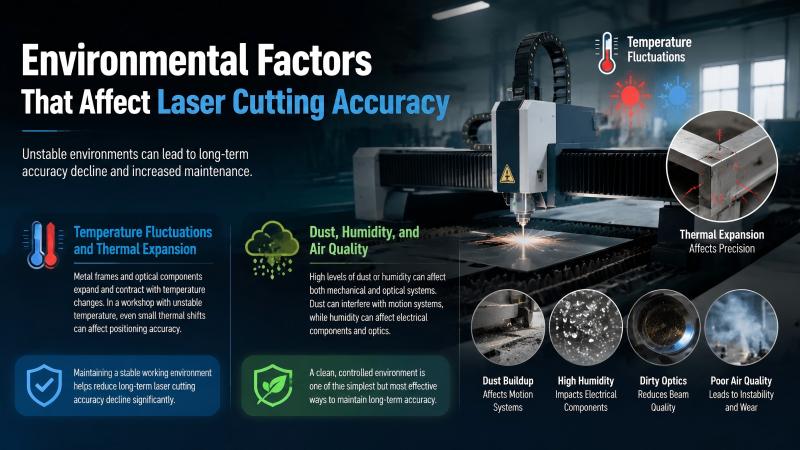
Environmental conditions often get ignored, but they play a big role in precision stability.
Temperature Fluctuations and Thermal Expansion
Metal frames and optical components expand and contract with temperature changes. In a workshop with unstable temperature, even small thermal shifts can affect positioning accuracy.
Maintaining a stable working environment helps reduce long-term laser cutting accuracy decline significantly.
Dust, Humidity, and Air Quality
High levels of dust or humidity can affect both mechanical and optical systems. Dust can interfere with motion systems, while humidity can affect electrical components and optics.
A clean, controlled environment is one of the simplest but most effective ways to maintain long-term accuracy.
Software and calibration issues that lead to laser cutting accuracy decline
Not all accuracy problems are physical. Sometimes the issue is digital.
Outdated Control Parameters
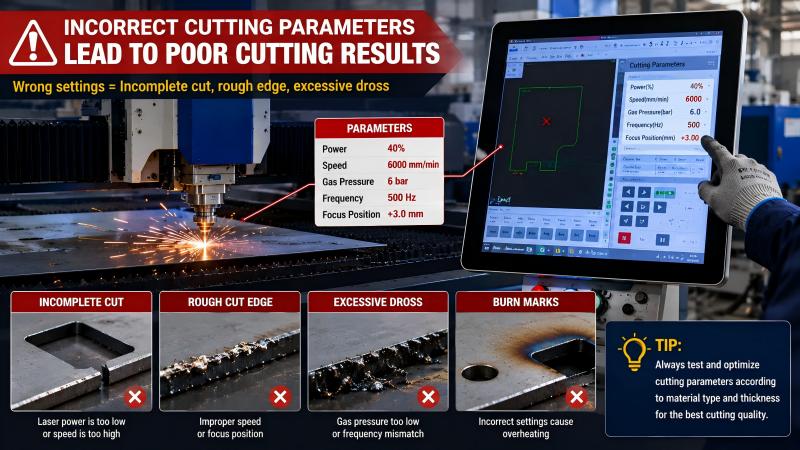
Over time, machine parameters may drift or become outdated due to software updates or production changes. Incorrect acceleration, speed, or compensation settings can lead to visible cutting errors.
Regular parameter verification is necessary to avoid unnecessary laser cutting accuracy decline.
Lack of Routine Calibration
Many operators skip calibration when the machine still “seems fine.” However, even small deviations accumulate over time.
I recommend performing full calibration cycles at scheduled intervals, especially for high-precision production environments.
Maintenance habits that prevent laser cutting accuracy decline
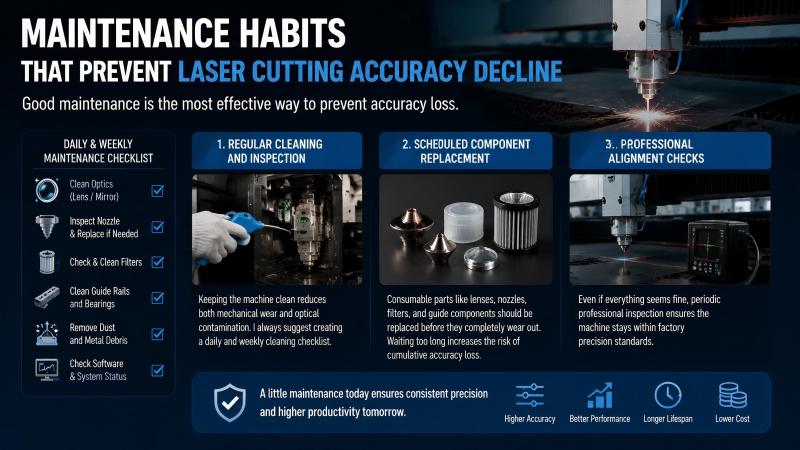
Good maintenance is the most effective way to prevent accuracy loss.
Limpeza e inspeção regulares
Keeping the machine clean reduces both mechanical wear and optical contamination. I always suggest creating a daily and weekly cleaning checklist.
Scheduled Component Replacement
Consumable parts like lenses, nozzles, filters, and guide components should be replaced before they completely wear out. Waiting too long increases the risk of cumulative accuracy loss.
Professional Alignment Checks
Even if everything seems fine, periodic professional inspection ensures the machine stays within factory precision standards.
PERGUNTAS FREQUENTES
What is the most common reason for laser cutting accuracy decline?
In most cases, it is caused by a combination of mechanical wear and optical contamination. Guide rails, lenses, and calibration drift are the main contributors.
How often should I calibrate my laser cutting machine for accuracy?
I recommend a full calibration every 300–500 working hours, depending on usage intensity and material type.
Can environment really affect laser cutting accuracy decline?
Yes. Temperature changes, dust, and humidity can all impact both mechanical stability and optical performance over time.
Conclusão
A stable cutting performance doesn’t happen by accident—it comes from consistent care, correct operation, and timely maintenance. Understanding the causes behind laser cutting accuracy decline helps you take action before small issues turn into costly production problems. By maintaining mechanical systems, keeping optics clean, ensuring proper calibration, and controlling the working environment, you can significantly extend the precision life of your machine.
If you need further technical support or want to optimize your laser cutting performance, our team at HARSLE is always here to help.


