


Laser Cutting Nozzle Damage is one of the most common issues encountered during corte a laser operations. If you find yourself replacing nozzles more frequently than expected, you’re probably wondering what is causing the problem. In my experience, nozzle damage is rarely caused by a single factor. Instead, it is usually the result of improper cutting parameters, nozzle collisions, poor gas quality, contamination, or inadequate maintenance practices. In this article, I’ll explain the most common causes of laser cutting nozzle damage, how to diagnose the issue, and what steps I take to extend nozzle life while maintaining high cutting quality and machine performance.
Why Is the Laser Cutting Nozzle So Important?
The Role of the Nozzle in Laser Cutting
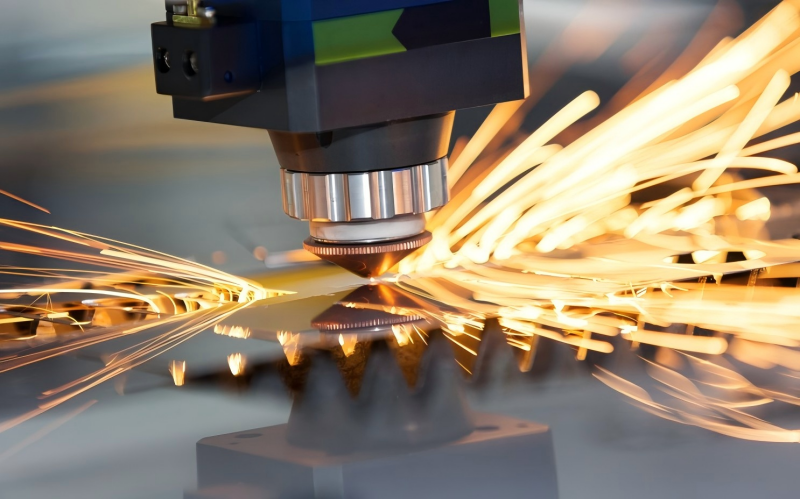
The nozzle is a critical component of the laser cutting head. It directs the assist gas toward the cutting area and helps remove molten material from the kerf.
A properly functioning nozzle helps:
- Improve cutting quality
- Maintain stable gas flow
- Protect optical components
- Increase cutting efficiency
- Reduce production defects
Even minor nozzle damage can negatively affect the entire cutting process.
How Nozzle Damage Impacts Production
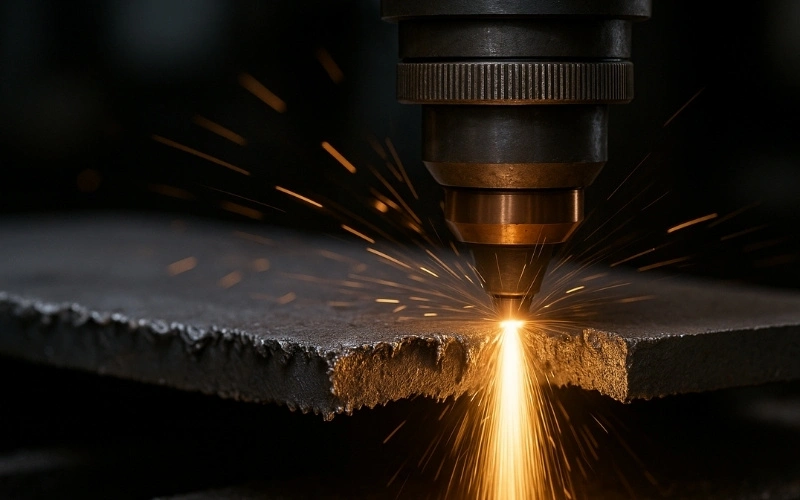
When nozzle damage occurs, I often notice several symptoms:
- Rough cut edges
- Excessive slag formation
- Incomplete cutting
- Increased gas consumption
- Frequent cutting interruptions
These problems reduce productivity and increase operating costs.
Common Causes of Laser Cutting Nozzle Damage
Nozzle Collision with the Workpiece
One of the most frequent causes of Laser Cutting Nozzle Damage is accidental collision between the nozzle and the metal sheet.
Collisions may occur because of:
- Warped materials
- Incorrect focus height
- Poor sheet positioning
- Faulty height sensors
Even a small impact can deform the nozzle opening and affect gas flow symmetry.
Improper Cutting Parameters
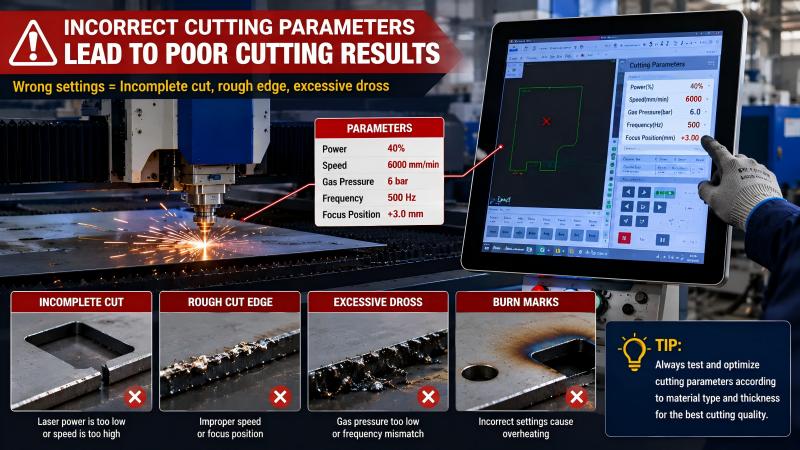
Incorrect cutting settings can expose the nozzle to excessive heat and molten material.
Common parameter-related issues include:
- Excessive laser power
- Incorrect focus position
- High cutting speed
- Improper gas pressure
When parameters are not optimized, molten metal can splash back onto the nozzle surface, causing erosion and contamination.
Poor Assist Gas Quality
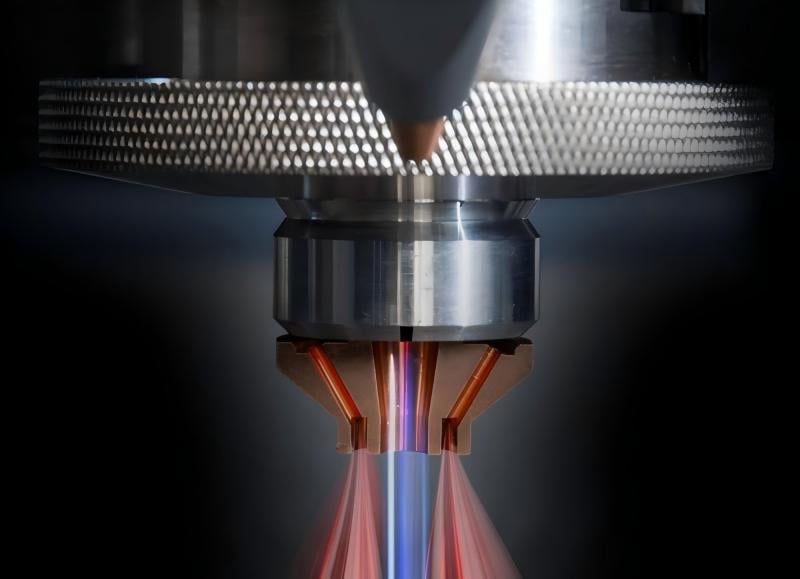
Assist gas quality plays a major role in nozzle lifespan.
Contaminated gas may contain:
- Moisture
- Oil particles
- Dust
- Rust particles from pipelines
These contaminants can accumulate inside the nozzle and accelerate wear.
Excessive Heat Exposure
Continuous cutting of thick materials generates significant heat around the nozzle.
Over time, excessive heat can cause:
- Nozzle deformation
- Surface oxidation
- Reduced dimensional accuracy
- Poor gas distribution
This is especially common when cutting thick carbon steel plates.
Improper Nozzle Installation
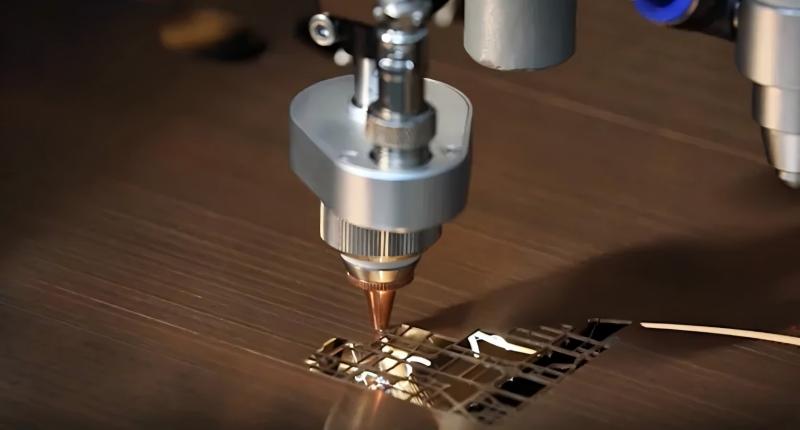
Incorrect installation can create alignment issues between the laser beam and the nozzle center.
Signs of poor installation include:
- Uneven cutting quality
- Asymmetric sparks
- Increased nozzle wear
- Frequent alarms
Proper alignment is essential for maintaining consistent cutting performance.
How to Diagnose Laser Cutting Nozzle Damage
Step 1: Visually Inspect the Nozzle
I always begin by removing the nozzle and examining it carefully.
Procurar:
- Dents
- Burn marks
- Cracks
- Excessive spatter buildup
- Deformed nozzle openings
Even small imperfections can affect cutting quality.
Step 2: Check Nozzle Concentricity
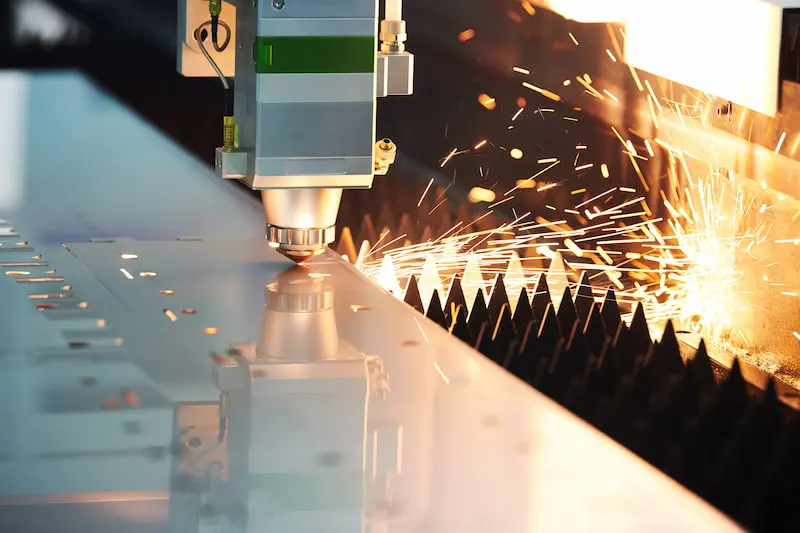
Most laser machines provide a nozzle centering test.
Perform the test to verify:
- Beam alignment
- Nozzle position
- Cutting head calibration
A misaligned nozzle often causes uneven gas flow and premature wear.
Step 3: Examine Cutting Quality
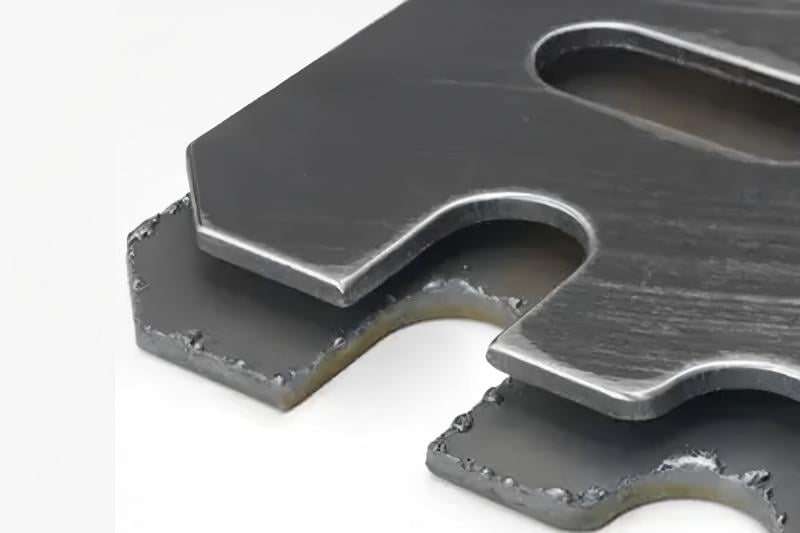
Poor cutting results can reveal nozzle problems.
Common indicators include:
- Rough edges
- Excessive dross
- Incomplete penetration
- Irregular kerf width
Comparing current cuts with previous production samples helps identify deterioration.
Step 4: Verify Height Sensor Performance
Capacitive height sensors maintain the correct distance between the nozzle and workpiece.
Inspect:
- Sensor calibration
- Sensor cleanliness
- Cable connections
- Signal stability
Faulty sensors significantly increase collision risk.
Common Laser Cutting Nozzle Damage Mistakes
Ignoring Minor Nozzle Deformation
Many operators continue using slightly damaged nozzles.
Isso geralmente leva a:
- Poor cut quality
- Increased material waste
- Higher gas consumption
Replacing a damaged nozzle early is usually more cost-effective.
Cleaning Nozzles with Improper Tools
Using abrasive tools can scratch the nozzle surface and alter its geometry.
I recommend using manufacturer-approved cleaning tools and procedures.
Delaying Nozzle Replacement
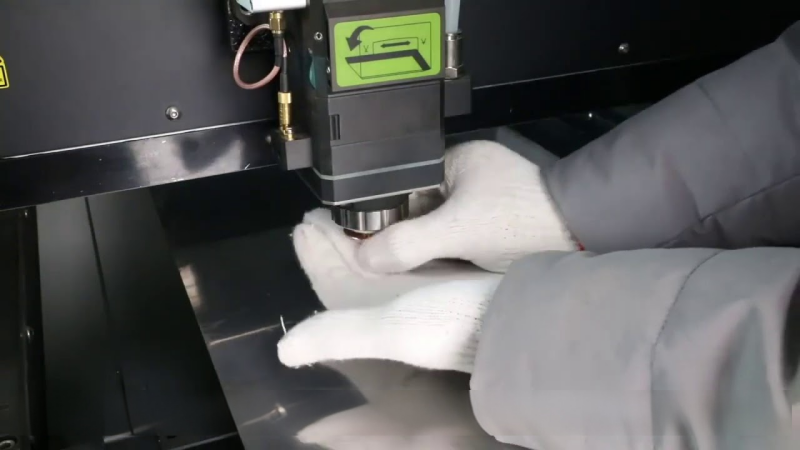
Nozzles are consumable components. Waiting too long to replace worn nozzles often results in more expensive production problems.
Perguntas frequentes
How often should I replace my laser cutting nozzle?
The replacement interval depends on material type, cutting volume, and operating conditions. Many operators inspect nozzles daily and replace them whenever damage or excessive wear is detected.
Can a damaged nozzle affect cutting accuracy?
Yes. Laser Cutting Nozzle Damage can disrupt gas flow, create uneven cuts, increase slag formation, and reduce overall cutting precision.
What is the most common cause of nozzle damage?
Nozzle collisions caused by warped materials, improper height settings, or sensor failures are among the most common causes of damage.
Does gas quality affect nozzle lifespan?
Absolutely. Moisture, oil, and particulate contamination in assist gas can accelerate nozzle wear and negatively affect cutting performance.
Conclusão
Laser Cutting Nozzle Damage can significantly reduce cutting quality, increase operating costs, and cause unnecessary downtime. In my experience, the most common causes include nozzle collisions, improper cutting parameters, contaminated assist gas, excessive heat, and poor maintenance practices. By performing regular inspections, optimizing cutting settings, maintaining clean gas systems, and replacing damaged nozzles promptly, you can dramatically extend nozzle life and improve production efficiency.
If you need additional assistance with laser cutting troubleshooting or nozzle maintenance, contact the HARSLE technical team for expert guidance and support.


