


Laser Cutting Motor Maintenance is essential for ensuring consistent performance, extending equipment lifespan, and preventing unexpected downtime. If you want your laser cutting machine to operate at peak efficiency, understanding proper maintenance practices is crucial. In this article, I’ll guide you through step-by-step procedures, best practices, and practical tips to keep your motors running smoothly. Whether you are a factory technician or a maintenance engineer, applying these maintenance strategies will improve reliability, reduce costly repairs, and help maintain precise cutting quality across all types of materials.
Understanding Laser Cutting Motor Maintenance
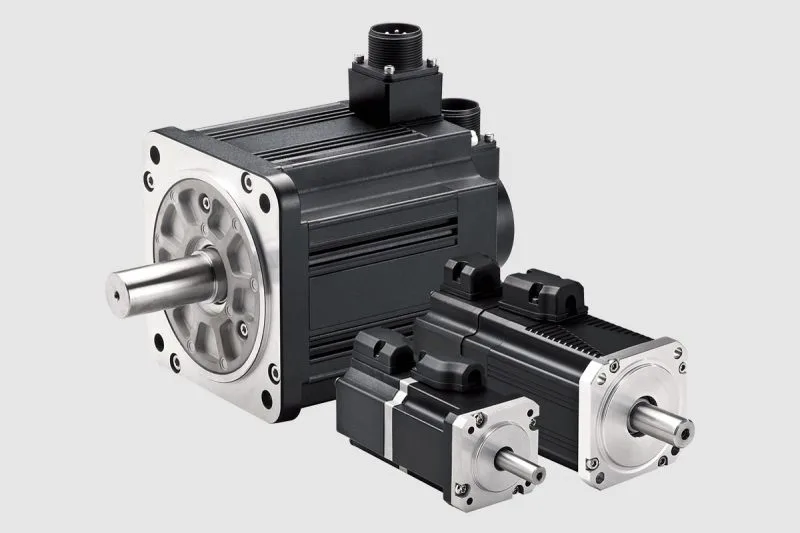
Importance of Regular Motor Maintenance
Regular maintenance ensures that your laser cutting motors operate within their design parameters. Neglecting motor care can lead to overheating, reduced cutting accuracy, and potential machine failure.
Common Motor Issues
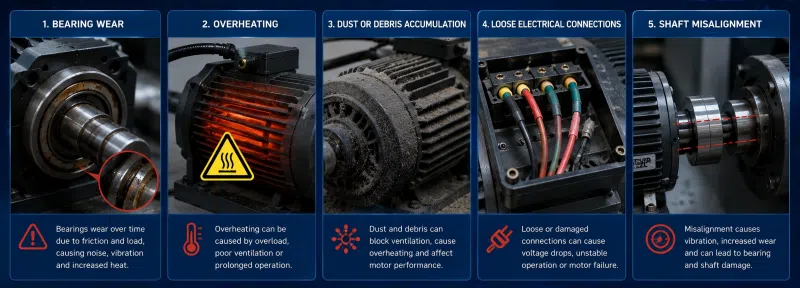
Typical issues include bearing wear, overheating, dust or debris accumulation, loose electrical connections, and shaft misalignment. Recognizing these problems early through regular inspections helps prevent unexpected downtime, reduces repair costs, maintains cutting accuracy, and significantly extends the service life of your laser cutting motor.
Step-by-Step Maintenance Procedures
Step 1: Inspect Bearings and Rotors
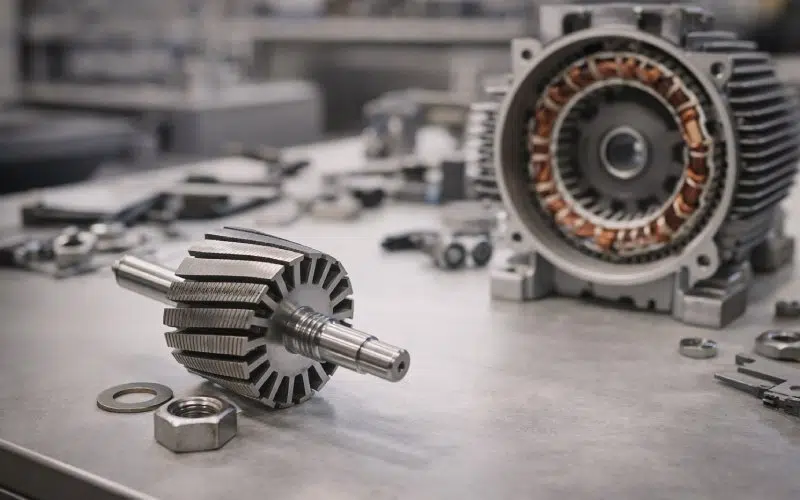
Check bearings for unusual noise, vibration, or wear. Lubricate them according to manufacturer specifications and inspect the rotor for cracks, discoloration, or damage that could affect motor performance and cutting accuracy.
Step 2: Clean the Motor and Surrounding Area
Dust and metal particles can reduce motor efficiency. Regularly clean the motor housing and surrounding components to prevent contamination and overheating.
Step 3: Check Electrical Connections
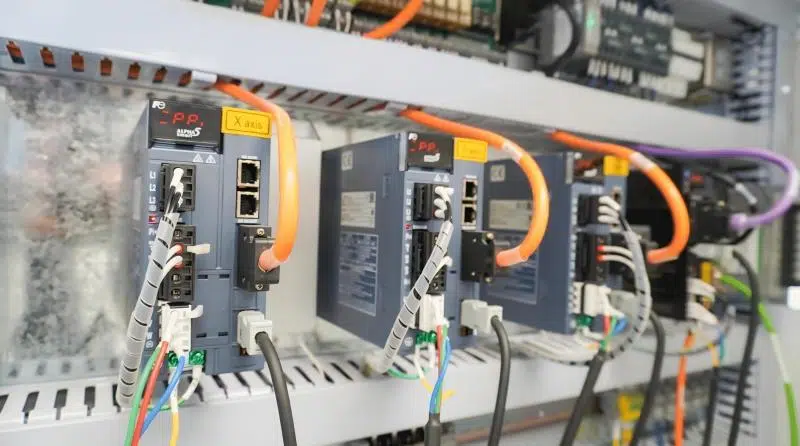
Ensure all wiring, connectors, and terminals are tight and free from corrosion. Loose or damaged electrical connections can cause voltage drops, unstable operation, overheating, and potential motor failure during laser cutting.
Step 4: Monitor Motor Temperature
Use built-in temperature sensors or external thermometers to verify that the motor operates within safe temperature ranges. Overheating can indicate underlying issues such as excessive load or insufficient lubrication.
Step 5: Verify Alignment
Proper alignment of the motor with the laser cutting system prevents vibration and uneven wear. Check the coupling and shaft alignment during scheduled maintenance intervals.
Step 6: Test and Record Performance
Run the motor under normal operating conditions and monitor parameters such as speed, torque, and current. Documenting performance allows you to detect gradual degradation before failures occur.
Preventive Measures for Motor Longevity
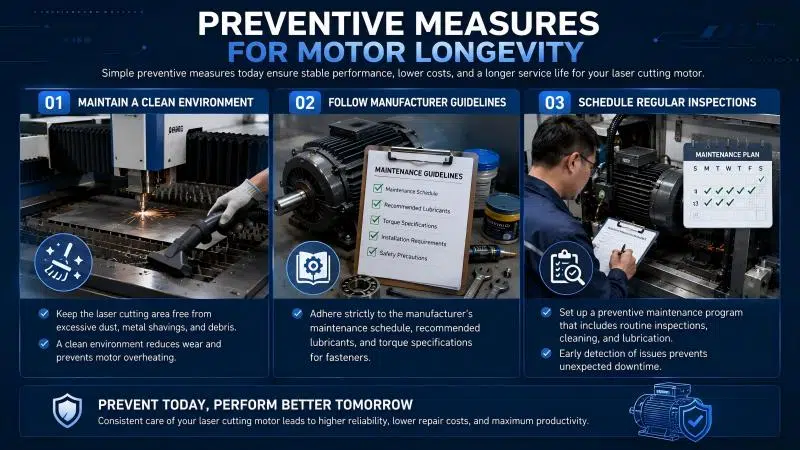
Maintain a Clean Environment
Keep the laser cutting area free from excessive dust, metal shavings, and debris. A clean environment reduces wear and prevents motor overheating.
Follow Manufacturer Guidelines
Adhere strictly to the manufacturer’s maintenance schedule, recommended lubricants, and torque specifications for fasteners.
Schedule Regular Inspections
Set up a preventive maintenance program that includes routine inspections, cleaning, and lubrication. Early detection of issues prevents unexpected downtime.
FAQs
How often should laser cutting motors be maintained?
Motors should be inspected and cleaned at least every 250-500 operating hours or according to the manufacturer’s guidelines. Lubrication and electrical checks should also follow the recommended schedule.
Can motor overheating be prevented?
Yes, proper ventilation, regular cleaning, correct alignment, and monitoring load conditions are essential to prevent overheating and extend motor life.
What are signs of bearing failure in a laser cutting motor?
Unusual noise, vibration, or increased operating temperature often indicates bearing wear or damage. Prompt inspection and lubrication can prevent further issues.
Conclusion
Effective Laser Cutting Motor Maintenance is vital for reliable operation, high precision, and long-term productivity of your laser cutting equipment. By performing regular inspections, cleaning, lubrication, alignment checks, and monitoring motor performance, you can minimize downtime and maintain consistent cutting quality. For further guidance or technical support, don’t hesitate to contact our team—we’re here to help you keep your laser cutting systems operating safely and efficiently.


