


Proper Laser Cutting Machine Storage is essential to maintain performance, prevent damage, and extend the lifespan of your equipment. If machines are stored incorrectly, issues like corrosion, component degradation, or electrical failures can occur over time. In this article, I’ll explain how to store laser cutting machines effectively and the key factors that influence longevity. By following these guidelines, you can protect your investment, reduce downtime, and ensure that your laser cutter operates reliably whenever it is needed. Whether you’re storing machines short-term between shifts or long-term for seasonal production, proper storage strategies make a measurable difference.
Key Factors Affecting Laser Cutting Machine Storage
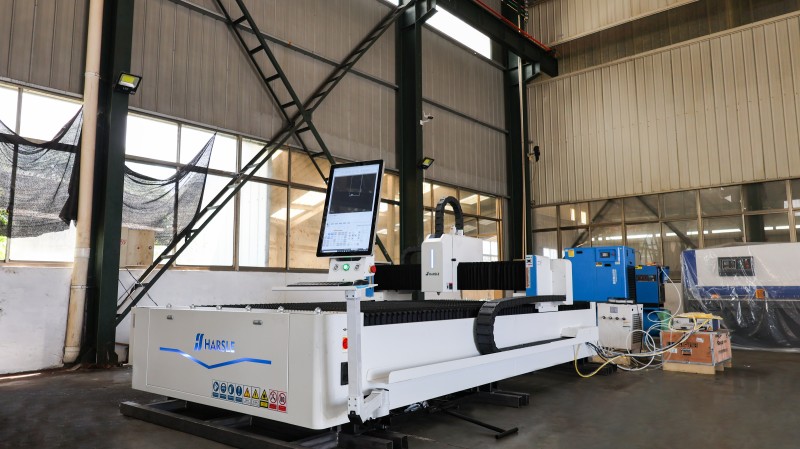
Environmental Conditions
Temperature, humidity, and dust greatly affect the health of laser cutting machines. Optimal storage conditions are dry, temperature-controlled, and free from corrosive substances, helping to prevent rust, electronic failures, and long-term damage to sensitive components.
Positioning and Physical Support
Machines must be stored on stable, level surfaces to prevent frame deformation. Keep heavy objects off stored equipment and secure all movable parts to avoid accidental shifts, protecting both the machine structure and precision components.
Protection of Sensitive Components
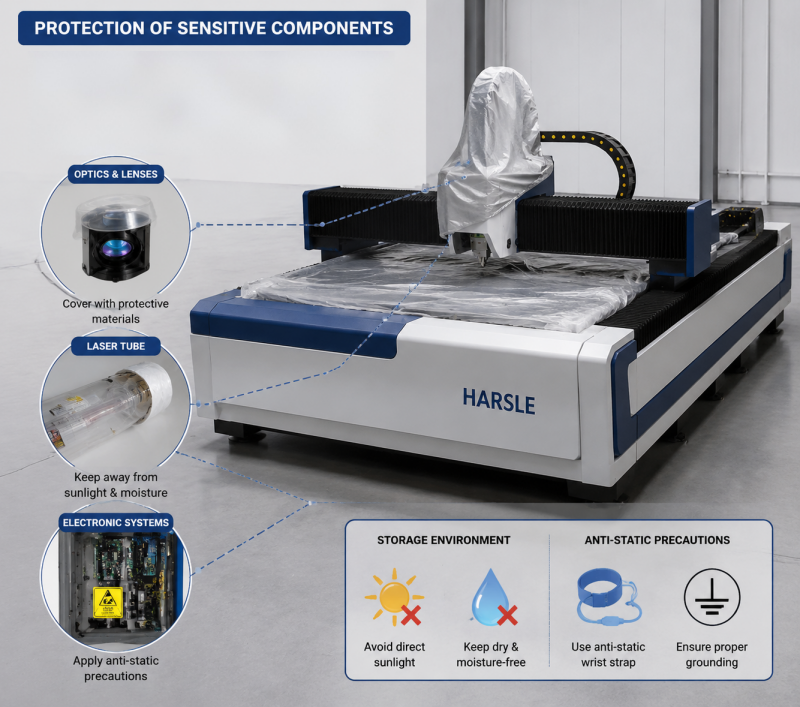
Optics, lenses, and laser tubes are highly sensitive components. Protect them with covers, keep them away from direct sunlight and moisture, and apply anti-static precautions to safeguard electronic systems during storage.
Step-by-Step Laser Cutting Machine Storage Guidelines
Step 1: Clean the Machine Thoroughly
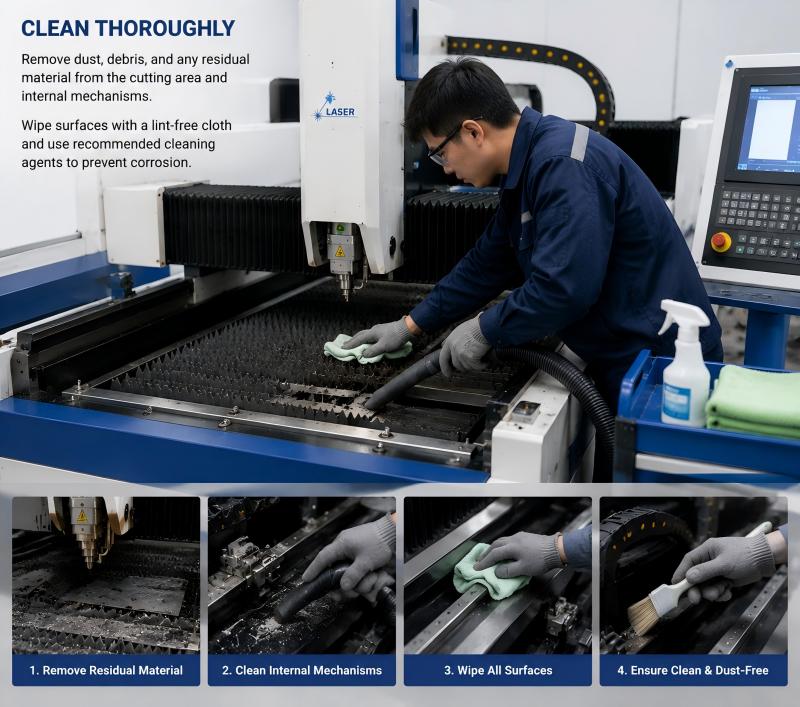
Clean the cutting area and internal mechanisms thoroughly, removing dust, debris, and leftover material. Wipe all surfaces with a lint-free cloth and use approved cleaning agents to prevent corrosion and maintain machine longevity.
Step 2: Drain or Protect Fluid Systems
If your machine uses cooling or hydraulic fluids, either drain the systems or ensure antifreeze/corrosion inhibitors are added. This prevents microbial growth and internal rust during storage.
Step 3: Secure Moving Parts
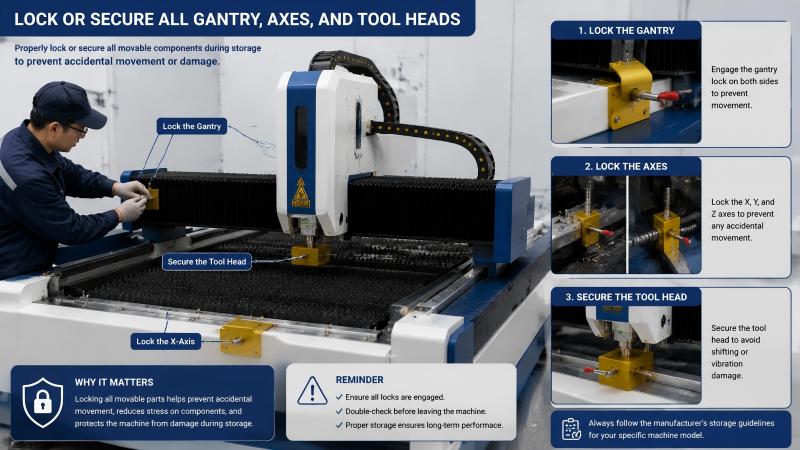
Secure all gantries, axes, and tool holders by locking or immobilizing them during storage. This prevents accidental movement, protects precision components, and reduces the risk of damage from vibrations or external forces.
Step 4: Cover and Seal
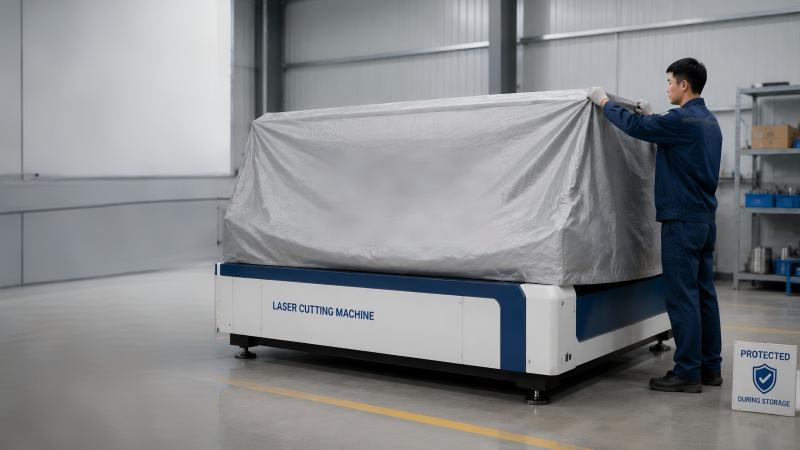
Use dust covers or protective enclosures to shield the machine from dust, moisture, and pests. Maintain adequate airflow to prevent condensation buildup inside sealed areas, protecting components during storage.
Step 5: Electrical and Laser Safety
Disconnect all power sources and safeguard electronics against voltage fluctuations. For extended storage, unplug sensitive components or use surge protectors to prevent electrical damage and ensure long-term system reliability.
Step 6: Regular Inspection During Storage
Even during storage, regularly inspect machines for moisture, corrosion, or environmental damage. Perform periodic minor diagnostics to verify functionality, detect potential issues early, and ensure that all systems remain in proper working condition before returning the machine to operation.
FAQs
Can laser cutting machine storage affect laser tube lifespan?
Yes, improper storage can lead to moisture buildup or contamination that shortens the tube’s operational life. Protecting and controlling the environment is essential.
How long can a laser cutting machine be stored safely?
With proper storage procedures, machines can be stored for months without significant performance loss. Long-term storage requires additional protective measures for fluids, optics, and electronics.
Are covers sufficient to protect a machine in storage?
Covers help prevent dust and debris, but combined measures like humidity control, immobilization of moving parts, and regular inspections are needed for full protection.
Conclusion
Proper Laser Cutting Machine Storage is crucial for maintaining performance and extending the life of your equipment. By controlling environmental conditions, securing sensitive components, performing regular inspections, and following systematic storage procedures, you can protect your investment and reduce maintenance costs. For more detailed guidance or assistance with long-term machine storage, contact our team to ensure your laser cutting systems remain in optimal condition.


