


laser Cutting Protective Lens Burnout is one of the most common consumable failures in laser cutting operations, especially within the optics system where precision is critical. When users experience unstable cutting quality, reduced beam transmission, or frequent machine shutdowns, it is often directly related to protective lens damage or overheating. If not addressed in time, this issue can increase maintenance costs, reduce cutting efficiency, and even cause secondary damage to internal optical components. In this article, I’ll explain the main causes of protective lens burnout and provide practical solutions to help extend lens life and maintain stable, high-quality laser cutting performance.
Understanding Laser Cutting Protective Lens Burnout
What Happens When the Protective Lens Burns Out
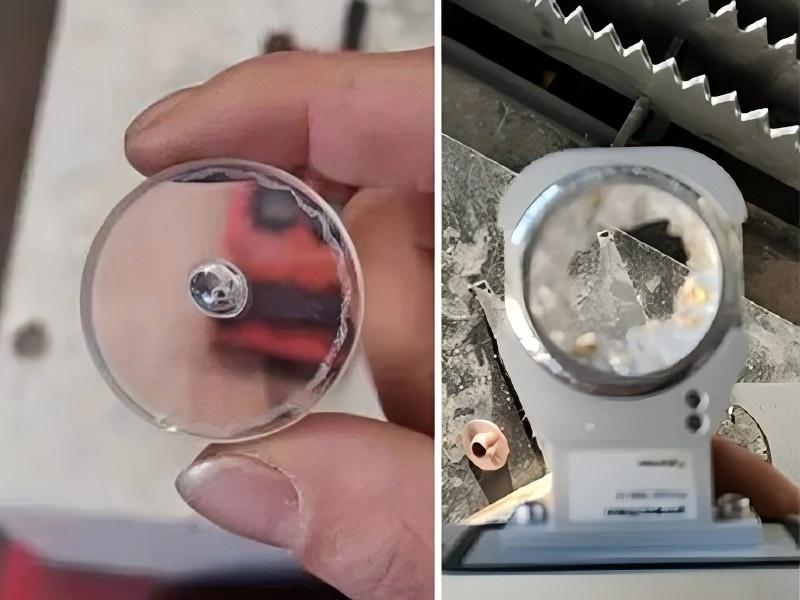
The protective lens acts as a barrier between the cutting environment and the internal focusing lens. When it becomes contaminated or overheated, it loses transparency, causing energy loss and unstable beam transmission. This is the first stage of laser Cutting Protective Lens Burnout.
Why the Lens Is So Critical
The lens directly affects beam quality, cutting precision, and system safety. Even minor damage or contamination can lead to serious performance degradation in the laser head.
Main Causes of Laser Cutting Protective Lens Burnout
Step 1: Poor Assist Gas Quality
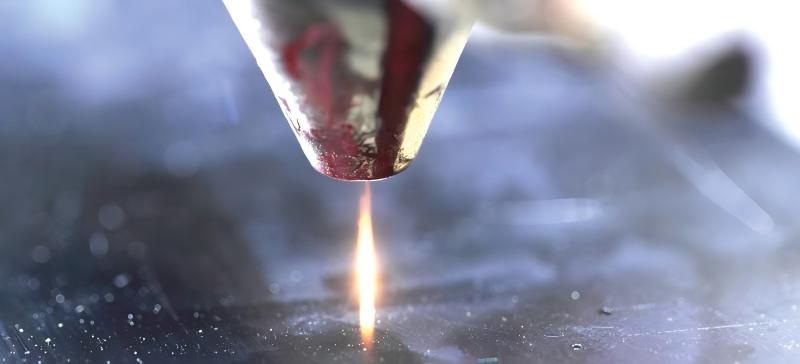
If the assist gas contains oil, moisture, or impurities, it can contaminate the lens surface. Over time, this leads to overheating and coating damage.
Step 2: Incorrect Focal Position
An incorrect focus setting increases back reflection and heat accumulation on the protective lens. This is one of the most common reasons for repeated burnout.
Step 3: Cutting Reflective Materials
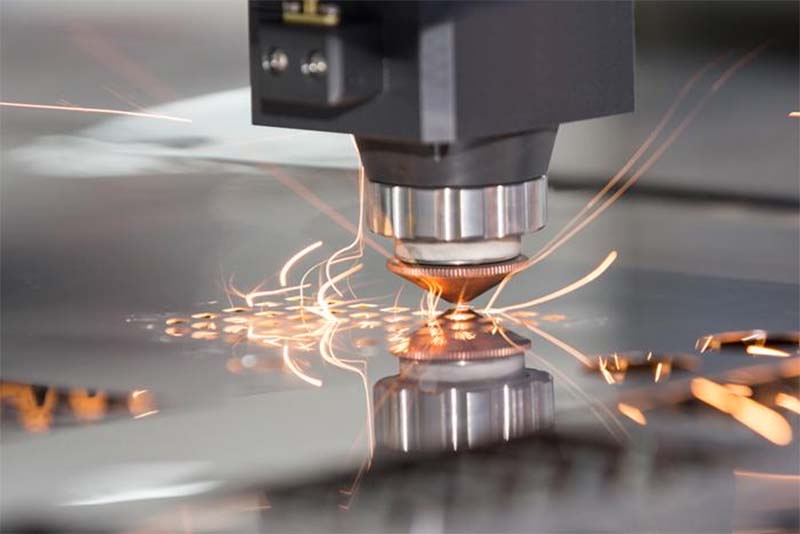
Materials such as aluminum, copper, and brass can reflect laser energy back into the head, increasing thermal stress on the lens.
Step 4: Dust and Spatter Contamination
During cutting, molten metal particles and dust can stick to the lens surface. This contamination reduces light transmission and increases the risk of thermal cracking.
Step 5: Improper Cooling or Airflow Design
Insufficient airflow in the laser head allows heat to accumulate, accelerating the degradation of the protective coating.
How to Prevent Frequent Protective Lens Failure
Maintain Clean Assist Gas Supply
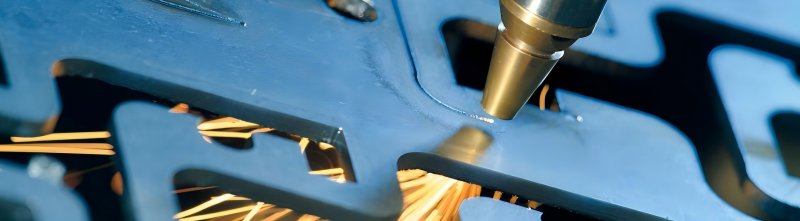
Always ensure the air or gas system is filtered properly. I recommend using high-quality filtration units to remove oil, water, and particles before they reach the cutting head.
Optimize Cutting Parameters
Correct laser power, focus height, and cutting speed significantly reduce heat load on the lens. Small adjustments can greatly extend lens life.
Regular Cleaning and Inspection
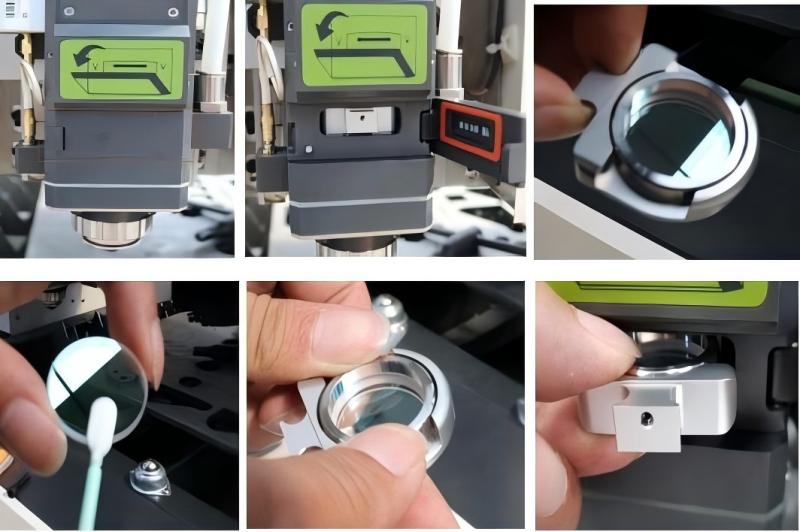
I always recommend inspecting the protective lens daily in high-volume production environments. Replace it immediately if any clouding, burn spots, or cracks appear.
Use Anti-Reflective Strategies
When cutting reflective materials, reduce power peaks and use optimized piercing techniques to minimize back reflection damage.
Ensure Proper Cooling and Sealing
Check that the laser head sealing system is intact and cooling airflow is stable to prevent heat accumulation.
Best Practices for Long-Term Lens Protection
Establish Maintenance Intervals
Set a fixed schedule for cleaning, inspection, and replacement of optical components to prevent unexpected failures.
Train Operators on Proper Handling
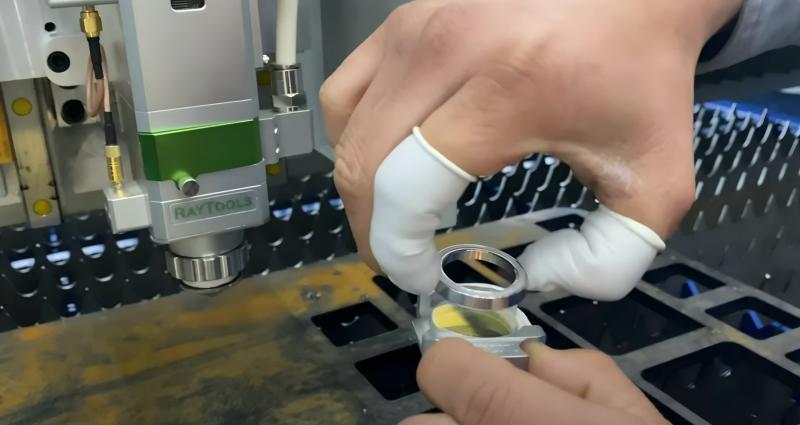
Many cases of laser Cutting Protective Lens Burnout come from improper installation or handling. Training operators reduces unnecessary damage.
Monitor Cutting Environment
Keep the machine area clean and control dust levels to reduce contamination risks.
FAQs
How often should I replace the protective lens?
It depends on usage intensity, but in industrial environments I recommend inspection every day and replacement when any damage or coating discoloration appears.
Can a dirty protective lens affect cutting quality?
Yes, even slight contamination can reduce beam transmission, causing rough edges, incomplete cutting, or unstable piercing.
What is the biggest cause of laser Cutting Protective Lens Burnout?
In most cases, it is caused by a combination of contamination (dust, oil, moisture) and improper parameter settings.
Conclusion
Frequent laser Cutting Protective Lens Burnout is usually the result of contamination, incorrect machine settings, or poor maintenance practices. By controlling gas quality, optimizing cutting parameters, and maintaining a clean optical environment, you can significantly extend lens life and improve cutting stability.
Proper maintenance is not only about replacing parts—it is about preventing failures before they happen. If you need more technical support or detailed guidance, feel free to contact our HARSLE team.


