


Learn metal deburring machine operation efficiently, including electrical connection, startup, system settings, trial processing, parameter adjustment, and maintenance tips.
Introduction
Proper metal deburring machine operation is essential for achieving consistent edge finishing, improving workpiece quality, and maintaining reliable machine performance. Before the machine begins processing parts, operators need to complete several basic procedures correctly, including electrical connection, power-on, system startup, and operating parameter setup.
Although a metal deburring machine is designed to simplify finishing work, incorrect startup procedures or unsuitable settings may affect processing quality and machine stability. Understanding the basic operating sequence helps operators become familiar with the equipment more quickly and reduces unnecessary errors during daily production.
This guide introduces the basic workflow of metal deburring machine operation, from electrical preparation and machine startup to system control and trial processing. The accompanying video provides a practical demonstration that operators can follow as a reference during initial machine setup and operation.
What Is Metal Deburring Machine Operation?
Metal deburring machine operation refers to the complete process of preparing, starting, setting, and running the machine to remove burrs and improve the edges or surfaces of processed metal parts.
After laser cutting, punching, shearing, or other sheet metal processes, workpieces may have sharp edges, small burrs, or surface imperfections. A deburring machine uses its processing units and conveyor system to finish these areas more efficiently and consistently than manual deburring.
Correct operation is not simply pressing the start button. Electrical preparation, system startup, processing settings, workpiece feeding, and final inspection all influence the finished result.
Before You Start
Before starting the machine, inspect the working area and confirm that the equipment is ready for operation.
First, check the machine’s electrical requirements and ensure that the incoming power supply matches the specified voltage, frequency, and phase configuration. Electrical wiring should be completed by qualified personnel according to the electrical diagram supplied with the machine.
Next, inspect the processing area and conveyor to make sure that no tools, packaging materials, or other foreign objects remain inside the machine. Protective covers and safety devices should also be correctly installed.
Operators should also become familiar with the control interface before starting production. Understanding the basic buttons, operating modes, and parameter pages makes subsequent metal deburring machine operation safer and more efficient.
Metal Deburring Machine Operation Workflow
Stage 1: Complete the Electrical Connection
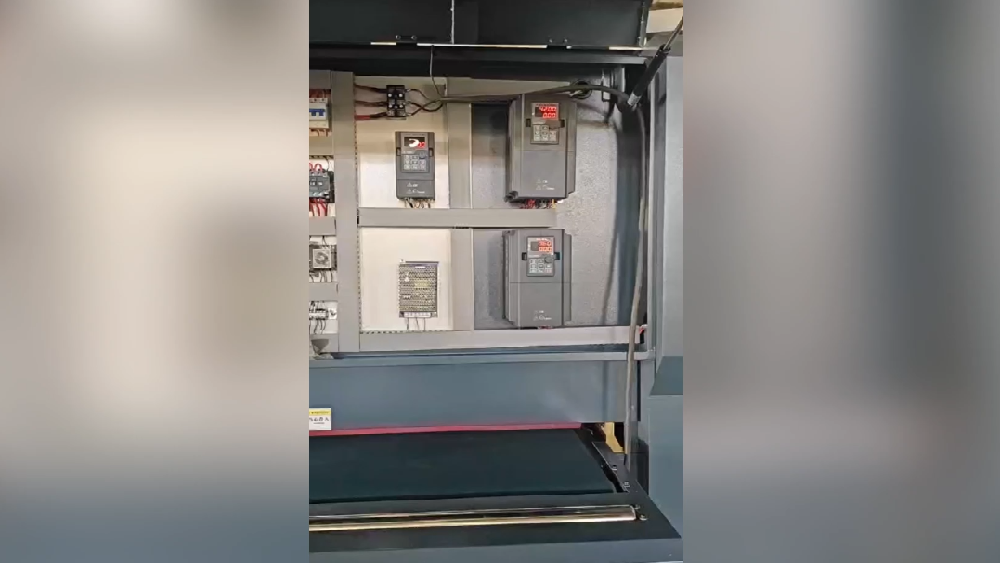
Begin by connecting the machine to the correct power supply according to its electrical specifications.
Before energizing the machine, inspect the wiring terminals and grounding connection carefully. Incorrect wiring, phase configuration, or power specifications may prevent normal startup and can potentially damage electrical components.
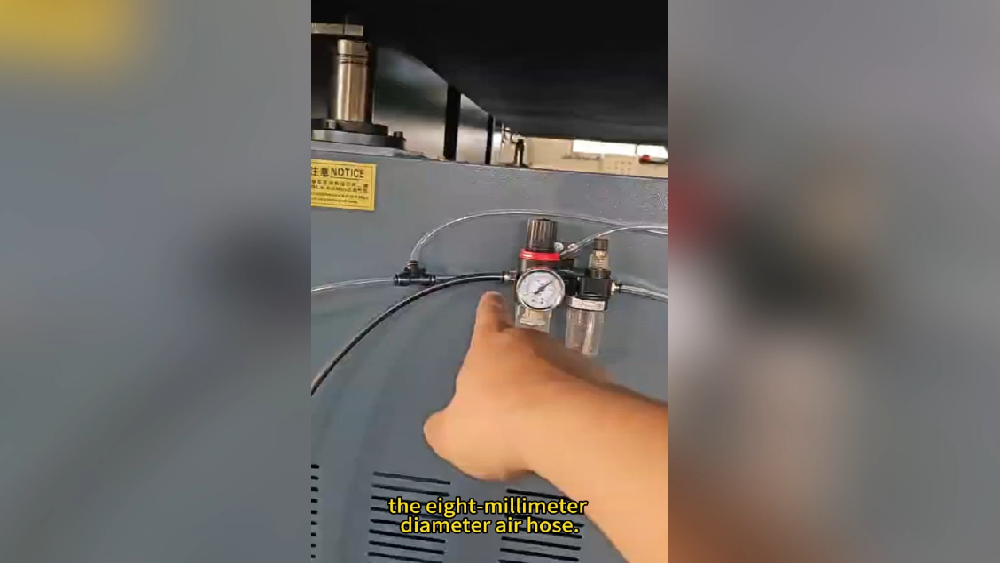
After confirming that all connections are secure, the machine can be powered on for the initial system check.
Stage 2: Power On the Machine
Turn on the main power supply and follow the specified startup sequence.
After power-on, allow the control system to initialize completely before performing additional operations. Check the display for alarms or abnormal messages and confirm that the machine is in a normal operating condition.
If an alarm appears during startup, identify and resolve the cause before continuing rather than repeatedly resetting the machine without inspection.
Stage 3: Become Familiar With the Control System
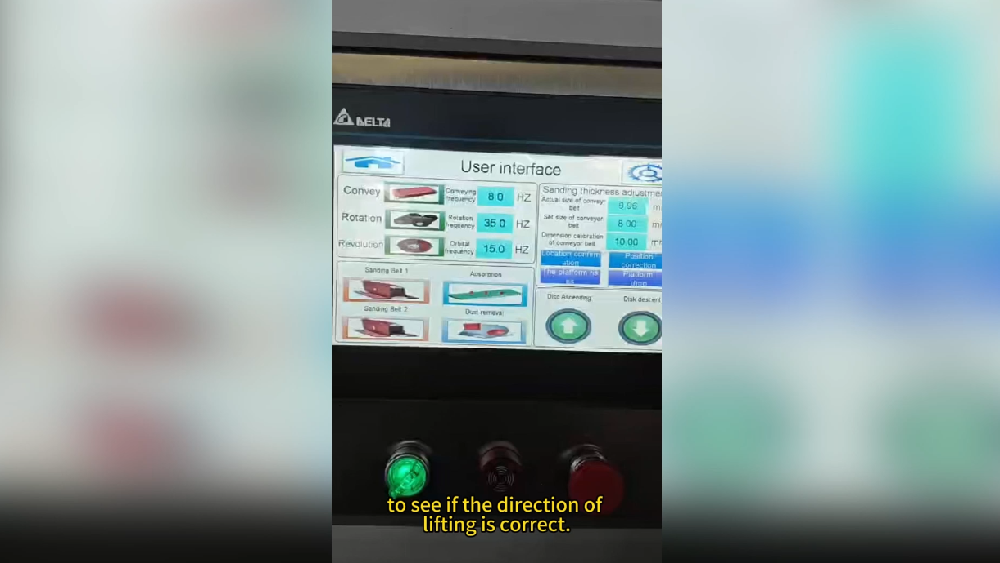
Once initialization is complete, review the main operating interface.
The control system provides access to the functions and parameters required for daily production. Operators should understand the purpose of the main controls before changing any settings.
During initial training, it is better to become familiar with one function at a time instead of changing multiple parameters simultaneously. This makes it easier to understand how each adjustment affects machine performance.
Stage 4: Set the Operating Parameters
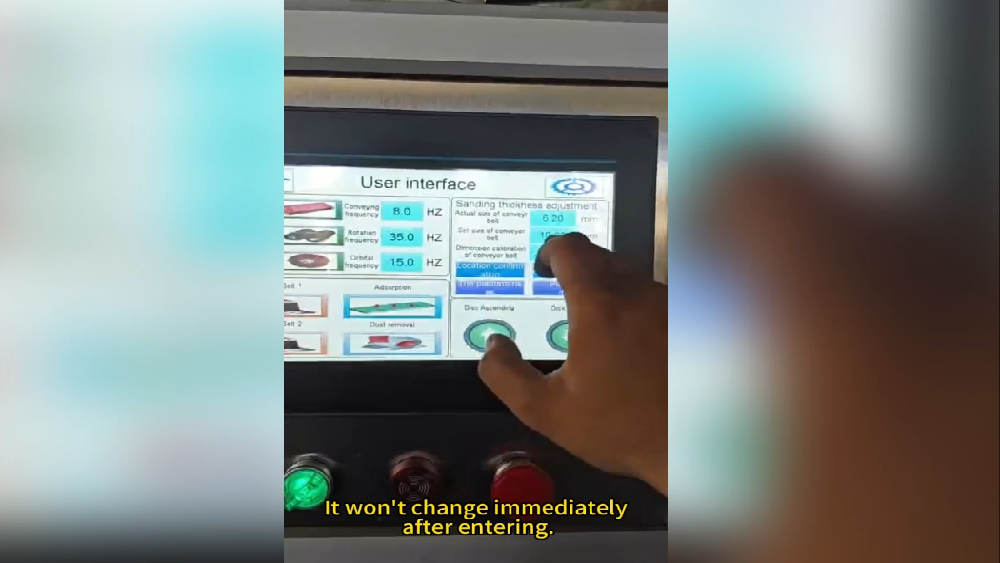
Before processing a workpiece, configure the required operating parameters according to the material and finishing requirements.
The appropriate settings may vary depending on factors such as workpiece material, thickness, burr condition, and desired surface quality. Operators should therefore avoid using one fixed group of parameters for every product.
When processing a new type of workpiece, begin with suitable reference settings and make gradual adjustments according to the actual finishing result.
Stage 5: Start the Machine and Feed the Workpiece

After confirming the system settings, start the required processing units and conveyor according to the operating procedure.
Place the workpiece properly on the conveyor and allow it to enter the processing area smoothly. During operation, observe the machine condition and avoid reaching into moving areas or opening protective devices while processing is underway.
Stable feeding is important for achieving consistent deburring results, especially when processing batches of similar parts.
Stage 6: Inspect the Finished Workpiece
After the workpiece exits the machine, inspect the processed edges and surfaces carefully.
Check whether burrs have been removed effectively and whether the finished surface meets the required quality standard. Also look for excessive grinding, scratches, or other undesirable marks.
If the result is unsatisfactory, adjust the relevant operating settings gradually and perform another test instead of making several major changes at once.
Trial Processing and Parameter Adjustment
Trial processing is an important part of metal deburring machine operation, especially when working with a new material or workpiece specification.
Experienced operators normally process one or several sample parts before starting batch production. The samples can then be inspected to determine whether the current machine settings provide the required deburring effect.
If adjustment is necessary, change one relevant parameter at a time and compare the results. This approach makes it easier to identify the relationship between machine settings and finishing quality while reducing unnecessary material waste.
Once a satisfactory result has been achieved, record the successful settings for similar production jobs in the future.
Important Notes
Different metal deburring machines may use different processing units, control systems, electrical configurations, and parameter settings. Therefore, the operating interface and procedures demonstrated in the accompanying video may not be identical to every machine.
This guide is intended as a general reference for understanding metal deburring machine operation. Actual electrical connection, startup procedures, and parameter adjustments should always follow the specific machine manual and electrical drawings.
Electrical installation should be performed by qualified personnel. If an abnormal alarm, electrical fault, unusual noise, or unexpected machine movement occurs, stop operation and contact the manufacturer’s technical support before continuing.
Maintenance Tips
Good daily maintenance helps maintain stable processing quality and extends machine service life.
- Clean metal dust and processing residue regularly.
- Inspect processing components for wear before production.
- Keep the conveyor clean and check its operating condition.
- Check electrical connections periodically for looseness or damage.
- Inspect protective covers and safety devices regularly.
- Record suitable settings for frequently processed materials.
Regular inspection is especially important in deburring applications because accumulated metal dust and worn processing components can gradually affect finishing quality.
Tips for Better Deburring Results
Achieving consistent deburring quality depends not only on machine operation but also on selecting suitable processing conditions for each workpiece.
- Check the workpiece before processing. Confirm the material, thickness, burr condition, and surface requirements before selecting the operating parameters.
- Start with appropriate reference settings. For a new workpiece, avoid making aggressive parameter adjustments immediately. Begin with suitable reference values and optimize them gradually.
- Inspect the first processed part. Check the edges and surfaces carefully before starting batch production to ensure that the required finishing quality has been achieved.
- Avoid excessive processing. Over-processing may affect the workpiece surface or unnecessarily reduce production efficiency.
- Record successful settings. Keep a record of suitable parameters for frequently processed materials and workpieces. This can significantly reduce setup time for repeat production.
- Monitor processing components. Worn abrasive or deburring components may gradually reduce finishing quality even when the machine parameters remain unchanged.
A combination of proper parameter selection, trial processing, and regular inspection helps maintain stable finishing quality throughout production.
Conclusion
Efficient metal deburring machine operation begins with correct electrical preparation and a standardized startup procedure. Operators should understand the control system, configure suitable processing settings, perform trial processing, and inspect the finished workpiece before starting continuous production.
Following a consistent operating procedure can improve finishing quality, reduce unnecessary adjustments, and make daily production more efficient. Because machine configurations can vary, operators should always combine this general guide with the specific operating instructions supplied with their equipment.


