


When maintaining a hydraulic shearing machine, one of the most important tasks I focus on is keeping the Hydraulic Filter in Shearing Machine clean and functional. A clogged or damaged hydraulic filter can reduce cutting performance, increase system pressure, and even cause serious damage to pumps, valves, and other hydraulic components. In this guide, I’ll explain how to replace the hydraulic filter step by step, helping operators maintain stable machine performance, extend component life, and prevent unexpected downtime.
Why Is Hydraulic Filter Replacement Important in a Shearing Machine?
Protecting the Hydraulic System from Contamination
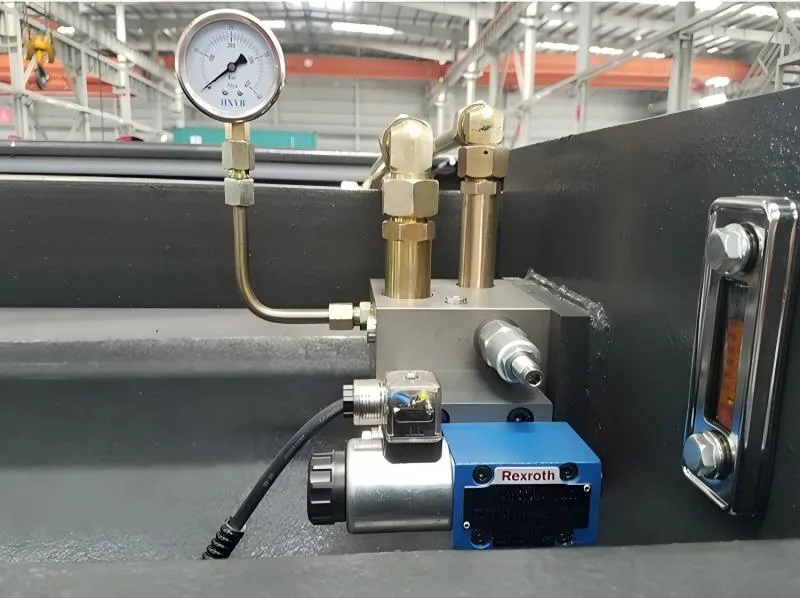
The hydraulic system of a shearing machine relies on clean oil to operate accurately and efficiently. During long-term operation, dust, metal particles, and oil degradation products can accumulate inside the hydraulic circuit. The filter captures these contaminants and prevents them from entering sensitive components.
If the Hydraulic Filter in Shearing Machine becomes blocked, contaminated oil may circulate through the system, causing valve sticking, pump wear, and unstable cutting pressure.
Maintaining Cutting Accuracy and Machine Performance
A clean hydraulic filter helps maintain consistent oil flow and pressure. When the filter works properly, the hydraulic cylinders can move smoothly, ensuring stable blade movement and accurate cutting results.
Regular hydraulic filter replacement is especially important for machines operating under heavy workloads or in environments with high levels of dust and metal debris.
How to Replace Hydraulic Filter in Shearing Machine Step by Step
Step 1: Prepare the Machine and Safety Equipment
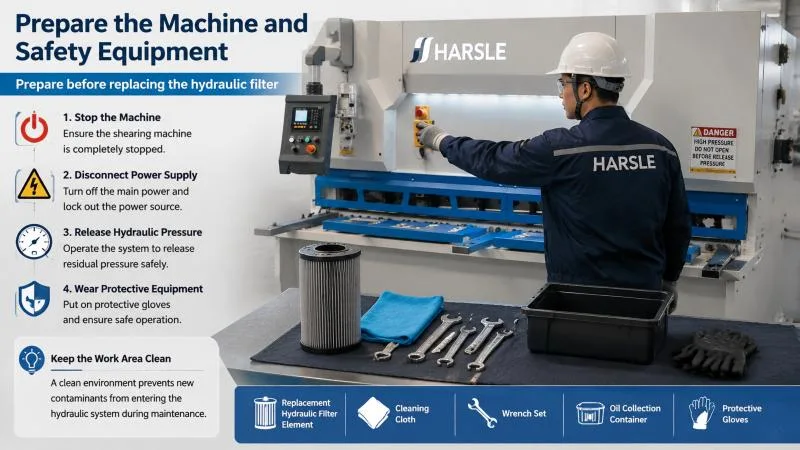
Before replacing the hydraulic filter, I always make sure the shearing machine is completely stopped and the power supply is disconnected. The hydraulic pressure should be released to prevent oil leakage or unexpected movement.
Prepare the necessary tools, including:
- Replacement hydraulic filter element
- Cleaning cloth
- Wrench set
- Oil collection container
- Protective gloves
Keeping the working area clean prevents new contaminants from entering the hydraulic system during maintenance.
Step 2: Locate the Hydraulic Filter Assembly
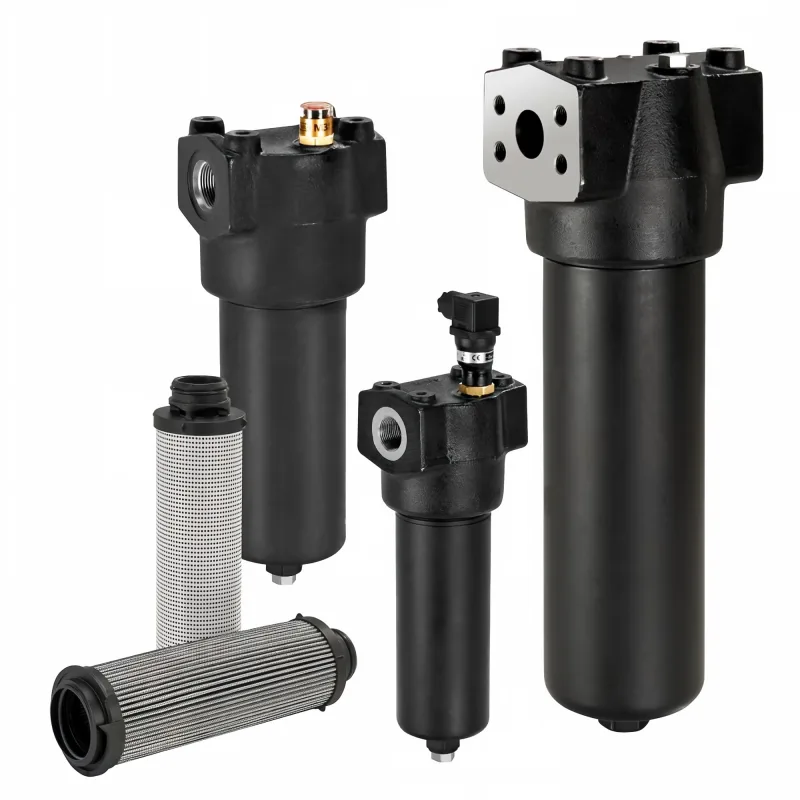
The hydraulic filter is usually installed near the hydraulic tank, pump outlet, or return oil line. Before removing the filter, I recommend checking the machine manual to confirm the exact filter location and specifications.
Different shearing machines may use different filter types, such as:
- Return line filters
- Pressure line filters
- Suction filters
Using the correct filter model is essential for maintaining proper filtration performance.
Step 3: Drain Remaining Hydraulic Oil and Remove the Old Filter
Place an oil container under the filter housing before removal. Carefully loosen the filter cover or housing to avoid oil spilling onto the machine.
After removing the old filter element, inspect it carefully. Excessive contamination, metal particles, or unusual debris may indicate problems elsewhere in the hydraulic system.
Cleaning the filter housing before installation is also important to prevent old contaminants from entering the new filter.
Step 4: Install the New Hydraulic Filter Element
Install the new filter element according to the manufacturer’s instructions. Ensure that the sealing ring is properly positioned and that all connections are tightened correctly.
A poorly installed filter may allow unfiltered oil to bypass the filtration system, reducing the protection of hydraulic components.
After installation, check that:
- The filter element matches the original specification
- The sealing surface is clean
- The housing is properly tightened
Step 5: Check Hydraulic Oil Level and Test the Machine
After replacing the Hydraulic Filter in Shearing Machine, check the hydraulic oil level and refill oil if necessary.
Start the machine and allow the hydraulic system to operate for several minutes. During this process, I check for:
- Oil leakage around the filter housing
- Abnormal hydraulic noise
- Pressure fluctuations
- Slow blade movement
A successful replacement should restore smooth hydraulic operation and stable cutting performance.
Best Practices for Hydraulic Filter Maintenance
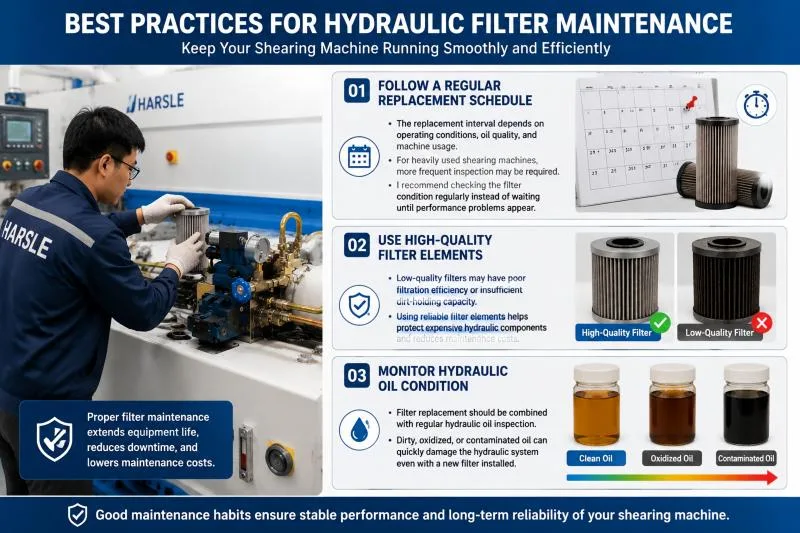
Follow a Regular Replacement Schedule
The replacement interval depends on operating conditions, oil quality, and machine usage. For heavily used shearing machines, more frequent inspection may be required.
I recommend checking the filter condition regularly instead of waiting until performance problems appear.
Use High-Quality Filter Elements
Low-quality filters may have poor filtration efficiency or insufficient dirt-holding capacity. Using reliable filter elements helps protect expensive hydraulic components and reduces maintenance costs.
Monitor Hydraulic Oil Condition
Filter replacement should be combined with regular hydraulic oil inspection. Dirty, oxidized, or contaminated oil can quickly damage the hydraulic system even with a new filter installed.
FAQs
How often should I replace the Hydraulic Filter in Shearing Machine?
Replacement intervals depend on machine usage and working conditions. Many manufacturers recommend inspection every 500–1000 operating hours, but dusty environments may require more frequent replacement.
What happens if I do not replace the hydraulic filter regularly?
A clogged filter can restrict oil flow, increase pressure loss, reduce cutting accuracy, and accelerate wear on pumps and valves.
Can I clean and reuse a hydraulic filter element?
Most industrial hydraulic filters are designed for replacement rather than cleaning. Reusing damaged or heavily contaminated filters may reduce system protection.
How do I know if my hydraulic filter needs replacement?
Signs include increased hydraulic noise, slower machine movement, unstable pressure, overheating, or visible contamination in the oil.
Conclusion
Replacing the Hydraulic Filter in Shearing Machine is a simple but essential maintenance task that directly affects machine reliability and cutting performance. By following proper replacement procedures, using quality filter elements, and maintaining clean hydraulic oil, operators can reduce failures, extend equipment lifespan, and improve production efficiency.
For more maintenance guidance or technical support for your shearing machine, feel free to contact our team. We are always ready to help you keep your equipment operating at its best.


