


Shearing Machine Blade Storage is essential for maintaining blade performance, cutting accuracy, and production efficiency in a metal fabrication environment. I know that blade condition directly affects operating costs and final cutting quality, especially when blades are stored for extended periods. Proper storage helps protect blades from rust, deformation, damage, and premature wear, while improper storage can reduce cutting performance after installation. In this article, I’ll explain why correct blade storage is important and share practical methods to preserve blade quality, extend service life, and ensure reliable shearing performance.
Understanding the Importance of Shearing Machine Blade Storage
Protecting Blade Sharpness and Cutting Accuracy
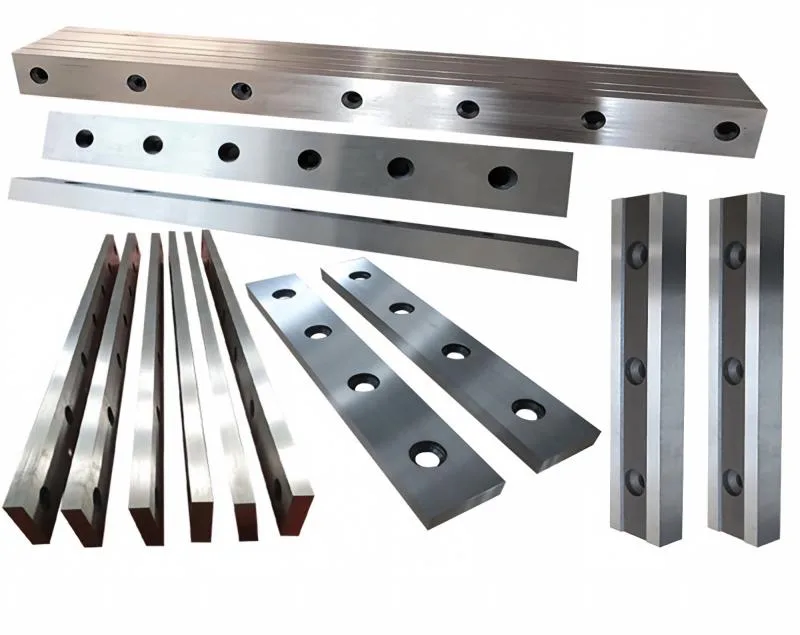
Shearing machine blades are precision components designed to maintain specific cutting clearances and sharp edges. During storage, exposure to moisture, dust, or impact can damage the cutting edge. Proper Shearing Machine Blade Storage helps preserve blade sharpness and ensures accurate cutting when the blades are installed again.
A damaged blade may cause burrs, uneven cuts, material deformation, or increased cutting force. By storing blades correctly, operators can reduce unnecessary adjustments and maintain consistent production quality.
Preventing Rust and Corrosion Damage
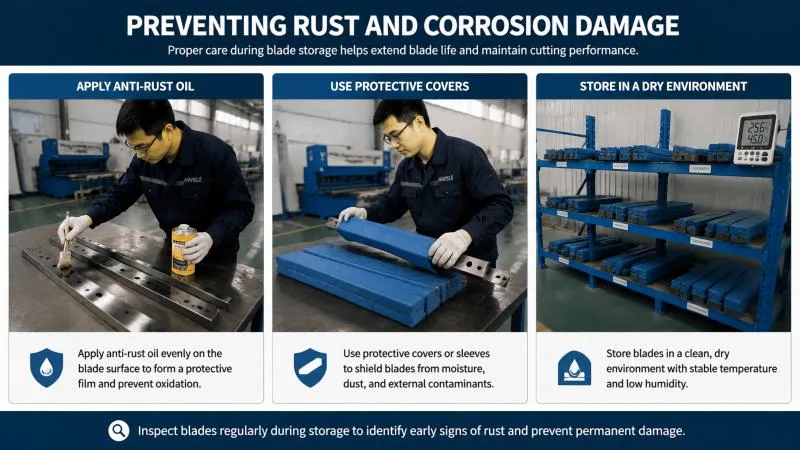
One of the biggest risks during blade storage is corrosion. Carbon steel and alloy steel blades are vulnerable to oxidation when exposed to humidity or improper storage conditions.
Applying anti-rust oil, using protective covers, and storing blades in a dry environment can effectively prevent corrosion. Regular inspection during storage also helps identify early signs of rust before permanent damage occurs.
Avoiding Blade Deformation and Physical Damage
Large shearing machine blades are heavy and precisely manufactured. Incorrect stacking or placing blades directly on hard surfaces may cause bending, scratches, or edge damage.
Proper storage methods ensure that blades remain flat, supported, and protected from external impact. This is especially important for long blades used in guillotine shearing machines.
Best Practices for Shearing Machine Blade Storage

Clean Blades Before Storage
Before storing shearing machine blades, I always recommend removing metal chips, dust, oil residue, and moisture from the surface.
Remaining contaminants can accelerate corrosion and affect blade performance. Use appropriate cleaning materials and ensure the blade is completely dry before applying protective treatment.
Apply Anti-Rust Protection
After cleaning, apply a suitable anti-corrosion oil or protective coating to the blade surface. This creates a barrier against moisture and environmental contamination.
For long-term storage, additional protection such as rust-proof paper or sealed packaging can provide better protection, especially in humid working environments.
Store Blades in a Dry and Controlled Environment
Temperature and humidity have a significant impact on blade condition. A dry storage area with stable environmental conditions is ideal.
Avoid storing blades near water sources, chemical materials, or areas with excessive temperature changes. A dedicated blade storage cabinet or rack can help maintain proper conditions.
Use Proper Blade Racks and Supports
Blades should be stored on dedicated racks rather than directly on the floor. Proper supports prevent bending and reduce the risk of accidental damage.
For long shearing machine blades, evenly distributed support points are important to prevent deformation during extended storage periods.
Label and Organize Stored Blades
A clear identification system improves storage efficiency. I recommend labeling blades with information such as machine model, blade specifications, installation date, and maintenance history.
This helps operators quickly select the correct blade and avoid unnecessary handling that may cause damage.
Common Mistakes in Shearing Machine Blade Storage
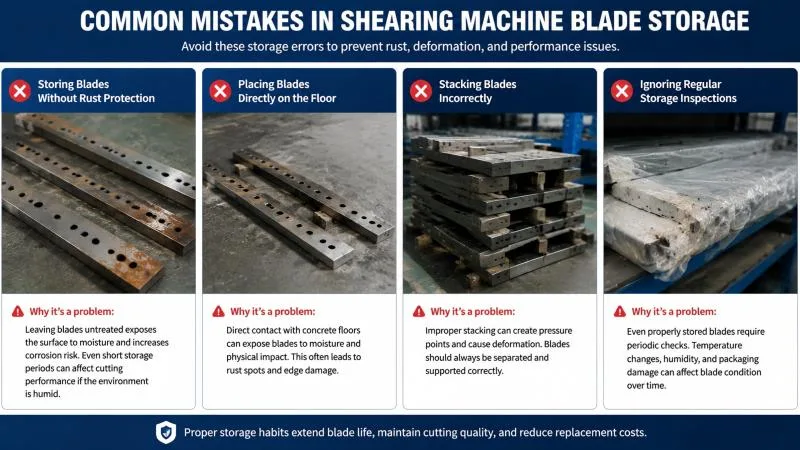
Storing Blades Without Rust Protection
Leaving blades untreated exposes the surface to moisture and increases corrosion risk. Even short storage periods can affect cutting performance if the environment is humid.
Placing Blades Directly on the Floor
Direct contact with concrete floors can expose blades to moisture and physical impact. This often leads to rust spots and edge damage.
Stacking Blades Incorrectly
Improper stacking can create pressure points and cause deformation. Blades should always be separated and supported correctly.
Ignoring Regular Storage Inspections
Even properly stored blades require periodic checks. Temperature changes, humidity, and packaging damage can affect blade condition over time.
FAQ
How long can shearing machine blades be stored safely?
With proper cleaning, anti-rust protection, and controlled storage conditions, blades can be stored for extended periods without affecting performance.
Should I apply oil before Shearing Machine Blade Storage?
Yes. Applying anti-rust oil or protective coating is highly recommended because it prevents moisture exposure and reduces corrosion risk.
Can rusty shearing machine blades still be used?
Light surface rust may sometimes be removed, but severe corrosion can damage the cutting edge and reduce cutting accuracy.
Conclusion
Proper Shearing Machine Blade Storage is essential for protecting blade performance, preventing corrosion, and extending service life. By cleaning blades, applying protective coatings, using proper storage racks, and performing regular inspections, operators can avoid unnecessary replacement costs and maintain reliable cutting quality.
If you need more guidance on shearing machine maintenance, blade selection, or storage solutions, feel free to contact our team for professional support.


