


Shearing Machine Sensor Problems can significantly affect cutting accuracy, machine safety, and production efficiency by causing inaccurate blade movement, unexpected machine stops, and incorrect positioning. When operating a modern shearing machine, sensors play a critical role in ensuring stable cutting performance and reliable machine control. If you are experiencing sensor alarms or unstable machine operation, you’re in the right place. In this article, I’ll explain the common causes of sensor failures and provide practical troubleshooting steps to help you restore reliable machine performance, improve cutting accuracy, and reduce unnecessary downtime.
Understanding Shearing Machine Sensor Problems
Why Sensors Are Important in Shearing Machines
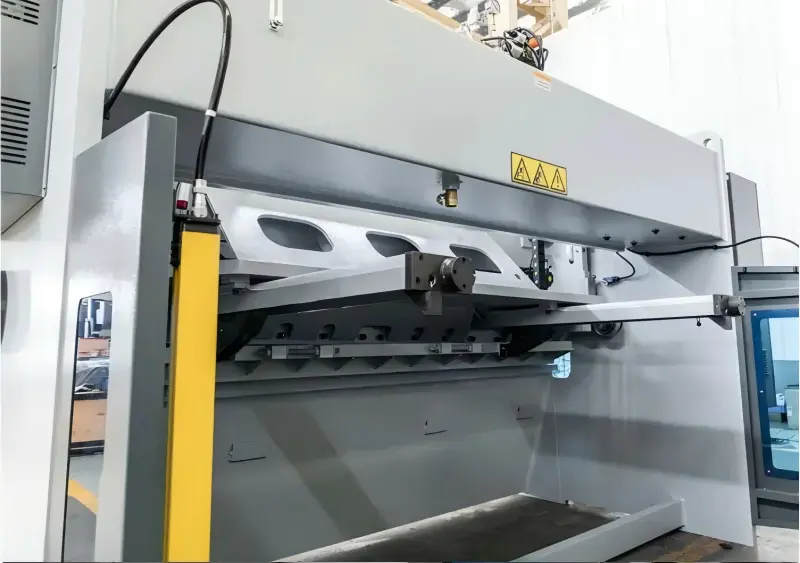
Sensors are essential components in modern shearing machines because they provide real-time feedback to the control system. They monitor important functions such as blade position, material positioning, safety protection, and machine movement.
A faulty sensor can interrupt communication between mechanical components and the CNC or PLC system. Even a small sensor issue may affect cutting accuracy, machine safety, and overall productivity.
Common Symptoms of Sensor Failures
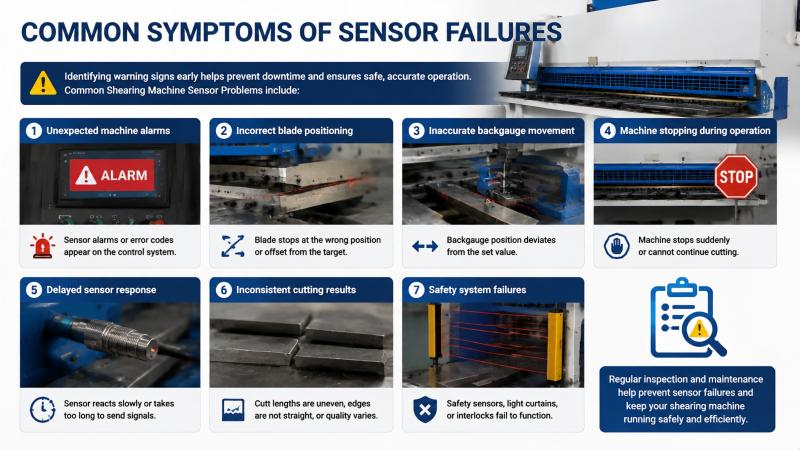
Before troubleshooting, I recommend identifying the warning signs. Common Shearing Machine Sensor Problems include:
- Unexpected machine alarms
- Incorrect blade positioning
- Inaccurate backgauge movement
- Machine stopping during operation
- Delayed sensor response
- Inconsistent cutting results
- Safety system failures
Recognizing these symptoms early helps prevent further damage and allows faster troubleshooting.
Main Causes of Shearing Machine Sensor Problems
Dirty or Contaminated Sensors
How Dust and Oil Affect Sensor Performance
During shearing operations, metal dust, oil, and debris can accumulate around sensors. Contamination may block detection signals or reduce sensor sensitivity.
I recommend regularly cleaning sensor surfaces and surrounding areas to maintain accurate detection performance. A clean working environment helps prevent false signals and unexpected machine stops.
Loose Wiring or Poor Electrical Connections
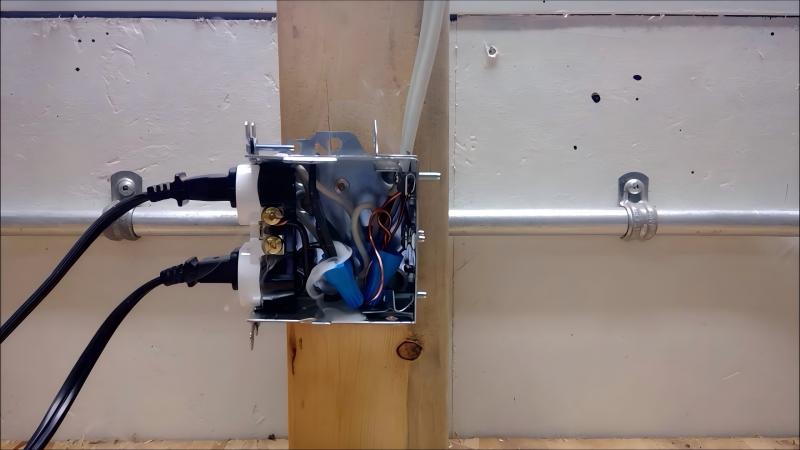
Checking Sensor Cables and Terminals
Loose connections are one of the most common causes of sensor failure. Continuous vibration during machine operation can loosen wiring terminals or damage cable connections.
Inspect sensor cables carefully for:
- Loose connectors
- Broken insulation
- Corrosion marks
- Damaged wires
Secure electrical connections ensure stable signal transmission between sensors and the control system.
Incorrect Sensor Alignment
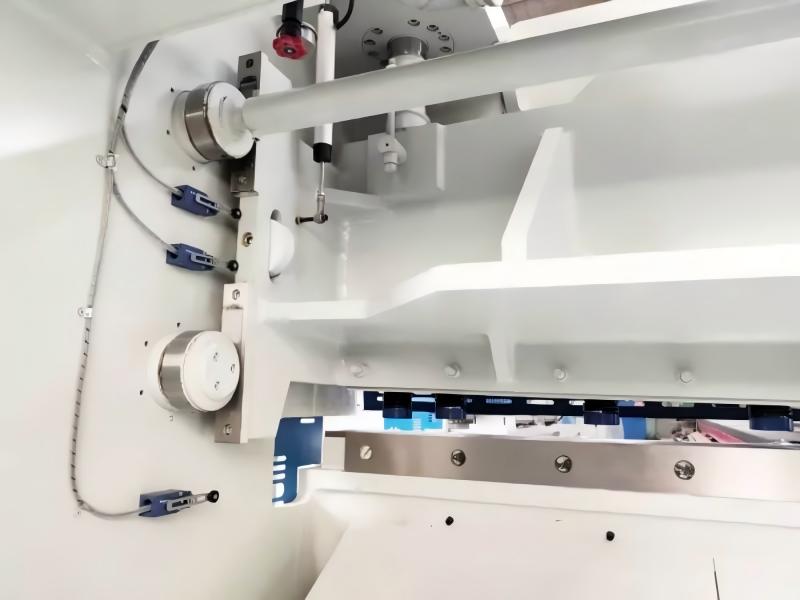
Adjusting Sensor Position for Accurate Detection
Sensors must be correctly aligned with the detection target. Misalignment can cause delayed responses or incorrect readings.
For example, a poorly positioned limit sensor may fail to detect the blade position accurately, resulting in machine errors.
During inspection, verify sensor mounting positions and adjust them according to the machine manufacturer’s specifications.
Sensor Aging or Component Failure
Replacing Damaged Sensors
Like other electrical components, sensors have a limited service life. Long-term operation, temperature changes, and electrical stress can reduce sensor performance.
If cleaning, alignment adjustment, and wiring checks do not solve the problem, sensor replacement may be necessary.
How to Troubleshoot Shearing Machine Sensor Problems Step by Step
Step 1: Check the Sensor Status and Machine Alarm Information
The first step is reviewing the machine alarm messages. Modern shearing machines usually display error codes related to sensor faults.
Record the alarm information and identify which sensor is causing the issue. This helps avoid unnecessary replacement of functional components.
Step 2: Inspect Sensor Appearance and Clean the Detection Area
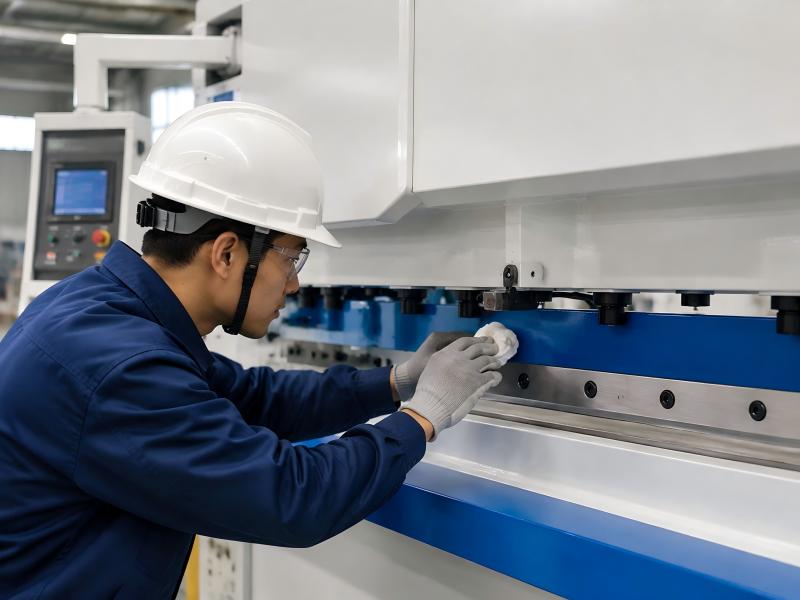
Visually check the sensor condition before performing electrical tests.
Remove:
- Metal chips
- Dust accumulation
- Oil contamination
- Foreign materials
After cleaning, test the machine again to determine whether the issue has been resolved.
Step 3: Verify Electrical Connections
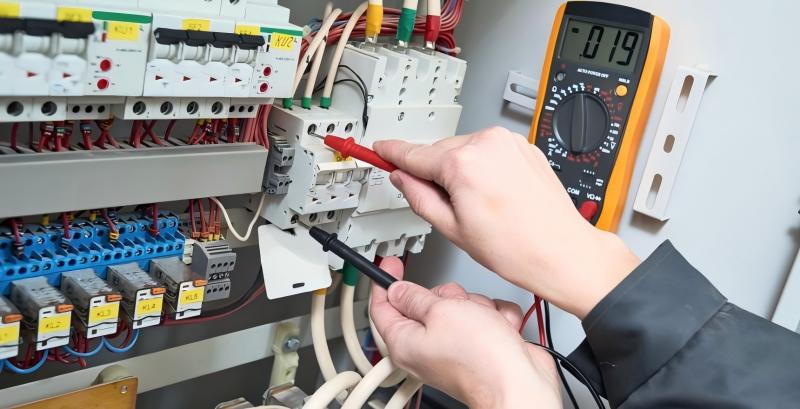
Check all related wiring connections, terminals, and control cabinet interfaces.
I recommend using proper electrical testing tools to confirm whether the sensor receives power and sends signals correctly.
Step 4: Check Sensor Alignment and Adjustment
Confirm that the sensor position matches the designed detection area.
Adjust the sensor mounting position if necessary and verify that the control system receives accurate feedback.
Step 5: Replace Faulty Sensors and Test Machine Operation
If the sensor still fails after inspection and adjustment, replacement may be required.
After installation, perform a complete machine test to confirm:
- Correct blade positioning
- Stable machine movement
- Accurate sensor feedback
- Proper safety function
Best Practices to Prevent Future Sensor Problems

Perform Regular Sensor Inspections
Routine inspections help identify early signs of sensor damage. I recommend checking sensor condition, wiring, and mounting stability based on production frequency.
Maintain a Clean Machine Environment
Keeping the shearing machine clean reduces contamination-related sensor failures. Regularly remove metal scraps, dust, and oil from critical areas.
Record Sensor Maintenance History
Maintaining records of sensor inspections, replacements, and adjustments helps identify repeated failures and improve maintenance planning.
Use High-Quality Replacement Components
Using reliable sensors that meet machine specifications ensures better stability and longer service life.
FAQs
What are the most common causes of Shearing Machine Sensor Problems?
The most common causes include dirty sensors, loose wiring, incorrect alignment, electrical issues, and aging components.
How often should I inspect shearing machine sensors?
Inspection frequency depends on machine usage and working conditions. High-production environments require more frequent checks.
Can sensor problems affect cutting accuracy?
Yes. Sensor failures can cause incorrect positioning, unstable blade movement, and inaccurate cutting results.
Should I replace a sensor immediately when an alarm appears?
Not always. First check for contamination, wiring problems, and alignment issues before replacing the sensor.
Conclusion
Proper troubleshooting and maintenance are essential for preventing Shearing Machine Sensor Problems and maintaining stable production performance. By checking sensor cleanliness, inspecting wiring connections, verifying alignment, and replacing damaged components when necessary, operators can reduce downtime and improve machine reliability.
A proactive sensor maintenance strategy helps ensure accurate cutting, safer operation, and longer equipment lifespan. For more technical guidance or professional support on shearing machine maintenance, feel free to contact our team for assistance.


