


When operating a shearing machine, one of the most common quality problems I encounter is Shearing Machine Cut Edge Burrs appearing on finished parts. These unwanted sharp edges not only affect product appearance but can also create safety risks, increase secondary processing requirements, and reduce production efficiency. If you want to understand why burrs occur during sheet metal cutting and how to improve edge quality, you’re in the right place. In this article, I’ll explain the main causes of cutting burrs and share practical solutions to help achieve cleaner, smoother, and more accurate shearing results.
Understanding Shearing Machine Cut Edge Burrs
What Are Cut Edge Burrs on a Shearing Machine?
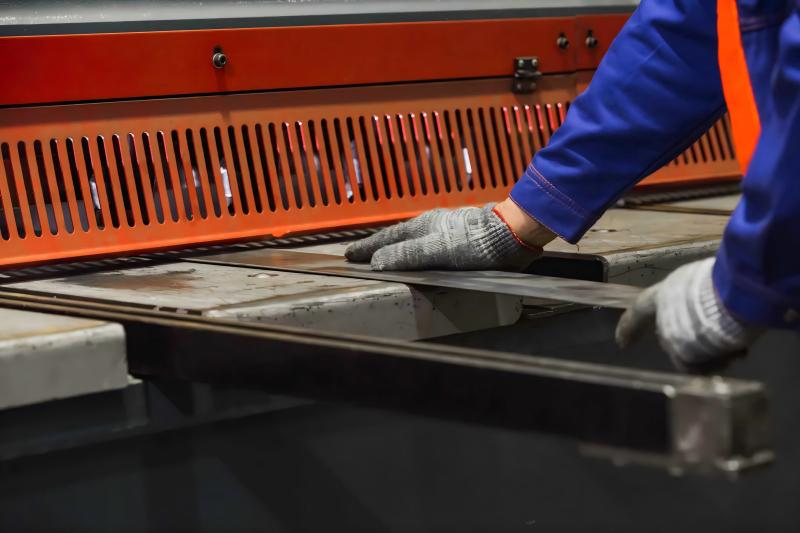
Cut edge burrs are unwanted raised or rough metal edges that remain after the shearing process. They are usually formed when the material is not separated cleanly between the upper and lower blades.
During normal shearing, the sheet metal experiences three stages: material deformation, cracking, and final separation. When the cutting conditions are not optimized, excessive deformation occurs before separation, leaving behind visible burrs.
Why Burr-Free Cutting Matters in Sheet Metal Production
A clean cutting edge improves product quality, reduces manual grinding work, and increases production efficiency. Excessive burrs may affect welding, bending, assembly, and coating processes.
For manufacturers handling large volumes of sheet metal, controlling Shearing Machine Cut Edge Burrs is essential for maintaining consistent product quality.
Main Causes of Shearing Machine Cut Edge Burrs
Incorrect Blade Clearance Adjustment
One of the most common reasons for burr formation is incorrect blade clearance. The gap between the upper and lower blades must match the material thickness and type.
If the clearance is too large, the material experiences excessive tearing instead of clean cutting, resulting in larger burrs. If the clearance is too small, excessive friction and blade wear may occur.
I recommend adjusting blade clearance according to the material thickness, tensile strength, and manufacturer specifications.
Worn or Damaged Cutting Blades
Sharp blades are critical for achieving high-quality cutting edges. Over time, repeated cutting operations cause blade edges to become dull or damaged.
A worn blade requires more cutting force and creates more material deformation before separation. This directly increases burr formation and reduces cutting accuracy.
Regular blade inspection and timely replacement help maintain stable cutting performance.
Incorrect Blade Alignment
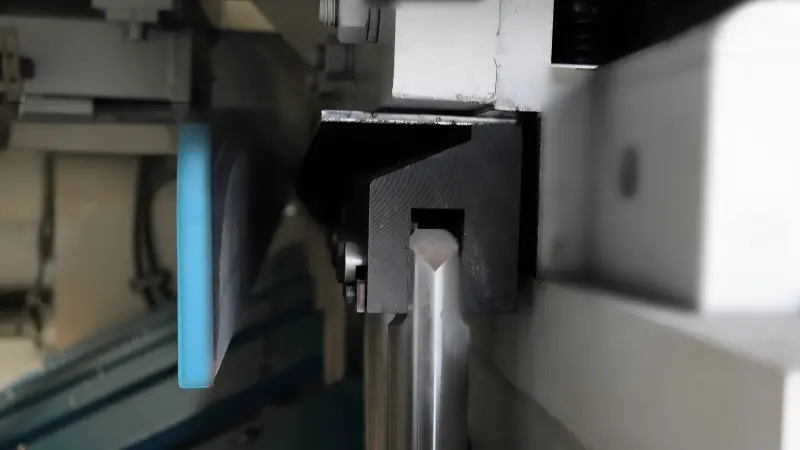
Proper alignment between the upper and lower blades ensures uniform cutting pressure across the entire sheet width.
Misaligned blades create uneven cutting conditions. Some areas may cut cleanly, while others may develop excessive burrs due to uneven force distribution.
During maintenance, I recommend checking blade positioning, mounting bolts, and alignment accuracy.
Improper Cutting Parameters
The cutting process depends on more than just blade condition. Incorrect machine settings can also contribute to poor edge quality.
Factors such as cutting speed, material positioning, and pressing force affect how the material separates. Unstable operation may increase deformation and create irregular burrs.
Optimizing machine settings according to different materials helps achieve better results.
Material Properties and Thickness Variation
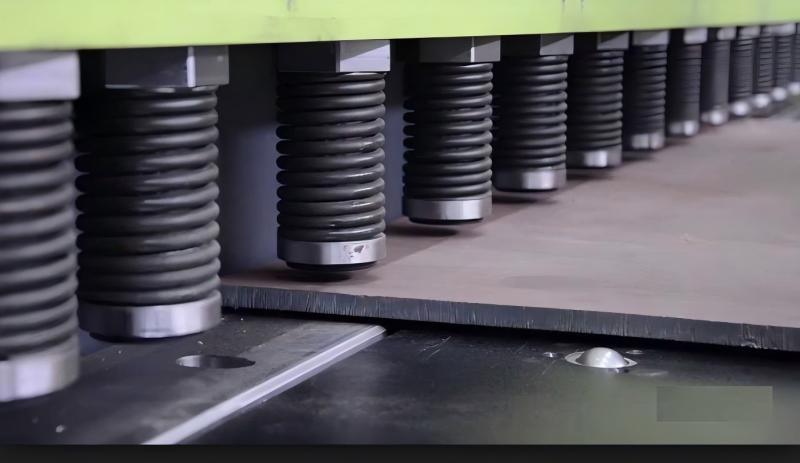
Different materials respond differently during shearing. High-strength steel, stainless steel, and thicker plates generally require more precise blade settings.
Material hardness, thickness tolerance, and internal stress can influence burr formation. Understanding material characteristics is important when selecting cutting parameters.
How to Reduce Shearing Machine Cut Edge Burrs Effectively
Step 1: Inspect and Adjust Blade Clearance
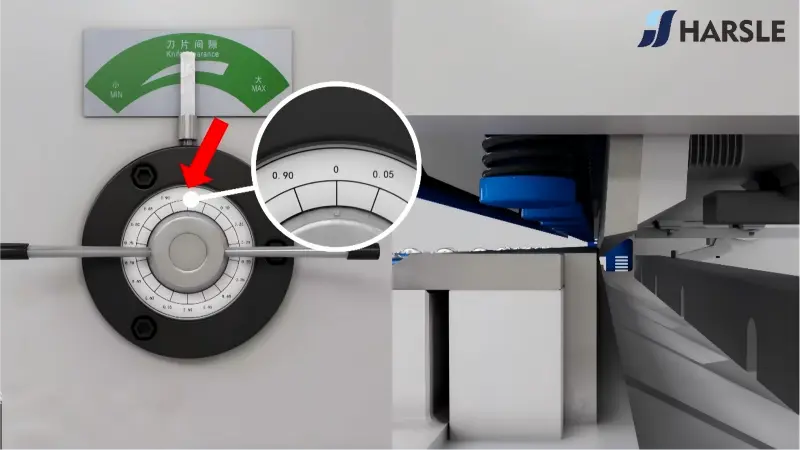
The first step is checking the current blade clearance. Measure the gap and compare it with recommended values for the material being processed.
Adjusting the clearance correctly allows the blades to create a cleaner fracture line and reduces excessive tearing.
Step 2: Maintain Sharp Cutting Blades
I recommend establishing a regular blade maintenance schedule. Inspect cutting edges for wear, chips, and damage.
Grinding or replacing blades before severe wear occurs prevents poor cutting quality and reduces unnecessary machine load.
Step 3: Check Blade Alignment Regularly
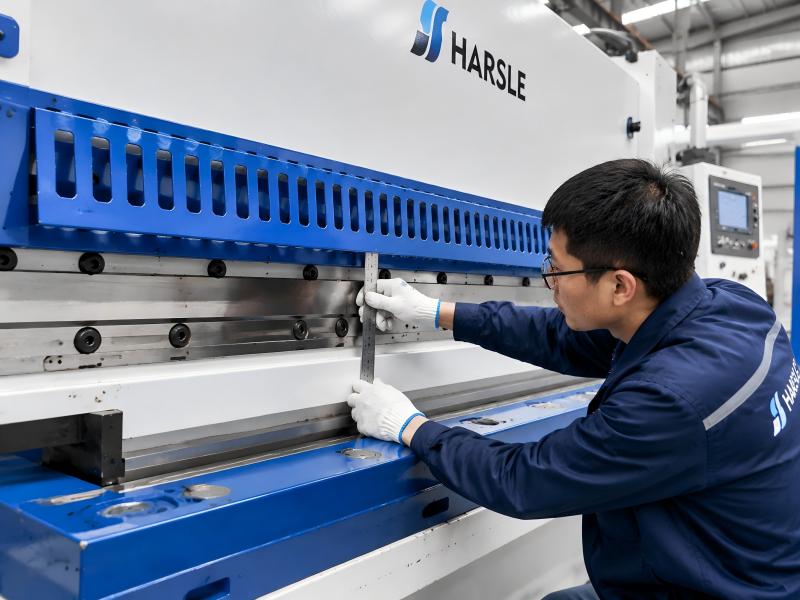
Perform routine alignment inspections to ensure the upper and lower blades remain parallel.
Proper alignment improves cutting consistency and helps prevent uneven edge conditions across long sheets.
Step 4: Optimize Machine Operating Conditions
Before production, verify material positioning, machine settings, and cutting parameters.
Stable operation reduces vibration and material movement, which helps minimize Shearing Machine Cut Edge Burrs.
Step 5: Monitor Cutting Quality Continuously
Regularly inspect finished parts for edge conditions. Early detection of increasing burr size can help identify blade wear or machine adjustment problems before they affect large production batches.
Best Practices for Preventing Cutting Burr Problems
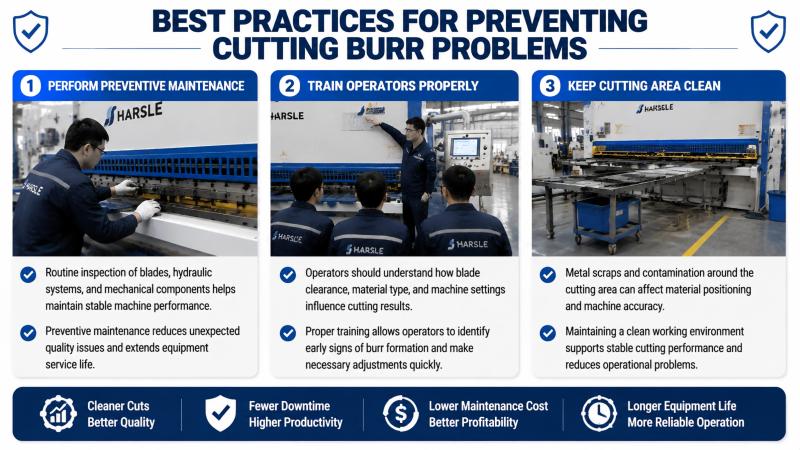
Perform Preventive Maintenance
Routine inspection of blades, hydraulic systems, and mechanical components helps maintain stable machine performance.
Preventive maintenance reduces unexpected quality issues and extends equipment service life.
Train Operators Properly
Operators should understand how blade clearance, material type, and machine settings influence cutting results.
Proper training allows operators to identify early signs of burr formation and make necessary adjustments quickly.
Keep Cutting Area Clean
Metal scraps and contamination around the cutting area can affect material positioning and machine accuracy.
Maintaining a clean working environment supports stable cutting performance and reduces operational problems.
FAQs
Why does my shearing machine produce large burrs?
Large burrs are usually caused by incorrect blade clearance, worn blades, poor alignment, or unsuitable cutting parameters.
How can I reduce Shearing Machine Cut Edge Burrs?
You can reduce burrs by adjusting blade clearance, maintaining sharp blades, checking alignment, and optimizing machine settings.
How often should shearing machine blades be replaced?
Blade replacement frequency depends on material type, thickness, cutting volume, and operating conditions. Regular inspection is the best way to determine replacement timing.
Do thicker materials create more burrs during shearing?
Yes. Thicker and harder materials require more cutting force and precise blade adjustment to achieve clean edges.
Conclusion
Shearing Machine Cut Edge Burrs are usually caused by blade clearance problems, blade wear, alignment issues, incorrect settings, or material characteristics. By maintaining sharp blades, optimizing machine adjustments, and performing regular inspections, manufacturers can significantly improve cutting quality and reduce secondary processing.
A well-maintained shearing machine delivers cleaner edges, higher productivity, and more reliable long-term performance. For more technical guidance on shearing machine operation, maintenance, or troubleshooting, feel free to contact our team for professional support.


