


Shearing Machine Overheating Shutdown is a common issue in industrial cutting operations, where excessive heat in hydraulic systems, electrical components, cooling systems, or mechanical parts can seriously affect production efficiency and machine reliability. If you want to prevent overheating problems and keep your shearing machine running continuously, you’re in the right place. In this article, I’ll explain the main causes of overheating shutdowns and provide practical maintenance methods to help you reduce downtime, improve machine stability, and extend equipment service life.
Understanding Shearing Machine Overheating Shutdown Problems
What Causes Shearing Machine Overheating Shutdown?
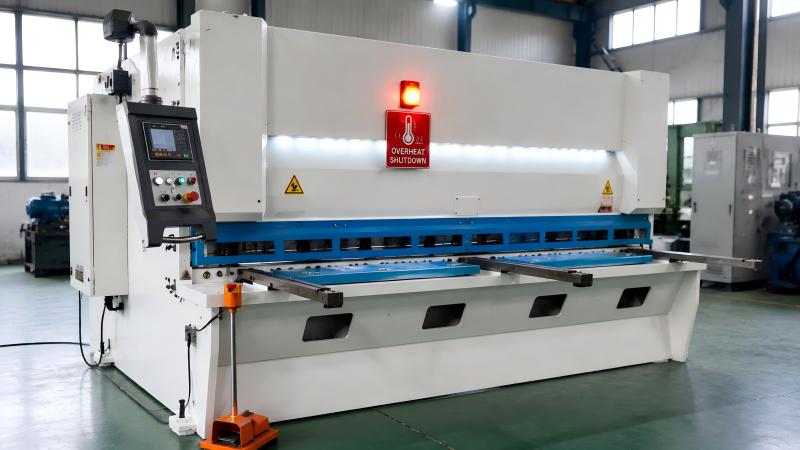
A shearing machine generates significant heat during continuous cutting operations. Under normal conditions, cooling systems and lubrication systems help maintain a stable operating temperature. However, when heat generation exceeds the machine’s cooling capacity, the control system may trigger a shutdown to protect critical components.
Shearing Machine Overheating Shutdown usually occurs because of problems such as insufficient hydraulic oil cooling, excessive friction, overloaded operation, poor ventilation, or electrical component overheating.
Why Overheating Protection Is Important
Although an automatic shutdown may interrupt production, it is designed to prevent more serious damage. Excessive temperature can reduce hydraulic oil performance, damage seals, shorten motor lifespan, and affect cutting accuracy.
Preventing overheating issues allows operators to maintain stable production while avoiding expensive repairs and unexpected downtime.
Common Causes of Shearing Machine Overheating Shutdown
Hydraulic System Overheating During Heavy Cutting Operations
The hydraulic system is one of the main heat sources in a hydraulic shearing machine. Continuous high-pressure operation generates heat inside pumps, valves, and hydraulic oil.
If the oil temperature becomes too high, the hydraulic system may lose efficiency, causing unstable pressure and triggering protection shutdowns.
Regularly checking hydraulic oil level, oil quality, and cooling performance is essential for preventing hydraulic overheating.
Insufficient Hydraulic Oil or Poor Oil Condition
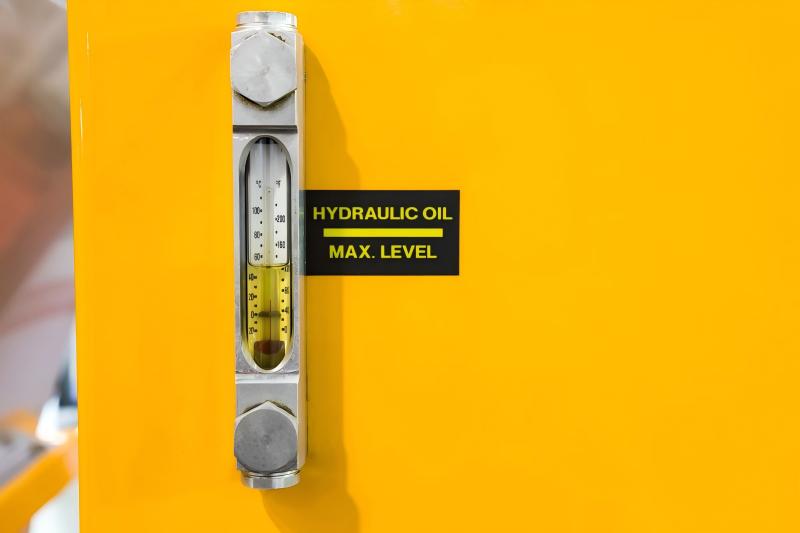
Hydraulic oil plays an important role in lubrication, heat transfer, and power transmission. Low oil levels reduce cooling ability and increase internal friction.
Dirty or degraded hydraulic oil can also increase operating temperature because contaminants reduce lubrication performance. I recommend checking oil condition regularly and replacing hydraulic oil according to the manufacturer’s maintenance requirements.
Cooling System Failure
Most industrial shearing machines use cooling devices such as oil coolers or fans to remove excess heat. When these components become blocked, damaged, or inefficient, heat can accumulate quickly.
Dust, metal particles, and dirt can reduce cooler efficiency. Regular cleaning of cooling components helps maintain proper heat dissipation.
Excessive Mechanical Load
Operating a shearing machine beyond its rated capacity creates additional stress on motors, hydraulic systems, and mechanical structures.
Cutting materials that exceed recommended thickness or using incorrect blade clearance settings can increase resistance and generate unnecessary heat.
Always confirm material specifications and adjust machine parameters correctly before operation.
Electrical Component Overheating
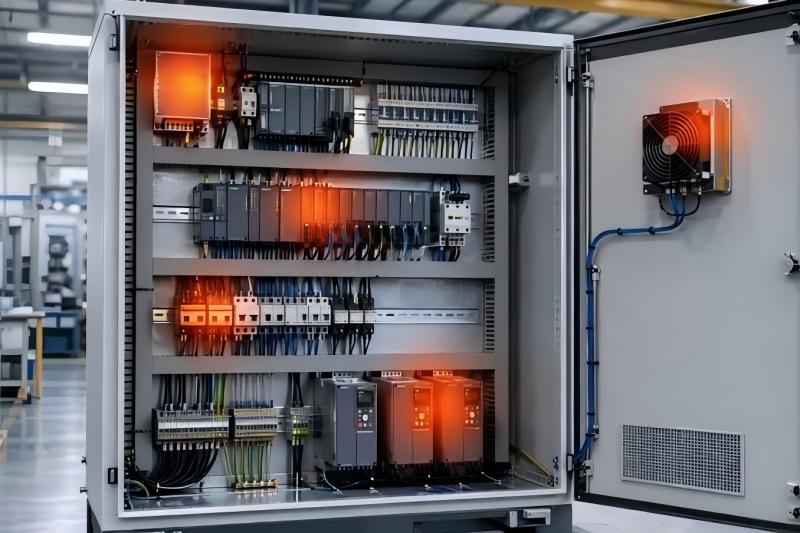
Motors, control cabinets, and electrical components can also cause overheating shutdown problems. Loose wiring, poor ventilation, or unstable power supply may increase electrical resistance and generate excessive heat.
Routine inspection of electrical connections and cabinet ventilation helps prevent temperature-related failures.
How to Prevent Shearing Machine Overheating Shutdown Problems
Step 1: Monitor Hydraulic System Temperature Regularly
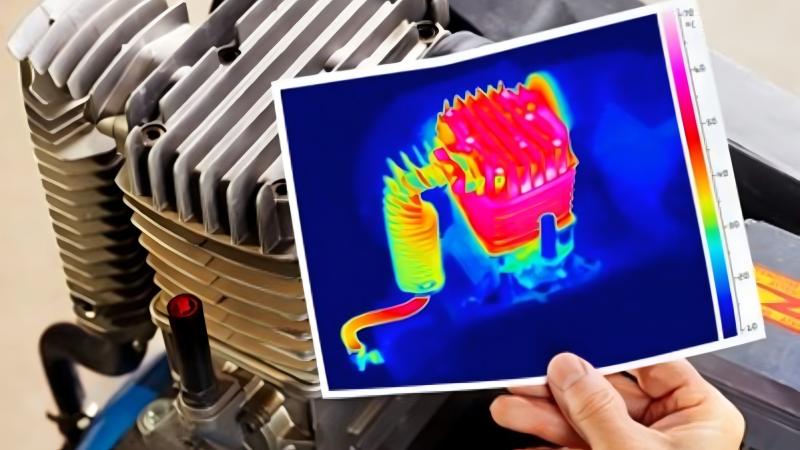
The first step in preventing overheating is monitoring hydraulic oil temperature during operation. Many modern shearing machines include temperature indicators or monitoring systems.
I recommend recording temperature changes during different production conditions. Sudden increases may indicate problems with cooling, oil quality, or hydraulic components.
Step 2: Maintain Proper Hydraulic Oil Conditions
Regular hydraulic oil inspection is essential for long-term machine stability. Check oil level, cleanliness, viscosity, and signs of contamination.
Replace damaged filters and use recommended hydraulic oil to ensure efficient lubrication and heat transfer.
Step 3: Clean Cooling Components and Ventilation Areas
Cooling systems must remain clean to work effectively. Remove dust, oil residue, and metal debris from oil coolers, fans, and ventilation openings.
A clean working environment improves airflow and helps prevent excessive temperature buildup.
Step 4: Optimize Cutting Parameters and Machine Load
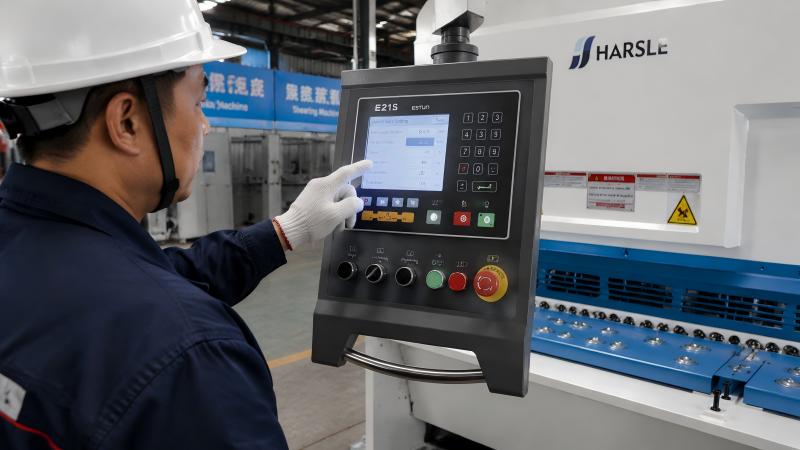
Avoid continuous operation beyond machine capacity. Select appropriate cutting parameters based on material thickness, material type, and blade condition.
Proper adjustment reduces unnecessary stress and helps maintain stable operating temperatures.
Step 5: Perform Regular Electrical Inspections
Check electrical cabinets, motors, wiring connections, and cooling fans regularly. Loose connections or damaged components can increase heat generation and cause unexpected shutdowns.
Preventive electrical maintenance helps ensure reliable machine operation.
Best Maintenance Practices for Long-Term Temperature Control
Establish a Preventive Maintenance Schedule
A structured maintenance plan helps identify potential overheating risks before they become serious problems. Regular inspections should include hydraulic systems, cooling components, electrical systems, and mechanical parts.
Keep Operation Records
Recording operating hours, temperature changes, maintenance activities, and component replacements helps identify long-term trends.
These records make it easier to predict potential failures and improve maintenance planning.
Train Operators to Identify Warning Signs
Operators should understand early indicators of overheating, such as abnormal noise, reduced cutting performance, high oil temperature alarms, or frequent shutdowns.
Early detection allows problems to be addressed before causing major production interruptions.
FAQs
Why does my shearing machine shut down after continuous operation?
Continuous operation may cause excessive heat buildup in hydraulic, electrical, or mechanical systems. Checking cooling performance, oil condition, and machine load can help identify the cause.
How can I prevent Shearing Machine Overheating Shutdown?
Regular maintenance, proper hydraulic oil management, cooling system cleaning, electrical inspection, and correct operating parameters can significantly reduce overheating risks.
Can hydraulic oil cause a shearing machine to overheat?
Yes. Low-quality, contaminated, or insufficient hydraulic oil can increase friction and reduce heat dissipation, leading to higher operating temperatures.
Conclusion
Preventing Shearing Machine Overheating Shutdown requires a combination of proper operation, regular inspection, and proactive maintenance. By monitoring hydraulic conditions, maintaining cooling systems, checking electrical components, and controlling machine load, operators can significantly reduce overheating risks.
A reliable maintenance strategy not only minimizes unexpected downtime but also improves cutting performance and extends machine lifespan. For more technical guidance or professional support on shearing machine maintenance, feel free to contact our team.


