


Shearing Machine Blade Alignment Problems are common issues that can affect cutting accuracy, increase material waste, and reduce machine service life. When operating a shearing machine, maintaining precise blade alignment is essential for achieving clean cuts and preventing excessive burrs, abnormal blade wear, and unnecessary mechanical stress. If you are experiencing poor cutting quality or inconsistent performance, you’re in the right place. In this article, I’ll explain the main causes of blade misalignment and provide practical steps to diagnose and fix alignment problems, helping you restore cutting accuracy and improve overall machine reliability.
Understanding Shearing Machine Blade Alignment Problems
Why Blade Alignment Is Critical for Shearing Performance
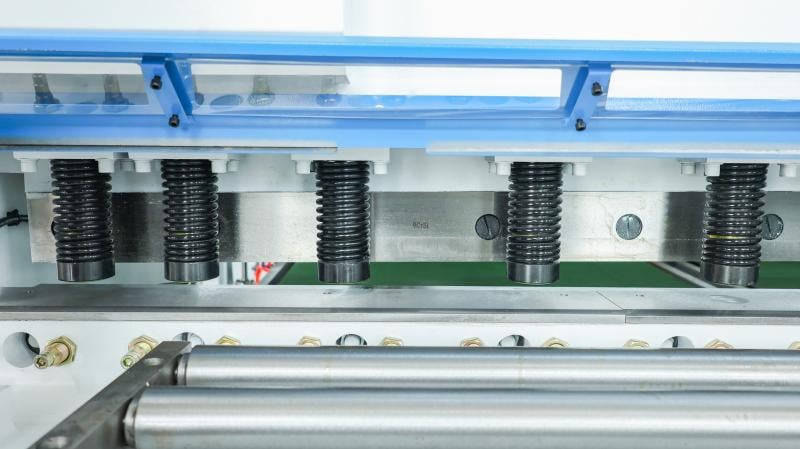
The upper and lower blades of a shearing machine must maintain the correct alignment and clearance throughout the cutting process. Proper alignment ensures that the cutting force is distributed evenly across the material.
When blades become misaligned, the machine may produce uneven cuts, excessive deformation, or increased cutting resistance. Over time, these problems can accelerate blade wear and damage other mechanical components.
Common Symptoms of Blade Misalignment
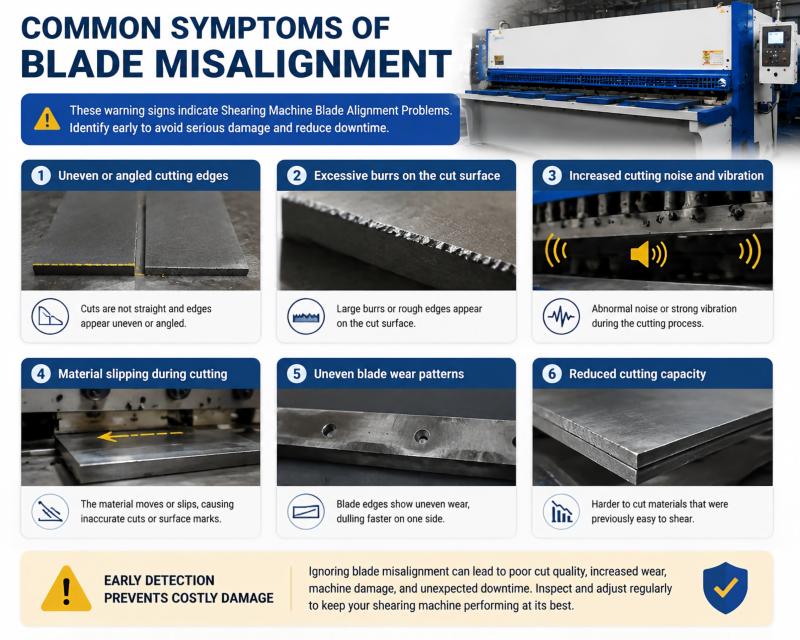
Before adjusting the blades, I recommend identifying the warning signs. Common symptoms of Shearing Machine Blade Alignment Problems include:
- Uneven or angled cutting edges
- Excessive burrs on the cut surface
- Increased cutting noise and vibration
- Material slipping during cutting
- Uneven blade wear patterns
- Reduced cutting capacity
Recognizing these symptoms early helps prevent more serious machine damage.
Main Causes of Shearing Machine Blade Alignment Problems
Incorrect Blade Clearance Adjustment
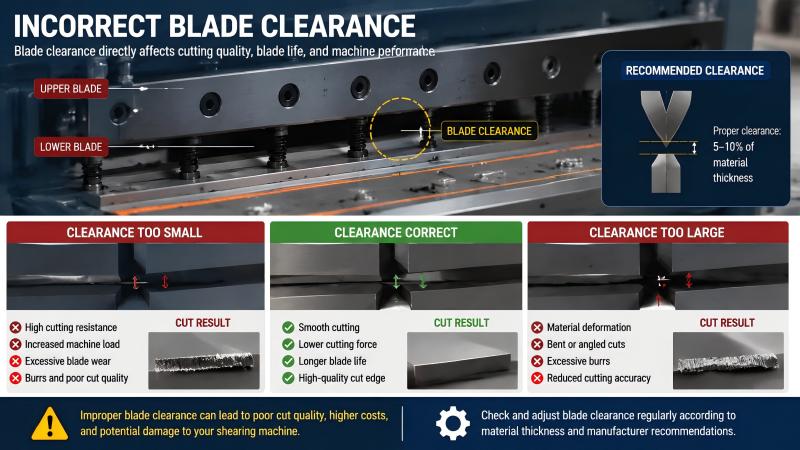
Blade clearance is one of the most important factors affecting cutting performance. If the gap between the upper and lower blades is too large or too small, it can create uneven cutting forces.
For different material thicknesses and types, the blade clearance should be adjusted according to manufacturer recommendations. Incorrect clearance settings can also increase burr formation and reduce blade lifespan.
Loose Blade Mounting Components
During long-term operation, vibration and repeated cutting forces may loosen blade mounting bolts or adjustment mechanisms.
I always recommend checking all blade fasteners regularly. Even small movement of the blade position can significantly affect cutting accuracy.
Worn or Damaged Blades
A blade that has become dull, chipped, or unevenly worn may appear to have alignment problems even when the installation position is correct.
Regular blade inspection is necessary. If wear exceeds acceptable limits, sharpening or replacement should be performed before attempting alignment adjustments.
Mechanical Deformation or Frame Issues
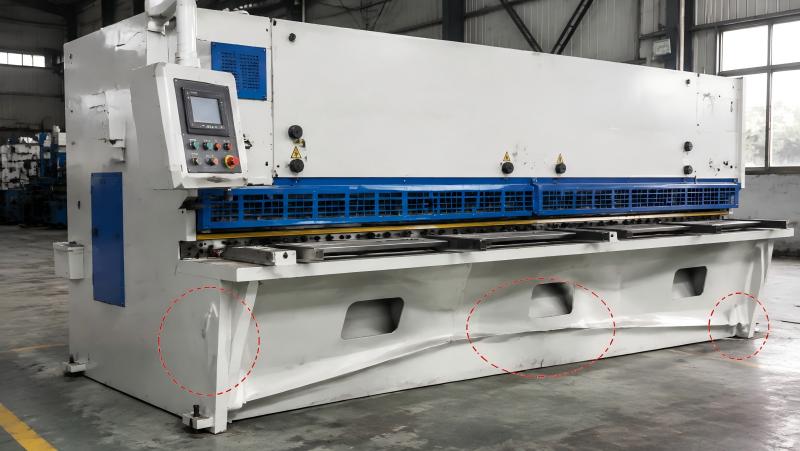
Heavy-duty cutting operations place significant stress on the machine frame and blade support structure. Over time, deformation may affect the relative position between the upper and lower blades.
In such cases, simply adjusting the blade clearance may not solve the problem, and a more comprehensive mechanical inspection is required.
How to Fix Shearing Machine Blade Alignment Problems Step by Step
Step 1: Inspect Blade Condition and Machine Components
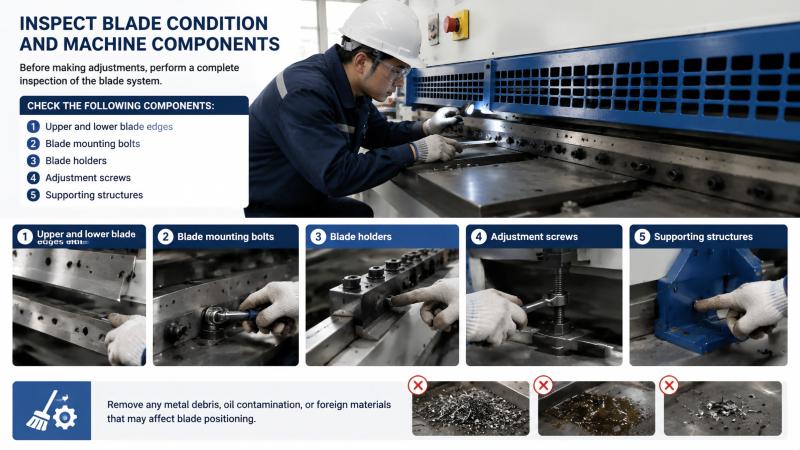
Before making adjustments, I recommend performing a complete inspection of the blade system.
Check the following components:
- Upper and lower blade edges
- Blade mounting bolts
- Blade holders
- Adjustment screws
- Supporting structures
Remove any metal debris, oil contamination, or foreign materials that may affect blade positioning.
Step 2: Measure Blade Alignment Accuracy
Use proper measuring tools to check the blade position and alignment. Confirm that the upper blade moves evenly across the entire cutting length.
If one section has a different clearance compared with another section, the blade system may require adjustment.
Step 3: Adjust Blade Clearance Correctly
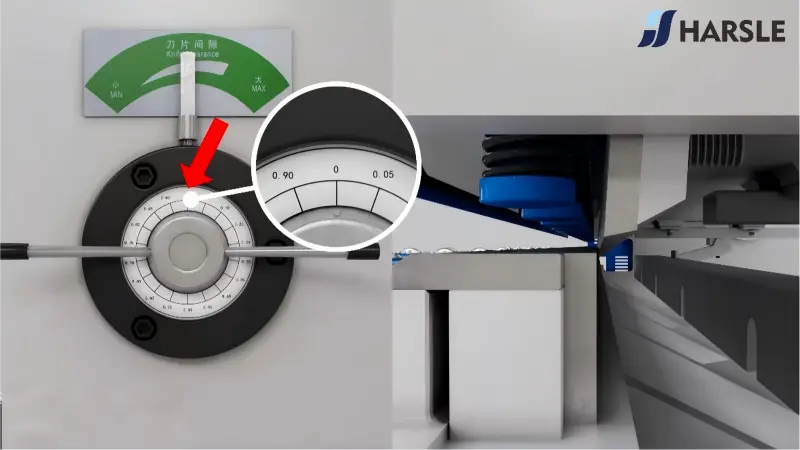
Adjust the blade gap according to the material thickness and machine specifications.
A smaller clearance may improve cut quality on thin materials, while thicker materials usually require a larger clearance. Incorrect adjustment can increase cutting force and accelerate wear.
Step 4: Tighten and Secure Blade Mounting Parts
After adjustment, ensure all bolts and fixing components are properly tightened.
I recommend checking the torque of mounting bolts according to the machine manufacturer’s requirements. Proper fastening prevents the blades from shifting during operation.
Step 5: Perform Test Cutting and Verify Results
After completing adjustments, perform test cuts using the same material type used in production.
Check the following results:
- Cutting edge quality
- Burr level
- Cutting angle
- Machine noise and vibration
If the cutting result is not satisfactory, repeat the inspection and adjustment process.
Best Practices to Prevent Future Blade Alignment Problems
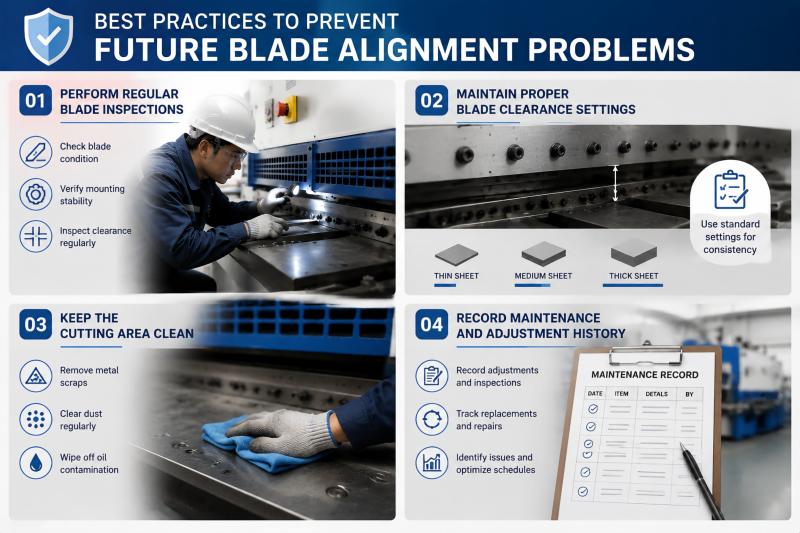
Perform Regular Blade Inspections
Routine inspection is the most effective way to prevent alignment issues. Check blade condition, mounting stability, and clearance regularly based on production intensity.
Maintain Proper Blade Clearance Settings
Different materials require different clearance values. Creating standard settings for commonly processed materials helps operators maintain consistent cutting quality.
Keep the Cutting Area Clean
Metal scraps, dust, and oil contamination can interfere with blade positioning. Keeping the cutting area clean improves adjustment accuracy and machine reliability.
Record Maintenance and Adjustment History
Maintaining detailed records of blade adjustments, replacements, and inspections helps identify recurring issues and optimize maintenance schedules.
FAQs
What are the most common signs of Shearing Machine Blade Alignment Problems?
Common signs include uneven cuts, excessive burrs, unusual cutting noise, vibration, and inconsistent material separation.
How often should I check shearing machine blade alignment?
Inspection frequency depends on production volume and material type. High-use machines should be checked more frequently to maintain stable performance.
Can incorrect blade clearance cause alignment problems?
Yes. Incorrect clearance changes the cutting force distribution and may create symptoms similar to blade misalignment.
Should I replace blades when alignment problems occur?
Not always. First inspect blade condition and adjustment settings. If blades are damaged or excessively worn, replacement may be necessary.
Conclusion
Correct blade alignment is essential for maintaining cutting accuracy, reducing wear, and improving shearing machine performance. By identifying Shearing Machine Blade Alignment Problems early, checking blade condition, adjusting clearance correctly, and maintaining proper inspection procedures, operators can prevent costly downtime and extend machine lifespan.
A reliable maintenance strategy ensures your shearing machine continues to deliver clean, accurate cuts in demanding production environments. For more technical guidance or professional support, feel free to contact our team for assistance.


