


Industry Solutions · Handrails & Railings
Tube Bending Machines for Handrail, Railing and Balustrade Fabrication
Smooth bends in stainless and steel tube for stair rails, balustrades, guardrails and architectural metalwork.
Handrails & Railings Basics
How Handrails & Railings Are Made
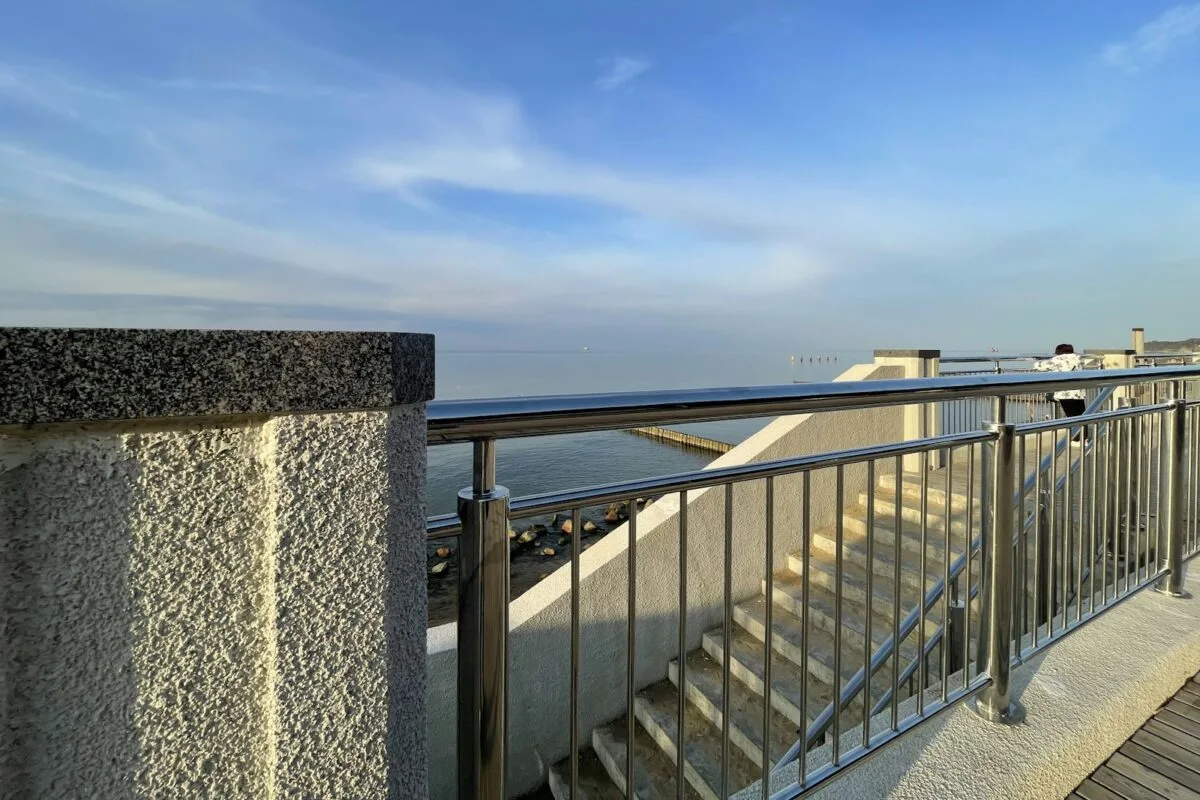
Handrails, stair railings and balustrades are made from round and square stainless steel or carbon steel tube, usually 25–50 mm. Tubes are cut and notched, bent into returns, wall brackets and stair transitions on a CNC tube bender, curved into large radii on a profile rolling machine and joined by welding before polishing.
Visible architectural tubework needs smooth, mark-free bends; a mandrel, polished dies and precise angle control on a CNC tube bender keep stainless rails clean so less polishing is needed after bending.
Typical Parts & Materials
- Stair handrails & returnsAngled bends and end returnsStainless tube 38–50 mm, 1.2–2.0 mm wall
- Balustrade posts & infillStraight and bent tube with holesStainless tube 12–42 mm
- Curved & spiral railsLarge-radius rolled tubeStainless / steel tube 38–50 mm
- Guardrails & barriersBent and welded tube framesGalvanized steel tube 42–60 mm
- Brackets & fittingsSmall bent and laser-cut partsStainless tube and plate
Manufacturing Process
From Flat Sheet to Finished Part
Select a stage to see what happens and which HARSLE machines do the work.
Step 1Handrails & Railings
Cutting & Blanking
Tube laser cutting cuts rails to length, mitres ends and drills post and bracket holes; notching prepares joints.
Laser Cutting Machine
60 models in the HARSLE range.
Notching Machine
15 models in the HARSLE range.
Step 2Handrails & Railings
Bending & Forming
CNC tube benders form returns, stair transitions and brackets; rolling machines curve rails for spiral and curved stairs.
Tube Bending Machine
27 models in the HARSLE range.
Rolling Machine
51 models in the HARSLE range.
Step 3Handrails & Railings
Welding & Finishing
Laser welding gives small, clean seams on stainless; deburring and polishing finish visible surfaces.
Laser Welding Machine
21 models in the HARSLE range.
Deburring machine
30 models in the HARSLE range.
Step 4Handrails & Railings
Automation & Tooling
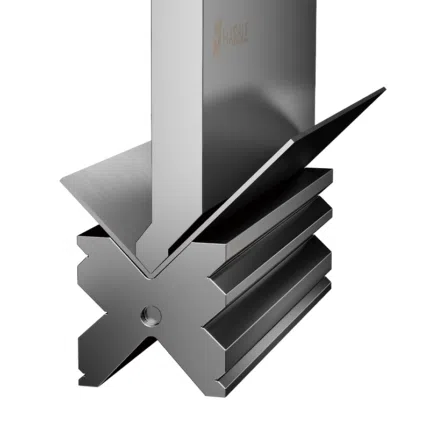
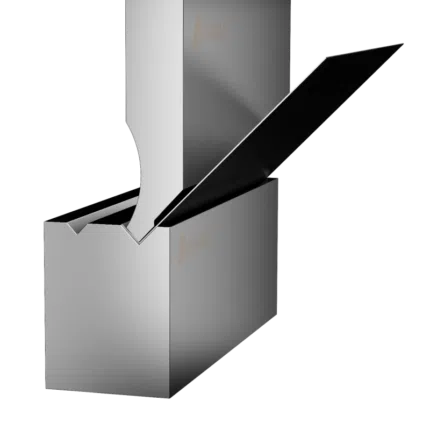
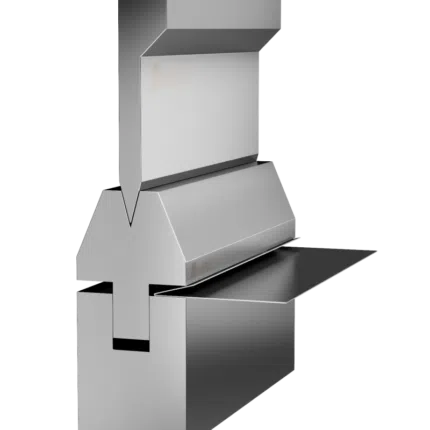
Polished bending dies, mandrels and tooling for architectural tube sizes.
Tooling
22 models in the HARSLE range.
Recommended Machines
Machines for Handrails & Railings
Live from the HARSLE product range — models suited to handrails & railings are listed first.
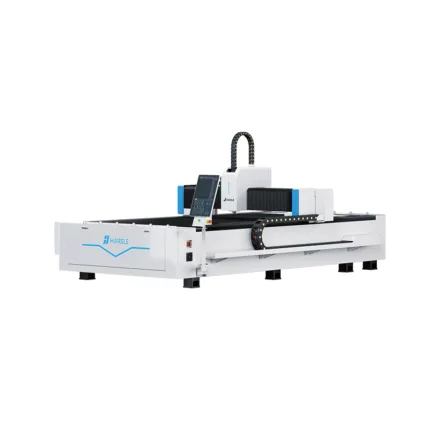
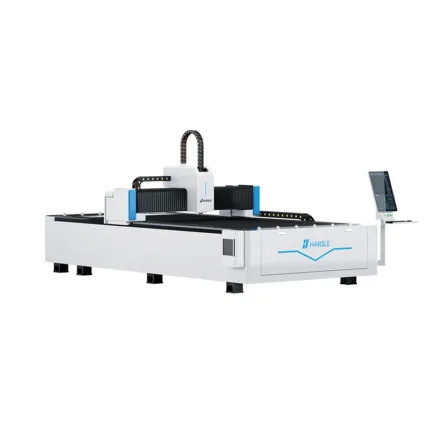
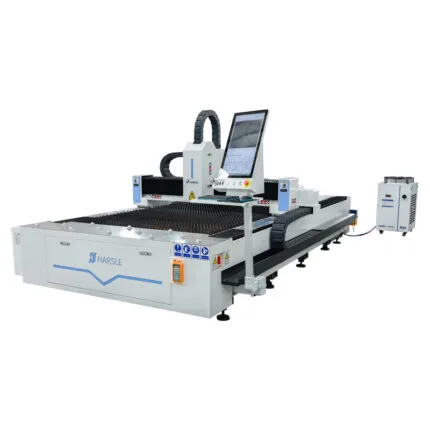
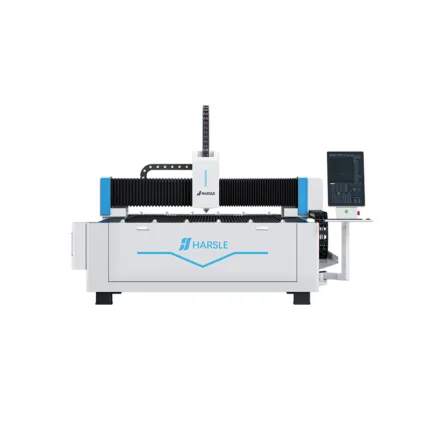
 High‑Precision 20kw Laser Cutting Machine for IndustryThe 20kw laser cutting machine delivers high‑power precision cutting for various metals, including steel, aluminum, and stainless steel.…View details
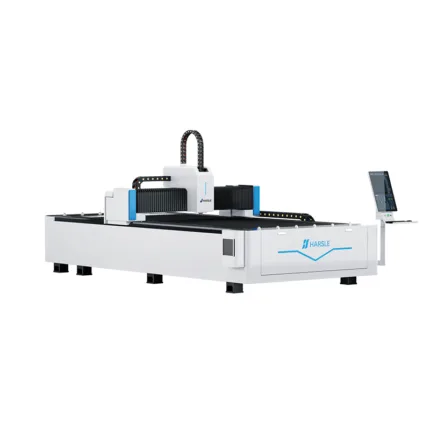
- 4kW Laser Cutting Machine for Metal FabricationThe 4kW Laser Cutting Machine is designed for high-speed, high-precision metal processing. Equipped with advanced fiber laser technology,…View details
- High-Precision Laser Cutting Machine for Thin SheetsThis laser cutting machine for thin sheets delivers precise, fast, and clean cuts for a variety of metal…View details
- 12kW Fiber Laser Cutting Machine for MetalThe 12kW Fiber Laser Cutting Machine is designed for high-speed, high-precision metal processing. Equipped with advanced fiber laser…View details
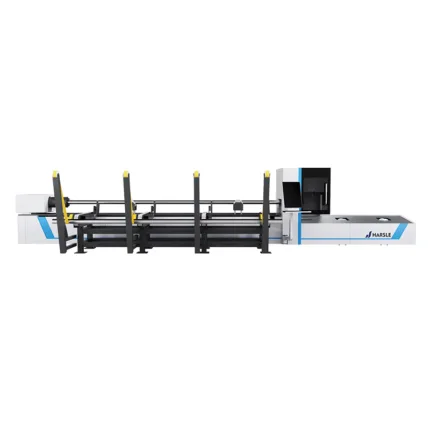
- 3kW Laser Tube Cutting Machine for Metal TubesThe 3kW Laser Tube Cutting Machine is designed for high-speed and high-precision cutting of metal tubes and pipes.…View details
- Laser Cutting Machine for Stainless Steel ProcessingHARSLE laser cutting machine for stainless steel is designed for high-speed, high-precision metal processing. It delivers clean cutting…View details
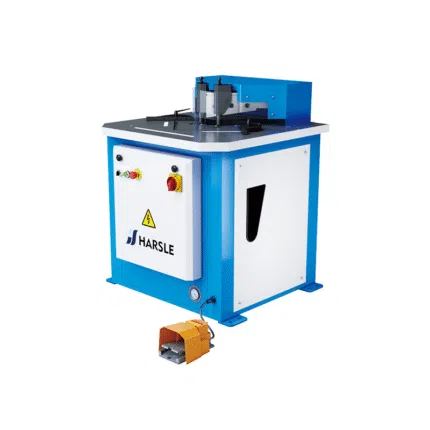
- Fixed Angle Cutter for Metal Precision CuttingThe Fixed Angle Cutter for Metal is designed for precise and efficient cutting of various metals at fixed…View details
- Fixed Angle Notcher Machine for Precision CuttingThe Fixed Angle Notcher Machine is designed for precise cutting and notching of sheet metal at fixed angles.…View details
- Adjustable Angle Aluminum Notching MachineHARSLE Aluminum Notching Machine is designed for precise and efficient corner cutting of aluminum sheets and profiles. With…View details
- V Notch Cutting Machine for Decorative Metal SheetsThe V Notch Cutting Machine is designed for precise grooving and trimming of stainless steel, aluminum, and other…View details
- Top Notching Machine Works Sheet Metal EquipmentHARSLE Top Notching Machine Works Sheet Metal Equipment delivers high precision, reliability, and efficiency for all your metal…View details
- High-Efficiency Notching Machine for Pipe CuttingThe HARSLE Notching Machine for Pipe offers precise, efficient, and consistent notching for round, square, or rectangular tubes.…View details
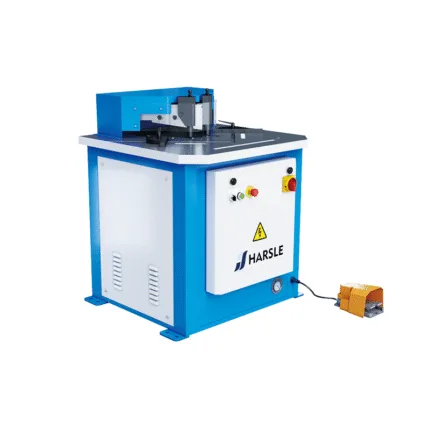
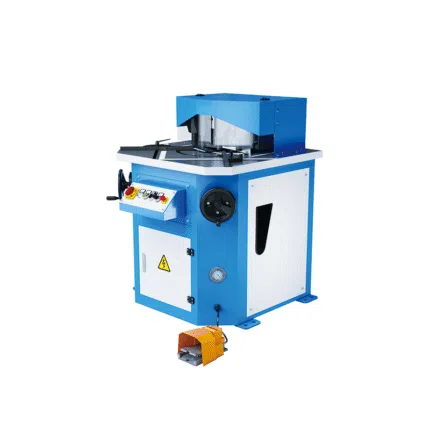
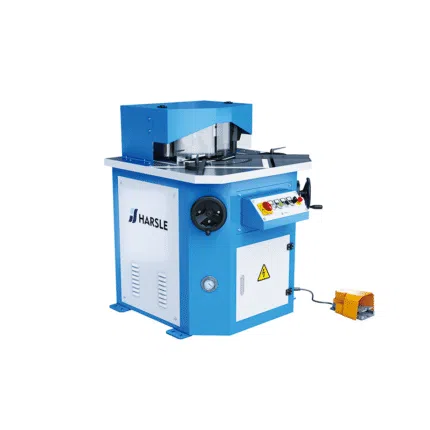
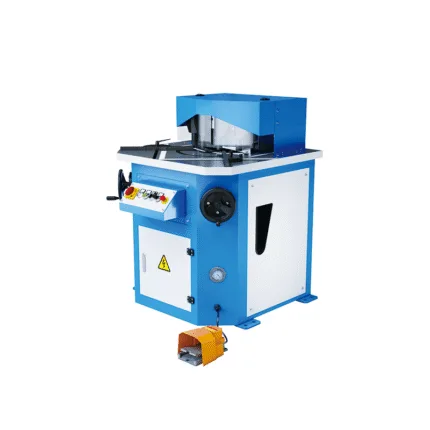
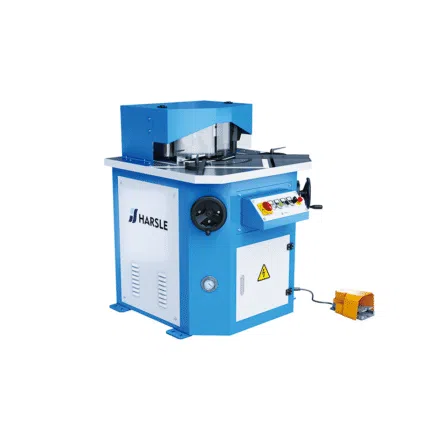
- Square Tube Bending Machine for Metal FabricationThe square tube bending machine from HARSLE is designed for accurate and efficient bending of square and rectangular…View details
- HARSLE NC Tube Bending Machine for SaleThe HARSLE NC Tube Bending Machine for Sale offers reliable and efficient solutions for precision metal tube bending…View details
- Tube Bending Machine for Furniture ManufacturingThe Tube Bending Machine for Furniture is designed for precision bending of metal tubes used in chairs, tables,…View details
- Tube Bending Machine for Automotive Parts SolutionsThe Tube Bending Machine for Automotive Parts is designed for precise and efficient bending of metal tubes used…View details
- Automatic Tube Bending Machine for Exhaust PipesHARSLE tube bending machine for exhaust pipes is designed for precise and efficient pipe forming in automotive and…View details
- Advanced 3 Axis CNC Tube Bending SolutionThe 3 Axis CNC Tube Bending Machine is designed for precise and efficient tube forming in various industries.…View details
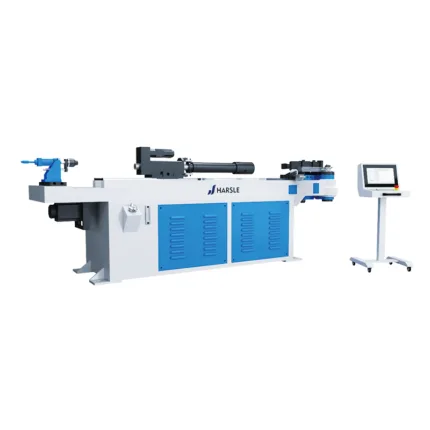
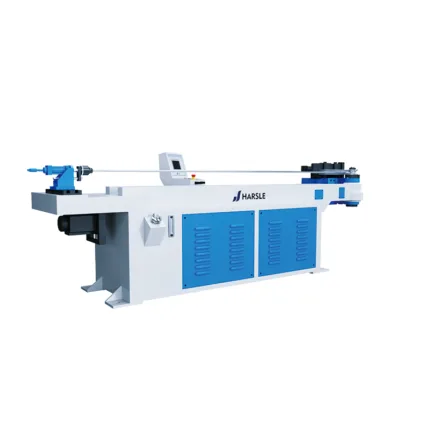
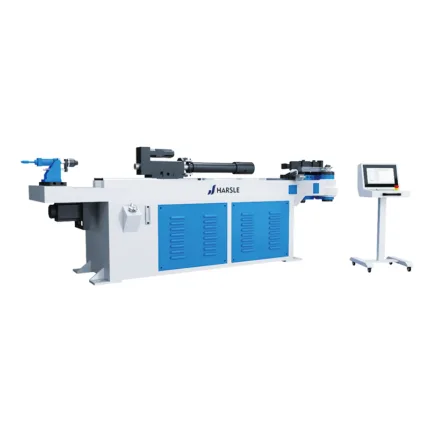
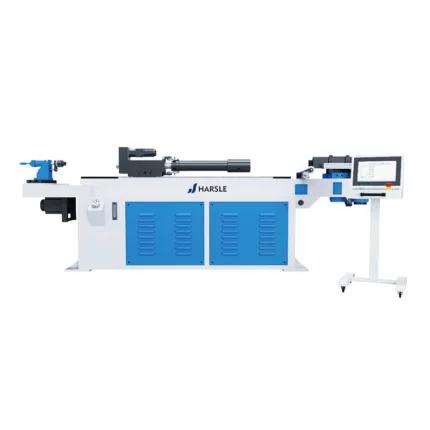
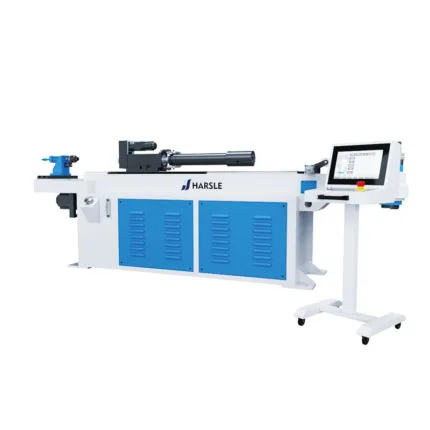
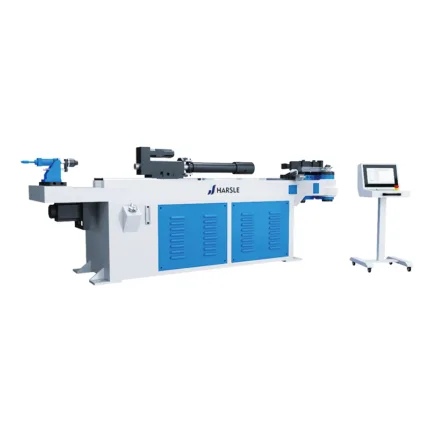
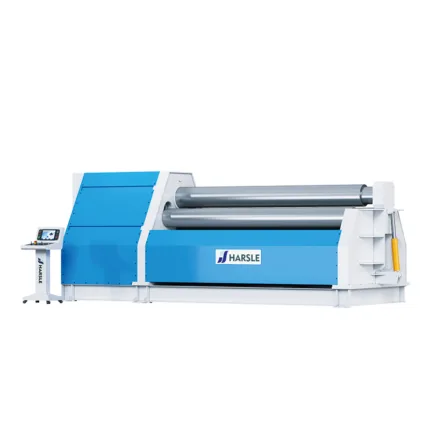
- CNC Plate Rolling Machine for Sale for Metal FabricationLooking for a reliable CNC plate rolling machine for sale? HARSLE provides industrial plate rolling solutions designed for…View details
- Affordable 4 Roll Plate Rolling Machine PriceDiscover competitive 4 roll plate rolling machine price options from HARSLE, a trusted manufacturer of industrial metal forming…View details
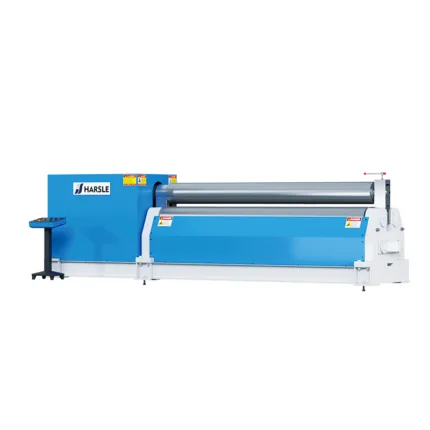
- Heavy Duty Plate Rolling Machine for Industrial UseThe heavy duty plate rolling machine from HARSLE is engineered for efficient and precise bending of thick metal…View details
- Aluminum Plate Rolling Machine for Precision BendingThe aluminum plate rolling machine from HARSLE is designed for precise and efficient bending of aluminum sheets and…View details
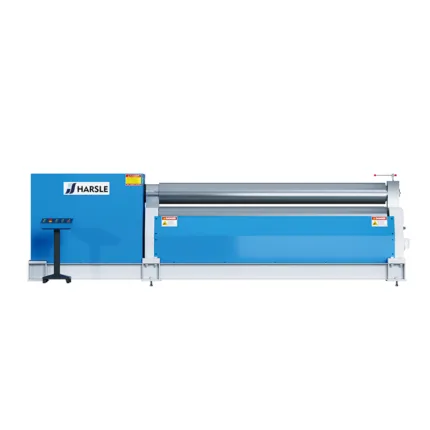
- Sheet Metal Rolling Machine for Precision FormingThe HARSLE sheet metal rolling machine delivers precise, efficient, and reliable metal forming for various industrial applications. Designed…View details
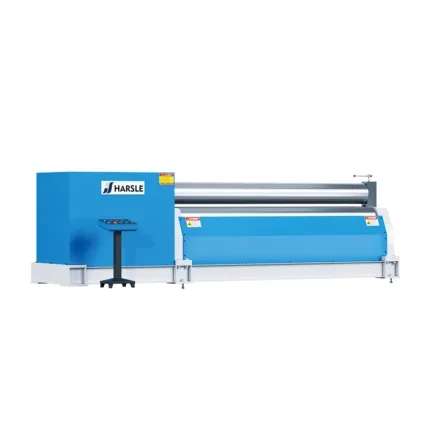
- 3 Roll Stainless Steel Plate Rolling MachineThe Stainless Steel Plate Rolling Machine from HARSLE is designed for precise and efficient bending of stainless steel…View details
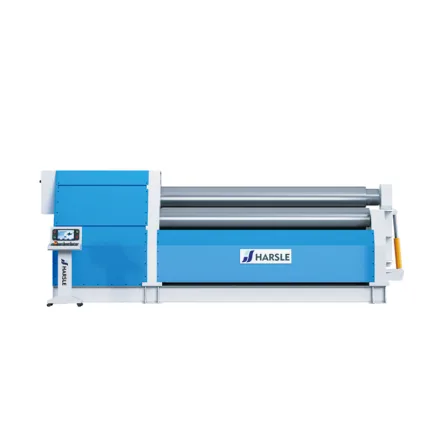
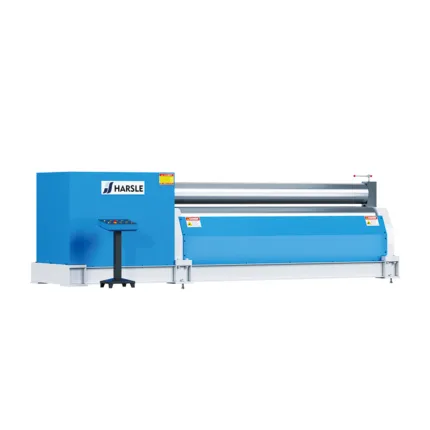
- Top China Laser Welding Machine Manufacturers for IndustryHARSLE is one of the leading China laser welding machine manufacturers, providing high-quality and cost-effective solutions for industrial…View details
- 3 in 1 Fiber Laser Welding Machine for Precision WorkThe 3 in 1 fiber laser welding machine integrates welding, cutting, and cleaning functions in one device. It…View details
- High-Efficiency 2KW Laser Welding Machine for SaleDiscover HARSLE’s 2KW laser welding machine, ideal for precise, high-speed metal joining. This powerful solution offers deep penetration,…View details
- Top 1500W Laser Welding Machine ManufacturersDiscover top-tier 1500W laser welding machine manufacturers offering precision, efficiency, and durability. Ideal for metal fabrication, automotive, and…View details
- Reliable 3000W Laser Welding Machine SuppliersHARSLE is one of the leading 3000W laser welding machine suppliers, offering high-performance equipment for precise and efficient…View details
- Multifunction 5 in 1 Handheld Laser Welding MachineThe 5 in 1 handheld laser welding machine offers welding, cutting, cleaning, polishing, and seam welding functions in…View details
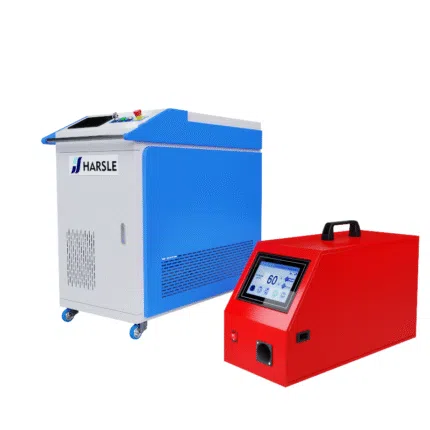
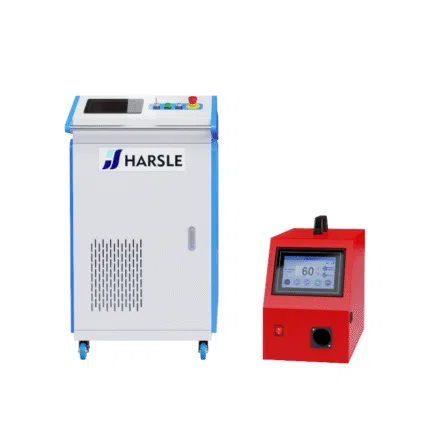
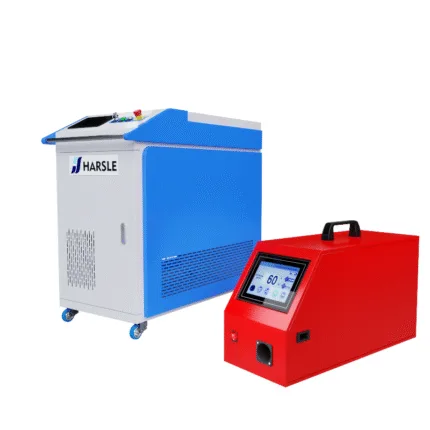
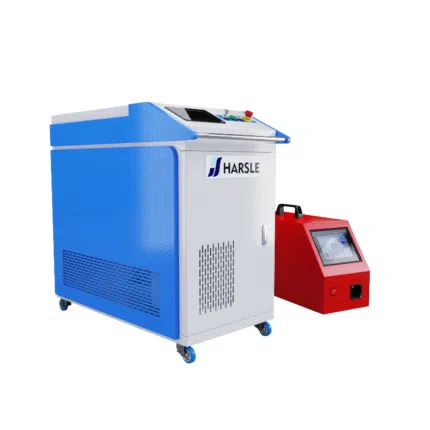
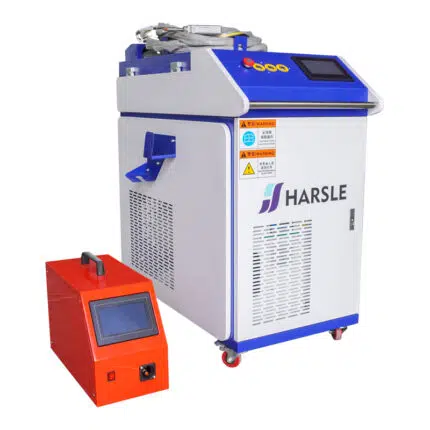
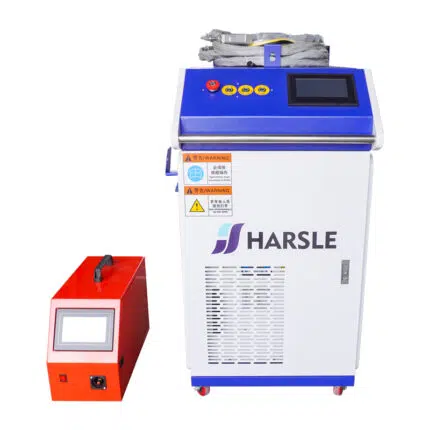
- DualPolish 800 for Laser Cut Parts Edge FinishingThe DualPolish 800 is a versatile deburring and chamfering machine designed specifically for laser-cut parts. With its precision…View details
- Magnetic Deburring Polishing Machine for Laser Cut PartsThe magnetic deburring polishing machine is specially designed for finishing sheet metal parts after laser cutting. It efficiently…View details
- Flat Metal Deburring Machines for Sheet ProcessingFlat metal deburring machines are designed to remove sharp edges, burrs, and slag from sheet metal parts after…View details
- Deburring Wheel Machine for Metal Edge FinishingThe deburring wheel machine is designed to efficiently remove burrs, sharp edges, and surface imperfections from metal parts…View details
- Deburring and Finishing Machine for Metal PartsThe deburring and finishing machine is designed to remove sharp edges, burrs, and slag from metal parts after…View details
- High Speed Metal Chamfering MachineThe metal chamfering machine is designed for precise edge beveling and deburring of metal sheets and plates. It…View details
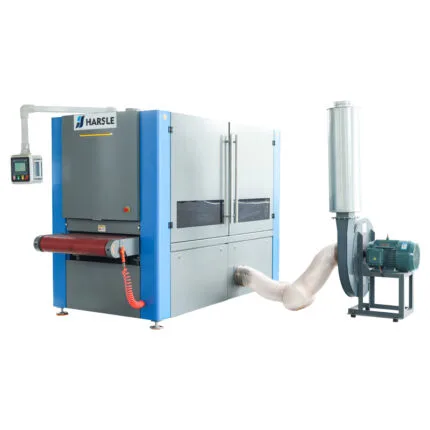
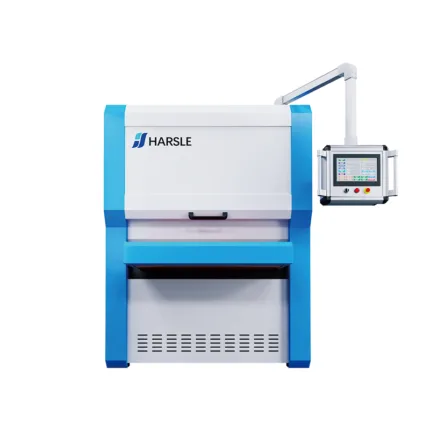
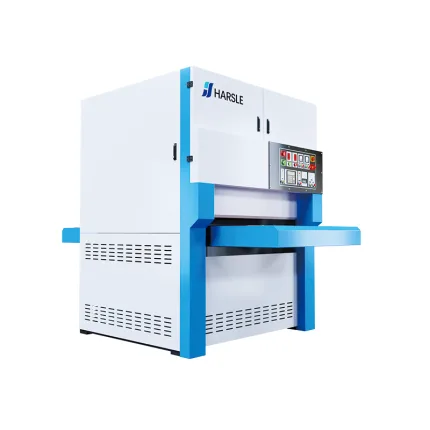
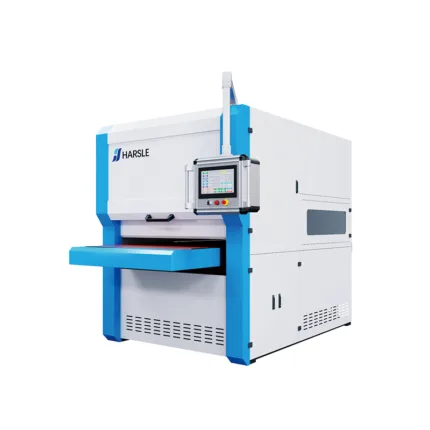
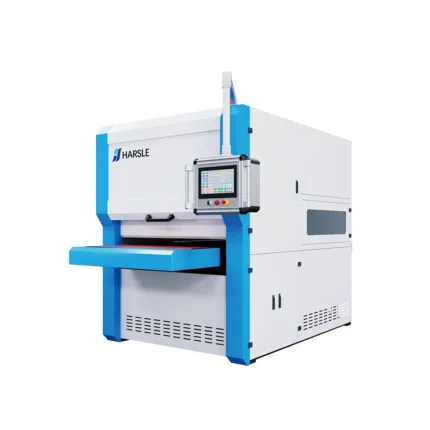
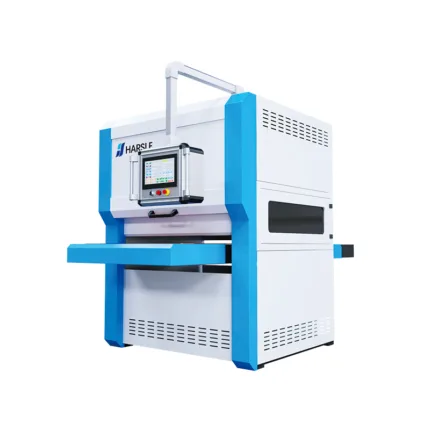
- Manual Adjustable Die for Press BrakeThe Manual Adjustable Die is a precision press brake tooling solution designed to improve bending accuracy and setup…View details
- Fixed-Beam Punch Quick-Change System for Press BrakesThe Fixed-Beam Punch Quick-Change System is designed to significantly reduce tool setup time and improve bending efficiency for…View details
- Universal 4V Press Brake Die for Sheet Metal BendingHARSLE 4V Press Brake Die is designed for efficient and precise bending of metal sheets using CNC press…View details
- Multi-V Die and Standard Punch for Press BrakeHARSLE's Multi-V Die and Standard Punch provide excellent versatility and precision for metal bending applications. Designed for press…View details
- High-Quality Standard Punch Tool for Precision WorkDiscover the Standard Punch Tool designed for precision and durability in metal fabrication. Engineered for accurate punching operations,…View details
- High-Precision Hemming Punch and Die SetEnhance your sheet metal fabrication with our High-Precision Hemming Punch and Die Set. Designed for accuracy and durability,…View details
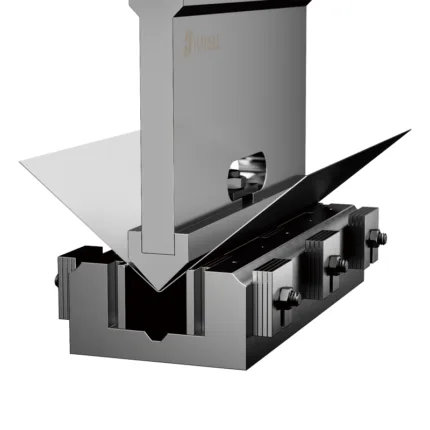
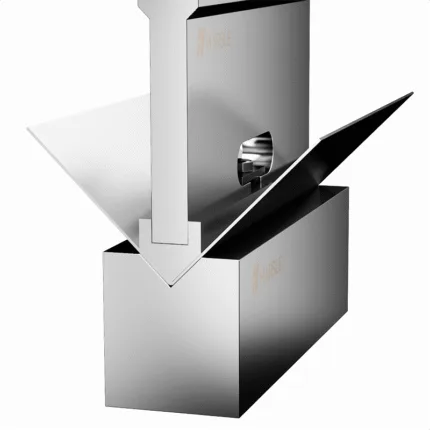
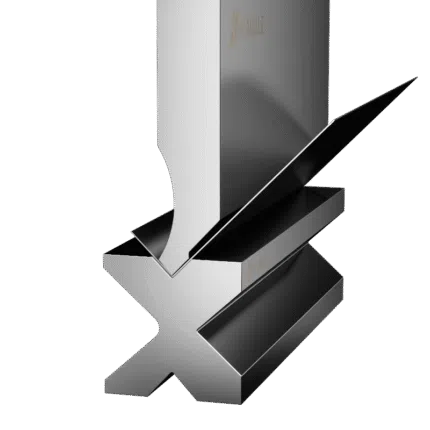
Challenges & Solutions
What Matters in Handrails & Railings
Mark-free stainless bends
Polished dies, a mandrel and wiper die keep visible tube surfaces clean and round.
Accurate stair angles
Programmable bend angles and rotation match stair pitch and landing transitions on site.
One-off and project work
Stored programs and quick setups suit custom project lengths and shapes.
Clean welded joints
Laser welding reduces heat tint and grinding on stainless rails.
Automate Bending
Panel Bender for Handrails & Railings
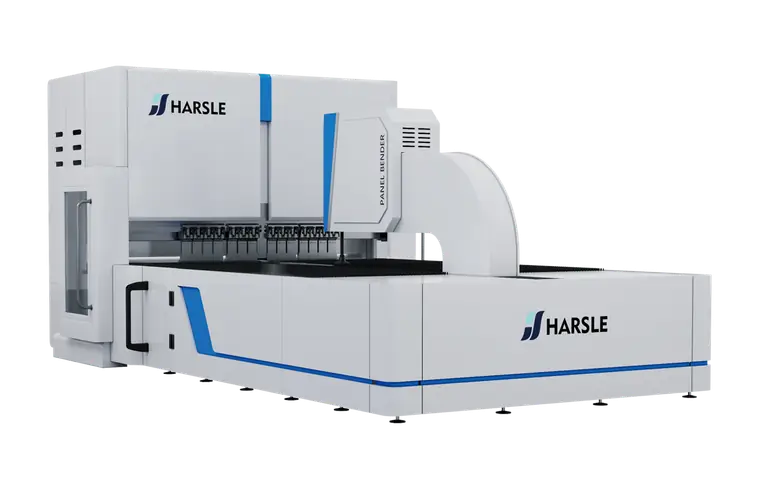
A HARSLE panel bender clamps the sheet flat and forms all four sides in one cycle with universal tooling — ideal for the repeat panels, doors and boxes found in handrails & railings.
- Bending length 1400–3000 mm (AutoBend)
- 0–180° bending angle, 0.2 s per bend
- Minimal operator skill, fast changeovers
Global Footprint
Shipments & Customer Stories
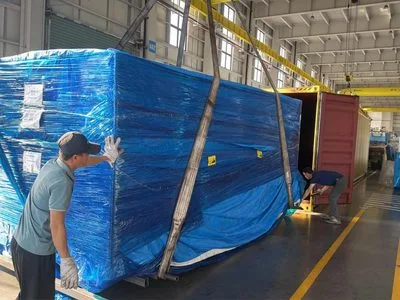
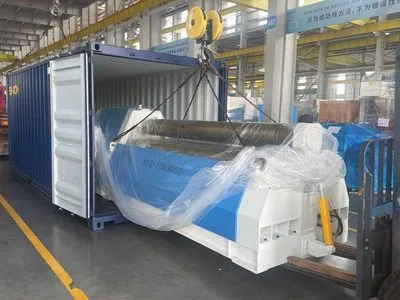
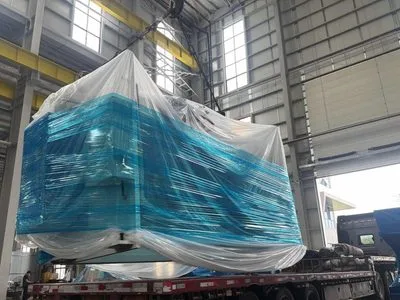
Every shipment and customer story HARSLE publishes appears here automatically. Filter by machine or country.
- 1,232Shipments published
- 120Destination countries
- 122Customer stories
- LiveUpdated as we ship
![Ireland-MasterBend 20032 Press Brake]() ShippedIreland-MasterBend 20032 Press Brake
![Latvia-FlexBend 17032 Press Brake]() ShippedLatvia-FlexBend 17032 Press Brake
![Lithuania-MasterBend 60060 CNC Press Brake]() ShippedLithuania-MasterBend 60060 CNC Press Brake
![USA-MasterBend 17032 Press Brake]() ShippedUSA-MasterBend 17032 Press Brake
![Brazil-FlexBend 6320 Press Brake]() ShippedBrazil-FlexBend 6320 Press Brake
![Morocco-FlexBend 40060 Press Brake]() ShippedMorocco-FlexBend 40060 Press Brake
![Venezuela-TriRoll3025 Rolling Machine]() ShippedVenezuela-TriRoll3025 Rolling Machine
![Brazil-Angleroll 45 Profile Bending Machine]() ShippedBrazil-Angleroll 45 Profile Bending Machine
![Chile-MasterBend 30040 CNC Press Brake]() ShippedChile-MasterBend 30040 CNC Press Brake
![Mexico-HP-50T Hot Press Machine]() ShippedMexico-HP-50T Hot Press Machine
![Morocco-FlexBend 40060 Press Brake]() ShippedMorocco-FlexBend 40060 Press Brake
![Australia-E-Bend Pro 3512 Press Brake]() ShippedAustralia-E-Bend Pro 3512 Press Brake
![USA-MasterBend 25032 Press Brake]() ShippedUSA-MasterBend 25032 Press Brake
![Argentina-FlexBend 13032 Press Brake]() ShippedArgentina-FlexBend 13032 Press Brake
![Monaco-DualPolish DV1300 Deburring Machine]() ShippedMonaco-DualPolish DV1300 Deburring Machine
![Brazil-Procut 3000W Laser Cutting Machine]() ShippedBrazil-Procut 3000W Laser Cutting Machine
![Dominican Republic-EasyBend 12532 Hydraulic Press Brake]() ShippedDominican Republic-EasyBend 12532 Hydraulic Press Brake
![Vietnam-Multipro 30 Ironworker]() ShippedVietnam-Multipro 30 Ironworker
![Israel-EasyBend 12532 Press Brake]() ShippedIsrael-EasyBend 12532 Press Brake
![Italy-Flexbend 170T3200 CNC Press Brake]() ShippedItaly-Flexbend 170T3200 CNC Press Brake
![Mexico-HSX-6000W-3015 Laser Cutting Machine]() ShippedMexico-HSX-6000W-3015 Laser Cutting Machine
![Portugal-PillarPress Y32-200T Hydraulic Press]() ShippedPortugal-PillarPress Y32-200T Hydraulic Press
![Argentina-Quadroll 1030 Rolling Machine]() ShippedArgentina-Quadroll 1030 Rolling Machine
![UAE-Flexbend 25050 Press Brake]() ShippedUAE-Flexbend 25050 Press Brake
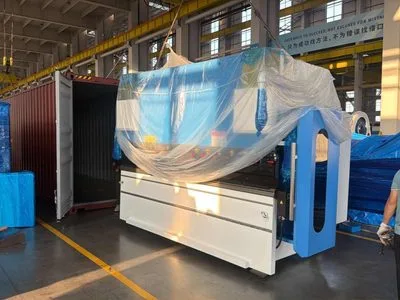
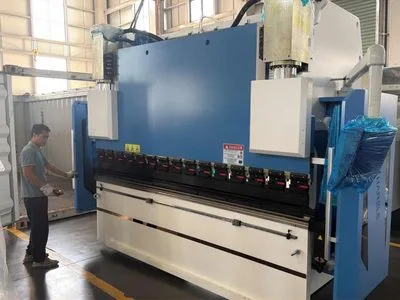
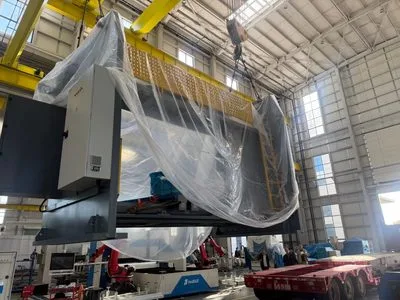
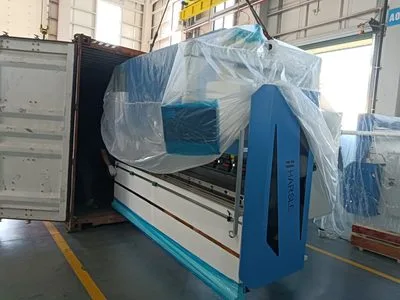
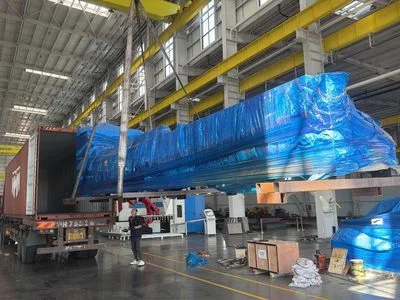
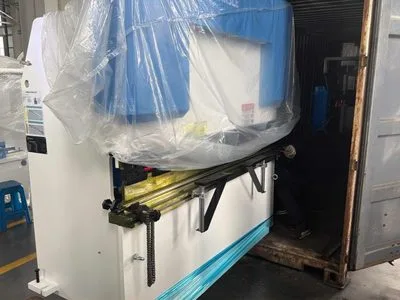
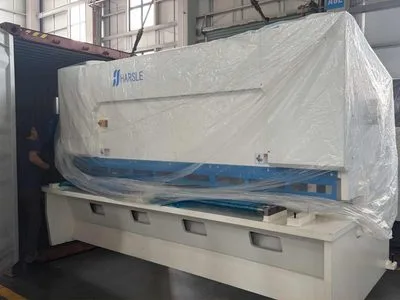
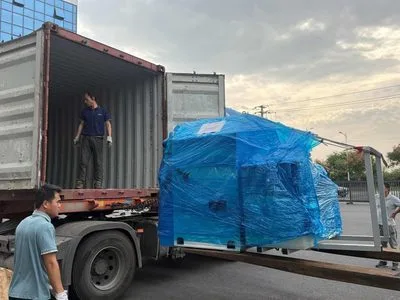
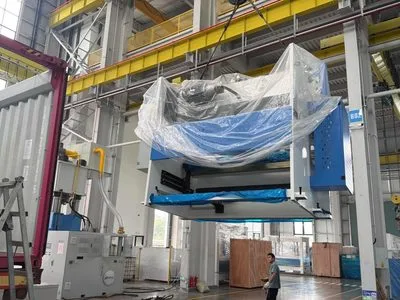
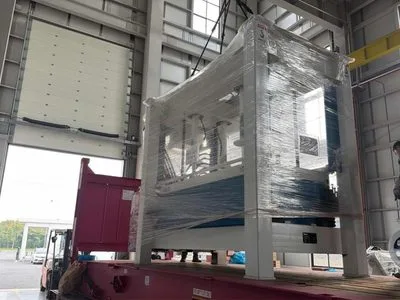
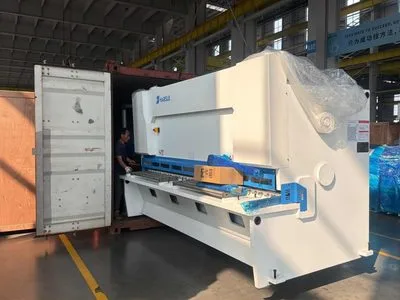
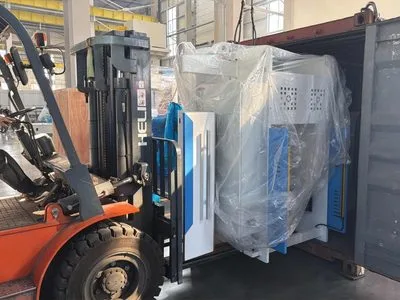
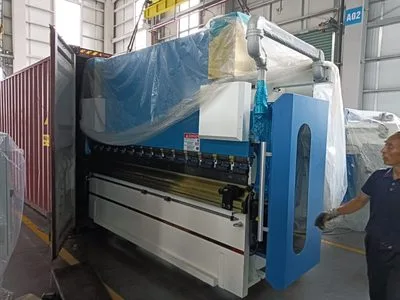
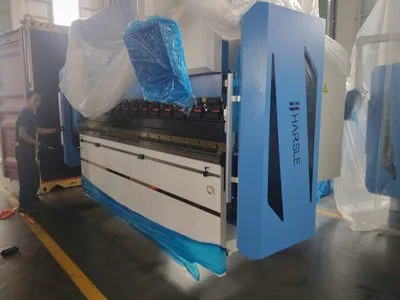
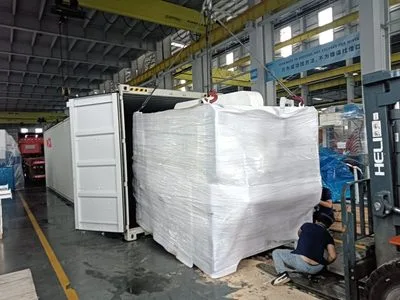
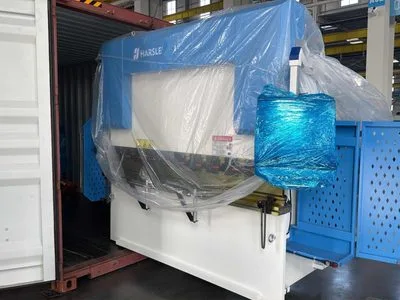
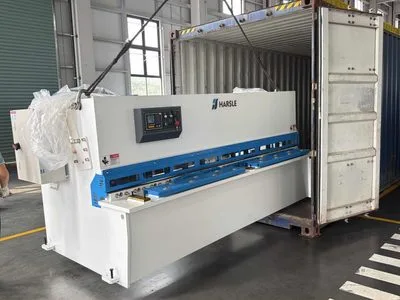
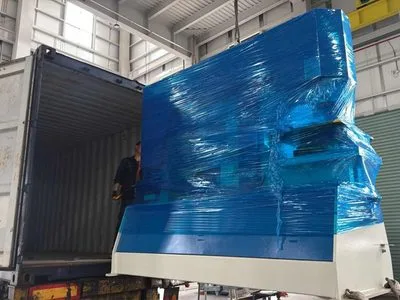
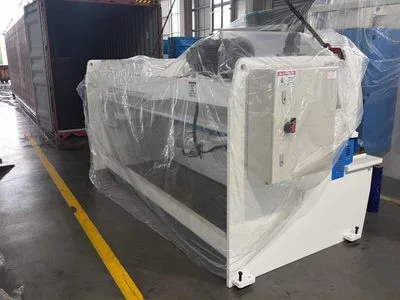
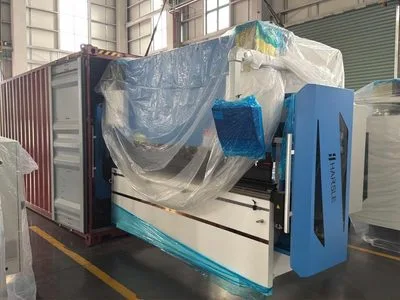

No shipments match this filter yet.
![Professional Press Brake Installation Earns USA Customer Trust]() StoryProfessional Press Brake Installation Earns USA Customer Trust
![HARSLE Engineer Support Earns Azerbaijan Client’s Gratitude]() StoryHARSLE Engineer Support Earns Azerbaijan Client’s Gratitude
![Reliable Press Brake Installation Support Wins United States Trust]() StoryReliable Press Brake Installation Support Wins United States Trust
![Romania Client Reports High HARSLE Customer Satisfaction]() StoryRomania Client Reports High HARSLE Customer Satisfaction
![HARSLE Press Brake Software Upgrade Unlocks US Client Potential]() StoryHARSLE Press Brake Software Upgrade Unlocks US Client Potential
![HARSLE Panel Bender Fast Setup Wins United States Praise]() StoryHARSLE Panel Bender Fast Setup Wins United States Praise
![HARSLE Tube Bending Machine Training Boosts Thailand Output]() StoryHARSLE Tube Bending Machine Training Boosts Thailand Output
![HARSLE Engineer Support Wins United States Client Praise]() StoryHARSLE Engineer Support Wins United States Client Praise
![On-Site Engineer Support Secures Lebanese Long-Term Deal]() StoryOn-Site Engineer Support Secures Lebanese Long-Term Deal
![Lebanese Client Applauds HARSLE Press Brake Quality]() StoryLebanese Client Applauds HARSLE Press Brake Quality
![CSA-Compliant Shearing Machine Delights Canadian Client]() StoryCSA-Compliant Shearing Machine Delights Canadian Client
![Successful Factory Acceptance Test for Chile Client]() StorySuccessful Factory Acceptance Test for Chile Client
![High Efficiency Bending Solution Improves Greece Output]() StoryHigh Efficiency Bending Solution Improves Greece Output
![Smooth Tube Bender Delivery Experience for Seville Customer]() StorySmooth Tube Bender Delivery Experience for Seville Customer
![Seville Client Applauds Press Brake Technical Support]() StorySeville Client Applauds Press Brake Technical Support
![USA Customer Applauds HARSLE Professional Installation Service]() StoryUSA Customer Applauds HARSLE Professional Installation Service


No stories match this filter yet.
Knowledge Center
Handrails & Railings Guides
- How to Perform Die Replacement on a Tube Bending Machine Efficiently?
- How to Extend Laser Tube Lifespan Properly?
- What Are the Key Steps in Tube Bender Maintenance Setup?
- When Should You Perform a Tube Bender Emergency Check After Installation?
- How Does Tube Bender Installation Acceptance Work?
- Why Tube Bender Operator Training Is Critical After Installation
- Why Is Tube Bender Alignment Calibration Critical After Installation?
- How to Perform a Proper Tube Bender Trial Run?
- Tube Bender Installation Mistakes: How Can You Avoid Them?
FAQ
Frequently Asked Questions
Common questions about machines and processes for handrails & railings.
What machine is used to bend stainless steel handrails?
A CNC tube bending machine with a mandrel and polished dies bends handrail returns, stair transitions and brackets; a profile rolling machine curves rails into large radii for curved and spiral stairs.
How do you bend stainless tube without marks?
Use polished or nylon-faced dies, a lubricated mandrel and wiper die, and the correct clamp pressure — this keeps the visible surface clean and reduces polishing.
What tube sizes are used for handrails?
Most handrails use 38–50 mm round stainless or steel tube with 1.2–2.0 mm wall; balustrade infill often uses 12–20 mm tube.
Can HARSLE machines bend both round and square railing tube?
Yes — with dedicated dies, CNC tube benders bend round, square and rectangular tube for railings and guardrails.
More Applications
Other Industries We Equip
 Electrical Enclosures & Cabinets
 Elevator Doors & Cabins
- HVAC Equipment & Ductwork
 Commercial Kitchen & Food Service Equipment
 Office & Metal Furniture
- Medical & Laboratory Equipment
- Automotive Parts & Vehicles
- Aerospace Components
- Shipbuilding & Marine
 Construction, Facades & Interiors
- Home Appliances
- Sheet Metal Fabrication & Job Shops
- Signage, Advertising & Displays
- Tube & Pipe Processing
- Pressure Vessels, Tanks & Oil and Gas
 Wind, Solar & Power Equipment
 Heavy Machinery & Agricultural Equipment
- Fitness & Gym Equipment
- Bicycle & Motorcycle Frames
 Agricultural Machinery
- Production Line Solutions




Get Started
Request a Quote
Tell us about your handrails & railings — our engineers will recommend the machines and layout.
- Machine SelectionModel, series and options matched to your parts
- Technical SupportBend feasibility checked on your drawings
- Detailed QuotationPrice, lead time, shipping and installation
- 24-Hour ResponseA real engineer replies within one business day
Tip: mention your material, thickness, largest part size and yearly volume for the most accurate quote.
