


Industry Solutions · Electrical Enclosures & Cabinets
Sheet Metal Machines for Electrical Enclosure Manufacturing
From flat blank to finished cabinet — cutting, bending and welding equipment for control panels, switchgear and distribution boxes.
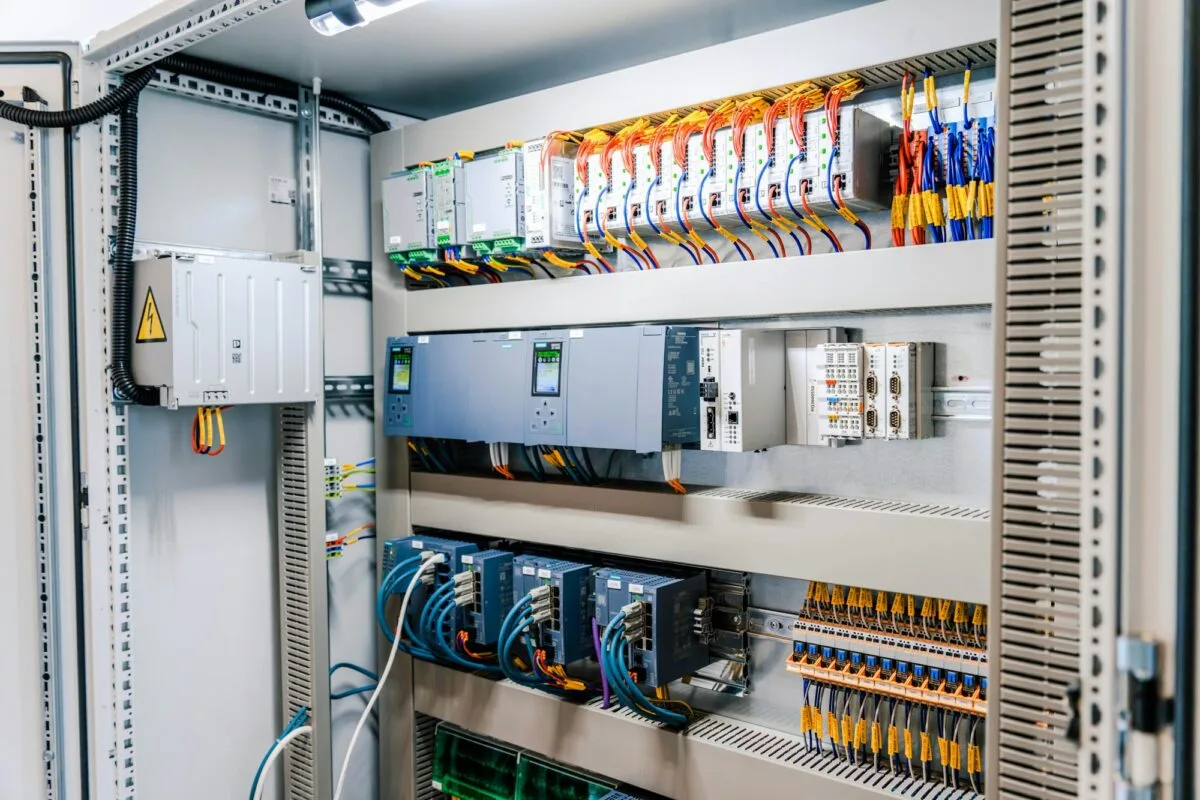
Electrical Enclosures Basics
How Electrical Enclosures & Cabinets Are Made
Electrical enclosures are made from 1.0–2.0 mm cold-rolled, galvanized or stainless steel sheet. The blanks are laser cut or punched (cut-outs, louvers, knockouts), corner-notched, bent into doors, side panels and frames on a panel bender or press brake, then welded, deburred and powder-coated.
Because enclosure makers produce many sizes in small and medium batches, the most productive lines combine fast blank cutting with automatic bending: a panel bender forms four-sided doors and covers in one cycle, while a CNC press brake handles frames, mounting plates and narrow profiles.
Typical Parts & Materials
- Doors & coversFour-sided return flanges, hems for stiffnessCold-rolled steel 1.2–2.0 mm
- Side & back panelsLarge flat panels with louvers and knockoutsGalvanized steel 1.0–1.5 mm
- Frames & profilesLong, narrow multi-bend profiles with hole patternsCold-rolled steel 1.5–2.5 mm
- Mounting platesFlat plates with return flangesGalvanized steel 2.0–3.0 mm
- Outdoor & hygienic housingsSealed seams, tight cosmetic tolerancesStainless steel 304/316 1.2–2.0 mm
Manufacturing Process
From Flat Sheet to Finished Part
Select a stage to see what happens and which HARSLE machines do the work.
Step 1Electrical Enclosures & Cabinets
Cutting & Blanking
Laser cutting or CNC punching produces blanks with cut-outs, louvers and cable knockouts; notching removes corners so flanges close neatly.
Laser Cutting Machine
60 models in the HARSLE range.
Punching Machine
92 models in the HARSLE range.
Shearing Machine
43 models in the HARSLE range.
Notching Machine
15 models in the HARSLE range.
Step 2Electrical Enclosures & Cabinets
Bending & Forming
Panel benders fold doors and covers on all four sides automatically; CNC press brakes bend frames, profiles and mounting plates.
Panel Bender
25 models in the HARSLE range.
Press Brake
196 models in the HARSLE range.
V Grooving Machine
12 models in the HARSLE range.
Step 3Electrical Enclosures & Cabinets
Welding & Finishing
Laser welding closes corners with low distortion; deburring removes sharp edges before powder coating.
Laser Welding Machine
21 models in the HARSLE range.
Deburring machine
30 models in the HARSLE range.
Step 4Electrical Enclosures & Cabinets
Automation & Tooling
Panel flippers, robotic cells and complete production lines remove manual handling between steps.
Panel Flipper
9 models in the HARSLE range.
Production Line
2 models in the HARSLE range.
Tooling
22 models in the HARSLE range.
Recommended Machines
Machines for Electrical Enclosures & Cabinets
Live from the HARSLE product range — models suited to electrical enclosures are listed first.
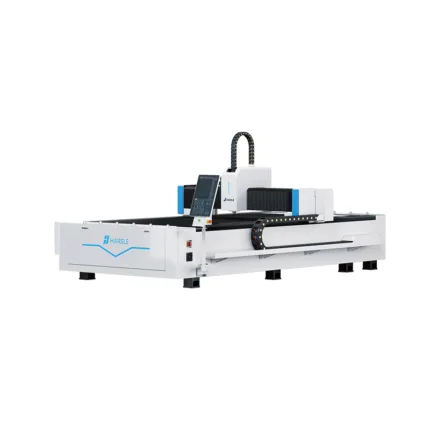
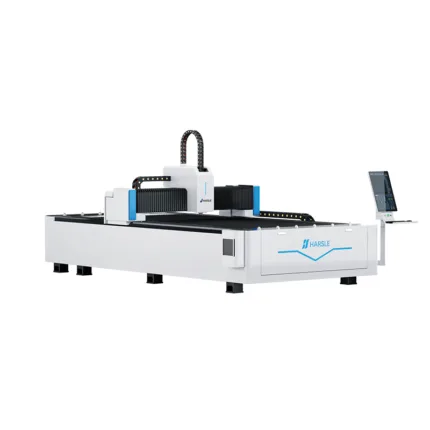
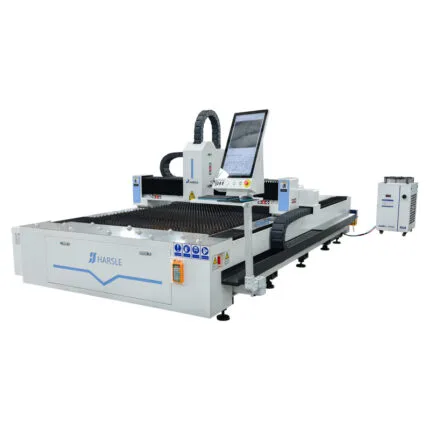
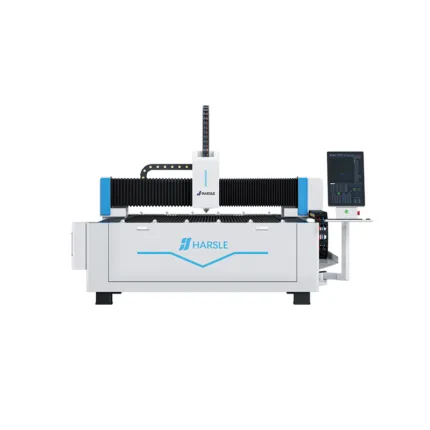
 High‑Precision 20kw Laser Cutting Machine for IndustryThe 20kw laser cutting machine delivers high‑power precision cutting for various metals, including steel, aluminum, and stainless steel.…View details
 - 4kW Laser Cutting Machine for Metal FabricationThe 4kW Laser Cutting Machine is designed for high-speed, high-precision metal processing. Equipped with advanced fiber laser technology,…View details
- High-Precision Laser Cutting Machine for Thin SheetsThis laser cutting machine for thin sheets delivers precise, fast, and clean cuts for a variety of metal…View details
- 12kW Fiber Laser Cutting Machine for MetalThe 12kW Fiber Laser Cutting Machine is designed for high-speed, high-precision metal processing. Equipped with advanced fiber laser…View details
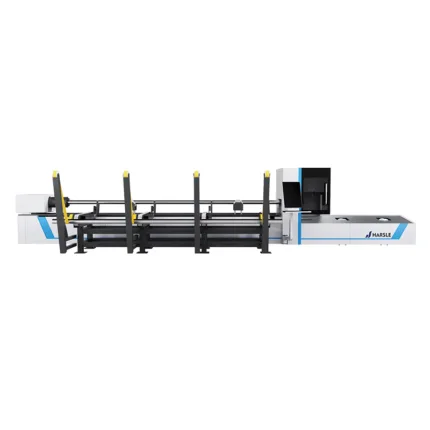
- 3kW Laser Tube Cutting Machine for Metal TubesThe 3kW Laser Tube Cutting Machine is designed for high-speed and high-precision cutting of metal tubes and pipes.…View details
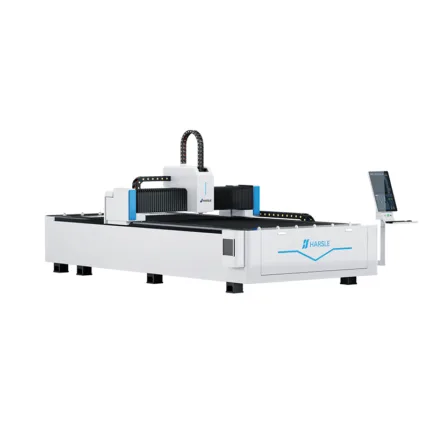
- Laser Cutting Machine for Stainless Steel ProcessingHARSLE laser cutting machine for stainless steel is designed for high-speed, high-precision metal processing. It delivers clean cutting…View details
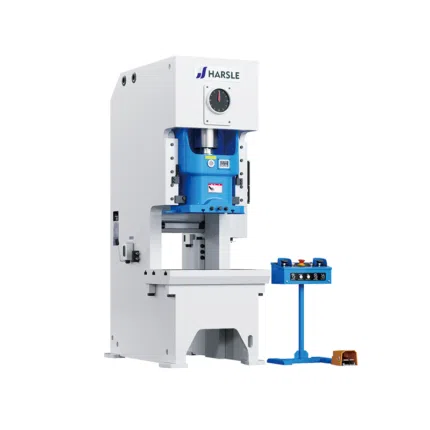
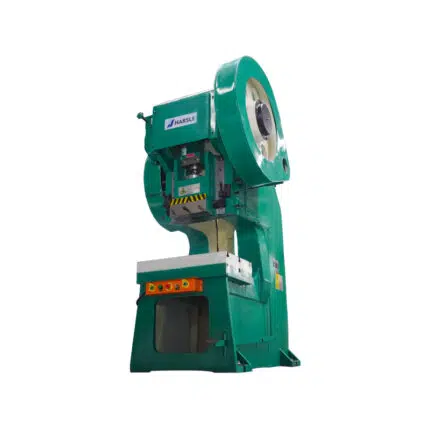
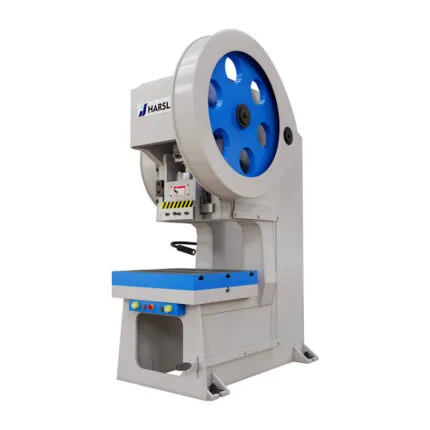
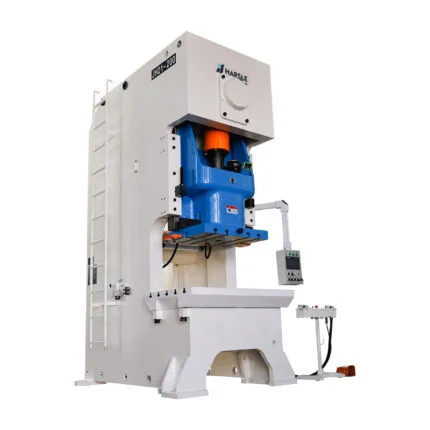
- High Precision Punching Machine for Metal EnclosureHARSLE punching machine for metal enclosure is designed for efficient and accurate sheet metal processing in electrical cabinets,…View details
- Punching Machine for Electrical Cabinet ProductionA punching machine for electrical cabinet production is designed for fast, accurate, and efficient sheet metal processing. It…View details
- 100 Ton Electric Mechanical Power Press Punching MachineThe 100 Ton Electric Mechanical Power Press Punching Machine delivers high precision and powerful performance for sheet metal…View details
- 100 Ton Mechanical Electric Power Press for Metal FormingThe 100 Ton Mechanical Electric Power Press is a high-performance machine designed for precision metal forming and stamping.…View details
- 25 Ton Deep Throat Electric Power Press for SteelThe 25 Ton Deep Throat Electric Power Press is a high-performance machine designed for steel punching and forming.…View details
- 200 Ton Hydraulic Punching Machine for MetalThe 200 ton hydraulic punching machine is designed for heavy-duty metal processing applications requiring high punching force and…View details
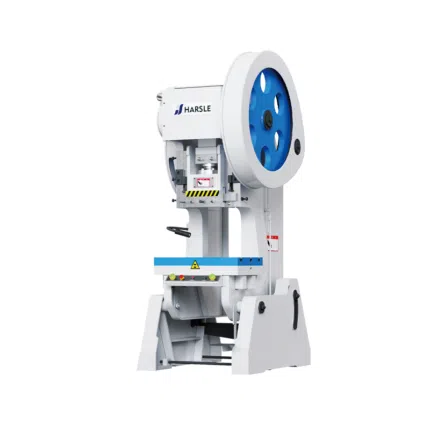
- Q11 Electric Mechanical Shearing MachineThe Q11 Electric Mechanical Shearing Machine is engineered for efficient and precise metal shearing. With a robust design,…View details
- PrimeShear 1232 DAC360T Guillotine Shearing MachinePrimeShear 1232 DAC360T is a high-performance CNC guillotine shearing machine designed for accurate and efficient sheet metal cutting.…View details
- PrimeShear 1260 Guillotine Shear Machine High PrecisionThe PrimeShear 1260 Guillotine Shear is designed for high precision and efficient sheet metal cutting. Built for industrial…View details
- HARSLE PrimeShear 1240 with DAC360 ControlThe PrimeShear 1240 with DAC360 system from HARSLE is a high-performance guillotine shearing machine designed for precision metal…View details
- PrimeShear 0632 Hydraulic Shearing Machine with Anti-Twisting SystemThe PrimeShear 0632 is a high-performance hydraulic shearing machine designed for precise and stable sheet metal cutting. Equipped…View details
- High Precision Shearing Machine for Automotive IndustryA shearing machine for automotive industry is designed for high-precision cutting of steel, aluminum, and alloy sheets used…View details
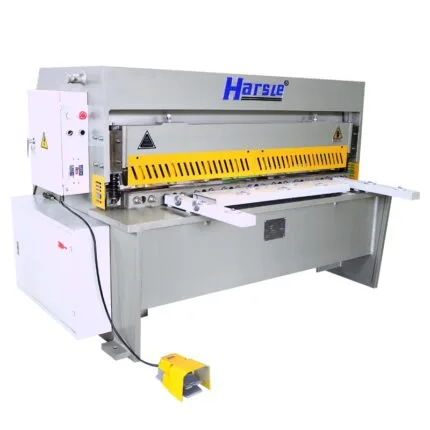
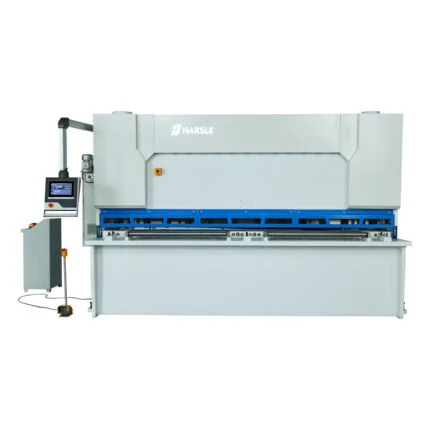
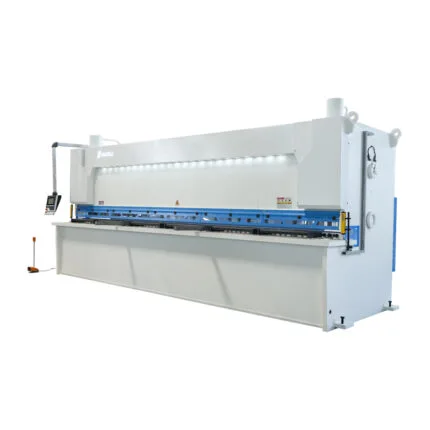
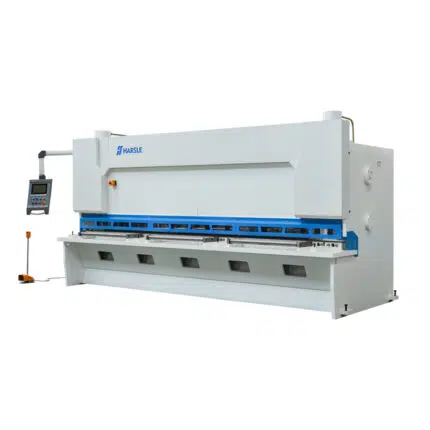
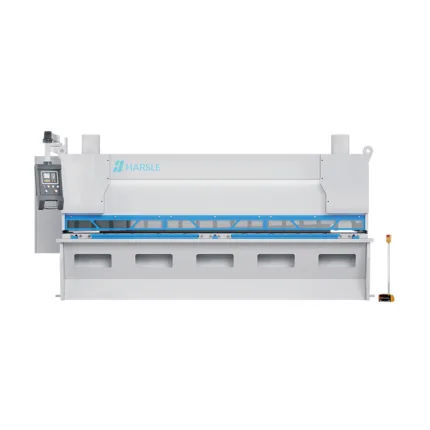
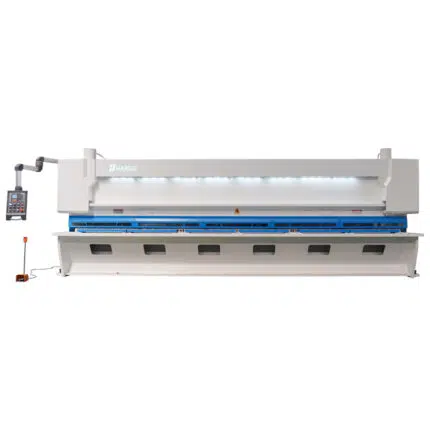
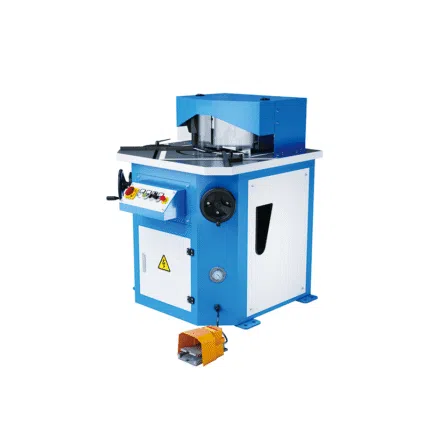
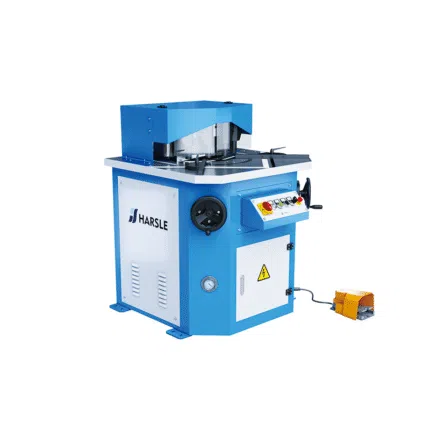
- Fixed Angle Cutter for Metal Precision CuttingThe Fixed Angle Cutter for Metal is designed for precise and efficient cutting of various metals at fixed…View details
- Fixed Angle Notcher Machine for Precision CuttingThe Fixed Angle Notcher Machine is designed for precise cutting and notching of sheet metal at fixed angles.…View details
- Adjustable Angle Aluminum Notching MachineHARSLE Aluminum Notching Machine is designed for precise and efficient corner cutting of aluminum sheets and profiles. With…View details
- V Notch Cutting Machine for Decorative Metal SheetsThe V Notch Cutting Machine is designed for precise grooving and trimming of stainless steel, aluminum, and other…View details
- Top Notching Machine Works Sheet Metal EquipmentHARSLE Top Notching Machine Works Sheet Metal Equipment delivers high precision, reliability, and efficiency for all your metal…View details
- High-Efficiency Notching Machine for Pipe CuttingThe HARSLE Notching Machine for Pipe offers precise, efficient, and consistent notching for round, square, or rectangular tubes.…View details
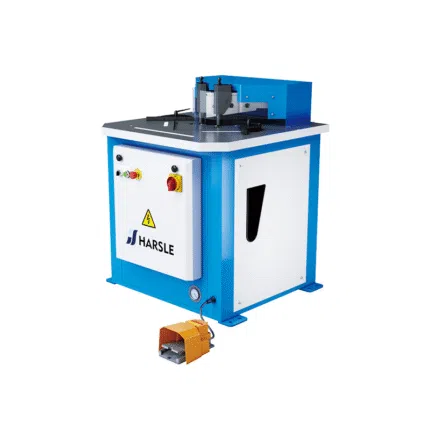
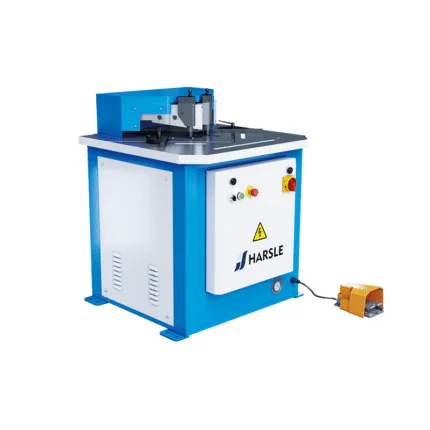
- Robotic Smart Bending Cell for Cabinet ProductionThis Robotic Smart Bending Cell for Cabinet Production is an advanced automated bending solution designed for high-precision, high-efficiency…View details
- Panel Bender for Electrical Enclosures ProductionThe HARSLE Panel Bender for Electrical Enclosures delivers precision and productivity in cabinet manufacturing. Designed for sheet metal…View details
- Panel Bender for Kitchen Equipment ProductionThe Panel Bender for Kitchen Equipment by HARSLE offers precision, automation, and consistency in producing stainless steel panels…View details
- Panel Bender for Furniture Industry SolutionsThe Panel Bender for Furniture Industry by HARSLE delivers high-precision and efficient bending for metal panels used in…View details
- High-Speed Sheet Metal Panel Bender for Industrial UseHARSLE Sheet Metal Panel Bender is engineered for precision and efficiency in modern metal fabrication. Featuring advanced CNC…View details
- High Precision CNC Panel Bender for Metal SheetsThe CNC Panel Bender is an advanced bending solution designed for high-precision sheet metal fabrication. With automated control…View details
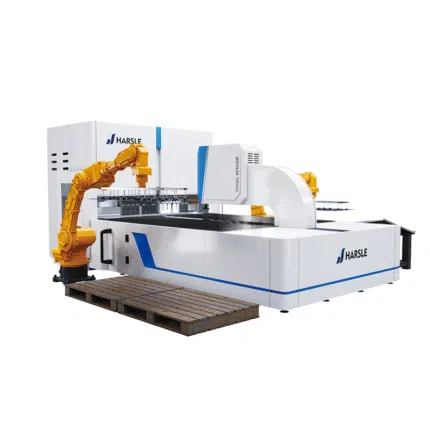
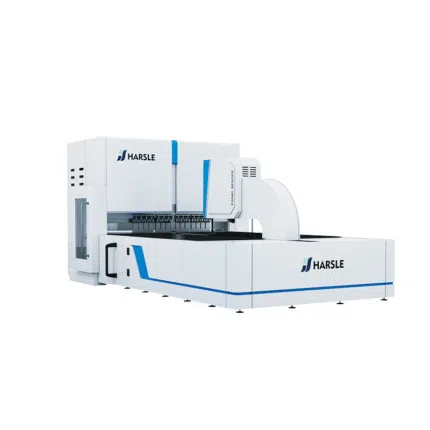
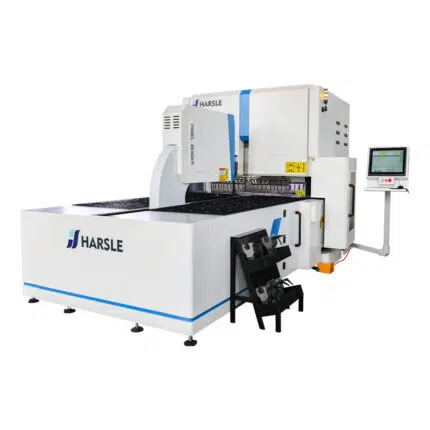
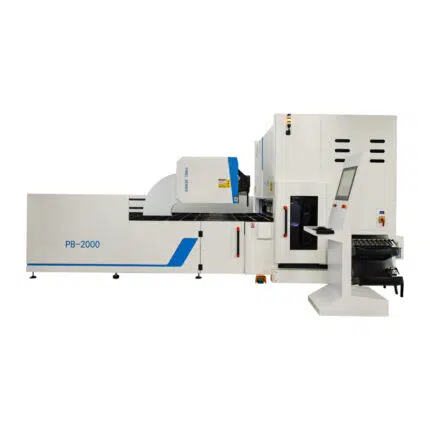
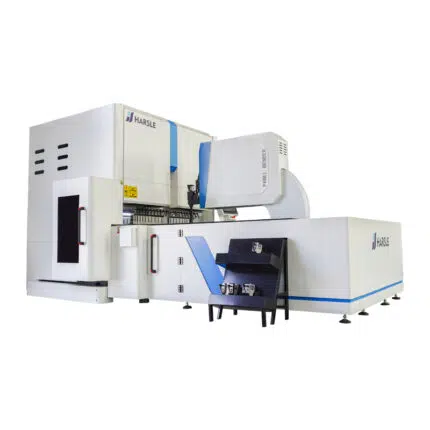
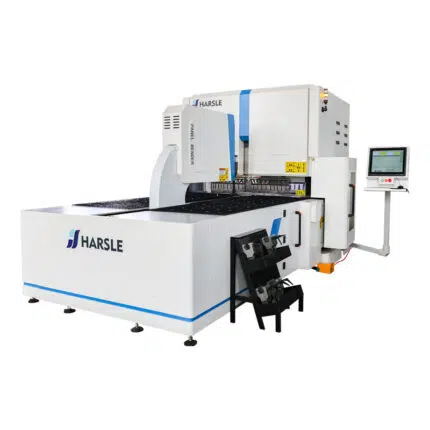
- E-Bend 3512 Servo Electric Press Brake with DA66SThe E-Bend 3512 Servo Electric Press Brake is a compact and precise bending solution designed for modern sheet…View details
- 110 Ton Electric Press Brake for Precise BendingThe 110 Ton Electric Press Brake is designed for accurate sheet metal bending. With energy-efficient electric control, it…View details
- 50 Ton Electric Press Brake for Precision BendingThe 50 ton electric press brake is designed for high-precision sheet metal bending with energy-efficient electric drive technology.…View details
- HARSLE E-Bend 3512 with DA58Tx Electric Press BrakeThe HARSLE E-Bend 3512 with DA58Tx is a high-accuracy electric press brake designed for small to medium-sized sheet…View details
- E-Bend 0302 with ET10 Controller Press BrakeThe E-Bend 0302 with ET10 Controller is a fully electric press brake designed for precision bending in modern…View details
- High-Accuracy CNC Metal Bending Machine for WorkshopsThis CNC metal bending machine delivers high accuracy, strong stability, and efficient performance for modern metal fabrication. Designed…View details
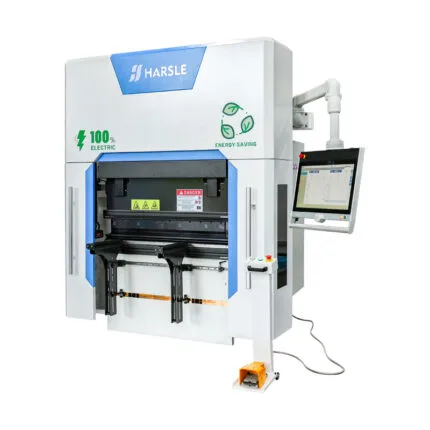
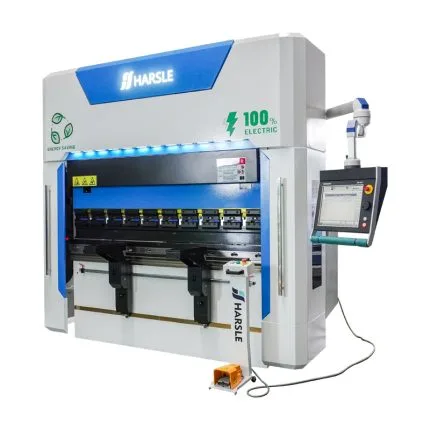
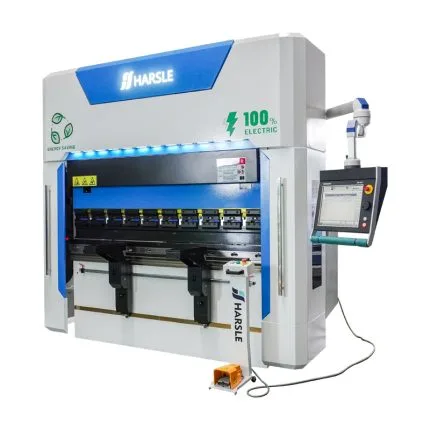
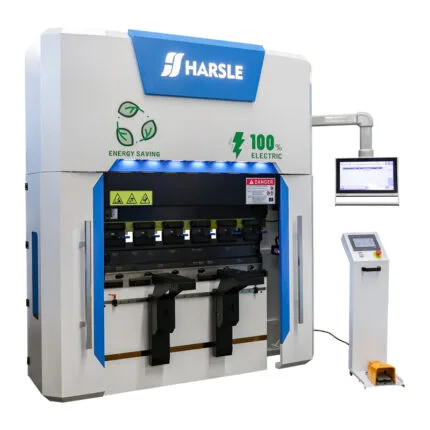
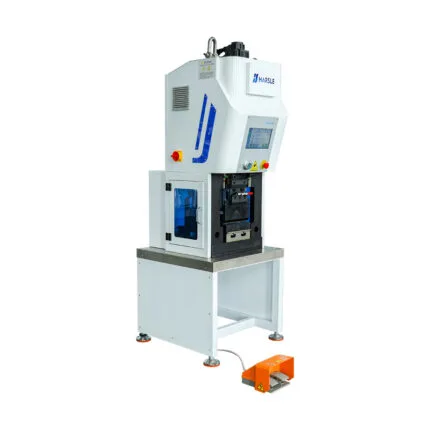
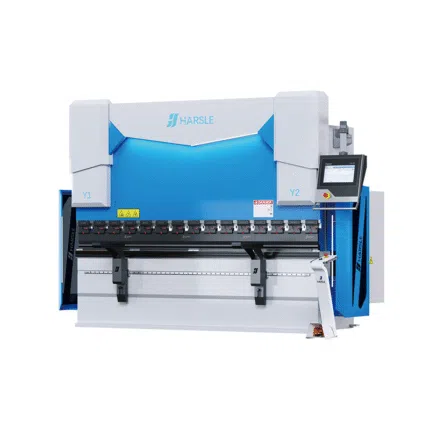
- High-Performance Electric Groove Machine for MetalworkingThe HARSLE Electric Groove Machine is designed for high-precision groove cutting in metalworking. Perfect for a variety of…View details
- EcoGroove 4012 Horizontal Grooving Machine for PrecisionThe EcoGroove 4012 Horizontal Grooving Machine is designed for precise and efficient sheet metal grooving. With a processing…View details
- Top V Grooving Machine Suppliers for Precision CutsFind top V Grooving Machine Suppliers offering high-quality, precise cutting solutions for sheet metal fabrication. Our V grooving…View details
- Find the Best V Groove Cutter Machine Price TodayV Groove Cutter Machine Price is crucial for businesses looking to optimize metal cutting. HARSLE offers high-precision, cost-effective…View details
- High Cost Efficient Vertical V Grooving MachineThe high cost efficient vertical V grooving machine is designed for precision V-grooving in sheet metal fabrication. It…View details
- High Efficiency V Grooving Machine for Sheet MetalThe V Grooving Machine for Sheet Metal is designed for high precision grooving and bending, offering clean, accurate…View details
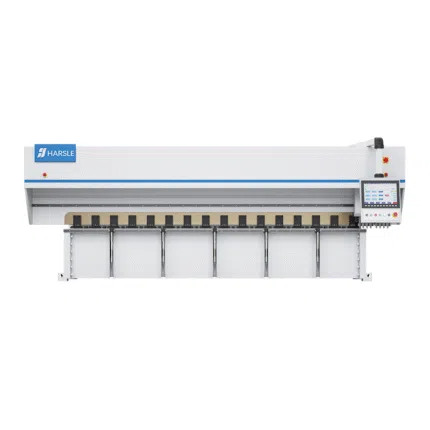
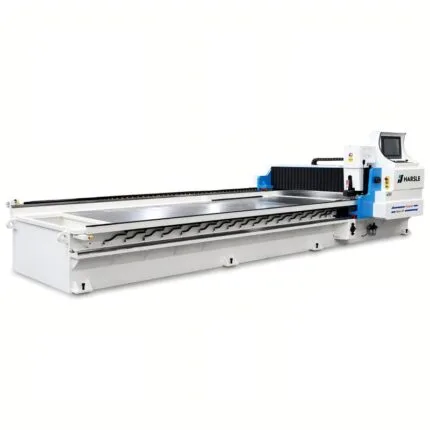
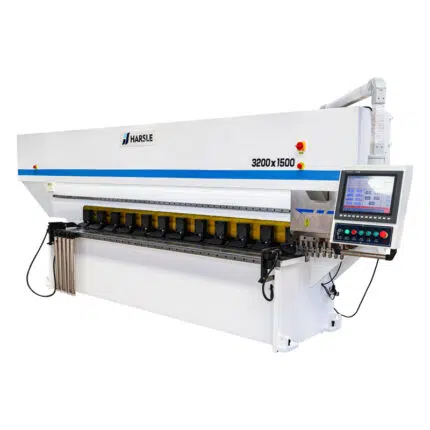
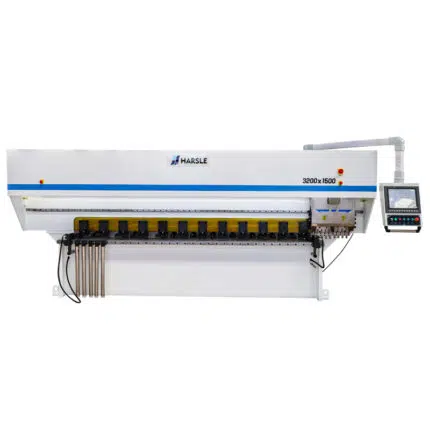
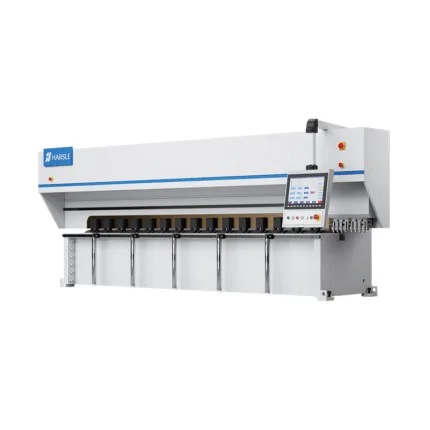
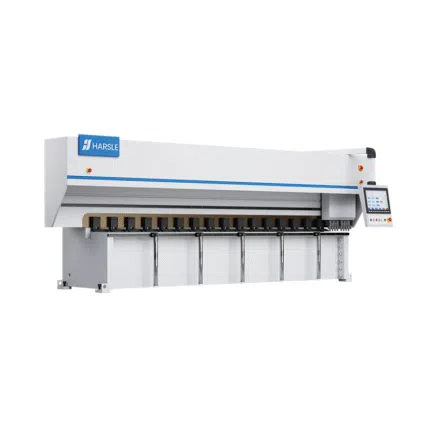
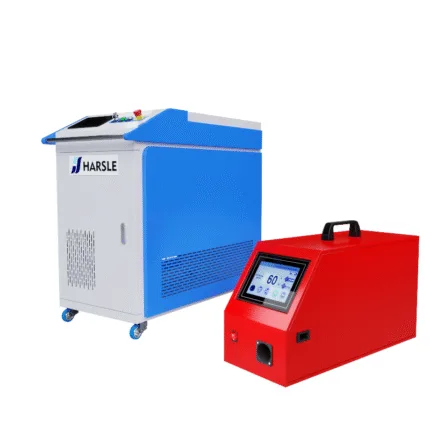
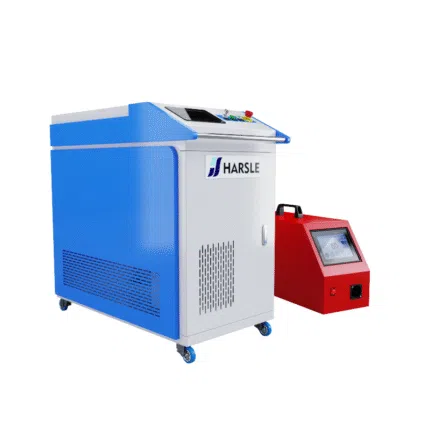
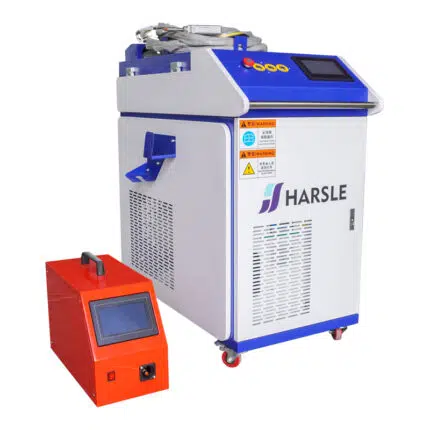
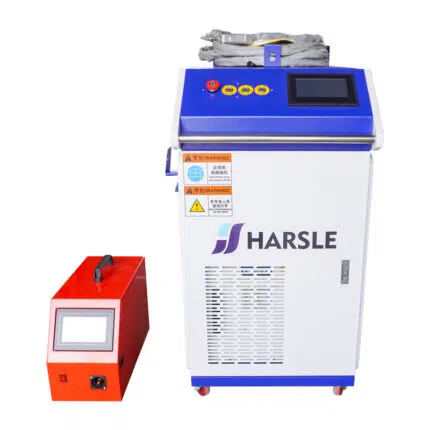
- Top China Laser Welding Machine Manufacturers for IndustryHARSLE is one of the leading China laser welding machine manufacturers, providing high-quality and cost-effective solutions for industrial…View details
- 3 in 1 Fiber Laser Welding Machine for Precision WorkThe 3 in 1 fiber laser welding machine integrates welding, cutting, and cleaning functions in one device. It…View details
- High-Efficiency 2KW Laser Welding Machine for SaleDiscover HARSLE’s 2KW laser welding machine, ideal for precise, high-speed metal joining. This powerful solution offers deep penetration,…View details
- Top 1500W Laser Welding Machine ManufacturersDiscover top-tier 1500W laser welding machine manufacturers offering precision, efficiency, and durability. Ideal for metal fabrication, automotive, and…View details
- Reliable 3000W Laser Welding Machine SuppliersHARSLE is one of the leading 3000W laser welding machine suppliers, offering high-performance equipment for precise and efficient…View details
- Multifunction 5 in 1 Handheld Laser Welding MachineThe 5 in 1 handheld laser welding machine offers welding, cutting, cleaning, polishing, and seam welding functions in…View details
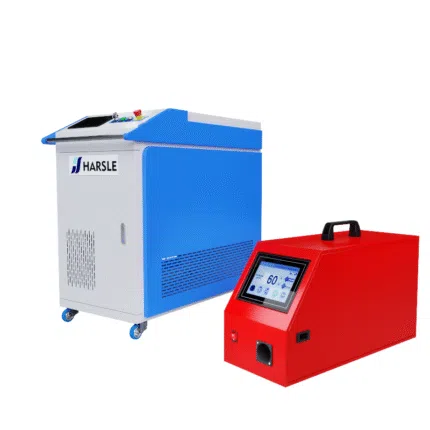
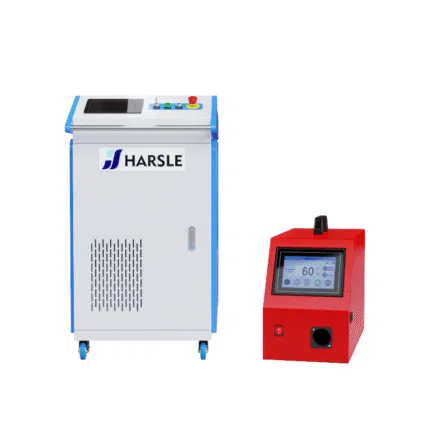
- Electric Chamfering Machine for Metal EdgesThe electric chamfering machine is designed for fast and precise edge beveling of metal sheets, plates, and bars.…View details
- Aluminum Deburring Machine for Laser Cut PartsThe Aluminum Deburring Machine from HARSLE is designed for efficient edge finishing, burr removal, and surface smoothing of…View details
- DualPolish 800 for Laser Cut Parts Edge FinishingThe DualPolish 800 is a versatile deburring and chamfering machine designed specifically for laser-cut parts. With its precision…View details
- Magnetic Deburring Polishing Machine for Laser Cut PartsThe magnetic deburring polishing machine is specially designed for finishing sheet metal parts after laser cutting. It efficiently…View details
- Flat Metal Deburring Machines for Sheet ProcessingFlat metal deburring machines are designed to remove sharp edges, burrs, and slag from sheet metal parts after…View details
- Deburring Wheel Machine for Metal Edge FinishingThe deburring wheel machine is designed to efficiently remove burrs, sharp edges, and surface imperfections from metal parts…View details
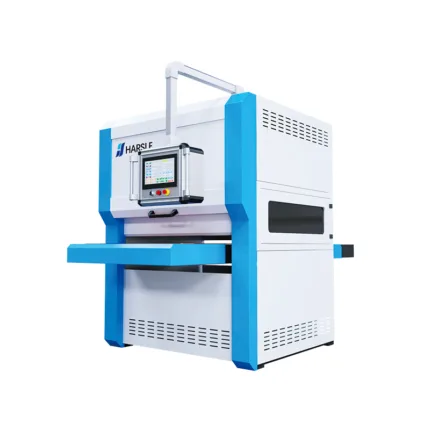
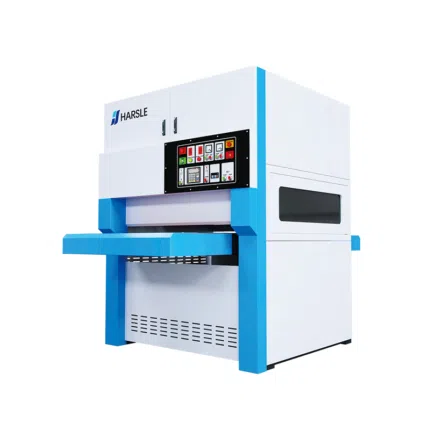
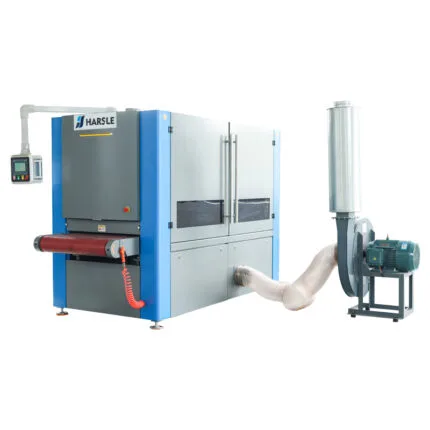
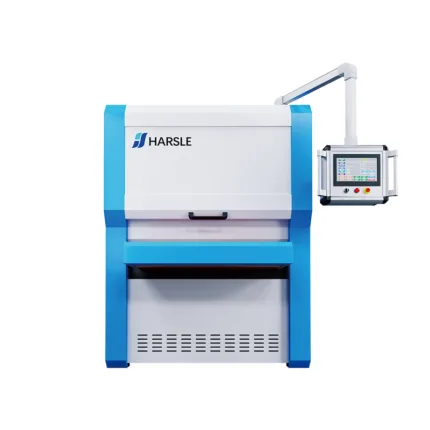
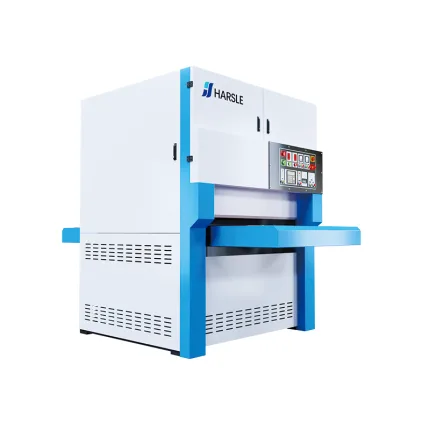
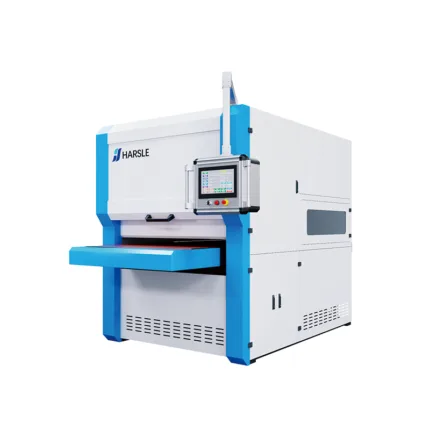
- Production Line Panel Flipper for Sheet HandlingThe Production Line Panel Flipper is designed to improve efficiency and safety in sheet metal handling processes. It…View details
- Precision Panel Flipper for Sheet Metal HandlingThe Precision Panel Flipper is designed to improve efficiency and safety in sheet metal handling operations. It enables…View details
- Fabrication Panel Handler for Metal Handling AutomationThe Fabrication Panel Handler is designed to improve efficiency and safety in sheet metal fabrication workflows. It automates…View details
- Smart Panel Handling Solution for Sheet Metal AutomationThe Smart Panel Handling Solution is designed to improve efficiency and safety in modern sheet metal production lines.…View details
- Industrial Panel Flipping System for Metal FabricationThe Industrial Panel Flipping System is designed for efficient and safe handling of large sheet metal panels in…View details
- CNC Panel Flipper for Sheet Metal HandlingCNC Panel Flipper is an advanced sheet metal handling solution designed for safe, precise, and efficient panel rotation…View details
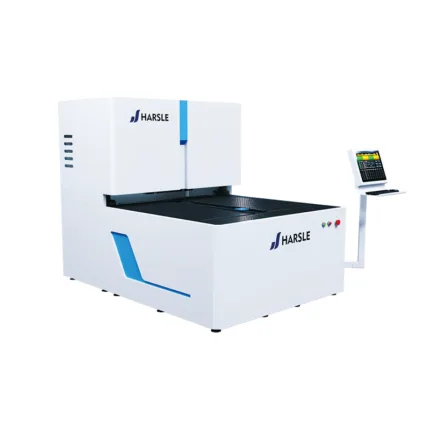
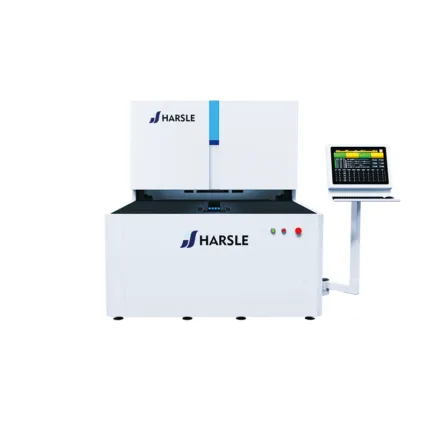
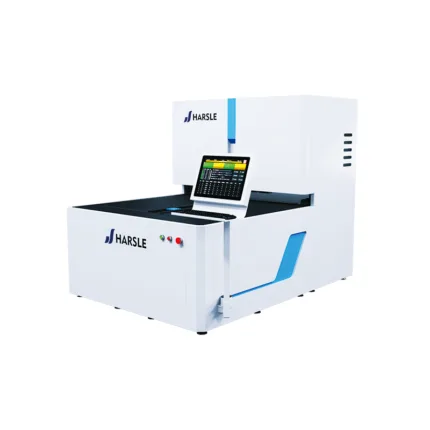
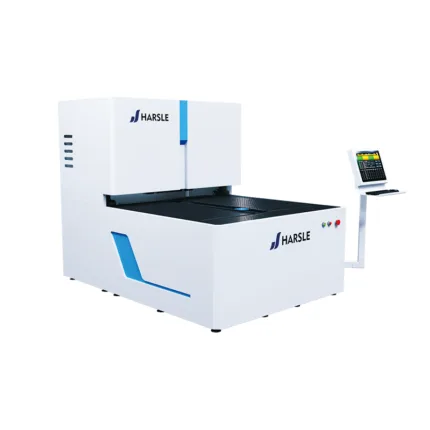
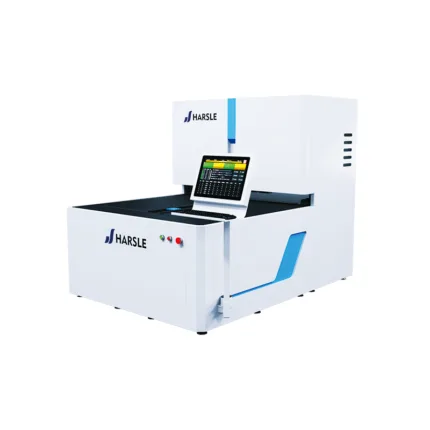
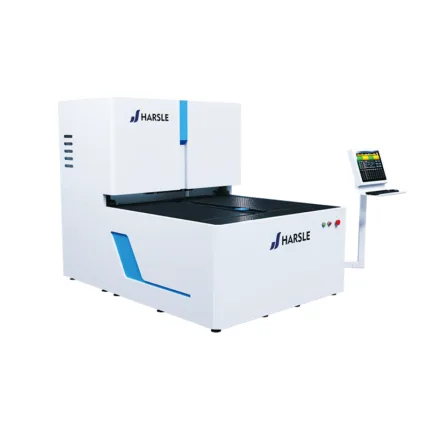
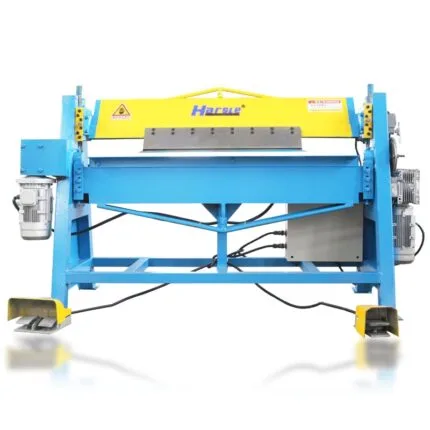
- Electric Folding Machine for Steel Door ProductionThe Electric Folding Machine for Steel Door Production is designed for efficient and precise folding of steel sheets.…View details
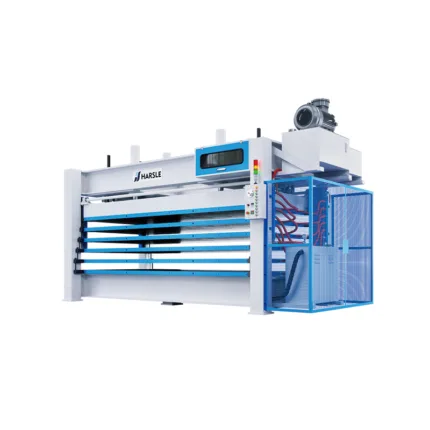
- Multi Layer Hot Press Machine for Industrial UseThe HARSLE Multi Layer Hot Press Machine is designed for efficient and stable hot pressing applications in wood…View details
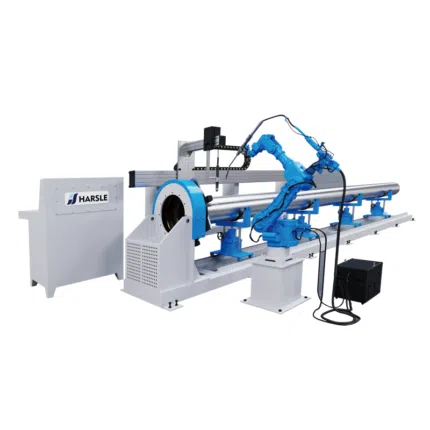
- 2in1 Welding and Cutting Workstation for Street Pole FabricationThe 2in1 Welding and Cutting Workstation is a compact and efficient solution designed for modern metal fabrication workshops.…View details
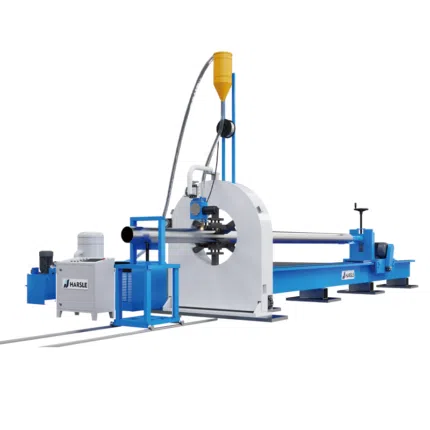
- Automatic Pole Welding Machine for Street Pole ProductionThe automatic pole welding machine is designed for efficient and precise longitudinal welding of steel light poles and…View details
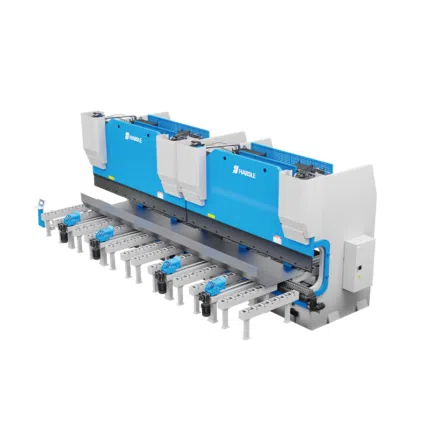
- Tandem Press Brake System for Extra-Long Street Pole SheetsA Tandem Press Brake System is designed for high-precision bending of extra-long and oversized metal sheets by synchronizing…View details
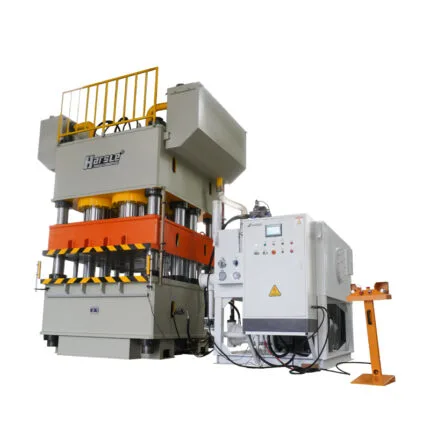
- Y32-2500 ton single-action steel door embossing machineThe Y32-2500 Ton Single-Action Steel Door Embossing Machine delivers powerful performance for embossing steel doors. With a robust…View details
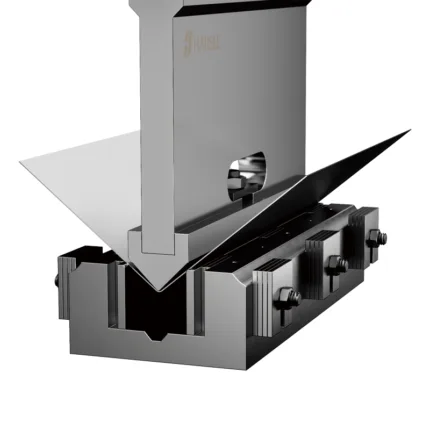
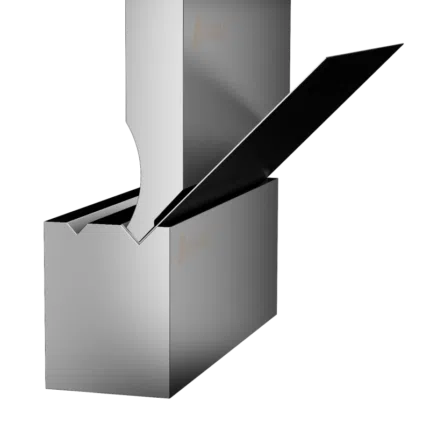
- Manual Adjustable Die for Press BrakeThe Manual Adjustable Die is a precision press brake tooling solution designed to improve bending accuracy and setup…View details
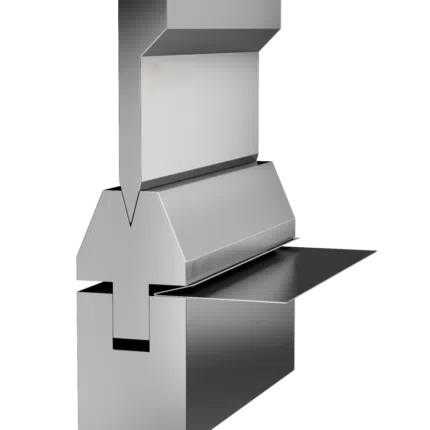
- Fixed-Beam Punch Quick-Change System for Press BrakesThe Fixed-Beam Punch Quick-Change System is designed to significantly reduce tool setup time and improve bending efficiency for…View details
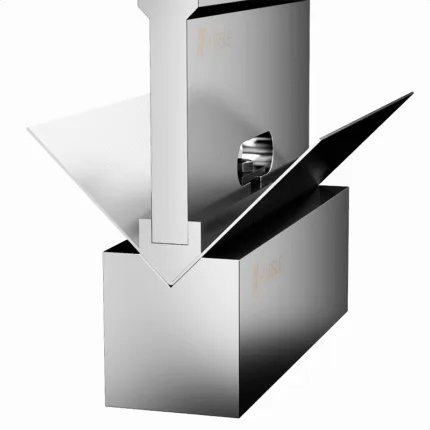
- Universal 4V Press Brake Die for Sheet Metal BendingHARSLE 4V Press Brake Die is designed for efficient and precise bending of metal sheets using CNC press…View details
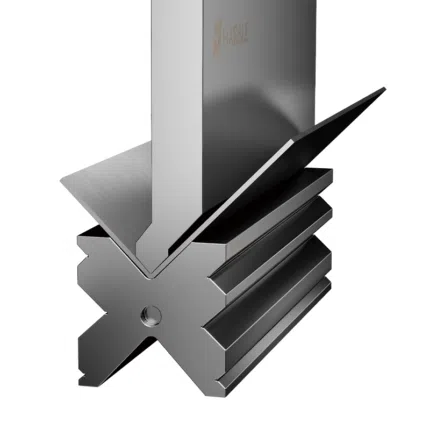
- Multi-V Die and Standard Punch for Press BrakeHARSLE's Multi-V Die and Standard Punch provide excellent versatility and precision for metal bending applications. Designed for press…View details
- High-Quality Standard Punch Tool for Precision WorkDiscover the Standard Punch Tool designed for precision and durability in metal fabrication. Engineered for accurate punching operations,…View details
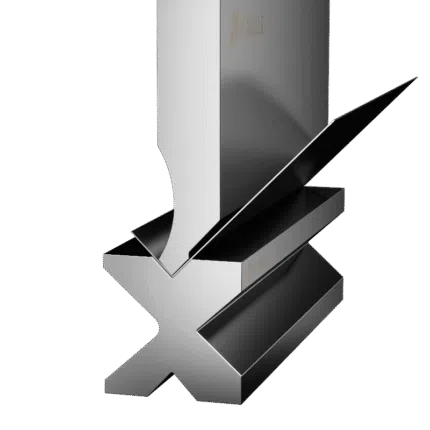
- High-Precision Hemming Punch and Die SetEnhance your sheet metal fabrication with our High-Precision Hemming Punch and Die Set. Designed for accuracy and durability,…View details
Challenges & Solutions
What Matters in Electrical Enclosures
Many sizes, small batches
Automatic tool setup on panel benders and offline programming on press brakes keep changeovers to minutes.
Square, gap-free corners
Corner notching plus accurate bend lengths make doors close evenly and seal properly.
Flat, stiff large panels
Panel benders keep the sheet flat on the table and form hems and return flanges that stiffen large doors.
Clean edges for coating
Deburring and laser welding reduce rework before powder coating.
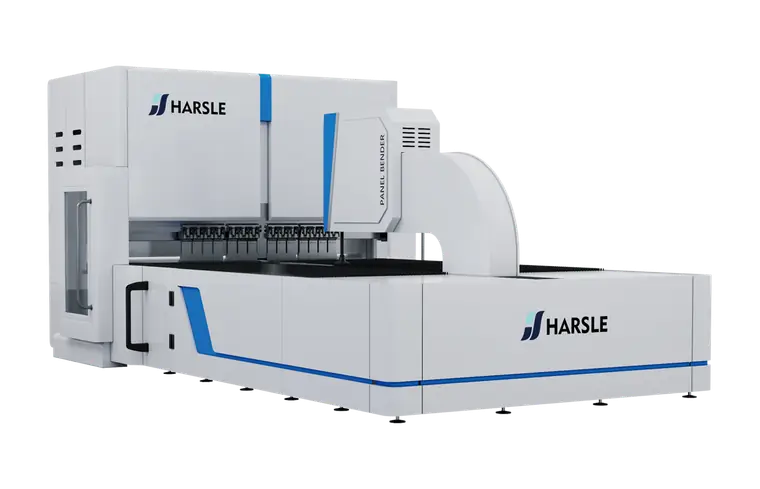
Automate Bending
Panel Bender for Electrical Enclosures
A HARSLE panel bender clamps the sheet flat and forms all four sides in one cycle with universal tooling — ideal for the repeat panels, doors and boxes found in electrical enclosures & cabinets.
- Bending length 1400–3000 mm (AutoBend)
- 0–180° bending angle, 0.2 s per bend
- Minimal operator skill, fast changeovers
Global Footprint
Shipments & Customer Stories
Every shipment and customer story HARSLE publishes appears here automatically. Filter by machine or country.
- 1,209Shipments published
- 118Destination countries
- 118Customer stories
- LiveUpdated as we ship
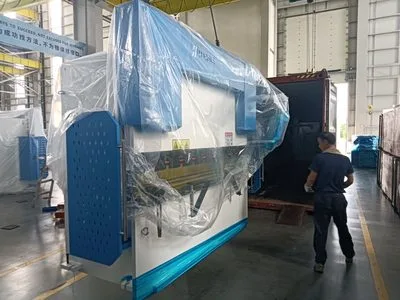
![UAE-Flexbend 25050 Press Brake]() ShippedUAE-Flexbend 25050 Press Brake
ShippedUAE-Flexbend 25050 Press Brake![Iran-Flexbend8032 Press Brake]() ShippedIran-Flexbend8032 Press Brake
ShippedIran-Flexbend8032 Press Brake![Mexico-MasterBend 20040 Press Brake]() ShippedMexico-MasterBend 20040 Press Brake
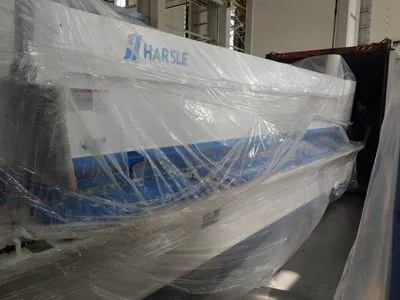
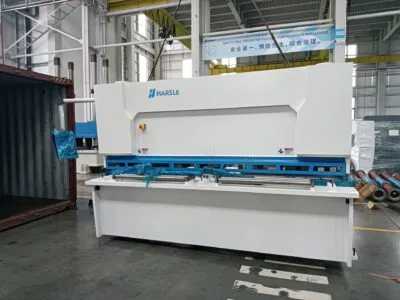
ShippedMexico-MasterBend 20040 Press Brake![Australia-PrimeShear 0632 Guillotine Shear With feeding table]() ShippedAustralia-PrimeShear 0632 Guillotine Shear With feeding table
ShippedAustralia-PrimeShear 0632 Guillotine Shear With feeding table![USA-Masterbend 30050 Press Brake]() ShippedUSA-Masterbend 30050 Press Brake
ShippedUSA-Masterbend 30050 Press Brake![USA-MasterBend 20032 Press Brake]() ShippedUSA-MasterBend 20032 Press Brake
ShippedUSA-MasterBend 20032 Press Brake![Brazil-Masterbend 17032 CNC Press Brake]() ShippedBrazil-Masterbend 17032 CNC Press Brake
ShippedBrazil-Masterbend 17032 CNC Press Brake![Russia-TiltPunchJ21-200T Punching Machine]() ShippedRussia-TiltPunchJ21-200T Punching Machine
ShippedRussia-TiltPunchJ21-200T Punching Machine![Ireland-QuadRoll 2516 Rolling Machine]() ShippedIreland-QuadRoll 2516 Rolling Machine
ShippedIreland-QuadRoll 2516 Rolling Machine![USA-DualPolish DMV1000 Deburring Machine]() ShippedUSA-DualPolish DMV1000 Deburring Machine
ShippedUSA-DualPolish DMV1000 Deburring Machine![Guatemala-QuadRoll 1630 Rolling Machine]() ShippedGuatemala-QuadRoll 1630 Rolling Machine
ShippedGuatemala-QuadRoll 1630 Rolling Machine![Serbia-MasterBend 6332 CNC Press Brake]() ShippedSerbia-MasterBend 6332 CNC Press Brake
ShippedSerbia-MasterBend 6332 CNC Press Brake![USA-E-Bend Pro 7025 Electric Press Brake]() ShippedUSA-E-Bend Pro 7025 Electric Press Brake
ShippedUSA-E-Bend Pro 7025 Electric Press Brake![Brazil-Flexbend 17032 Press Brake]() ShippedBrazil-Flexbend 17032 Press Brake
ShippedBrazil-Flexbend 17032 Press Brake![Zimbabwe-FlexBend 300T4000 CNC Press Brake]() ShippedZimbabwe-FlexBend 300T4000 CNC Press Brake
ShippedZimbabwe-FlexBend 300T4000 CNC Press Brake![Brazil-PrimeShear 0860 Guillotine Shear]() ShippedBrazil-PrimeShear 0860 Guillotine Shear
ShippedBrazil-PrimeShear 0860 Guillotine Shear![Argentina-EasyBend 8032 Hydraulic Press Brake]() ShippedArgentina-EasyBend 8032 Hydraulic Press Brake
ShippedArgentina-EasyBend 8032 Hydraulic Press Brake![USA-MasterBend 17040 CNC Press Brake]() ShippedUSA-MasterBend 17040 CNC Press Brake
ShippedUSA-MasterBend 17040 CNC Press Brake![Switzerland-PrimeShear 1232 Guillotine Shear]() ShippedSwitzerland-PrimeShear 1232 Guillotine Shear
ShippedSwitzerland-PrimeShear 1232 Guillotine Shear![Venezuela-Ecobend 17025 CNC Press Brake]() ShippedVenezuela-Ecobend 17025 CNC Press Brake
ShippedVenezuela-Ecobend 17025 CNC Press Brake![Indonesia-Q11D-13X2500 Mechanical Guillotine Shearing Machine]() ShippedIndonesia-Q11D-13X2500 Mechanical Guillotine Shearing Machine
ShippedIndonesia-Q11D-13X2500 Mechanical Guillotine Shearing Machine![Algeria-Ecobend 6325 CNC Press Brake]() ShippedAlgeria-Ecobend 6325 CNC Press Brake
ShippedAlgeria-Ecobend 6325 CNC Press Brake![Finland-Flexbend 80T2000 CNC Press Brake]() ShippedFinland-Flexbend 80T2000 CNC Press Brake
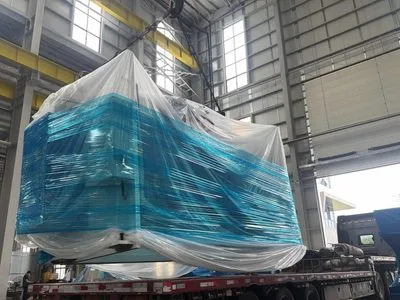
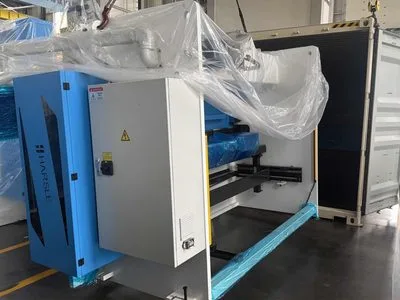
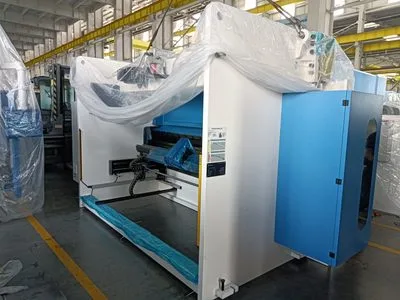
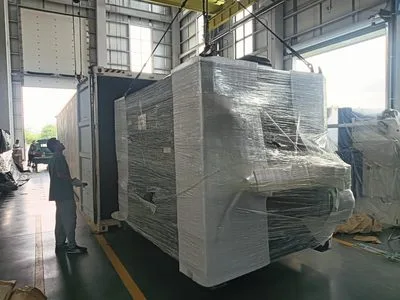
ShippedFinland-Flexbend 80T2000 CNC Press Brake![Brazil-Autobend 2000 Panel Bender]() ShippedBrazil-Autobend 2000 Panel Bender
ShippedBrazil-Autobend 2000 Panel Bender
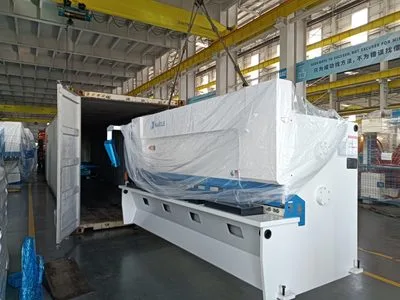
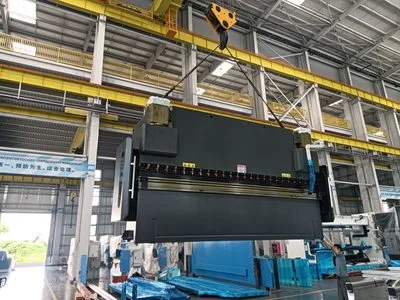
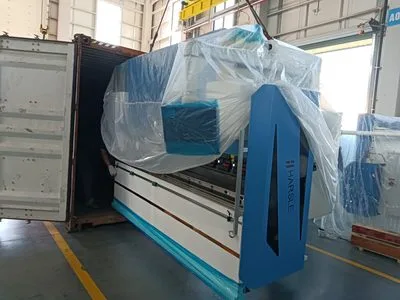
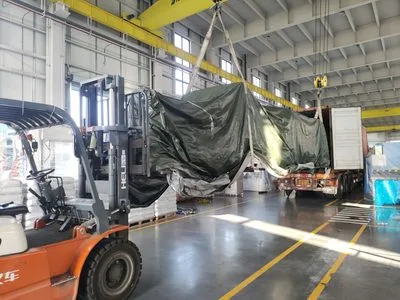
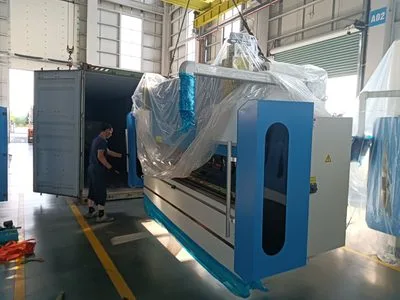
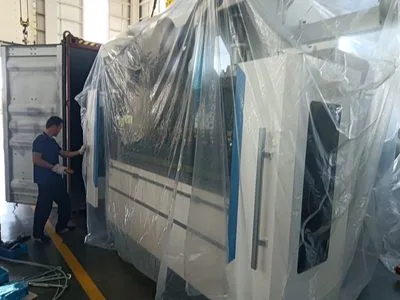
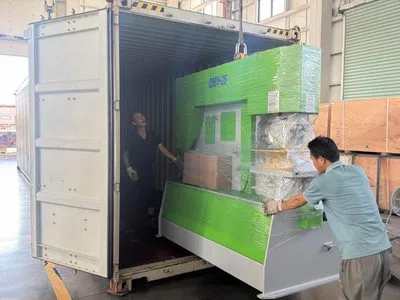
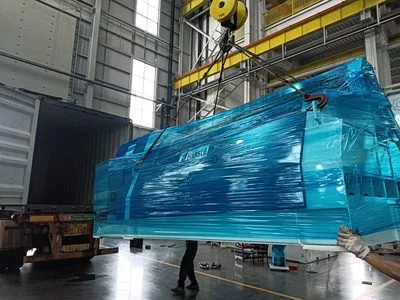
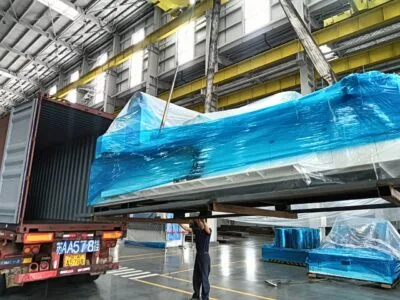
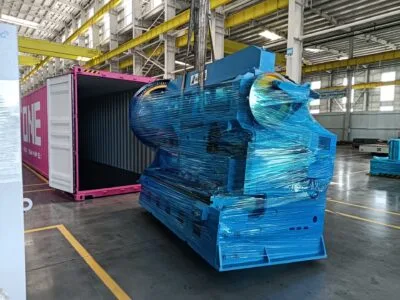
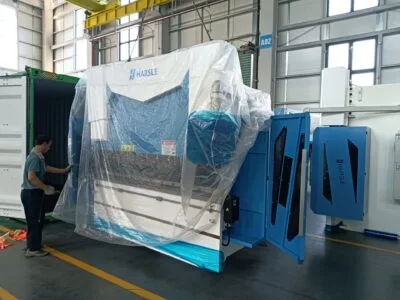
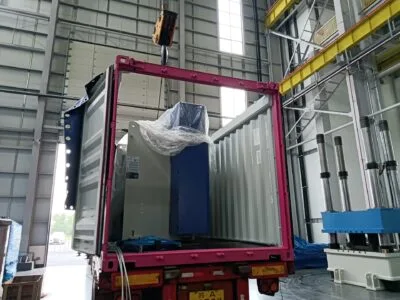
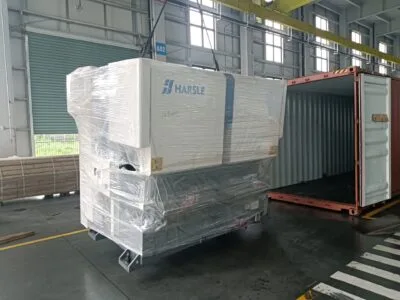
No shipments match this filter yet.
![HARSLE Press Brake Software Upgrade Unlocks US Client Potential]() StoryHARSLE Press Brake Software Upgrade Unlocks US Client Potential
StoryHARSLE Press Brake Software Upgrade Unlocks US Client Potential![HARSLE Panel Bender Fast Setup Wins United States Praise]() StoryHARSLE Panel Bender Fast Setup Wins United States Praise
StoryHARSLE Panel Bender Fast Setup Wins United States Praise![HARSLE Tube Bending Machine Training Boosts Thailand Output]() StoryHARSLE Tube Bending Machine Training Boosts Thailand Output
StoryHARSLE Tube Bending Machine Training Boosts Thailand Output![HARSLE Engineer Support Wins United States Client Praise]() StoryHARSLE Engineer Support Wins United States Client Praise
StoryHARSLE Engineer Support Wins United States Client Praise![On-Site Engineer Support Secures Lebanese Long-Term Deal]() StoryOn-Site Engineer Support Secures Lebanese Long-Term Deal
StoryOn-Site Engineer Support Secures Lebanese Long-Term Deal![Lebanese Client Applauds HARSLE Press Brake Quality]() StoryLebanese Client Applauds HARSLE Press Brake Quality
StoryLebanese Client Applauds HARSLE Press Brake Quality![CSA-Compliant Shearing Machine Delights Canadian Client]() StoryCSA-Compliant Shearing Machine Delights Canadian Client
StoryCSA-Compliant Shearing Machine Delights Canadian Client![Successful Factory Acceptance Test for Chile Client]() StorySuccessful Factory Acceptance Test for Chile Client
StorySuccessful Factory Acceptance Test for Chile Client![High Efficiency Bending Solution Improves Greece Output]() StoryHigh Efficiency Bending Solution Improves Greece Output
StoryHigh Efficiency Bending Solution Improves Greece Output![Smooth Tube Bender Delivery Experience for Seville Customer]() StorySmooth Tube Bender Delivery Experience for Seville Customer
StorySmooth Tube Bender Delivery Experience for Seville Customer![Seville Client Applauds Press Brake Technical Support]() StorySeville Client Applauds Press Brake Technical Support
StorySeville Client Applauds Press Brake Technical Support![USA Customer Applauds HARSLE Professional Installation Service]() StoryUSA Customer Applauds HARSLE Professional Installation Service
StoryUSA Customer Applauds HARSLE Professional Installation Service![Arizona Endorses HARSLE’s Superior Machine Performance]() StoryArizona Endorses HARSLE’s Superior Machine Performance
StoryArizona Endorses HARSLE’s Superior Machine Performance![HARSLE Machines Delight Lebanon with High Performance]() StoryHARSLE Machines Delight Lebanon with High Performance
StoryHARSLE Machines Delight Lebanon with High Performance![Sioux Falls Success: Enhanced Production with HARSLE]() StorySioux Falls Success: Enhanced Production with HARSLE
StorySioux Falls Success: Enhanced Production with HARSLE![HARSLE Machine Success with United States Loyal Customer]() StoryHARSLE Machine Success with United States Loyal Customer
StoryHARSLE Machine Success with United States Loyal Customer
America-Customer-Feedback-2-400x281.jpg.webp)
America-Customer-Feedback-1-400x281.jpg.webp)
Thailand-Customer-Feedback-400x281.jpg.webp)
America-Customer-Feedback-400x281.jpg.webp)
Greece-Customer-Feedback-400x281.jpg.webp)
Lebanon-Customer-Feedback-400x281.jpg.webp)
Canada-Customer-Feedback-400x281.jpg.webp)
Chile-Customer-Feedback-400x281.jpg.webp)
Greece-Customer-Feedback-400x281.jpg.webp)
Spain-Customer-Feedback-1-400x281.jpg.webp)
Spain-Customer-Feedback-400x281.jpg.webp)
America-Customer-Feedback-400x281.jpg.webp)
America-Customer-Feedback-1-400x281.jpg.webp)
Lebanon-Customer-Feedback-400x281.jpg.webp)
United-States-Customer-Feedback-400x281.jpg.webp)
United-States-Customer-Feedback-400x281.jpg.webp)
No stories match this filter yet.
Knowledge Center
Electrical Enclosures Guides
- How to Complete Laser Enclosure Installation Correctly?
- How to Clean Shearing Machine Electrical Cabinet?
- How to Improve Airflow for Tube Bender Electrical Cabinet Cooling?
- What Are the Benefits of a Panel Bender in Electrical Cabinets?
- How Can V Grooving Machines in HVAC Equipment Enclosure Reduce Costs and Waste?
- How to Best Use V Grooving Machines in Home Appliance Enclosure?
FAQ
Frequently Asked Questions
Common questions about machines and processes for electrical enclosures & cabinets.
What machines are needed to make electrical enclosures?
A typical enclosure workshop needs a blank-cutting machine (fiber laser or CNC punching machine), a corner notcher, a bending machine (panel bender and/or CNC press brake), a welding solution (laser welding or TIG) and a deburring machine before powder coating.
Panel bender or press brake for enclosure doors?
For doors, covers and side panels with flanges on all four sides, a panel bender is faster and needs less operator skill because it rotates the sheet itself. A CNC press brake is more flexible for frames, narrow profiles, small parts and thicker mounting plates. Many enclosure makers use both.
What sheet thickness is used for electrical cabinets?
Most indoor cabinets use 1.0–2.0 mm cold-rolled or galvanized steel; mounting plates are often 2.0–3.0 mm, and outdoor or hygienic enclosures use 1.2–2.0 mm stainless steel 304/316.
Can HARSLE supply a complete enclosure production line?
Yes. HARSLE configures turnkey lines from laser cutting and punching to panel bending, press brakes, welding and deburring — see the Electrical Enclosure Manufacturing Line page for a typical layout.
How are louvers and knockouts produced?
Louvers and knockouts are usually formed on a CNC punching machine with forming tools; laser cutting is preferred for prototype and mixed-size runs because it needs no special tooling.
More Applications
Other Industries We Equip
 Elevator Doors & Cabins
 HVAC Equipment & Ductwork
 Commercial Kitchen & Food Service Equipment
 Office & Metal Furniture
- Medical & Laboratory Equipment
- Automotive Parts & Vehicles
- Aerospace Components
- Shipbuilding & Marine
 Construction, Facades & Interiors
- Home Appliances
- Sheet Metal Fabrication & Job Shops
- Signage, Advertising & Displays
- Tube & Pipe Processing
- Pressure Vessels, Tanks & Oil and Gas
 Wind, Solar & Power Equipment
 Heavy Machinery & Agricultural Equipment
- Production Line Solutions




Get Started
Request a Quote
Tell us about your electrical enclosures & cabinets — our engineers will recommend the machines and layout.
- Machine SelectionModel, series and options matched to your parts
- Technical SupportBend feasibility checked on your drawings
- Detailed QuotationPrice, lead time, shipping and installation
- 24-Hour ResponseA real engineer replies within one business day
Tip: mention your material, thickness, largest part size and yearly volume for the most accurate quote.


