


مكبس هيدروليكي Service Life Maintenance is one of the most important factors in keeping industrial hydraulic presses reliable, efficient, and cost-effective over many years of operation. When a hydraulic press is properly maintained, critical components such as hydraulic systems, cylinders, pumps, valves, sensors, and mechanical structures can maintain stable performance and avoid premature failure. If you want to understand how regular maintenance extends equipment lifespan and reduces unexpected downtime, you are in the right place. In this article, I’ll explain the key maintenance practices that help improve hydraulic press durability, reduce repair costs, and maximize long-term machine performance.
لماذا مكبس هيدروليكي Service Life Maintenance Is Important
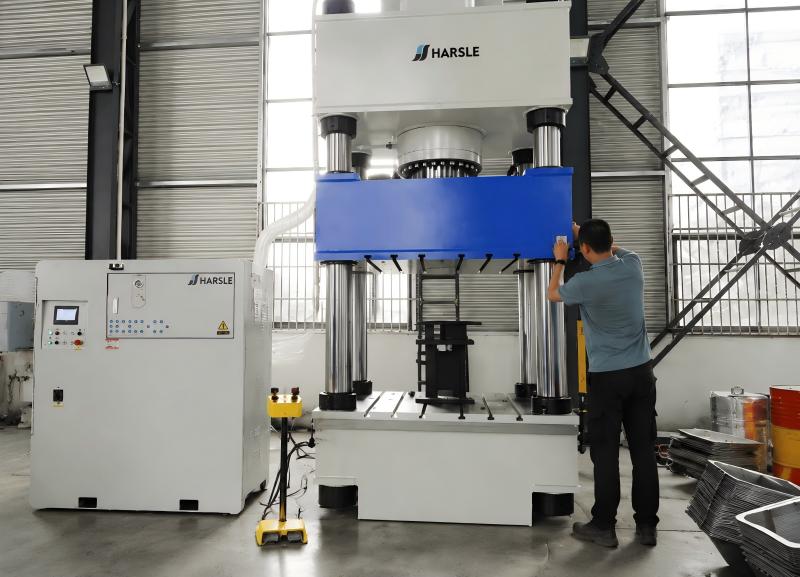
The Relationship Between Maintenance and Equipment Lifespan
A hydraulic press operates under high pressure and heavy loads, which means its components experience continuous stress during production. Without proper maintenance, small issues such as oil contamination, lubrication problems, or component wear can gradually develop into serious failures.
I consider preventive maintenance a long-term investment rather than a simple repair activity. Regular inspections and timely adjustments allow operators to identify potential problems before they affect production. This approach not only improves machine reliability but also significantly extends hydraulic press service life.
Common Causes That Reduce Hydraulic Press Lifespan
Several factors can shorten the service life of a hydraulic press, including:
- Contaminated hydraulic oil
- عدم كفاية التشحيم
- Excessive operating temperature
- Hydraulic leakage
- Worn seals and valves
- Poor electrical connections
- Incorrect operating procedures
Understanding these causes helps maintenance teams create effective strategies to protect machine performance.
How Maintenance Extends Hydraulic Press Service Life
Step 1: Maintain Hydraulic Oil Quality
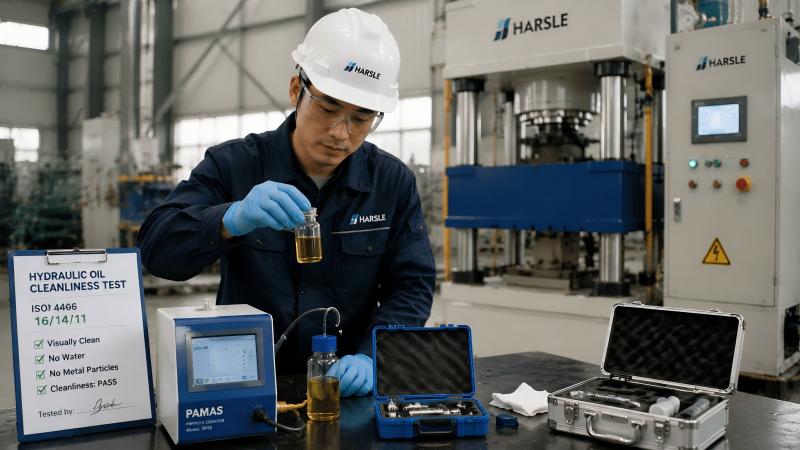
The hydraulic system is the power source of the press, and hydraulic oil plays a critical role in transferring force and lubricating internal components.
I recommend checking hydraulic oil condition regularly, including oil cleanliness, viscosity, color, and contamination levels. Dirty oil can damage pumps, valves, and cylinders by increasing friction and accelerating wear.
Replacing hydraulic oil and filters according to operating conditions helps maintain proper lubrication and prevents internal component damage. Clean hydraulic oil is one of the most effective ways to improve Hydraulic Press Service Life Maintenance results.
Step 2: Perform Regular Hydraulic System Inspections
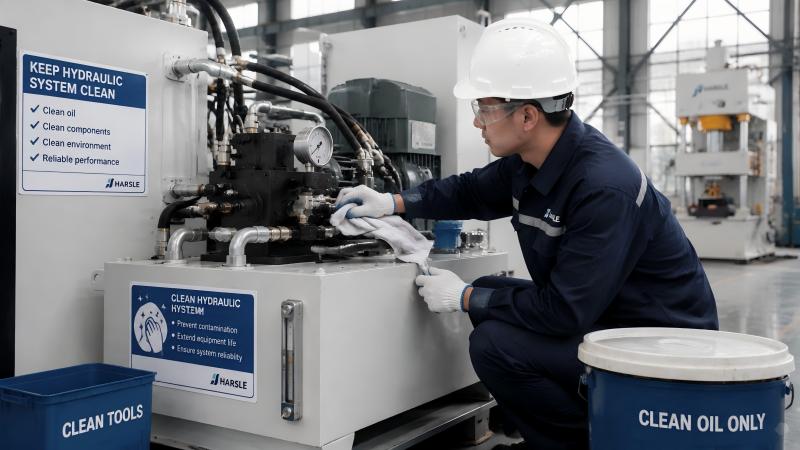
The hydraulic system contains many important components, including pumps, valves, cylinders, hoses, and pressure sensors. Any failure in these parts can reduce machine efficiency.
During routine inspections, I check for:
- Hydraulic oil leakage
- Abnormal pressure changes
- Unusual operating noise
- Slow cylinder movement
- Overheating problems
Early detection allows operators to repair small issues before they cause major system failures.
Step 3: Keep Moving Components Properly Lubricated
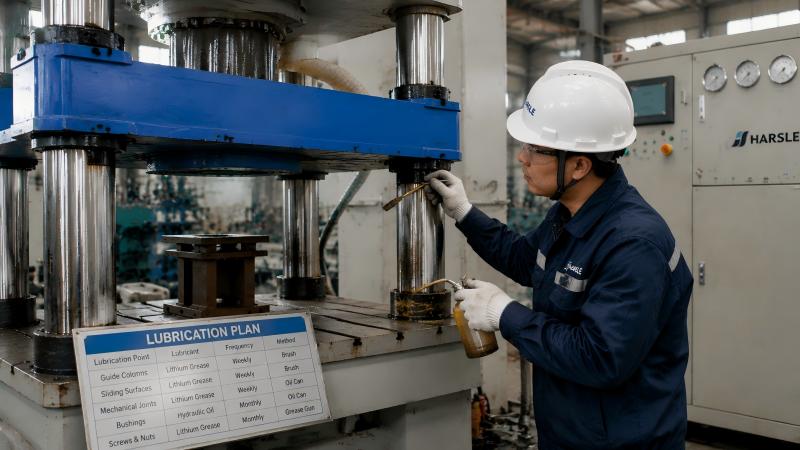
Mechanical parts such as guide columns, sliding surfaces, and moving connections require proper lubrication to reduce friction.
Insufficient lubrication increases wear between metal surfaces and may cause inaccurate movement or increased operating resistance. I recommend following the manufacturer’s lubrication schedule and using suitable lubricants for different components.
Proper lubrication helps maintain smooth operation and protects mechanical structures from premature damage.
Step 4: Monitor Hydraulic Press Operating Temperature
Temperature control is another important part of extending hydraulic press service life. Excessive heat can accelerate oil oxidation, damage seals, and reduce hydraulic system efficiency.
I recommend monitoring oil temperature during production and checking cooling systems regularly. If the hydraulic system operates at unusually high temperatures, inspect oil quality, filters, cooling devices, and possible internal leakage.
Maintaining a stable operating temperature helps prevent unnecessary wear and improves long-term reliability.
Step 5: Inspect Electrical Components and Sensors
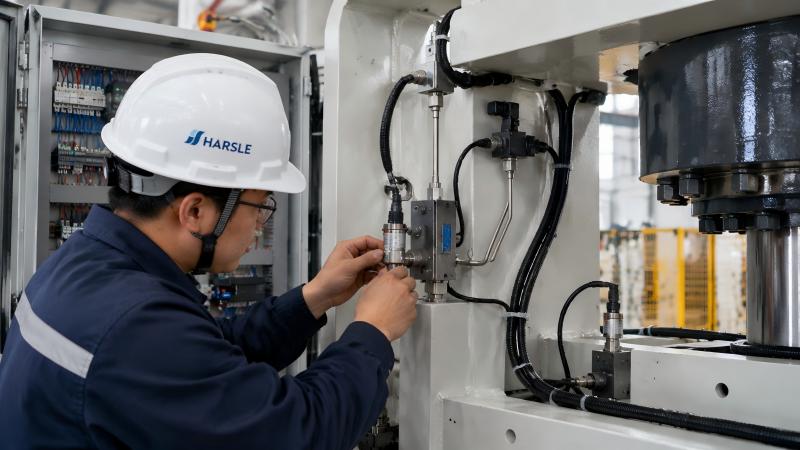
Modern hydraulic presses rely on electrical systems and sensors to control machine operation accurately. Damaged sensors or poor electrical connections can lead to incorrect signals and unstable performance.
Regular inspection should include:
- Sensor condition
- Wiring connections
- Control panel functions
- Electrical cabinet cleanliness
- Alarm records
Reliable electrical control supports accurate operation and reduces unexpected machine stoppages.
Step 6: Replace Worn Components Before Failure
Waiting until components completely fail often results in higher repair costs and longer downtime. Preventive replacement of worn seals, filters, hoses, and other critical parts can improve equipment availability.
I recommend tracking component condition through maintenance records and replacing parts based on actual wear conditions rather than waiting for emergency breakdowns.
Best Practices for Long-Term Hydraulic Press Reliability
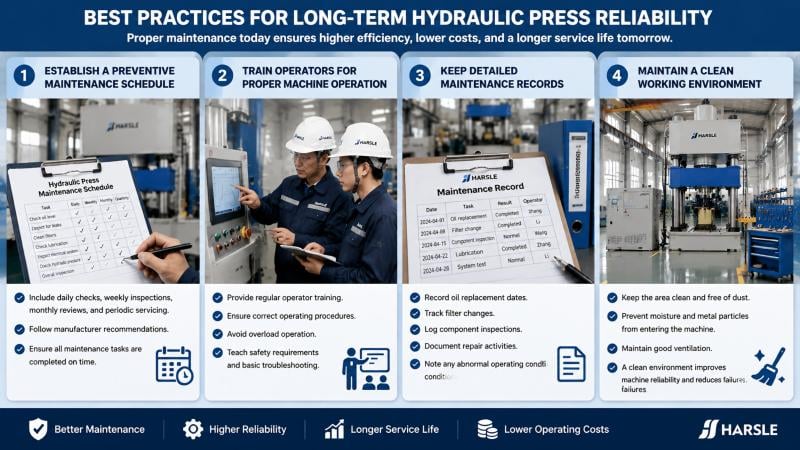
إنشاء جدول الصيانة الوقائية
A structured maintenance schedule is essential for achieving better Hydraulic Press Service Life Maintenance results. Maintenance plans should include daily checks, weekly inspections, monthly reviews, and periodic professional servicing.
A clear schedule ensures that important tasks are completed on time and reduces the risk of neglected maintenance.
Train Operators for Proper Machine Operation
Operators directly affect machine lifespan through daily operation. Incorrect settings, overload operation, or ignoring warning signals can accelerate equipment wear.
I recommend providing regular operator training so employees understand correct operating procedures, safety requirements, and basic troubleshooting methods.
احتفظ بسجلات الصيانة التفصيلية
Maintenance records provide valuable information about machine condition and repair history. I suggest recording:
- Oil replacement dates
- تغييرات الفلتر
- Component inspections
- Repair activities
- Abnormal operating conditions
These records help identify recurring problems and improve future maintenance planning.
Maintain a Clean Working Environment
Dust, moisture, and metal particles can affect hydraulic and electrical components. Keeping the production area clean reduces contamination risks and improves machine reliability.
A clean environment is especially important for hydraulic presses operating continuously in industrial production.
الأسئلة الشائعة
How does maintenance extend hydraulic press service life?
Regular maintenance prevents component wear, reduces contamination problems, improves lubrication, and allows operators to detect potential failures before serious damage occurs.
How often should hydraulic press maintenance be performed?
Maintenance frequency depends on machine usage, production conditions, and manufacturer recommendations. Regular inspections should always be performed based on actual operating requirements.
Which components need the most attention during hydraulic press maintenance?
Hydraulic oil, filters, pumps, valves, cylinders, seals, sensors, and lubrication points are key areas that require regular inspection.
خاتمة
فعال Hydraulic Press Service Life Maintenance is essential for maximizing machine reliability, reducing downtime, and lowering long-term operating costs. By maintaining hydraulic oil quality, inspecting critical components, monitoring operating conditions, and following preventive maintenance procedures, operators can significantly extend hydraulic press service life.
A well-maintained hydraulic press delivers more stable performance, higher production efficiency, and fewer unexpected failures. For more technical guidance on hydraulic press maintenance and troubleshooting, contact our team for professional support and solutions.


