


Podczas pracy z prasy krawędziowe, ensuring the safety of your workers and equipment is crucial. Press Brake External Hazards can pose significant risks if not properly managed. In this article, I’ll guide you through the key external hazards surrounding press brake operations and provide best practices to minimize these risks. Whether you’re a shop manager or an operator, understanding how to identify and mitigate external hazards is essential for maintaining a safe and efficient working environment.
Identifying Common External Hazards Near the Prasa krawędziowa
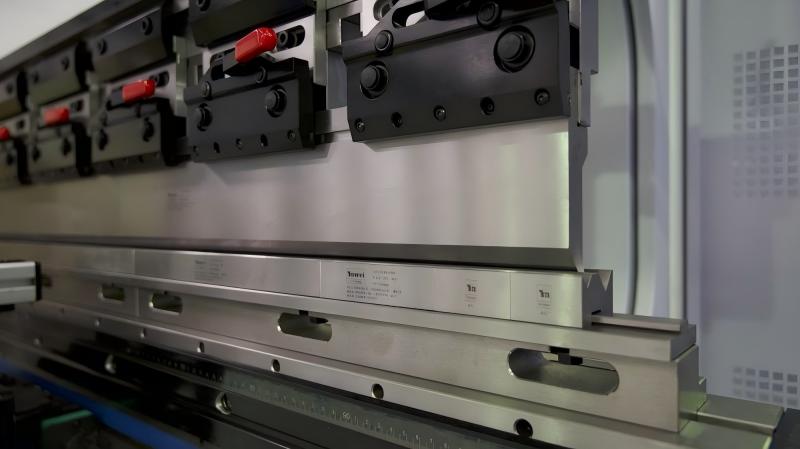
Risk of Flying Debris
One of the most common external hazards around press brakes is flying debris. During the bending process, metal particles or shavings can be ejected, which may cause injuries or damage equipment nearby. Installing protective barriers and shields can significantly reduce this risk.
Hydraulic Fluid Leaks
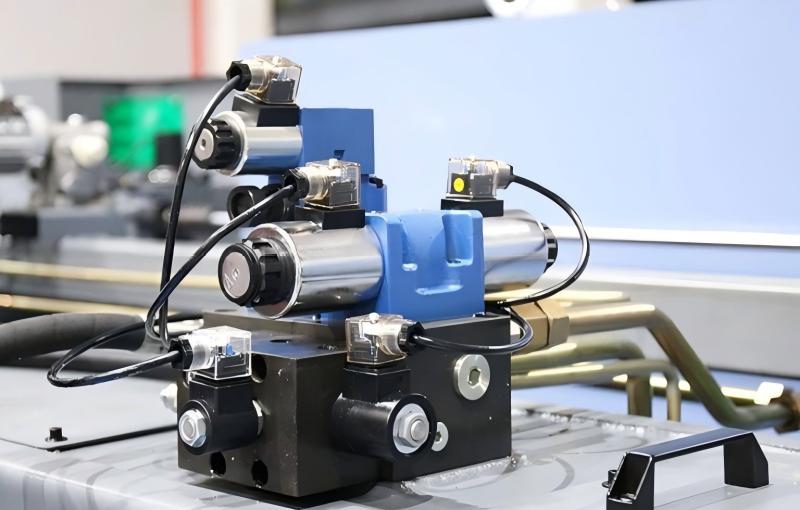
Another significant hazard is hydraulic fluid leaks, which can occur due to worn seals or damage to the hydraulic lines. These leaks pose not only a fire risk but also create slippery surfaces around the machine, increasing the chances of worker slips and falls. Regular maintenance and checks for hydraulic fluid leaks are essential for ensuring safety.
Electrical Hazards
The electrical components of a press brake, such as the control panel and motors, can also present hazards if not properly maintained. Exposed wires or malfunctioning electrical equipment can lead to electrical shock or fires. It’s essential to ensure that electrical wiring is properly insulated and that all components are inspected regularly for wear.
Best Practices to Minimize Press Brake External Hazards
Install Safety Barriers and Guards
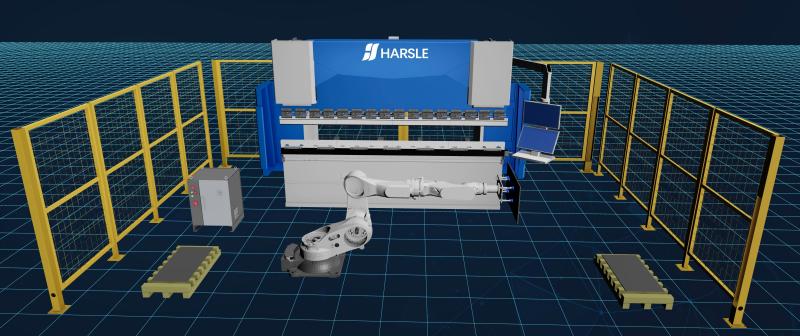
To protect workers from flying debris and other external hazards, it’s essential to install robust safety barriers and guards around the press brake. These protective barriers not only prevent unauthorized access to dangerous areas but also create a secure zone for operators, minimizing the risk of injury and ensuring a safer working environment.
Implement Routine Maintenance and Inspections
Routine checks and maintenance are essential to ensure that all components, especially hydraulic and electrical systems, are functioning properly. This includes checking for hydraulic leaks, inspecting electrical connections, and ensuring that safety mechanisms are in place and operational.
Use Proper Signage and Warning Systems
Clearly visible warning signs and safety instructions should be placed around the press brake to alert operators and other workers of potential dangers. These can include signs for slippery surfaces, high-pressure systems, or proximity to moving parts.
Train Employees on Safety Protocols
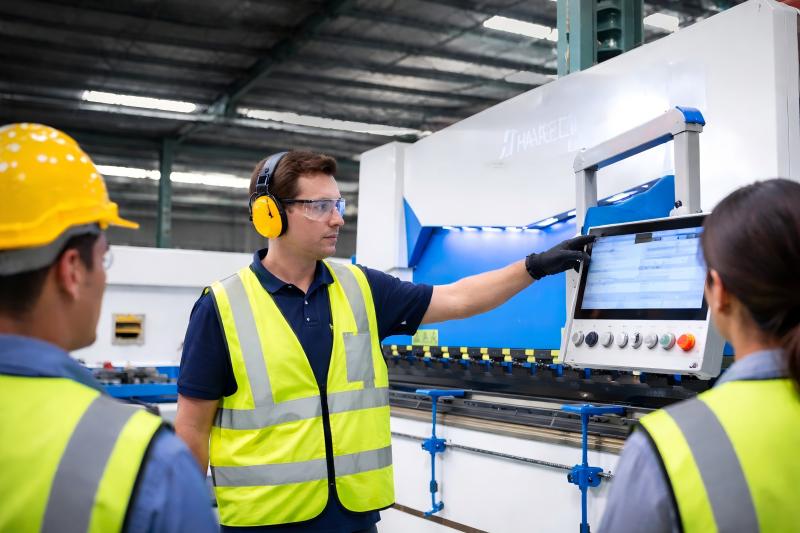
Providing regular safety training to all operators and nearby workers is essential to minimize hazards. Workers should be trained in the proper use of safety barriers, emergency procedures, and how to handle hydraulic or electrical failures safely.
Często zadawane pytania
What are the most common external hazards near a press brake?
Common external hazards include flying debris, hydraulic fluid leaks, electrical risks, and accidental exposure to moving parts. Proper safety barriers, routine maintenance, and employee training are key to mitigating these risks.
How often should press brakes be inspected for safety?
Press brakes should be inspected at least once a month for hydraulic leaks, electrical issues, and mechanical wear. However, high-use machines may require more frequent inspections.
What should I do if I detect a hydraulic oil leak?
Immediately stop the machine, clean up any spilled oil, and inspect the hydraulic system for leaks. Repair any faulty seals or lines before continuing operation. Make sure the area is dry to prevent slip hazards.
Wniosek
Minimizing external hazards around your press brake is critical for the safety of your workers and the longevity of your equipment. By installing safety barriers, performing routine maintenance, and educating staff, you can significantly reduce risks. Implementing these best practices will help create a safer, more efficient working environment, ensuring smooth operations and protecting both personnel and machinery.
For additional support or specific safety recommendations, feel free to reach out to our team. We are committed to helping you maintain a safe and productive workspace.


