


Podczas pracy z prasa krawędziowa, the safety of bended workpieces is of paramount importance. Ensuring proper handling not only reduces the risk of accidents but also maintains the integrity of the parts, which is crucial for the quality of the final product. Whether you’re an operator, a facility manager, or an engineer, understanding the correct procedures for handling bended workpieces is essential. This guide will walk you through the best practices for handling these materials safely, with a focus on proper lifting techniques, securing workpieces, and safe storage. By following these practices, you’ll minimize injuries, prevent damage, and optimize production efficiency.
Key Safety Guidelines for Handling Bended Workpieces
Step 1: Understand the Risks
Before handling any bended workpieces, it’s essential to understand the risks associated with the material, especially after bending. During the proces gięcia, metals can acquire sharp edges and, in some cases, elevated temperatures that pose potential hazards. These risks can lead to serious injuries, such as cuts, burns, or musculoskeletal damage, if not handled properly.
Handling Sharp Edges and Hot Metal
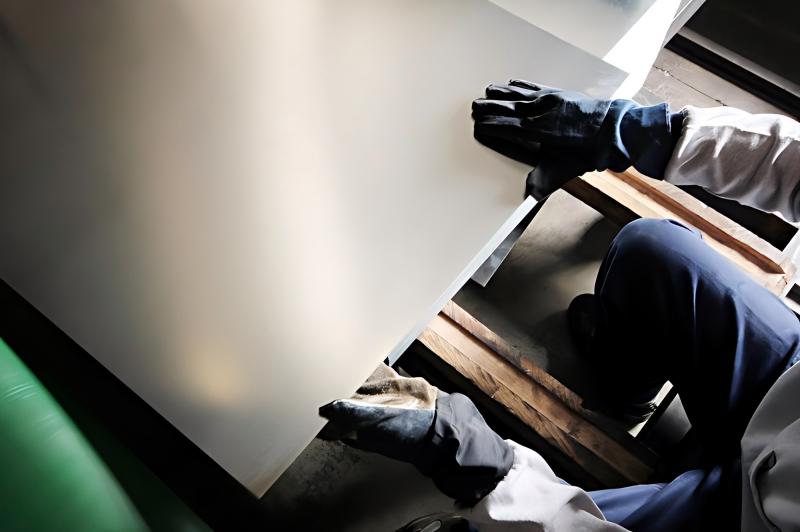
After bending, metal sheets may have sharp edges that could easily cause cuts. It’s essential to wear appropriate protective gear, such as gloves, long sleeves, and eye protection. Thick, cut-resistant gloves are a must to prevent direct contact with sharp edges. Additionally, if the material is heated due to the bending process, it is crucial to use heat-resistant gloves to handle hot workpieces. For workpieces that may remain hot for some time, using insulated tongs or heat shields can prevent burns.
Step 2: Use Proper Lifting Techniques
Correct lifting techniques are critical to avoid injuries, particularly when handling heavy or awkwardly shaped workpieces. Overexertion, improper posture, or attempting to lift pieces that are too heavy without proper assistance can result in strains, sprains, or even more severe injuries.
Lifting With Proper Posture
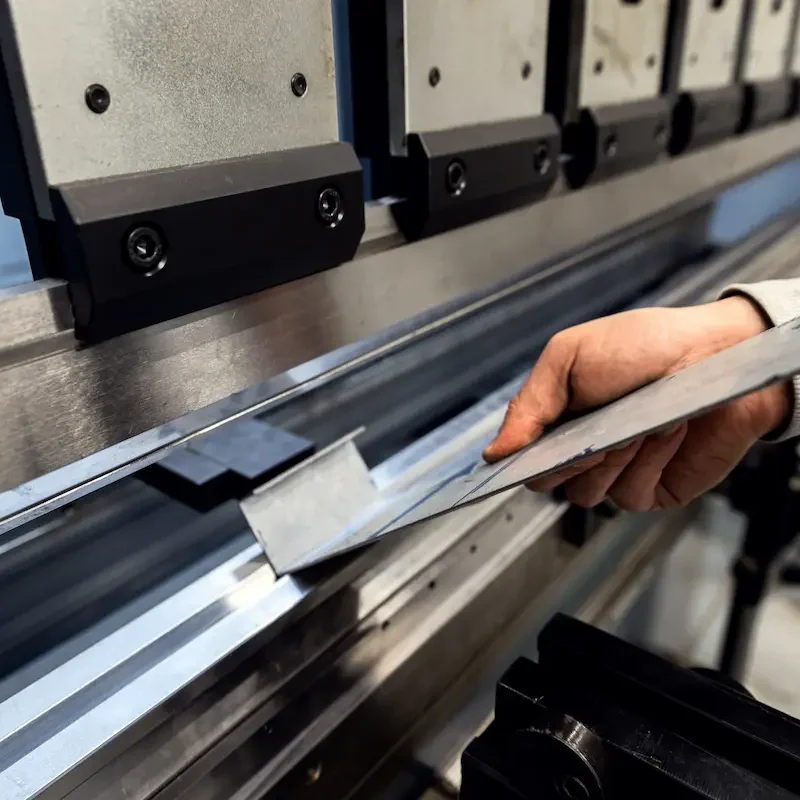
When lifting a bended workpiece manually, ensure to use proper lifting posture. Keep your back straight, engage your core muscles, and bend at the knees—not the waist. This prevents strain on your back and ensures the lift is done efficiently. If the piece is particularly heavy or cumbersome, always ask for assistance or use mechanical lifting equipment.
Using Lifting Equipment
For larger or heavier workpieces, lifting equipment such as overhead cranes, hoists, or forklifts should be used. These tools significantly reduce the strain on workers, improving safety and efficiency. It’s essential to ensure that the lifting straps, slings, or tongs used are rated to handle the weight and size of the workpieces. Always check the load capacity of the equipment before use and ensure that it is functioning properly.
Step 3: Secure Workpieces During Handling

Once a workpiece is lifted, securing it properly during transport is essential. An unsecured part can shift, fall, or cause injury to workers. Additionally, improper securing of workpieces can lead to distortion or damage during transportation, especially in high-pressure production environments.
Using Clamps and Tongs
For smaller workpieces, using clamps or tongs can ensure that the part is secure during transport. Tongs with padded grips are ideal for preventing damage to the material, while clamps can hold the part in place and prevent shifting. When using clamps, make sure they are positioned in a way that won’t cause distortion to the part. For larger pieces, consider using custom-designed clamps or rigging systems to hold the workpieces securely while they are moved.
Transporting in Stable Positions
When transporting bended parts, always ensure they are placed securely and evenly on flat surfaces or designated racks. Avoid stacking too many workpieces on top of one another, as this can cause warping, damage, or imbalance, which may result in accidents.
Step 4: Store Bended Parts Safely
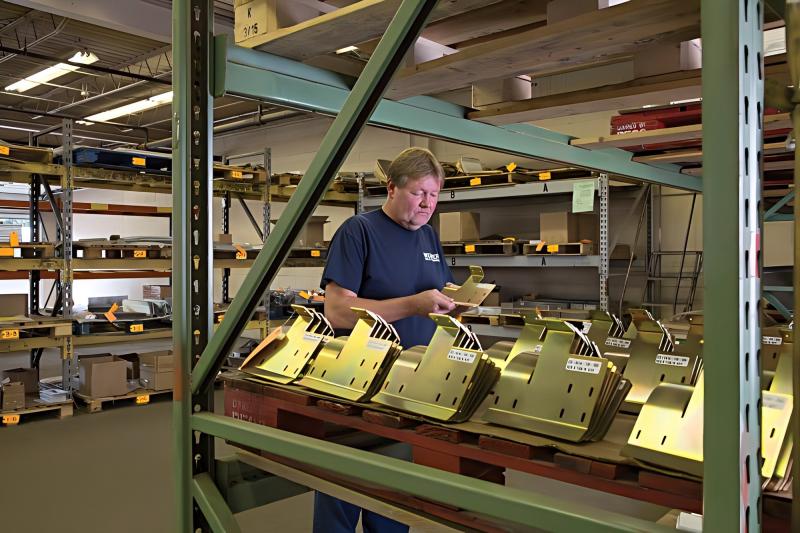
Safe storage of bended workpieces is as important as the handling process itself. Improper storage can lead to material deformation, surface damage, or risk of injury when parts are retrieved.
Avoid Stacking Too High
While it may seem efficient to stack workpieces, especially in a busy production environment, it is important not to stack them too high. Excessive stacking can lead to unstable piles that may topple over and cause injuries. Use appropriate racks or shelving systems to store workpieces in an organized, stable manner. For large or heavy parts, use vertical storage options or larger support racks to keep them from bending or warping over time.
Store in a Controlled Environment
For materials that are sensitive to temperature or environmental conditions, such as alloys that can warp in heat, make sure the storage area is well-ventilated and controlled. Additionally, ensure that the parts are protected from moisture or corrosive chemicals, which can deteriorate the material. Consider using protective covers or storing parts in designated, clean areas to avoid contamination.
Często zadawane pytania
What should I do if a bended part has sharp edges?
Always wear protective gloves when handling sharp edges. You should also deburr or file down any sharp spots after the bending process to reduce the risk of injury during handling.
How do I avoid damaging the workpieces during handling?
Ensure that lifting equipment is properly used, and that workpieces are securely clamped or held during transport. Always use appropriate protection such as tongs and ensure the workpieces are stacked properly to avoid distortion.
How should large, bended parts be stored?
Large parts should be stored vertically or on sturdy racks to prevent them from being damaged. Ensure that they are well-supported to avoid warping, and avoid stacking them too high.
Wniosek
Safe handling of bended workpieces is essential not only for the safety of workers but also for maintaining the integrity of the fabricated parts. By following these safety practices and utilizing the proper equipment and techniques, you can prevent accidents, minimize material damage, and optimize your production environment. Safe handling reduces injuries, enhances operational efficiency, and ensures high-quality results, so it should be a priority in any manufacturing facility.
If you need more detailed guidance or assistance with safe handling equipment, don’t hesitate to contact our expert team for support.


