


Ensuring Tool Clamping Safety in Prasy krawędziowe is essential to maintaining a secure and efficient work environment. As prasy krawędziowe are integral to sheet metal fabrication, improper clamping can lead to serious accidents, part inaccuracies, or machine damage. In this article, I’ll walk you through the crucial steps to ensure safe tool clamping and handling during press brake operations, providing you with the knowledge to prevent accidents and optimize machine performance.
Key Factors in Ensuring Tool Clamping Safety
Step 1: Proper Tool Selection and Maintenance
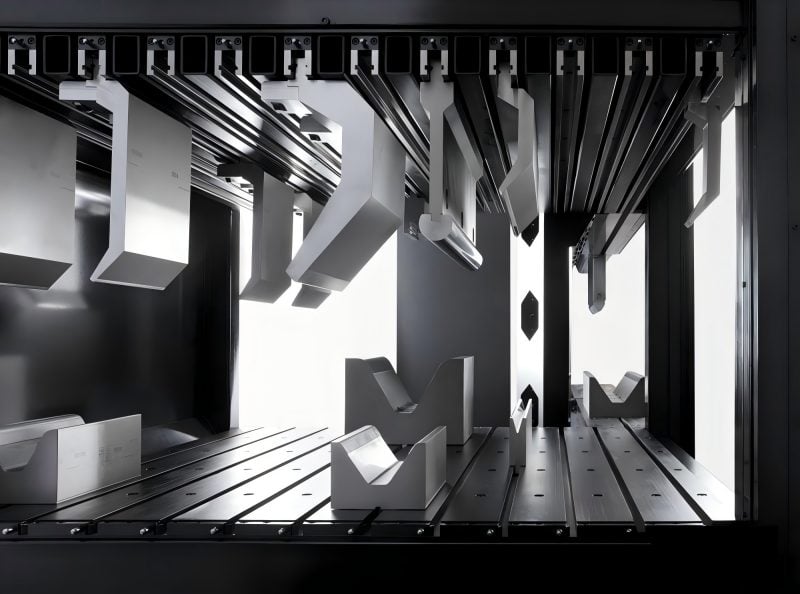
The first step in ensuring tool clamping safety is choosing the right tooling for the material and job at hand. Ensure that the tools are in good condition—inspect for any signs of wear, cracks, or defects that could interfere with safe clamping. Regular tool maintenance, such as cleaning, lubrication, and ensuring proper sharpness, is vital for consistent clamping pressure and safe operation.
Step 2: Correct Tool Installation
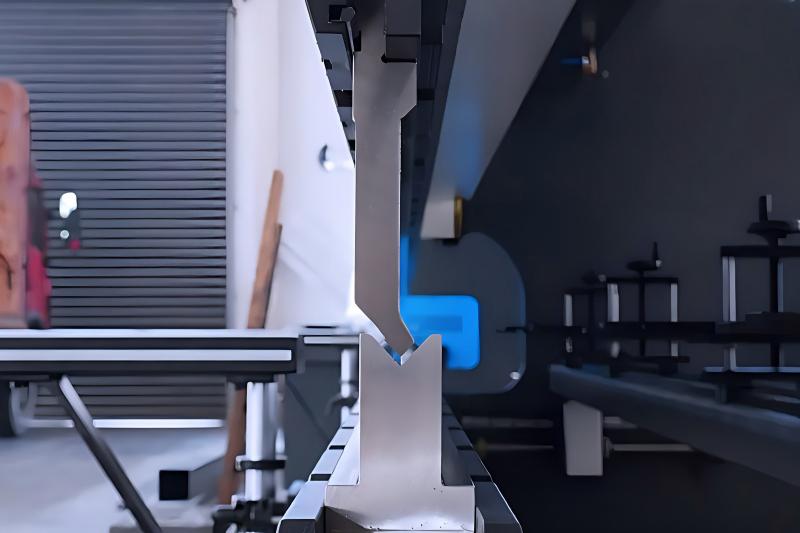
It’s critical to install tools correctly to prevent improper clamping and movement. Ensure the dies are aligned properly and securely fastened in the machine. Using the correct die for the material thickness and ensuring that both the punch and die are fitted precisely helps to avoid any issues with pressure distribution during the bending process.
Step 3: Regular Tool Inspection
After each use, inspect the tools for signs of wear and damage. Check for deformities or any wear patterns that could reduce tool clamping efficiency. This includes checking the clamping mechanism to ensure the tool is firmly secured and positioned, minimizing the risk of tool movement or slippage during the bending process.
Step 4: Set the Correct Clamping Force
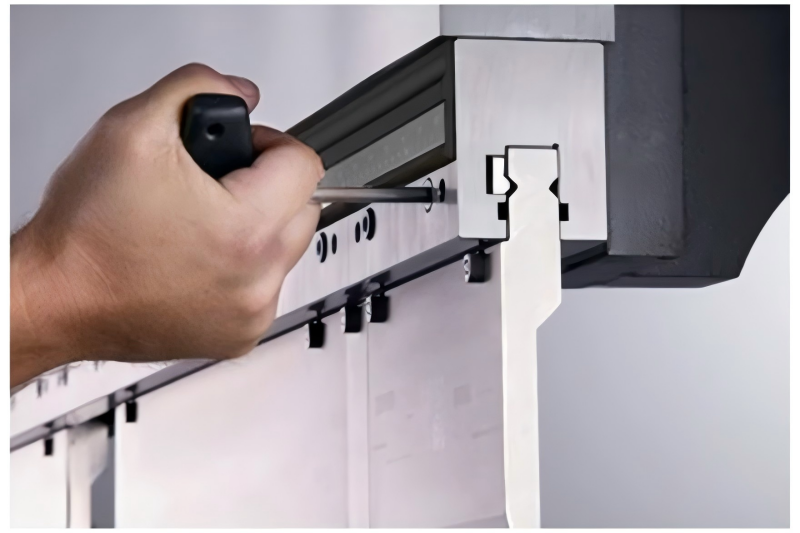
The clamping force should be set according to the material type, thickness, and the specific job requirements. Too little clamping force can lead to tool slippage or inaccurate bends, while excessive force can cause unnecessary wear on the tool and machine. Ensure the pressure is balanced to maintain optimal force distribution and clamping security.
Step 5: Preventing Slippage During Bending
To prevent tool slippage or movement during bending, it’s essential to verify that the tools are firmly clamped before initiating the bending operation. This can be ensured by using a hydraulic or mechanical clamping system that applies consistent pressure throughout the stroke, maintaining the tool’s position even under high forces.
Tool Clamping Safety Features and Practices
Step 6: Utilizing Safety Guards and Barriers
Install safety guards or barriers to protect operators from moving tools and parts during operation. These safety features help minimize exposure to hazardous areas and prevent accidental contact with clamping systems. Always ensure these guards are in place before starting the press brake.
Step 7: Training and Safety Procedures
All operators should undergo thorough training to understand the importance of tool clamping safety. This includes knowing how to properly secure the tools, inspect for wear, and recognize warning signs of clamping issues. Clear safety procedures should be implemented, with emergency shutdown protocols in place in case of clamping failures.
Step 8: Using Clamping Sensors and Automation
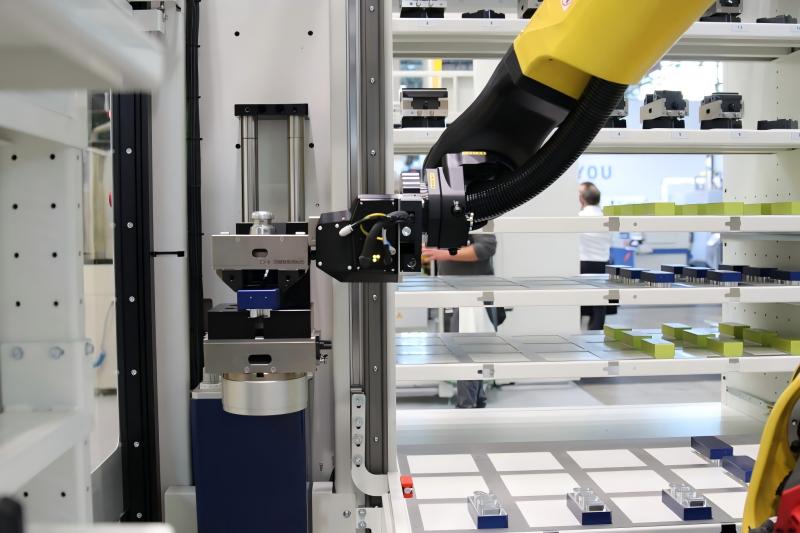
In modern automated press brakes, clamping sensors can help monitor tool position and clamping force in real-time. These sensors ensure that the tools are securely clamped, providing alerts if there are any inconsistencies or malfunctions in the clamping process. Automating this process further enhances the accuracy and safety of tool clamping.
Często zadawane pytania
What are the risks of improper tool clamping in press brakes?
Improper tool clamping can lead to inaccurate bending, tool slippage, part damage, and even machine malfunctions. It can also pose significant safety hazards to operators working near the machine.
How often should I inspect tools for wear?
Tools should be inspected after each use, and any signs of wear, cracks, or deformation should be addressed immediately. Regular, routine inspections prevent serious issues from arising during operations.
What should I do if the clamping system isn’t holding the tool properly?
If the clamping system isn’t functioning correctly, immediately stop the machine and check for misalignments, wear, or damage. Correct any issues before resuming operation to prevent accidents.
Wniosek
Ensuring tool clamping safety in prasy krawędziowe is essential for maintaining a safe and productive environment. By following the steps outlined above, including proper tool selection, installation, inspection, and maintenance, you can significantly reduce the risk of accidents and ensure accurate, consistent results. Regular training, safety procedures, and the use of advanced safety features like clamping sensors will further enhance safety and machine longevity.
For more support or questions, feel free to contact our team. We’re here to help you maintain a safe and efficient press brake operation.


