


Hydraulic system safety in prasy krawędziowe is critical to ensure both optimal performance and operator safety. These systems provide the necessary force to bend materials precisely, but without proper maintenance and safety measures, they can become hazardous. In this article, I’ll walk you through key steps to maintain hydraulic system safety in press brakes, focusing on essential maintenance practices, fluid management, and safety checks to enhance performance and reduce risks.
Understanding Hydraulic System Safety in Prasy krawędziowe

Hydraulic systems operate under high pressure, making safety a top priority. Regular checks and maintenance are critical to avoid malfunctions, potential leaks, and accidents. By understanding the basics of hydraulic safety and following best practices, you can ensure your press brake performs optimally while preventing costly downtime and ensuring operator safety.
Step 1: Regularly Inspect Hydraulic Hoses and Connections
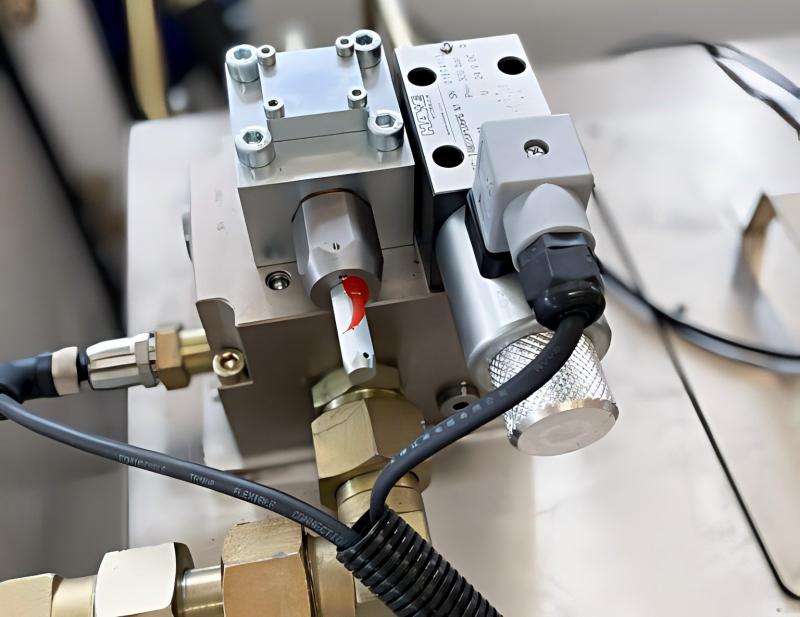
Hydraulic hoses are a vital part of the press brake’s hydraulic system, and any damage or wear can result in leaks, reduced performance, or safety hazards. Regularly inspect all hoses and connections for signs of wear, cracks, or leakage. Tighten any loose fittings and replace damaged hoses immediately to avoid pressure loss or system failure.
Step 2: Monitor Hydraulic Fluid Levels and Quality
Maintaining the correct fluid level and ensuring the quality of the hydraulic oil is essential for the system’s performance and longevity. Low fluid levels can result in a loss of pressure, while contaminated fluid can damage sensitive components. Check the oil regularly, keeping it at the recommended level and replacing it as needed to prevent contamination and ensure optimal lubrication.
Step 3: Check for Hydraulic Oil Leaks
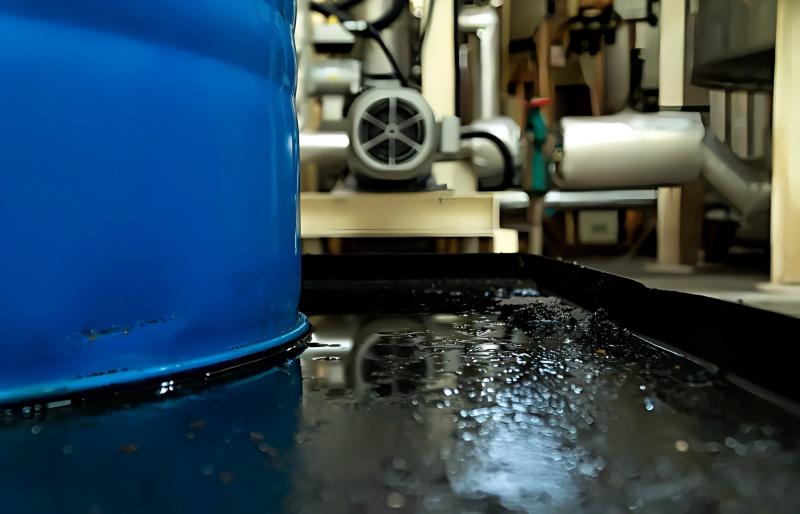
Even small oil leaks can lead to significant safety risks, including slipping hazards or fire potential. Pay close attention to areas around hydraulic cylinders, valves, and fittings. If any leaks are detected, address them immediately by tightening connections or replacing faulty seals to maintain system integrity.
Step 4: Ensure Proper Pressure Regulation
Hydraulic pressure should be regularly monitored and adjusted according to the press brake’s requirements. Over-pressurizing the system can cause mechanical damage, while insufficient pressure can lead to poor performance. Use pressure gauges to confirm the system is operating within the safe range, and adjust the pressure as needed based on the machine’s specifications.
Step 5: Keep Hydraulic Filters Clean
Dirty hydraulic filters can restrict fluid flow and cause increased wear on the system’s components. Regularly check and clean or replace filters to maintain efficient fluid circulation and prevent contaminants from damaging the system. Follow the manufacturer’s guidelines for cleaning intervals to avoid performance degradation.
Common Hydraulic System Safety Issues and How to Prevent Them
1. Overheating
Hydraulic systems generate heat during operation, which can cause fluid breakdown and component damage. Ensure that the system operates within the recommended temperature range by checking the temperature regularly and using cooling systems where necessary.
2. Contaminated Fluid
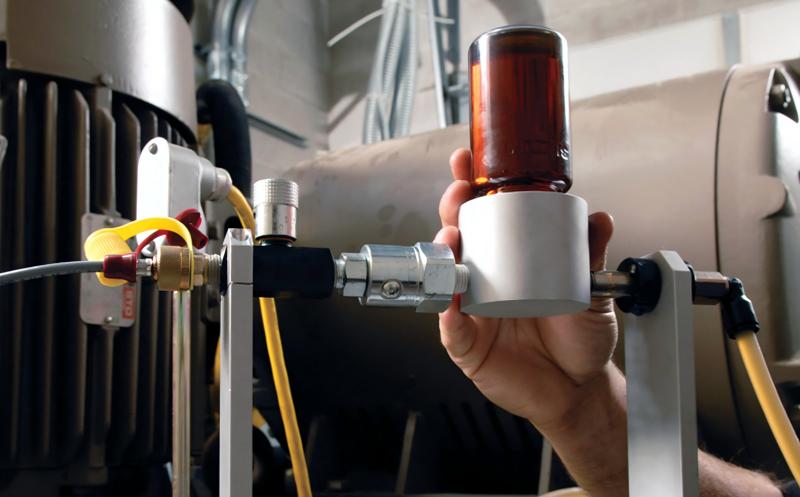
Contaminants in the hydraulic fluid can clog valves and damage seals. Use proper filtration, and always replace hydraulic fluid with the correct type as recommended by the manufacturer to ensure smooth operation.
3. Pressure Fluctuations
Inconsistent pressure can lead to uneven force application during bending. Ensure that the hydraulic pump is functioning correctly, and monitor the system for any signs of pressure fluctuations that could affect performance.
Często zadawane pytania
How often should I check the hydraulic fluid in my press brake?
It’s recommended to check the hydraulic fluid at least once a month or after every 500 hours of machine operation. Ensure the fluid is at the correct level and is free from contaminants.
What should I do if I notice a hydraulic leak?
If you detect a leak, shut down the press brake immediately to prevent further damage or safety risks. Tighten any loose connections, replace damaged hoses, and check for leaks around the cylinder and fittings.
How can I prevent overheating in my hydraulic system?
Regularly monitor the system’s temperature and ensure proper cooling. If the system exceeds recommended temperature ranges, inspect the cooling components and replace any damaged parts.
Wniosek
Ensuring hydraulic system safety in press brakes is essential for maintaining machine performance, extending lifespan, and preventing safety hazards. By regularly inspecting hydraulic hoses, fluid levels, and components, and following best practices for pressure regulation and filter maintenance, you can keep your press brake running smoothly and safely. If you need assistance with your hydraulic system or have any questions, feel free to contact our expert team for support.


