


مكبس هيدروليكي High Pressure Hose Safety depends on regular inspections, correct installation, proper pressure ratings, and timely replacement of damaged components. High-pressure hydraulic hoses play an essential role in transmitting fluid between pumps, valves, cylinders, and other hydraulic components. However, worn hoses, loose fittings, and unexpected fluid leaks can cause serious injuries, equipment damage, and production interruptions. In this guide, I’ll explain the essential checks engineers should perform, how to identify potential hose failures, and what preventive measures help maintain safe hydraulic press operation.
Why Is مكبس هيدروليكي High Pressure Hose Safety Important?
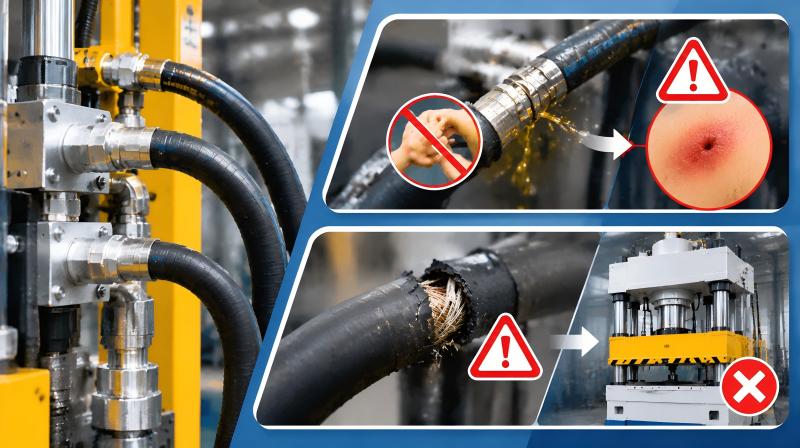
Preventing Hydraulic Fluid Injection Injuries
High-pressure hydraulic fluid can escape through very small openings in damaged hoses or fittings. Even a seemingly minor pinhole leak can inject fluid beneath the skin, causing severe tissue damage and requiring emergency medical treatment.
Operators should never use their hands to locate hydraulic leaks. Use appropriate inspection methods while maintaining a safe distance from pressurized components.
Avoiding Hydraulic System Failures
A damaged or deteriorated hose may rupture during operation, resulting in sudden pressure loss, fluid leakage, or unexpected machine movement.
Regular inspection helps identify early signs of deterioration and reduces the possibility of unexpected hydraulic system failures.
How to Inspect Hydraulic Press High Pressure Hose Safely
Step 1: Check the Hose Surface for Visible Damage
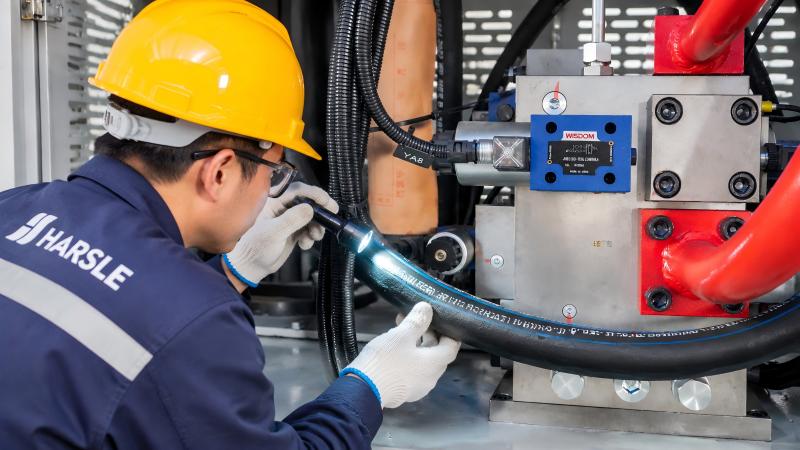
Before inspecting hydraulic hoses closely, shut down the machine and follow the approved energy-isolation and pressure-release procedures. Never inspect or handle pressurized hoses as though they were depressurized.
Check the hose surface for the following warning signs:
- Cracks and cuts: Inspect the outer cover for visible cracks, deep cuts, or surface damage.
- Bulging: Swollen sections may indicate internal reinforcement damage.
- Abrasion: Repeated contact with machine frames or moving components can wear through the outer cover.
- Kinking: Excessive bending or twisting can restrict fluid flow and damage internal reinforcement.
- Exposed reinforcement: Visible wire braiding or other reinforcement indicates serious hose deterioration.
Any hose showing structural damage should be removed from service and replaced according to the manufacturer’s requirements.
Step 2: Inspect Hydraulic Hose Fittings and Connections
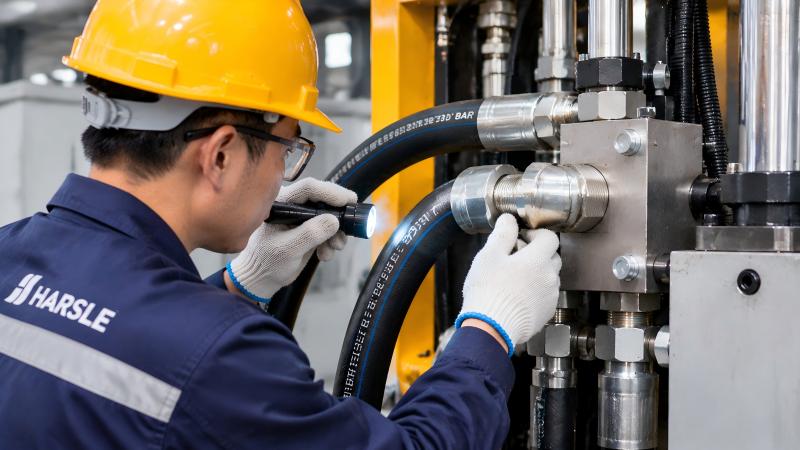
Loose or damaged connections can cause hydraulic oil leakage and pressure loss.
During inspection, pay attention to:
- Hose-end fittings and connectors.
- Threaded joints and sealing surfaces.
- Adapter connections.
- Crimped areas near hose ends.
- Connection points around hydraulic cylinders and control valves.
Look for signs of corrosion, damaged threads, displaced fittings, or oil residue.
Never attempt to tighten or disconnect fittings while the system is pressurized. Qualified maintenance personnel should perform necessary repairs after isolating the equipment and safely releasing stored pressure.
Step 3: Verify Hose Pressure Ratings and Specifications
Every hydraulic hose must be suitable for the operating conditions of the hydraulic press.
Check the following specifications:
- Maximum working pressure: The hose must meet or exceed the required system pressure.
- Temperature rating: Confirm that the hose is suitable for the operating fluid and temperature range.
- Hose diameter: Ensure the internal diameter meets the hydraulic system requirements.
- Fluid compatibility: Verify that the hose material is compatible with the hydraulic oil being used.
- Manufacturer specifications: Confirm that the hose assembly meets the machine manufacturer’s requirements.
Never replace a hydraulic hose with an unsuitable alternative simply because its dimensions appear similar.
Step 4: Check Hose Routing and Installation
Incorrect hose installation can significantly shorten service life.
Inspect whether hoses are properly routed and supported throughout their operating range.
Pay particular attention to:
- Minimum bending radius requirements.
- Clearance from sharp edges and hot surfaces.
- Contact with moving machine components.
- Excessive twisting or tension.
- Proper clamps and support brackets.
- Potential interference during cylinder movement.
Hoses should have sufficient flexibility to accommodate normal machine movement without being stretched, compressed, or excessively bent.
Step 5: Monitor Hydraulic Leaks and Abnormal Operating Conditions
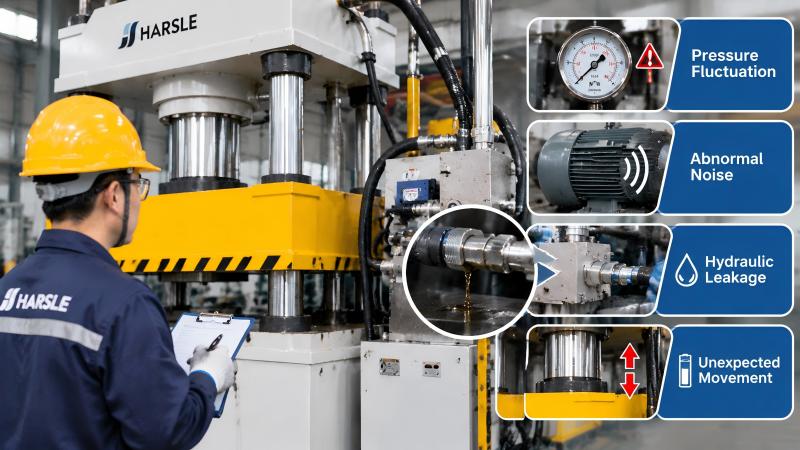
During normal machine operation, observe the hydraulic system from a safe position.
Look for unusual pressure fluctuations, abnormal hydraulic noise, visible oil leakage, or unexpected cylinder movement.
If a leak or abnormal condition is suspected, stop the machine when safe, isolate the energy sources, and follow the approved inspection procedure.
Never use your hands to search for leaks in a pressurized system. If hydraulic fluid penetrates the skin, seek immediate emergency medical treatment, even if the wound appears minor.
Preventive Maintenance Tips for Hydraulic Press High Pressure Hose
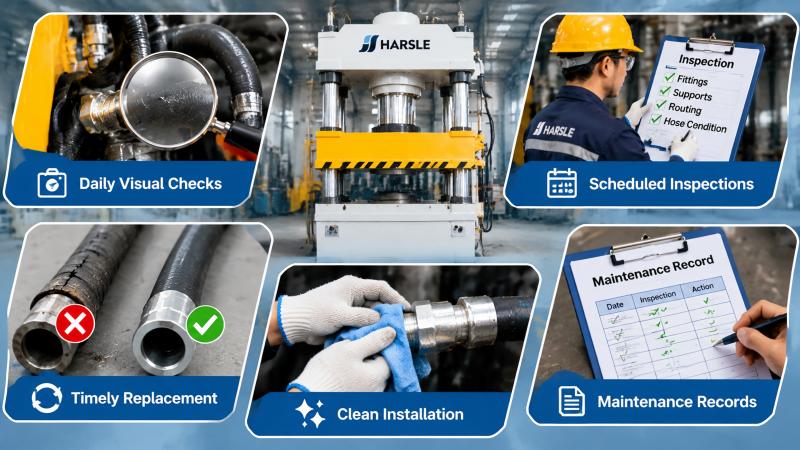
To maintain long-term hydraulic press high-pressure hose safety, I recommend establishing a preventive maintenance schedule.
- Daily visual checks: Look for visible damage, oil leakage, and abnormal hose movement.
- Scheduled inspections: Examine fittings, supports, routing, and hose condition according to the manufacturer’s maintenance recommendations.
- Timely replacement: Replace hoses showing deterioration or damage rather than waiting for complete failure.
- Clean installation: Keep hose connections free from dirt and contamination during replacement.
- Maintenance records: Document inspection dates, identified defects, repairs, and replacement history.
Always follow the hydraulic press manufacturer’s recommended inspection intervals and hose replacement requirements.
Common Hydraulic Press High Pressure Hose Inspection Mistakes to Avoid
- Ignoring minor leaks: Small leaks may indicate developing hose or connection failures.
- Inspecting pressurized hoses by hand: Never touch suspected leaks or search for pinholes with your fingers.
- Using incorrect replacement hoses: An unsuitable pressure rating or material can create serious hazards.
- Ignoring hose routing: Excessive bending, twisting, and friction accelerate deterioration.
- Repairing damaged hoses temporarily: Damaged high-pressure hose assemblies should be replaced with approved components.
- Skipping maintenance records: Incomplete records make it difficult to identify recurring problems.
الأسئلة الشائعة
How Often Should Hydraulic Press High Pressure Hose Be Inspected?
Perform routine visual inspections according to the manufacturer’s instructions and workplace maintenance schedule. Additional inspections are necessary when leaks, abnormal movement, or operating problems are suspected.
What Are the Signs of a Failing Hydraulic Hose?
Common warning signs include cracks, bulging, abrasion, exposed reinforcement, damaged fittings, and hydraulic oil leakage.
Can a Hydraulic Hose Be Repaired Instead of Replaced?
A damaged high-pressure hose assembly should generally be replaced rather than patched. Use an approved replacement assembly that meets the original technical specifications.
خاتمة
Maintaining hydraulic press high-pressure hose safety requires regular inspections, correct hose selection, proper installation, and timely replacement of damaged components. By checking hose surfaces, fittings, pressure ratings, routing, and operating conditions, engineers can identify potential failures before they lead to serious accidents.


